Tying at NE Spey Clave III, Saturday May 17

I will be doing a tying demo, Wet Flies for the Farmington, at this year’s NE Spey Clave III. If you plan on going, swing by my little picnic table and say hello. By popular demand, I will have a small selection of wets for sale. If you’ve never been, here are some details from Spey Casting NE:

New England Spey Clave III – May 17, 2014

Mathies Grove on the Farmington River

Sponsored by FRAA

Many manuf. Reps will have rods and lines to test cast

Demonstrations on the Farmington River

Andrew Moy – Topher Brown – Rich Murphy – Mark Sedotti – Fred Wilson

Free lunch by: The Complete Angler, Darien, CT

Raffle for Spey Rods and Lines – Proceeds for FRAA

Image

Farmington River conditions: down she comes

This in from FRAA President (and dry fly angler extraordinaire) Drew Butler:  “Just received notice that they are reducing flows to 300cfs from the dam, dropping it from the 880cfs that it has been for the last few days. Total flows through the upper TMA will be below 500cfs for the first time in a while. Yesterday brought a fair BWO hatch along with a few Hendricksons and Quill Gordons. The water temp had dropped from 52oF down to 48oF so the fish were not as active on the surface. Still managed a half dozen or so on top, all on some form of Hendrickson emerger before it quit around 5 or so. There was a decent spinner fall on Wed. and I expect that the spinners will just get better as the temps warm up early next week. Time to break out the size 12 rusty egg-sac spinners!!”

In case you’ve never heard of Drew, he holds the current (and still growing) record for consecutive months catching a trout on a dry fly. I’m not sure where he’s at, but it’s well over 100. You do the math.

I would also expect the Mahogany Duns to begin making an appearance. For those of us who love swinging wets, this can be a productive afternoon hatch. Try a February Red, size 16-18.

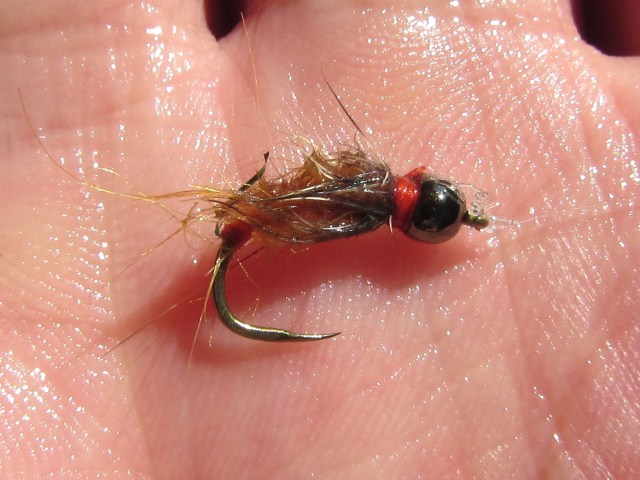
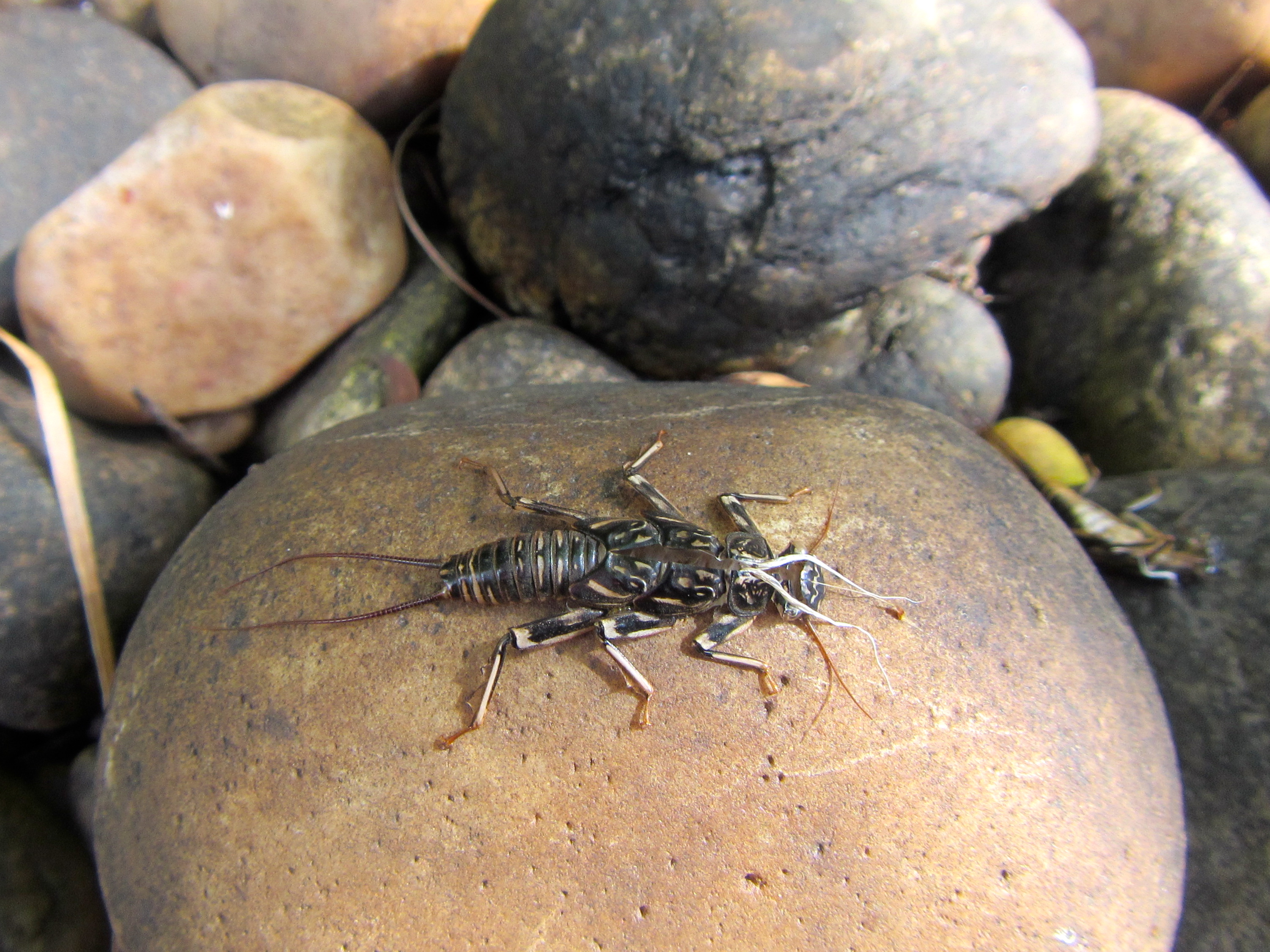
The February Red. This is a size 12, so shrink it down for the paralepts.

Image


Safe at home

The more I have become a Farmington River whore, the more I have shamefully neglected my natal trout waters, the Salmon River. I went back today to get reacquainted, swing some wets and enjoy the sunshine.

When you work for yourself and are able set your own hours, it’s easy to forget there are probably many others like you. How else to explain the mob of anglers that blanketed the river? By sidestepping around those married to a position, I was still able to wade and fish most of a 500-yard stretch. Significant bug activity, although it was all airborne by the time I arrived at 1pm. Saw only one rise, and he unequivocally rejected my offerings. There were midges (seems there are always midges at the Salmon) and actively humping caddis, a few stray Hendricksons, and a smaller un-IDed mayfly I like to call Quill Somethings.

Everyone I spoke to reported slow going. It started off that way for me, but in the two hours I fished I managed to find plenty of trout willing to jump on the wet fly. Standard-issue stocker browns, a couple in the low teens. I fished a team of a Squirrel and Ginger on top, a soft-hackle BHPT in the middle, and a BH Hendrickson on point. Today’s vote was decidedly in favor of the PT. Water was a perfect 290 cfs, about 52 degrees,and  staggeringly clear.

Two hours and one El Titan de Bronze panatela later, I had to say goodbye. Thanks to those who shared pools, conversation, and positive energy. See you soon, old friend.

Forgot the good camera today. Not bad, though, for an old iPhone. The Salmon has settled nicely after last week’s rain, but there is still a generous amount of groundwater flowing into her. The plants are certainly happy.

Image

I didn’t sign up for this

On the heels of proclaiming what an amazing, understanding wife I have: no kidding. Last night, after our anniversary dinner with the kids, I went striper fishing.

I shoulda stayed home.

It’s not like I had a bad time or anything, but the fishing was — how you say? — slow. To start, someone who insists on telling everyone on the worldwide web specifically where he striper fishes, especially when he catches — the only thing missing are GPS coordinates — posted the spot I went to last night the day before. At 10pm on a school night, I would expect to be the only angler there. Imagine my surprise when I saw all manner of dark forms silhouetted against the inky waters. I joined the lineup as the sixth man. I think I’ve seen six guys there at night in over the last four years. Way to burn that spot, dude. One 16″ bass on my second cast, then nothing for an hour.

So I hoofed it to another place. Plenty of action there, if you count trout-sized stripers as action. Not the reason I was standing in the water at midnight.

The big one continues to elude me. Must keep at it. The generally persistent generally make out.

Correction: I just learned that the bulk of the anglers at last night’s first location were veterans of that spot, not the report chasers I suspected. No disrespect to them was intended, and I regret the error.

What goes up must come down

Last week’s rains are long gone, but their effects on the Farmington — and elsewhere — linger. As of 1:30pm today, the MDC continues to bleed water from the Hogback dam at 540cfs, making the water above Riverton uncomfortably high and cold. Add in the flow from the Still River, and the Upper TMA is cruising along at nearly 900cfs. This water is all fishable, but it is high, and as you can imagine it’s put a damper on dry fly activity. We’re supposed to get little in the way of rain this week, and I expect the flows to moderate over the next few days. In the meantime, subsurface presentations are creating the best opportunities for fly anglers. The Lower TMA is another story: nearly 1,900 cfs. Blech.

Even the mid-sized rivers nearby are still way up. The Mattabesset here in Middletown is flooding the low-lying plains, and is the color of chocolate milk. After cresting at 900cfs, the Coginchaug is down to 250 (60 is normal for this time of year).

And to think, this time last year the flows were low.

The wicked witch of the east

The old saw goes, “Wind from the east, catch fish the least.” But ever since I fished my first easterly, I’ve had a hard-on for them. Especially the ones that always seem to roar through this time of year. Not only do they they keep the meatballs away, I also find the fishing is often surprisingly good.

Yesterday was overcast with an unrelenting easterly blow of 20-30mph. This was comic book casting wind. Into its teeth would have been impossible with a thick floating line. With the wind behind me, back casts were an exercise in do-your-best, and my strategy was basically to loft the line into the banshee and let her deliver the goods.

Seinfeld had the puffy shirt. I had to settle for the puffy rain jacket, billowing Gore-Tex courtesy of the bitch of April.

Image

About ten casts in I took my first striper. Then, save for a couple follows, nothing for an hour. That’s an eternity in these conditions: strong moon tide current in an exposed estuary. Windblown water pouring in from the ocean over a sand bar, colored that odd yellow-grey/sea green you get with an easterly. Frosty whitecaps and chop, and some perilous looking rips. Seaweed and organic  flotsam everywhere. Forty-eight degree air temperature, but with the wind chill off the ocean, I could barely feel my fingertips. Windblown rain showers that felt like BBs against my jacket.

Even though it was the middle of the afternoon, I was certain there were fish around. Yet I wasn’t getting any action on my smaller (3.5″) soft-hackle. I thought that maybe it was getting lost in the maelstrom. Let’s break this down. The one hookup I had was at the surface. Perhaps something bigger and easier to see might work? The best solution I had in my box was a 7″ long, all black deer hair head fly. On it went. And on they went. I lost count of how many stripers I caught in the next half-hour. It wasn’t a fish on every cast, but it was a follow, a nip, or a hookup on every cast. Tremendously exciting to see the takes right near the surface amidst the storm surge. The spray from the hit would sail into the air, get captured by the wind, and shower the surface with a liquid blast radius.

In the end, it was as simple as this: In rough water, make it easier for the fish to find your fly.

The hatch awards

I had the pleasure of guiding Don and Dave on Monday. Like a lot of people I take out, they were interested in my Wet Flies 101 course. As with last Friday, the day claimed two-out-of-three positive ingredients: lovely weather (blazing, brilliant sunshine), significant hatch activity (caddis, midges, stones, mayflies) — but sadly, not much going on feeding-wise. The guys made the best of it with good spirits and an enthusiasm for learning. Don focused mainly on near-surface presentations like the mended swing, and Dave plumbed the depths with short-line dead drifts. Both methods were right today, as both caught trout. Well done, gentlemen. You are both well on your way to having some terrific days. Water temperature was 44 degrees in the upper TMA. That’s cold for this late in April. We had to get out and warm up every so often.

Man working: Don making some upstream mends, watching his drift like a hawk. Rats! I forgot to get a picture of Dave. My bad.

Image


They’ll stone you when you’re trying to be so good.

Image

After we wrapped up, I ventured downstream to see if the H-word was out. Yes, in decent numbers. But due to high, cold water, predators were few and far between. Still managed my first trout of the year on Hendrickson wet, dapping it over a feeding fish. Ker-pow!

Hello, my three-tailed friend. I missed you.

Image

And, we’re underway

Kicked off my 2014 guiding season yesterday with Matt. Matt wanted to take my Wet Flies 101 half-day course, and we headed to the upper TMA in search of feeding fish. Two-thirds of nature cooperated; an absolutely glorious late April sunshine, and a snow flurries-like caddis hatch (with a few Quill-something mayflies and mounds of midges for good measure). Unfortunately, the third that really counts was in absentia. Not a damn riser anywhere. Nothing for the nymphers, and even the spin guy only managed one on his Rooster Tail. Off to below the upper TMA, where Matt rousted up a nice brown on a bead head soft-hackle Pheasant Tail. Speaking of Matt, it was gratifying to see how much he improved over the course of just a few hours. So often, you get out of something only what you put in, and he worked hard on his mending and wet fly presentations. By the end of the day, quality drifts were the rule rather than the exception. Well done, Matt!

Matt executing a mended swing, focused, intent, and best of all having fun.

Image


After our session ended, we headed downstream where we found some fish willing to jump on. I also saw the first Hendricksons of the year, although two doesn’t make me do handsprings — and there was nothing rising to them. Not to be a wet blanket, but my enthusiasm is also tempered by the fact that we’re in for some cold, wet weather over the next few days. But come, they will.

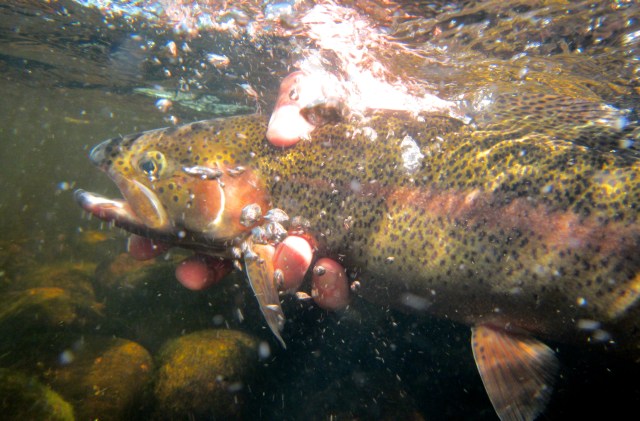
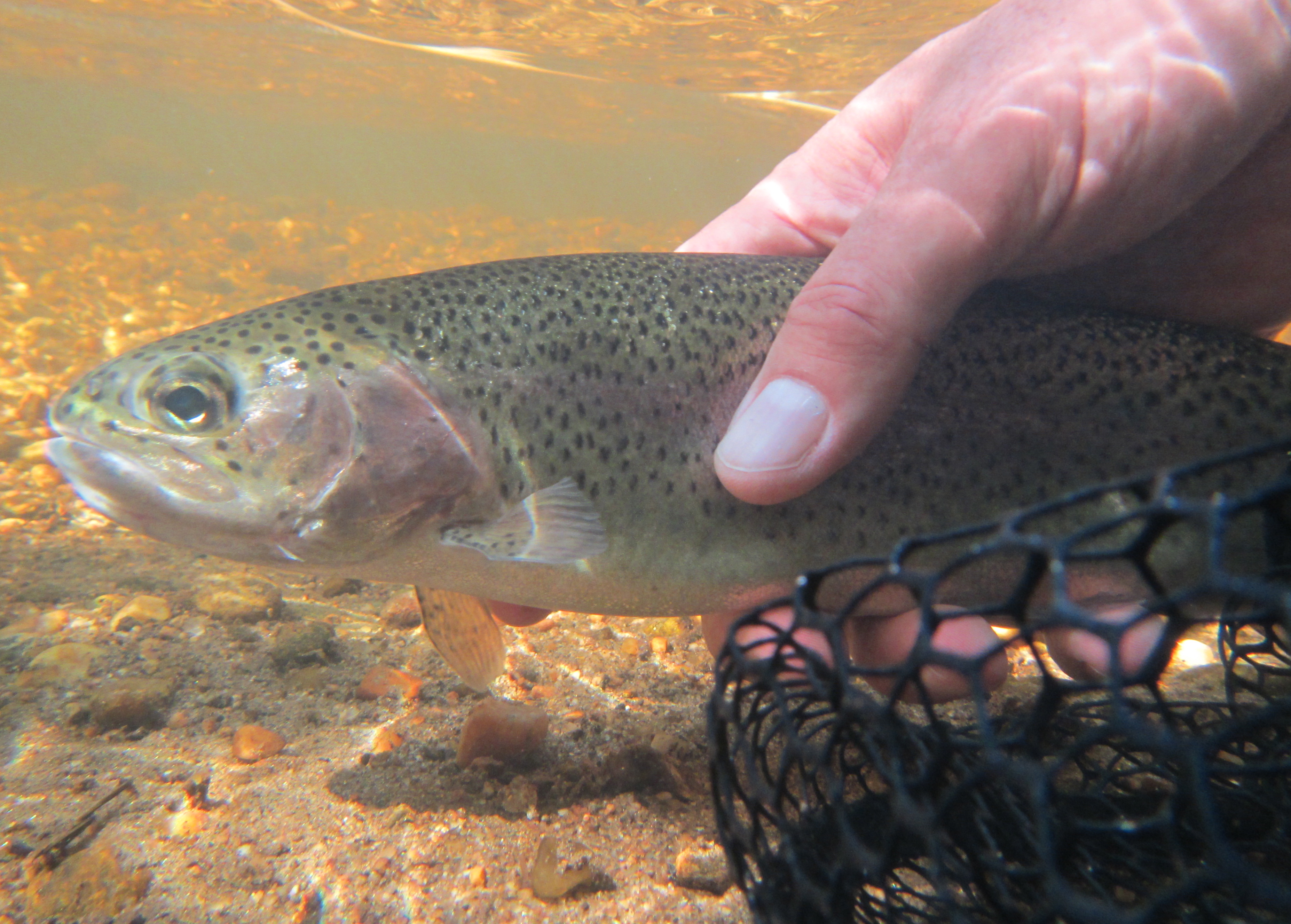
An intriguingly marked rainbow that took my BHSHPT. Love the colors on the gill plate. Landed a nice wild brown as well, and LDRed a third. A fun way to end the day.

Image


Thank you, CT/RI Coastal Fly Fishers

Last night I concluded a busy winter and spring presentation schedule with “Wet Flies 101” at the CT/RI Coastal Fly Fishers. Nice people and — bonus! — pizza are the friends of any speaker. Thanks for helping me set up, thanks for the spirited Q&A, and thanks to the gentleman (a thousands apologies, I forgot your name) who gave me the articulated streamer. Hope to see you again soon.

 A RI coastal scene from a couple summers back, taken a few hours before fly fishing commenced.

Image


Dear Meatball*

Dear Meatball,

How are you? That was some wind last night. Cold, too, huh? The water was warmer than the air.

Technology is so cool these days, isn’t it? Cars, computers, phones…even headlamps. I remember the first one I bought for fishing. It was little more than a stubby flashlight attached to an elastic headband. Now, you get multiple LEDs with spotlights capable of throwing 45 lumens. Or more. You can see everywhere with those things.

But you already know that. You and your buddies sure got your money’s worth out of your headlamps last night. What’s on the shore? Let’s light it up! Gotta check my rig, or look at my reel? Light it up! Anything in the water in front of me? Turn on the high beams! Is that guy still fishing above us? Scotty, full power searchlights on him!

Here’s the thing: that guy was me. When I’m fishing on the dark of the moon, I want my eyes, which aren’t great in the first place, to adjust to what little ambient light is available. It’s tough enough wading around in the dark without stumbling over submerged rocks and gravel bars. Your 600 candlepower light bombs in my face aren’t making the job any easier. It’s also rude as hell.

What’s more, flashing bright lights in the water in the pitch black of night generally isn’t good for business. Scaring the fish and all that. Which is why I cannot put into words the extent of my delight when you and your Vegas light show packed up and left.

Once you were gone, a funny thing happened. I started to catch stripers. Sure, it could have been a matter of time and tide. Personally, I think it was not having your group trying to replicate the total aggregate wattage of Times Square. The bass came in nice and close, and took my Crazy Menhaden flatwing on the greased line swing with confidence.

Anyway, I just wanted to say thanks for leaving.

Your pal,

Steve

Red lights at night, gentlemen. Red lights at night.

Image

*With apologies to Billy Lagakis, from whom I so shamelessly stole this wonderful descriptor.