I had a brilliant plan to fish the Farmington yesterday, but it turns out I probably picked the wrong day. Wednesday would have likely been better, with warmer temps, total cloud cover, a little higher and more stained water, and no cold front moving through. But I couldn’t fish Wednesday, so there it is.
Water conditions were 540cfs in the PTMA and a very slight stain. I didn’t take a water temp, but I’m guessing about 40 degrees. I hit three marks in two hours, and blanked in all of them. A measly single bump would have been nice, but so goes the winter streamer game; it’s either on or it’s not, and this was an emphatic Not day. The first mark was a popular, large dry fly pool; the second another popular spot, albeit on a much smaller scale; then back to another large, popular dry fly pool for the third. I fished my full sink tip line with a 3-foot leader of 8-pound Seagar Red. I started with a Coffey’s Sparkle Minnow then switched to a Hi-Liter. I know I was fishing deep and slow enough because I brought over a dozen leaves to hand. Yes, I did switch up retrieves, varying from swing to dangle to slow to short, jerky and fast. I covered water, actively moving though each mark. Not happening.
At least I’m warm now.
No shelf ice yet. This is a Sparkle Minnow, which is a good all-around generic flashy streamer.
Lest you think I’m the kind of angler who can just show up on a river and conjure up fish, let me assure you that is not the case. We all put our waders on one leg at a time, and although I managed to do that quite handily, the rest of the outing didn’t go nearly as well.
The conditions were more than swell, in the upper 40s and overcast with the brook at a fine medium height and crystal clear clarity. I had four hours to work with, so I could take my time between covering water and switching up flies and methods. My cigar, a Montecristo 1935 Anniversary torpedo, was a delight. But this is the part of the story where things begin to go south.
My casts were constantly in the trees and bushes. F-bombs were dropped, oaths spat, curses invoked. Some of it was due to a longer than normal dry/dropper leader, but mostly it was a combination of operator error, bad luck, and ill-placed flora by Mother Nature. Hatch activity was minimal, which did not help. And the char that wanted to engage were few and far between. I did dry/dropper, jigged on the bottom, streamers — blanks all around, save for one half-hearted swipe at the surface bug. Worse, I could seem to find any residents longer than 3-4″. This concerned me, as I had no action in any of the deeper plunges, which is where you’d expect the larger brookies to be hanging out this time of year. I finally found one larger fish, but it was more interested in nosing the fly than eating it.
The main source of my disappointment is this: every time I think this brook is primed to make a comeback, it fails to meet expectations. It used to be infested with brook trout. Over the last 15 years it has experienced a dramatic decline in numbers. I saw dozens of char in here in late September. Where did they all go? Did they finally succumb to the drought? Were they in such weakened state that the spawn did them in? Poachers? Environmental factors (two major droughts in three years)?
I’ll keep going back until nature can’t find a way.
I guided Jon yesterday from late morning to mid-afternoon. We had abundant sunshine, the air was crisp and chilly, and we had a bit of a breeze to contend with. But by far the most challenging part was the sheer volume of leaves in the water. It was never-ending. Still, the trout have to eat. The trick is to keep at it, and I like to use flies that offer some contrast to all the yellow and orange and red in the water. We fished four marks in the lower river, which was running about 225cfs, a very respectable height, and far better than the double-digit CFSs we’ve had to suffer though in the Permanent TMA.
So: Jon is a beginning fly angler. We spent the session drop-shot nymphing under an indicator. Jon did a great job sticking with it despite all the infernal flora. And what do you know? The indicator dipped, the hook was set, the battle won, and…Jon’s first Farmington River trout was wild brown! Way to go, Jon!
Sparse spotting, lovely halos, perfect rays on the fins, no edge damage to the fins, intact adipose — and a stubborn unwillingness to come to net — all hallmarks of a stream-born wild brown. It was especially gratifying to find this fish in an area of the river that got torched this summer. Nature finds a way (again). A tremendous first Farmington River trout for Jon.
On page 77 of my copy of A Perfect Fish, scribbled in the margin just to the right of the recipe for the R.L.S. Sure Thing, is a single word. Fall. Then, below that, in smaller letters, 8-9″, night time when there’s a little moonlight KA 3/12/10. These are the notes I took from a phone conversation I was having Ken Abrames on that date. If you went through my copy of the book, you’d find notations like this one sprinkled throughout. Such are the benefits of befriending the author.
The funny thing about the Sure Thing is that up until last week, the only thing that was certain about that pattern was that I would blank when I fished it. To be fair, I didn’t fish it a lot. But over the years it got enough time in my rotation to cause a chuckle whenever I thought of the name. Pshaw! Sure thing, indeed.
Nonetheless, I tied one up last Thursday because I was going out in the fall with a little moonlight, just after dusk. I made it 9″ long like the man said. And I remember thinking, as I lashed feather to hook “If not tonight, when?” Besides, Toby (Lapinski, surfcaster extraordinaire) had done well his previous outing at this mark with a yellow needlefish. The Sure Thing is a three-feather flatwing with at least one yellow saddle and plenty of yellow bucktail. It would be a very reasonable facsimile of Toby’s plug.
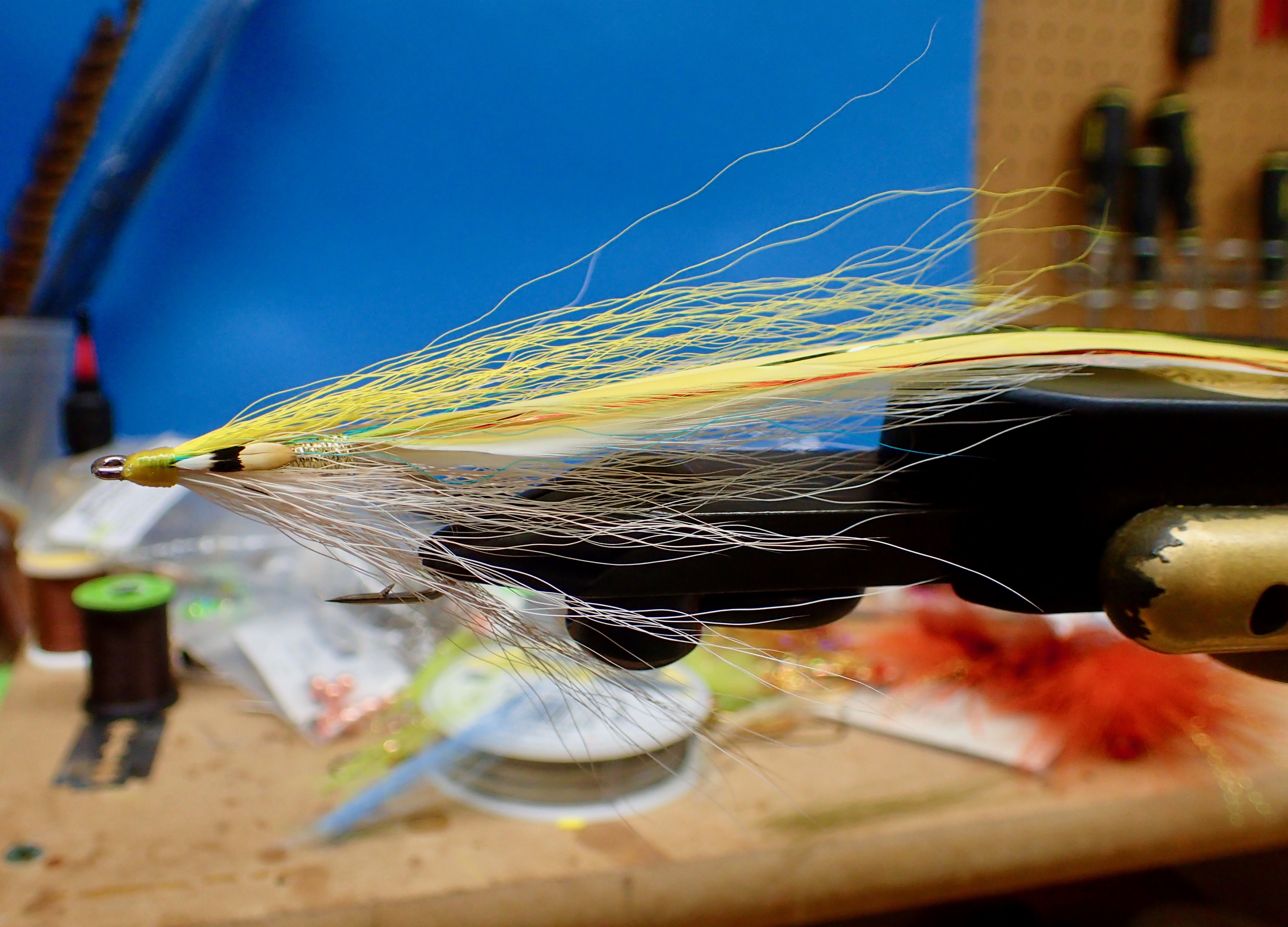
My newly minted R.L.S. Sure Thing, as yet unshaped, but ready to hunt. I’ll try to remember to feature this pattern and recipe in a future post.
We settled in and began to cast, me with my two-hander and floating line and Sure Thing, Toby with his surf rod and bag of plugs. Right away Toby was into stripers. Nothing too big by his standards, but enough to whet our big bass appetites. Even though it was early in the incoming, the current was already beginning to pick up speed as it rushed across the rocky bottom. This was my second time here, and I knew what I had to do: make a cast, immediately throw a large upcurrent mend, gather in the slack, and let the fly greased line swing over the bar.
Big fish don’t miss, and this one drilled the Sure Thing with precision accuracy. The beauty of the greased line swing manifests with such takes; you feel the heaviness of the fish, see the surface erupt in a chaotic whitewater geyser, and hear the distinct sound made by a large object as it thrashes on the surface. My cast had only been about 70 feet, and I quickly came tight to the striper.
I set the hook. Then again, and once more. Normally, I’d put a bass this size on the reel, but I’d already begun stripping her in. It wasn’t until she was about 25 feet out that I questioned my decision. I let her take a little line from hands, and used the rod tip to deflect the more frantic short bursts. She was close now.
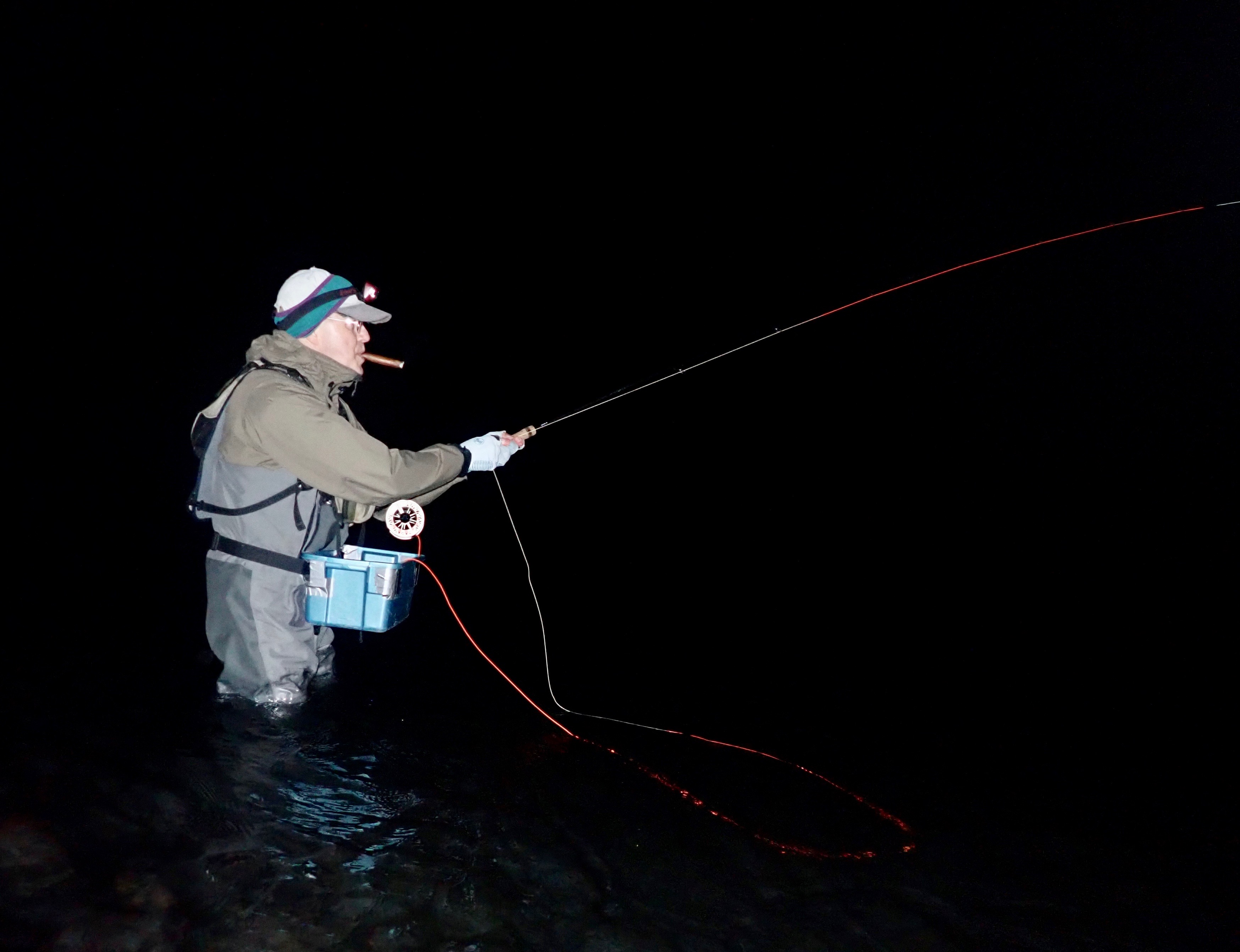
Always fight a big fish from the bottom third of the rod. Note that the rod angle is below 45 degrees. I was confident in my hook set, and the fact that I had a sticky sharp 3/0 hook and a 30-pound mono leader. It’s only when I feel the fish is running out of fight that I raise the rod tip to lift its head and lip it. The raised rod tip also cushions any sudden late bursts by the fish, which are sometimes difficult to manage when you’re hand stripping a larger bass. Photo by Toby Lapinski
Twice I thought I was in a good position to lip her. Twice she refused. And then it was over. The camera was readied, rod tucked under arm, fish supported — she never left the water — and then the most satisfying part. Release. Watching her melt into the dark waters of Long Island Sound, knowing you may catch her again some day. Perhaps it’s the fist bump from the friend who was there to share it with you that is the most satisfying. Or, maybe the victory cigar.
Whatever. It doesn’t have to be a sure thing.
38″, 20-pound class, R.L.S. Sure Thing. This has been my best year since 2018 for bigger bass.Photo by Toby Lapinski
Bert took a striper lesson with me on Monday. We banged around two different tidal marks near Long Island Sound. The wind made for a few casting and mending challenges, and the water was heavily stained. Bert learned about non-stripping presentations where the angler brings the fly to the fish. The greased line swing, the dangle, strategic mends — these are all now part of Bert’s striper fly fishing vocabulary. We even had a tug in the midst of this mid-day maelstrom. We also covered fly selection, dropper rig construction and presentation, and baitfish ID. If you want to catch those hard-to-catch, unwilling-to-chase, and (most of all) bigger striped bass on a regular basis, you need to learn presentation. Great job, Bert!
Despite the low visibility, we saw several bait balls of juvenile Atlantic Menhaden. Nice loops!
Then, Monday night, I ventured to the Ocean State. It never occurred to me that the entire southern New England coastal waters might be stirred up by the blow. Yep, the estuary I fished was the same sandy mess and weed farm. Bait was everywhere — mullet, peanuts, silversides — but the only thing that was on them were a few bass in the 12″-16″ range. In a little over two hours I managed a couple hits from these smaller guys, but no hookups. I stayed out way later than I should have, and I didn’t hit the pillow until after 3am. Maybe next time.
The rockabilly music scholars among you will no doubt recognize the title as the Eddie Fontaine classic (or the Beatles’ excellent BBC cover, for bonus points). But for our purposes, it’s an apt description of my Wednesday night outing. Surfcaster extraordinaire Toby Lapinski reported several hours of similar non-action the night before, but that was many miles east of the mark I fished. Besides, this was an entirely different type of water (estuary). I fished 90 minutes of incoming, then outgoing tide. Not. A. Touch. No menhaden (juvenile or adult). Only a handful of silversides. I heard three pops and saw one small bass holding in the current. In desperation, I zipped over to another mark, which was also dead as Julius Caesar. So it goes.
Ever feel like this is message the bass are sending you? But, you keep at it. Toby. did, and Thursday night at another coastal mark he was into over a dozen stripers in the 20+ pound range. He was plugging, and he told me that most of the bass were at the extreme edge of his casting range. I suppose that made me feel a little better!
Last night I was treated to a few hours of striper fishing with surfcaster extraordinaire Toby Lapinski. We fished a top-secret mark on Long Island Sound where there’s no public access (Toby has permission from the landowner, God bless him). Conditions were perfect, with a very light breeze out of the northwest. The air temp was decidedly cooler than the water, which was about 75 degrees.
Right away, I liked the spot. It’s a rocky reef where the incoming tide sweeps over the cobble and boulders from left to right. The tide was already moving when we arrived, and it wasn’t long before the current became quite pronounced. I started off with a team of two JV menhaden patterns, and about a half dozen casts in I had my first hit of the evening. It was a quick bump that felt like a small fish. Unfortunately, this was to become a pattern; I had dozens and dozens of these quick tugs, but was unable to get a hook set.
To make matters worse, my two-handed casting was rusty and I discovered that my two fly team had become irreparably tangled. Since I was feeling lazy, I clipped the dropper section and tied on a larger fly on the now 4-foot leader.
I had a few more bumps, but meanwhile, Toby was slaying them on plugs, especially his needlefish. I swapped out the deer-hair head contraption I was fishing for a “Sand Eel Punt” (basically an Eel Punt with sand eel-thin saddles) in Block Island Green. Finally, I connected with an 8-pound bass. That was my only fish landed of the evening. As my action slowed, Toby continued to pound up bass, albeit not in the size range we were hoping for. As the moon rose, the bite began to taper off.
The winning fly from last night, the “Sand Eel Punt.” I’m going to try this with some more substantial saddles.
Some observations: I can’t remember the last time I had so many hits that didn’t convert to hooksets. It was almost as if the stripers were afraid to commit to the fly; certainly some of those nips were from smaller bass. I can’t blame it stripping the fly right out of their mouths; any movement I was creating was no faster than about 1 foot-per-two-seconds, and I was doing plenty of greased line swinging. With the two-hander, I was able to cover far more water; however, when the bite was on, I had many hits when I only made casts of 50 feet or so. Lastly, why did Toby catch so many more fish than me? Was he covering more water? Was it the action or shape of his plugs? The depth he was fishing? Did my shorter leader have an influence? Why were Toby’s hits more demonstrative than mine? All stuff I’m trying to figure out today.
I’d known about the South Platte for years, but never got the itch to go fish it, until I did — and now I am faced with a matter of difficult settlement: my favorite trout water is almost 2,000 miles away.
It’s so easy to fall in love with the South Platte. Since it’s a tailwater, it’s a viable fishery year-round. It’s got so much productive water that you could very likely stumble into fish (and if you know how to read water, you could quickly become a dangerous machine). In addition to being cold — I didn’t take a temperature, but it had to be high 40s-low 50s — the water is clear enough that the eagle-eyed among us can sight fish for trout. And the trout — ah, the trout — are fat and feisty and fantastic. Plus, there are lots of them. Subsurface invertebrates are everywhere and provide the trout with a daily smorgasbord. It’s almost like someone imagined, then created a trout theme park fantasyland. Really, it’s that good.
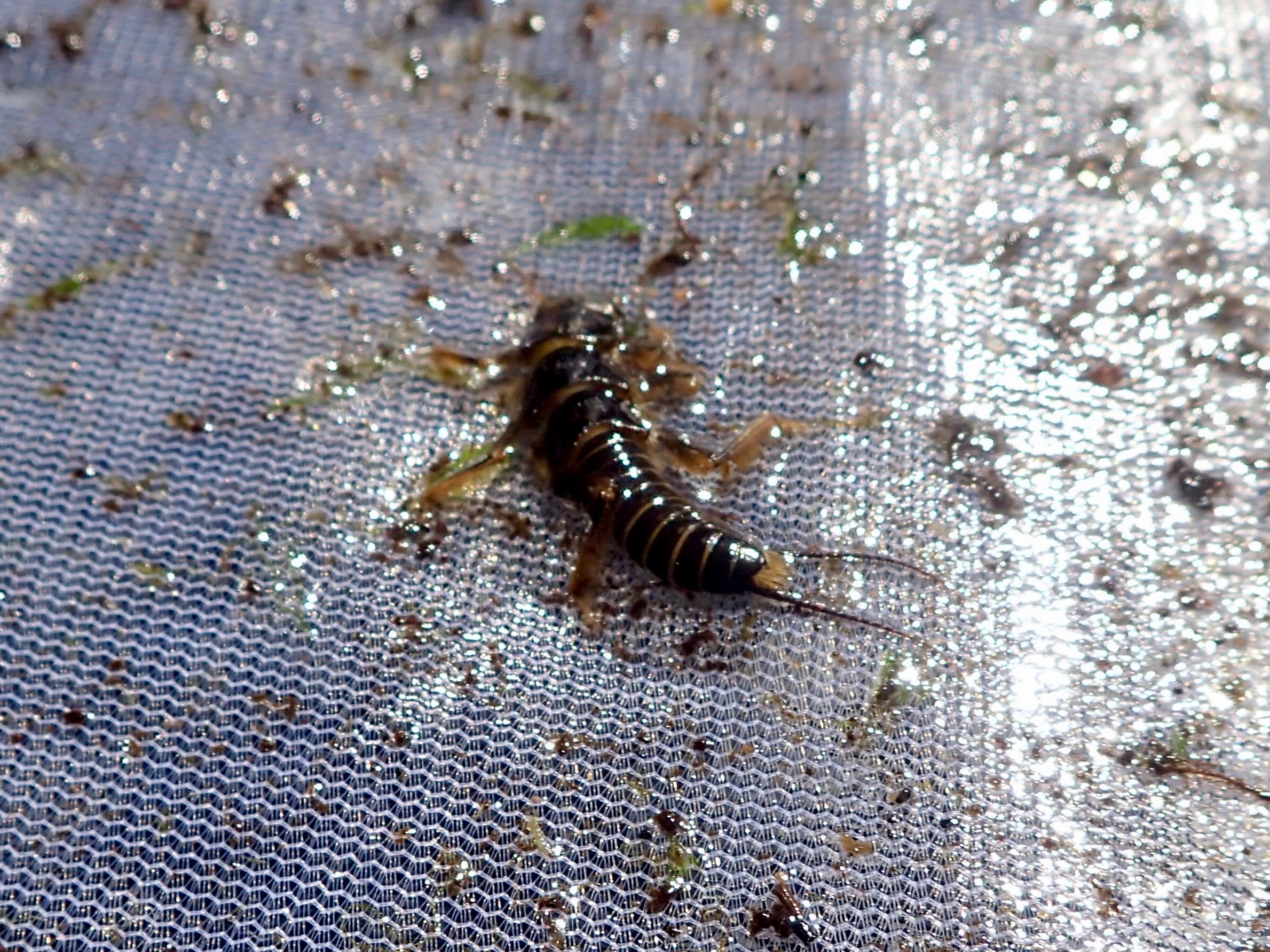
Early morning on the first day. Cam might be contemplating the fish at his feet, or the sheer beauty of his surroundings. These streamside boulders are typical of the South Platte in Cheesman Canyon, and sometimes these behemoths are in the river proper. Along with the smaller boulders, it makes for the kind of structure trout love. On both days, my experience was: find one fish, and there are a bunch more close by. I think we saw a half dozen other anglers on Wednesday. Friday, the “crowded” day, maybe twice that many. I fear that western anglers would be mortified by the hordes on eastern streams.Afternoon on the first day. The water is at 250cfs and running with breathtaking clarity. It was easy to pick out fish, especially if you knew where to look (on day one they were holding in riffly moving water 1-2 feet deep). This slot extended far down the glide past where I was standing when I took this photo. Both Cam and I hooked fish along the entire length of this wrinkled water center stream.Day two. The water is up to 300cfs. Our guide, Chris Steinbeck of the Blue Quill Angler, said that Thursday morning the water had some color, but cleared up after noon. I think I liked this height better; having no experience to compare to, I’d call this flow medium. Here’s what’s so wonderful about the South Platte: there are fish everywhere. Compare to the Farmington, where there are vast stretches (especially now) of unproductive water. I caught more brag-book trout in an hour on the South Platte than I might in a month on the Farmington. If you can read water, and make adjustments like weight and indicator position, and perform quality drifts, there’s no reason why you can’t do likewise. Cam doesn’t fly fish, and he stuck over a dozen trout on day one.I believe the river is so productive because of the high percentage of viable water. The analogy I came up with was the South Platte is like a high-gradient northeast wild brookie stream, times 10 in size. See what I mean?A so-ugly-it’s-beautiful golden stonefly from Chris’ Friday sampling. We also came up with midges and baetis and PMD nymphs. There were a couple stray salmon flies flitting about over the course of both outings. Not shown: scuds, an important food source for South Platte trout. I creamed ’em the first day with Pat Dorsey’s UV Scud.Compared to the Farmington and the Housatonic, wading the South Platte is a walk in the park. Absent the fast-moving, deeper sections, this was about as tricky as the footing got. (I still don’t see why the possibility of falling in should prevent me from getting into the best position to catch that fish — although I’m pleased to report that I did not go swimming on the South Platte.) Much of the river is granite sheets and smaller gravel bottom. Bottom snags were few and far between; I didn’t lose a single rig the entire trip. As you can see, the rocks are covered with this mossy vegetation, hence the substantial scud population. Clearing weeds off of flies and rigs was a constant task, although it served as a good reminder that my presentations were where they should be. Coming next: Part 3 — The Fishing.
I fished Monday late night into Tuesday early morning in Estuary X in Rhode Island. When I arrived there were clear signs of bait and stripers on the feed. Here’s what happened, in the form of observations and lessons learned and re-learned.
This time of year, the SoCo estuaries are loaded with silversides. In case you didn’t know, silversides go nuts when you shine a light on them. They form tight schools and they congregate in shallows near the shore. There are also juvenile Atlantic Menhaden around, from 2-4″ or so, but silversides are the dominant bait. When there’s that much bait in the water, a dropper rig is your best friend. Droppers are the fastest way to find out what the fish want. They also raise your chances for a hookup because you have more targets in the water.
My first casts were made with a three fly team consisting of a sparse, generic bucktail about 3″ long on top dropper, Mark Gustavson’s Lil’ Bunky in the middle, and a Magog Smelt bucktail on point. There was a substantial current and my presentation was a greased line swing. I had action on every single cast, sometimes on all three flies — except it wasn’t bass. It was weeds. Lots and lots of weeds. When it became clear that flora was all I’d be hooking, I decided to search for fauna elsewhere.
This juvenile menhaden pattern is sparse, simple, and — as you’ll see — highly effective.
At the next mark I switched to a suspension dropper rig — one with a floating fly on point (in this case a Gurgler) — because I was fishing in shallower water with a much slower current. What’s more, there were several rocks in my presentation zone topped with bubble weed. So this rig helped keep my flies away from trouble. While there was an enormous amount of bait, there was not a corresponding number of stripers in the mix. I was having one of those nights where no matter where I moved, the stripers would shift to just out of casting range. By the turn of the tide I was a wee bit frustrated.
But sometimes persistence pays off. I moved to a different location where I’ve had some success before. I spent a few minutes sitting on a rock, savoring the calm of a cigar in the middle of a cloudy, humid night. I could hear the silverside schools working; every once in a while, they’d get agitated. But I wasn’t hearing any slashes or pops that would indicate stripers feeding. Still, they weren’t getting restless for no reason. I was standing upstream of two bait balls; my logic was that bass would be looking for strays to pick off. If I could dangle my rig near the edges of the bait balls, or even equidistant from them, perhaps my fly would get seen.
There are two ways at impact to determine that you’ve hooked a good bass. The first is sheer power of the hit. The second is sound the water makes as the bass rolls on the fly. I got both. I set the hook — never with the tip, always a sharp rearward thrust back toward my hips. Once the bass realized it was hooked, she bolted for deeper water, another positive sign that you’ve got a good ‘un (bigger bass love to sound). Because the night was damp, my old Scientific Anglers System 2’s drag wasn’t at its powerful-run-stopping best. She peeled off 75 feet of line in a jiffy. I managed to stop her run by palming the reel. From then it was a matter of cranking the reel and not letting her breathe. And before too long, I was admiring her substantial flanks and alien-creature mouth. You beautiful striper, you.
I had a rough night with the camera, so please believe me when I tell you that this shot doesn’t do her justice. 32″ and faaaat. Easily 15 pounds. I was truly impressed with her girth. She’s been eating well! The other thing to note is the silversides in the water. There weren’t any bait schools nearby — these are all random silversides, which gives you an indication of how much bait was in the water. As you’ve probably guessed by now, she ate the Lil’ Bunky.
Some of the things you’ve never done are accepted as not to be reasonably expected. You’ve never gone skydiving. You’ve never climbed K2. You’ve never dated a Sports Illustrated swimsuit model.
But it seems improbable that until a few days ago, I’d never fished the western United States.
I had my chance in the form of family vacation to the Grand Canyon. We’d do our thing in Arizona, then head northeast to Colorado, where I’d have two days to fish the legendary South Platte River. For years, I’d been reading about the South Platte in books like Ed Engle’s Trout Lessons; Landon Mayer’s The Hunt For Giant Trout; and especially Pat Dorsey’s Fly Fishing Guide to the South Platte River. I’d casually said hello to Pat before, but I got to chat with him at the Edison Fly Fishing show last January. He wasn’t available to guide me, but Chris Steinbeck, another guide at The Blue Quill Angler, was. Done and done.
I have a love/hate relationship with every guide I’ve hired. They’ve all been really good, but as a night owl they’ve all horrified me with lines like, “We’ll meet at the Cheesman Canyon parking lot (over an hour drive from our hotel) at 7am.” Such is the price to pay for fishing in paradise. And paradise it was.
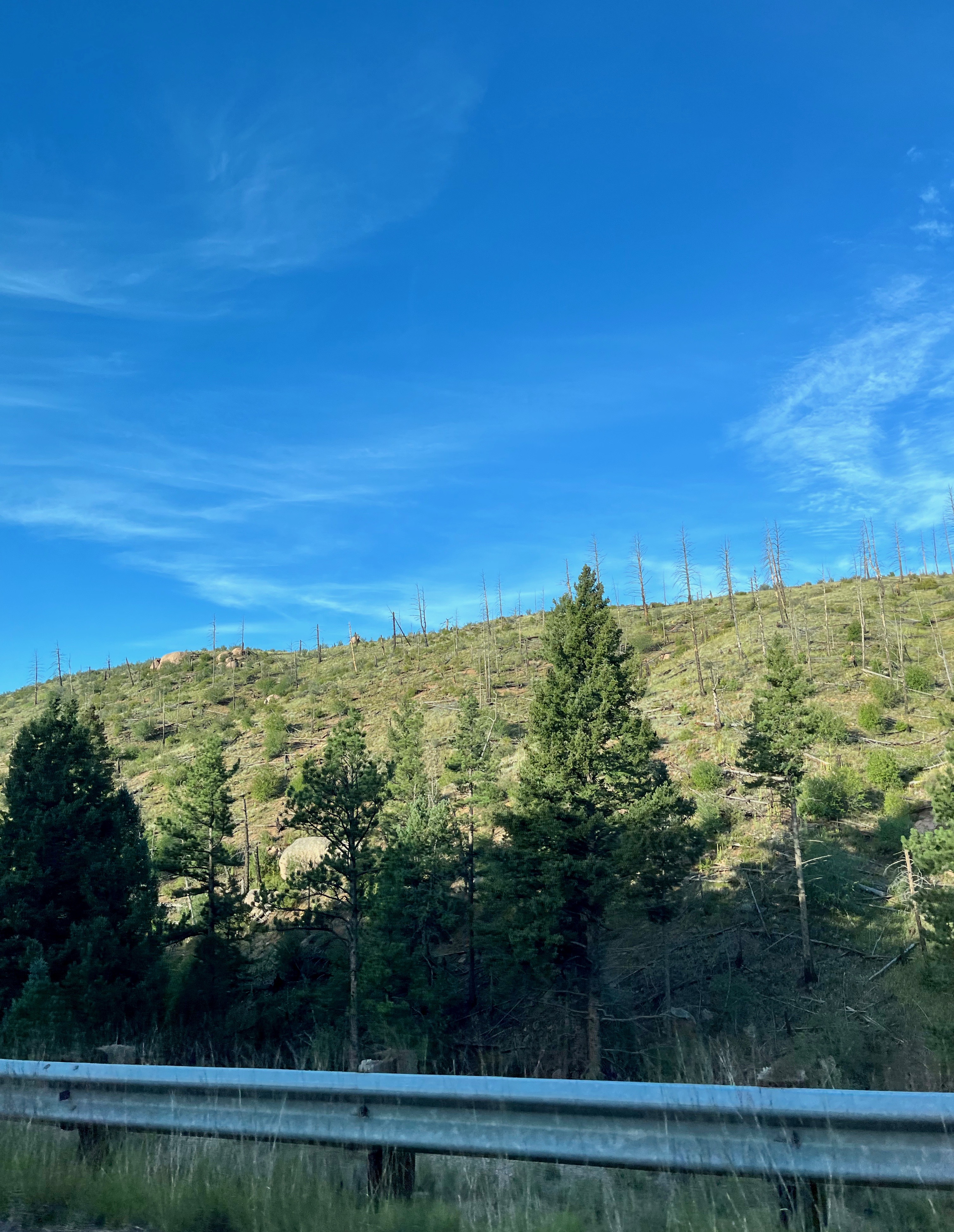
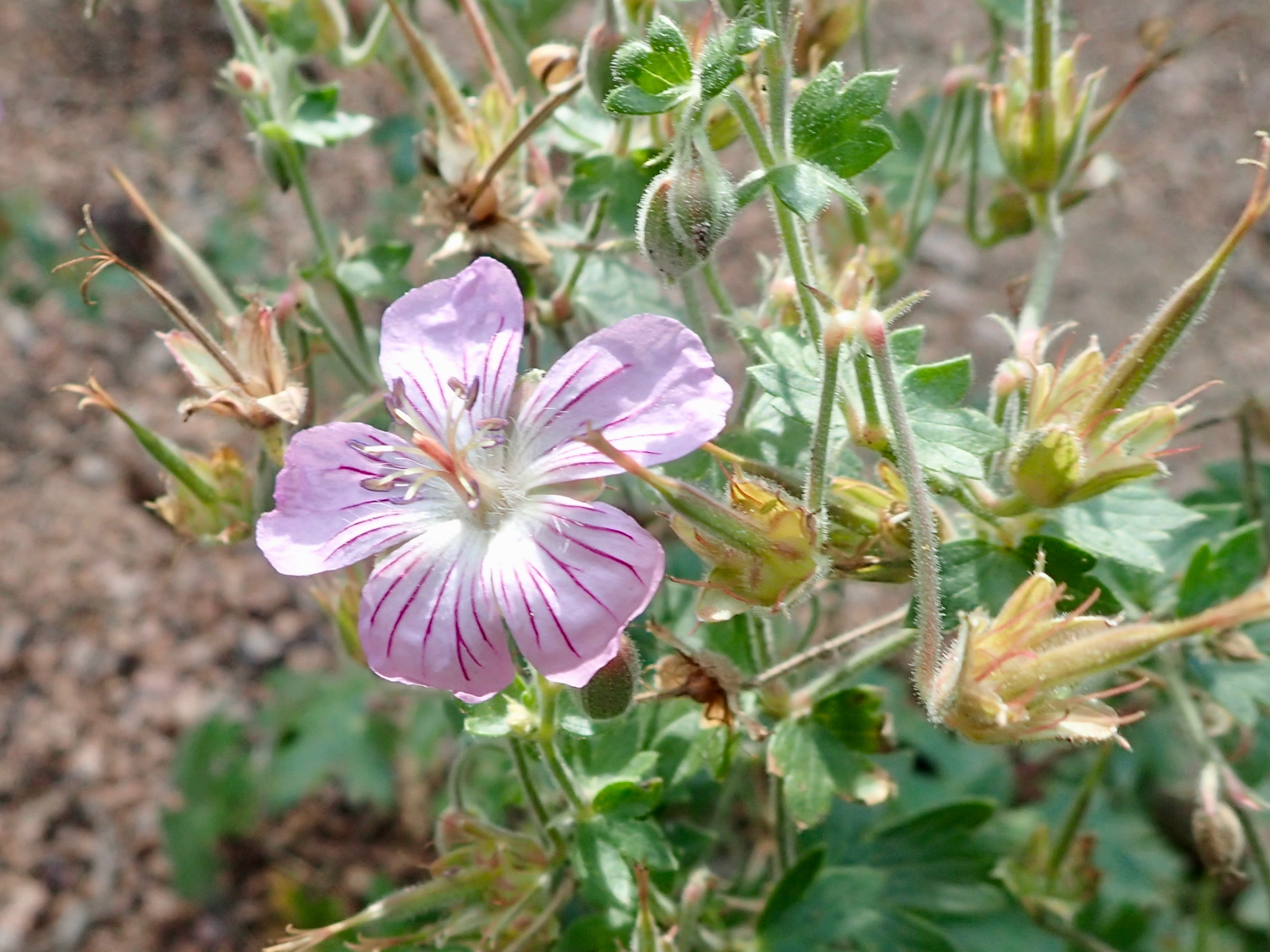
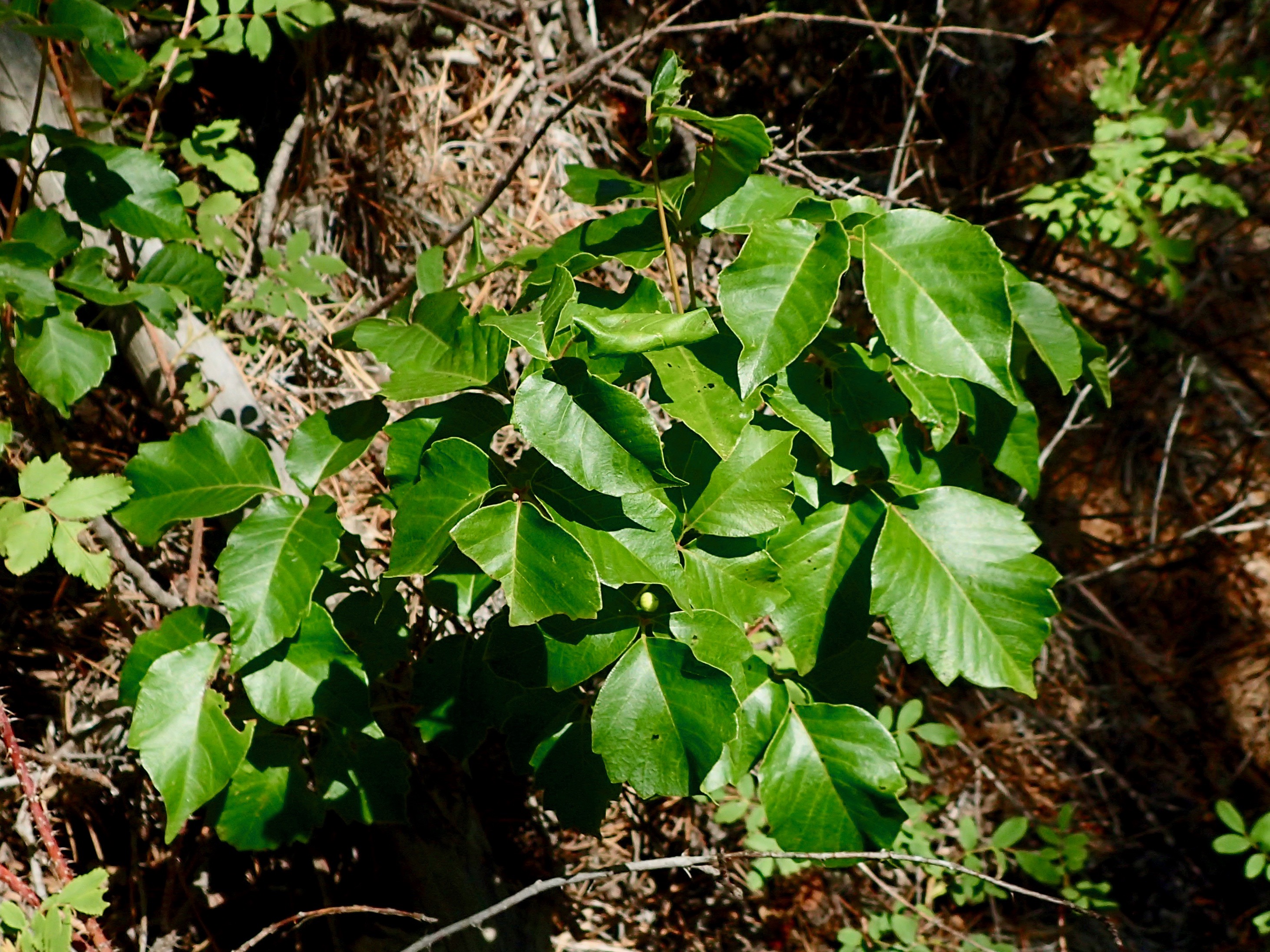
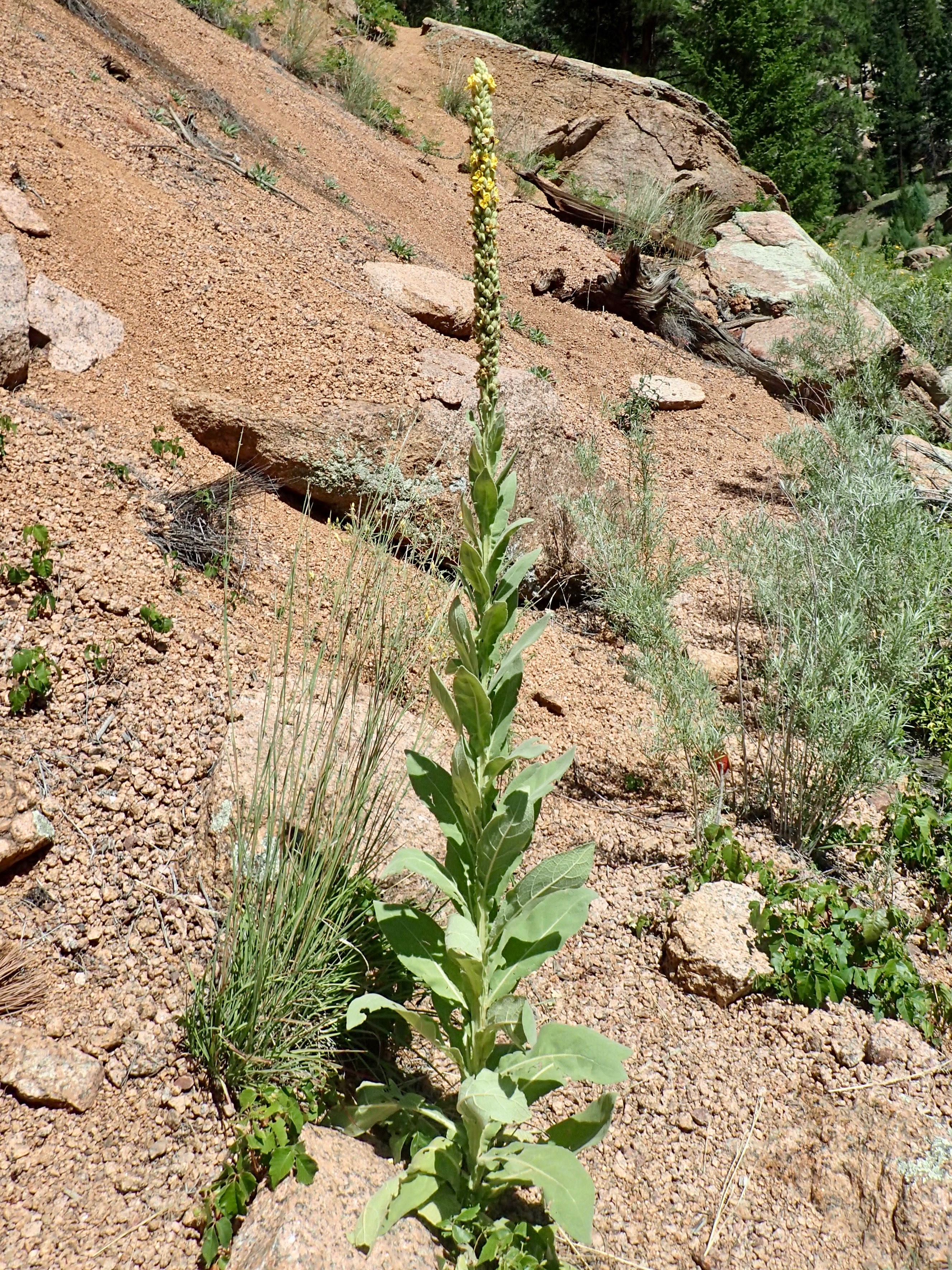
On the drive through Pike National Forest, there were long stretches of wildfire remnants. But you could also see the earth beginning the healing process. Nature finds a way, right? Much of the the drive was a twisting, turning route through the mountains. My wife made the comment that auto brake shops must do very well out here.The North Fork of the South Platte winds along Rt. 285. Much of it is pretty meadow water like this, but it also has some gnarly whitewater sections. I was told this section is mostly stocked fish, perhaps why I didn’t see anyone fishing it during our drives.That headline don’t lie! We didn’t gear up in the parking lot; we packed our waders, boots, gear, and food/water into the canyon. The first day we hiked in to Cow’s Crossing, which is a one mile one-way trek. The trail isn’t particularly steep, but it does have ups and downs and rocks and gravel that would very much like to trip you up. There are also some trailside ledges that, if you are inclined to suffer from vertigo, you should not look down! The walk in during the cool of the morning almost seemed fun. It’s the hoof out that gets you. Chris and I went way into the Canyon on the second day. It was an hour walk, one way, and the trip out had me taking frequent water and rest-my-weary-bones breaks.There are specific access points to the bottom of the canyon from the main trail, and this ain’t one of them. I took this shot from a mark we fished on the second day. That’s a long way up!Cheesman Canyon possesses a stark beauty, much of it consisting of dreary earth tones: rocks, gravel, truck-sized boulders, and dead vegetation melding into one giant sun-bleached brown-grey blandscape. But it’s also dotted with evergreens and grasses and lovely gems like this wildflower.And there’s poison ivy. Lots of it. “Irving,” as I affectionately call it, is everywhere. Irving was kind enough to hitch a ride home with me, evidenced by a quarter-sized conglomeration of blisters on my left forearm. It’s ridiculous how easily it finds me.We have this plant, mullein, in Connecticut. It’s colloquially known as cowboy (or indian) toilet paper. You can do whatever you like with any plant’s leaves, but I would advise against using Irving for this purpose.Stay tuned for part two of “Way Out West”: The South Platte River.










 currentseams.com