Bob Dylan sang, “I’ve never engaged in this kind of thing before,” and that’s kind of how I feel about becoming a first-time book author. Among the new experiences that have fallen out of writing the Fly Fishing Guide to the Farmington River, I can now count the bizzaro inquisitive fake-author spam-bot email.
It goes like this: I get an email from someone claiming to be a best-selling author, or the head of a book review group. If you look that person up, yeah, they’re real, and they are what the email says they are. But that’s where the “real” ends. Because the emails are clearly not being written by a human.
Warning signs abound, even at a casual glance. The most recent email came from an address belonging to one Sean Barrs, while the text claimed its writer was a Paul Fulcher. Gotta do better with cuts and paste, fellas. The email texts read like they were AI-generated; they’re full of flowery praise for my writing, and glowing synopses of my book, the latter sounding suspiciously like a bot scanned the text from the table of contents and the back cover to write it. To wit: “What also intrigued me was the range of people who endorsed the book. George Daniel, Tim Cammisa, and Pat Dorsey are not interchangeable voices in fly fishing—they come at the sport from guiding, from fly tying, and from very different waters—and each of them found something specific to praise: local knowledge, proven patterns and detailed access points, and the full span of matching the hatch, tactics, seasonal strategy, etiquette, conservation, and reading the river.” Yada, yada, yada, ditto, ditto, ditto, etc., etc., etc.
Now comes the weird part (yeah, it gets weirder). The sender asks all manner of intrusive, intimate questions about my writing process. Example: “I’m also curious about how you decided what belonged in the book. There is something quite revealing about placing seasonal strategies and fly selection alongside etiquette, conservation, and reading the river. Was that breadth a conscious attempt to write the guide you wished you’d had when you first started fishing the Farmington, or did it emerge more naturally from the questions other anglers have asked you over the years?” What is this crap? A fookin’ college admissions essay? You’re a total stranger and you want me to spill my guts to you? Yeah, I’ll get on that right away.
This last part might be the best. I respond to the sender, thanking them for their interest, then tell them that I don’t have the time to write long-form answers. But, if they are so curious, send me your phone number and I’ll call you to discuss. Or, I’ll send you mine. The response is always a variation on the the theme, “I can’t/I prefer to use email/as a writer I prefer written responses. There’s scientific word for that, I think. It’s called bullshit.
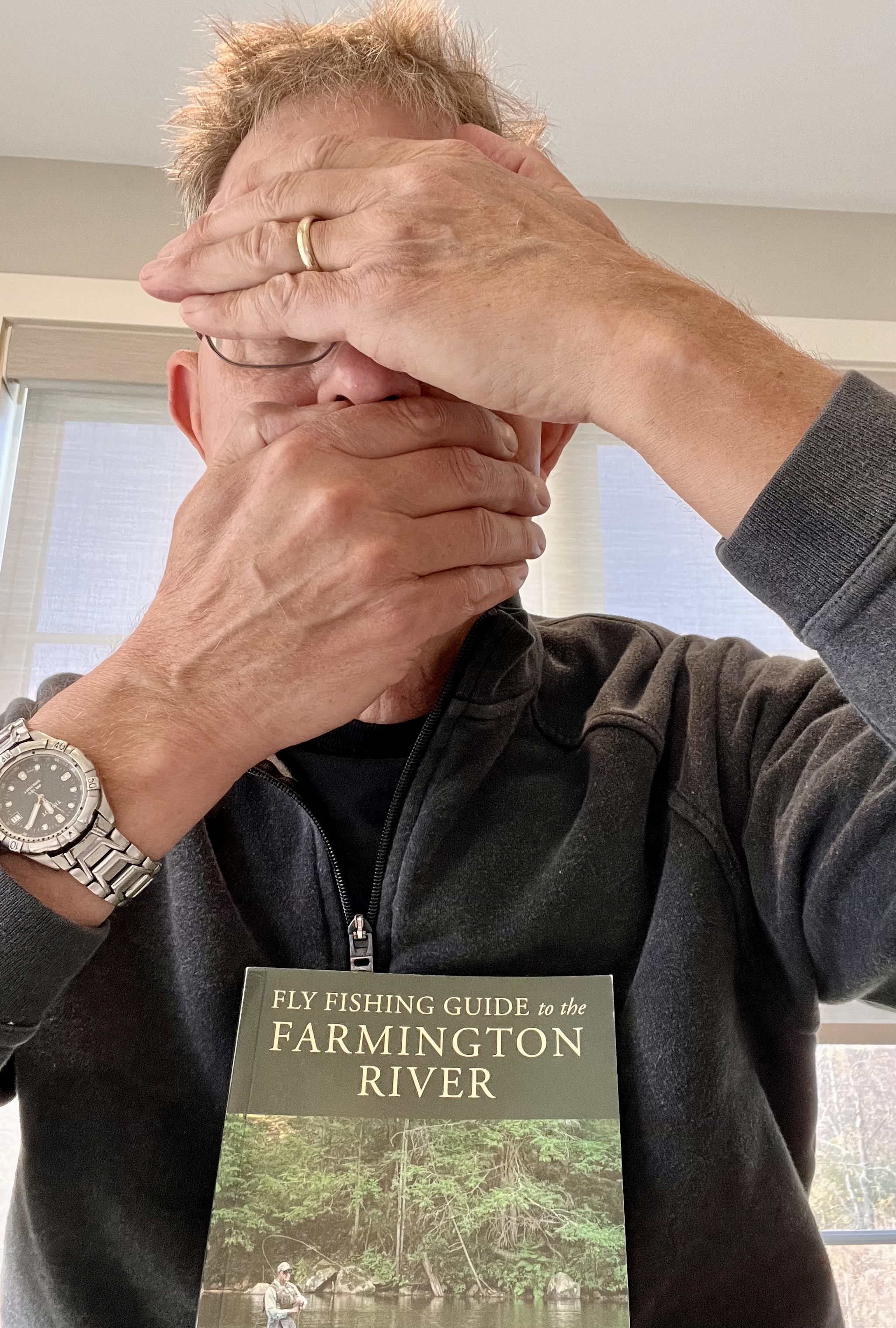
Which all leads to the burning questions of the day. Who’s behind this? What are they after? What do they want with the information? Is this some kind of dark Chinese author espionage? Is it life in the take-no-prisoners, cut-throat world of fly fishing publications? Or do I simply attract internet weirdos?
I don’t know. But in the meantime, I’ll just continue to send them down Highway 61.

