Farmington River report 5/30/14: Persistence pays off

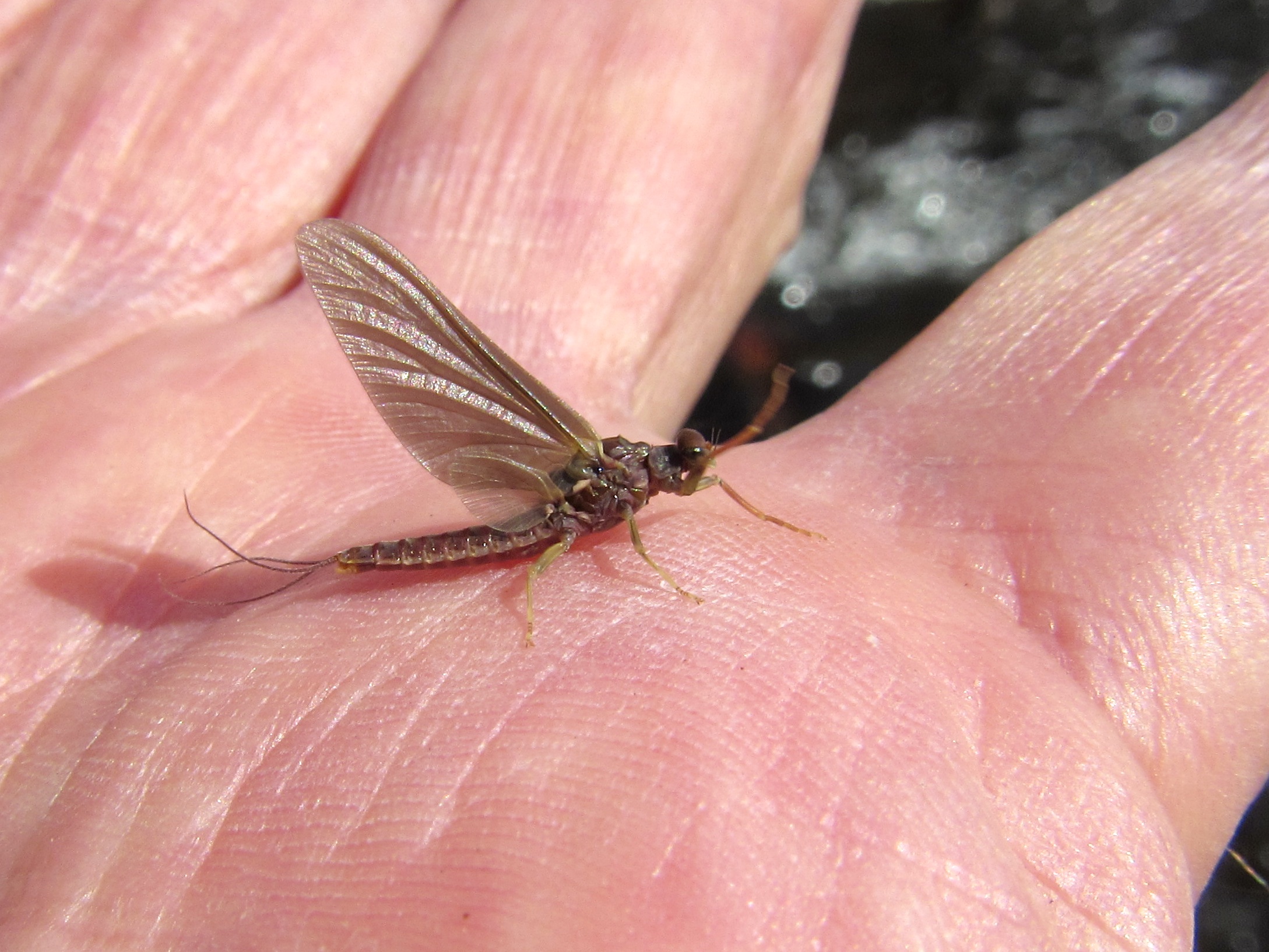
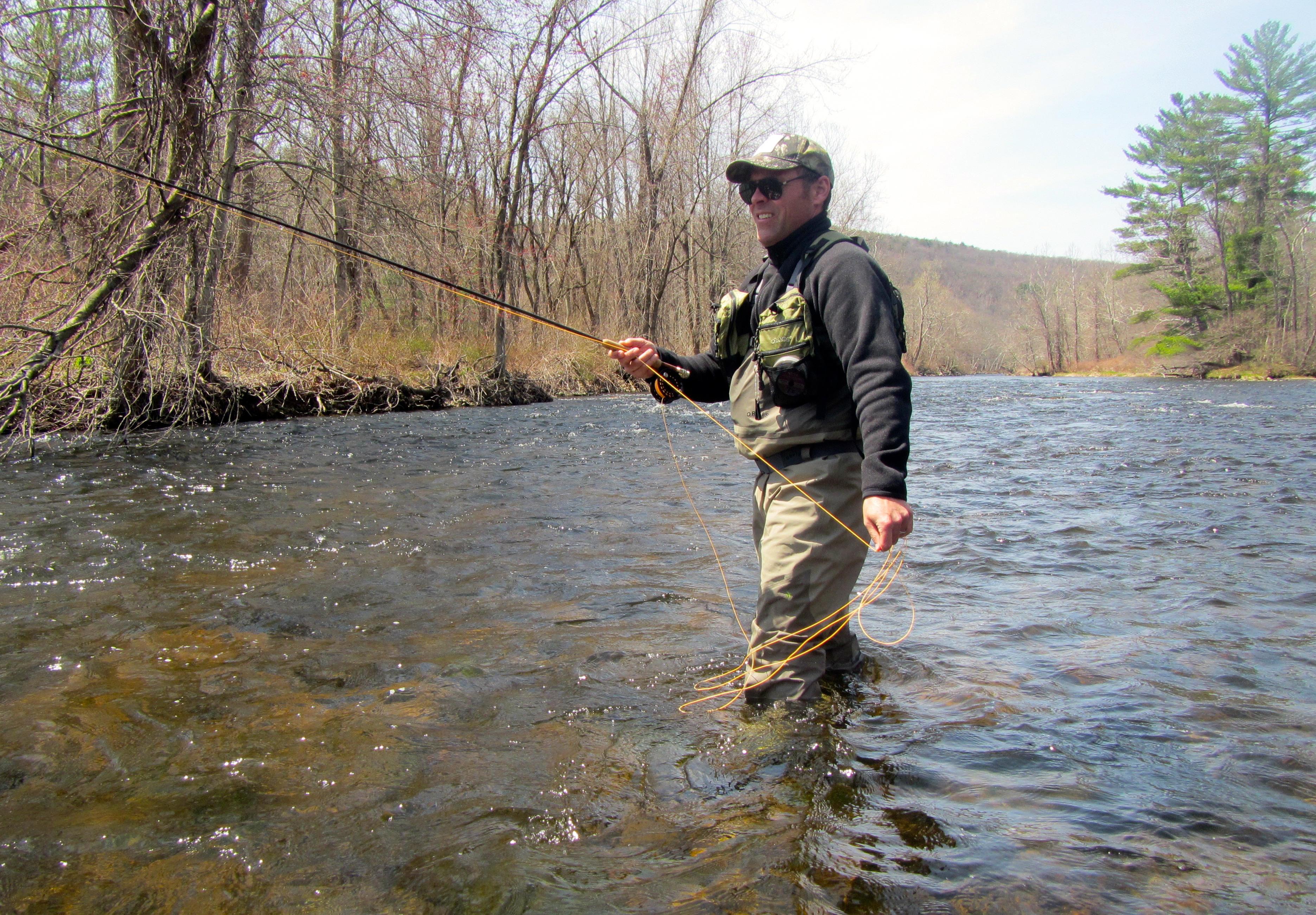
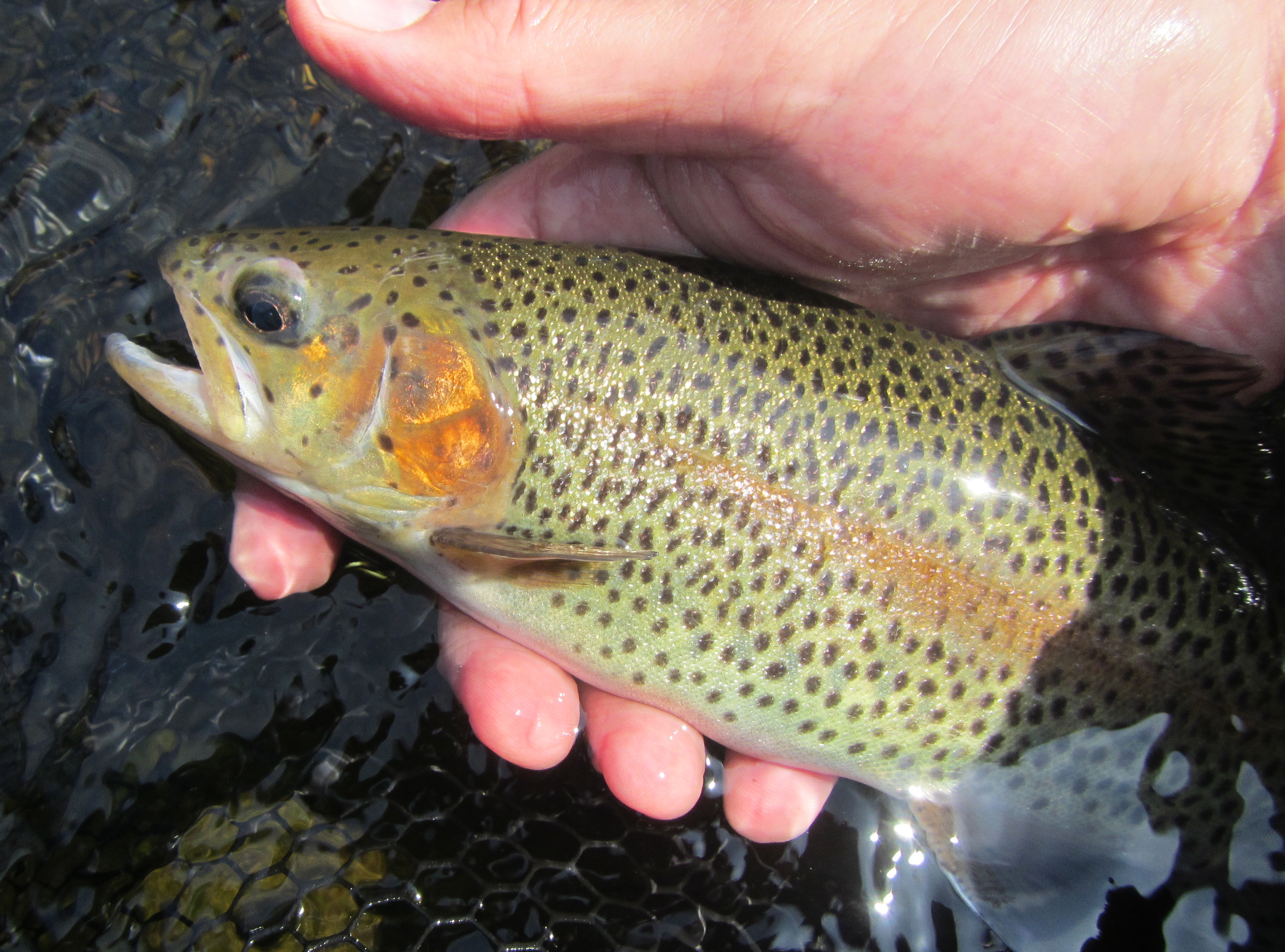
Despite two strong caddis hatches, yesterday was a slow day on the Farmington River for swinging wets. I guided Jerry and Steve, and both of them did a great job presenting their wares over likely holding water. We fished hard and long, but in the end, the trout just weren’t in the mood to play. On a positive note, both guys got into trout, and the weatherman totally kicked the forecast (“numerous rain showers/thunderstorms, heavy at times” — it was sunny most of the day, and we had only one five minute-long sprinkle). Water was running cold (about 50 degrees) and 482cfs in the upper TMA. In addition to the caddis, we saw some size 16 BWOs, charcoal and cream midges, and one big honkin’ stonefly.

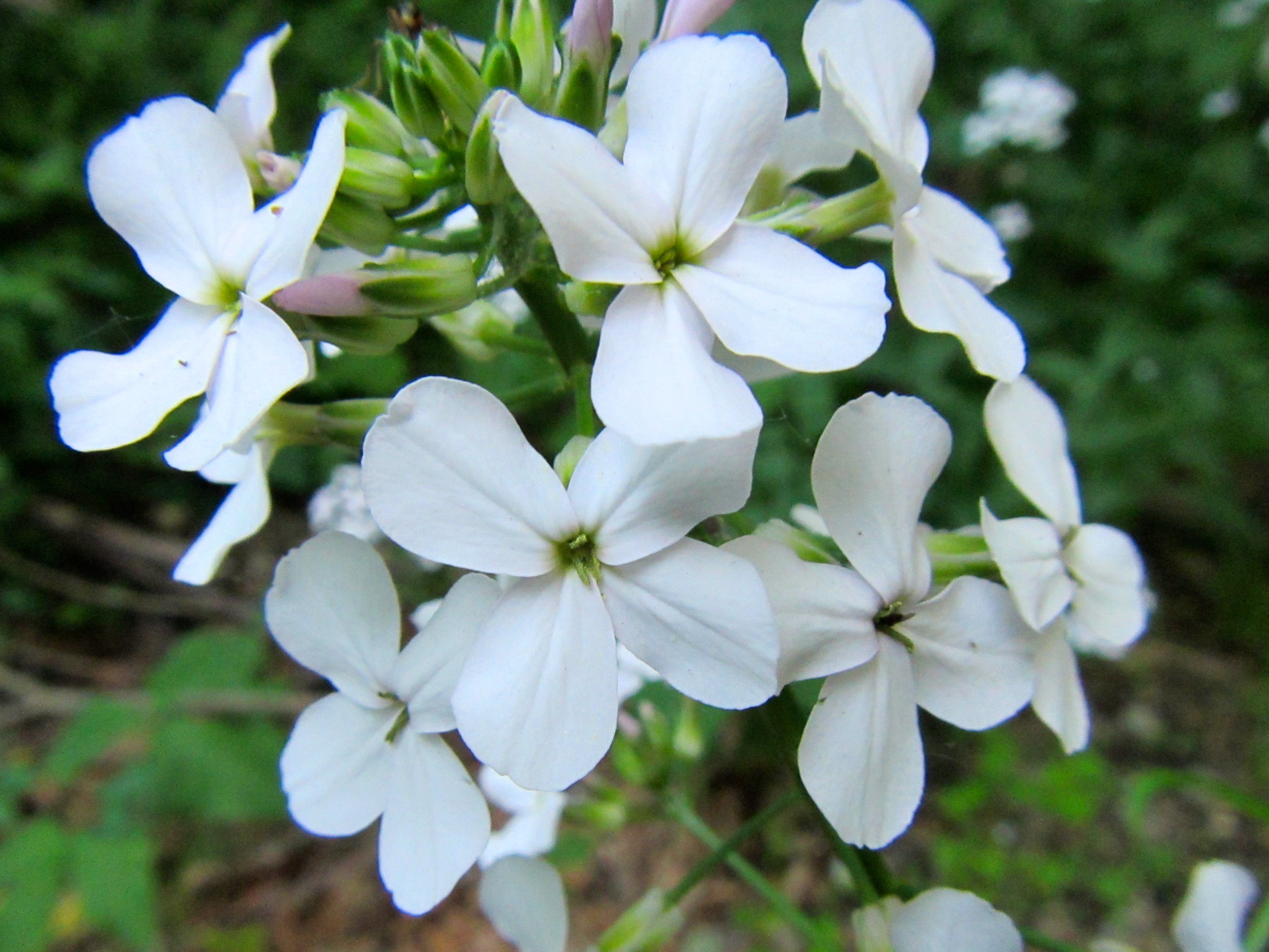
Stream-side meadow wildflowers, 11:30am

Image


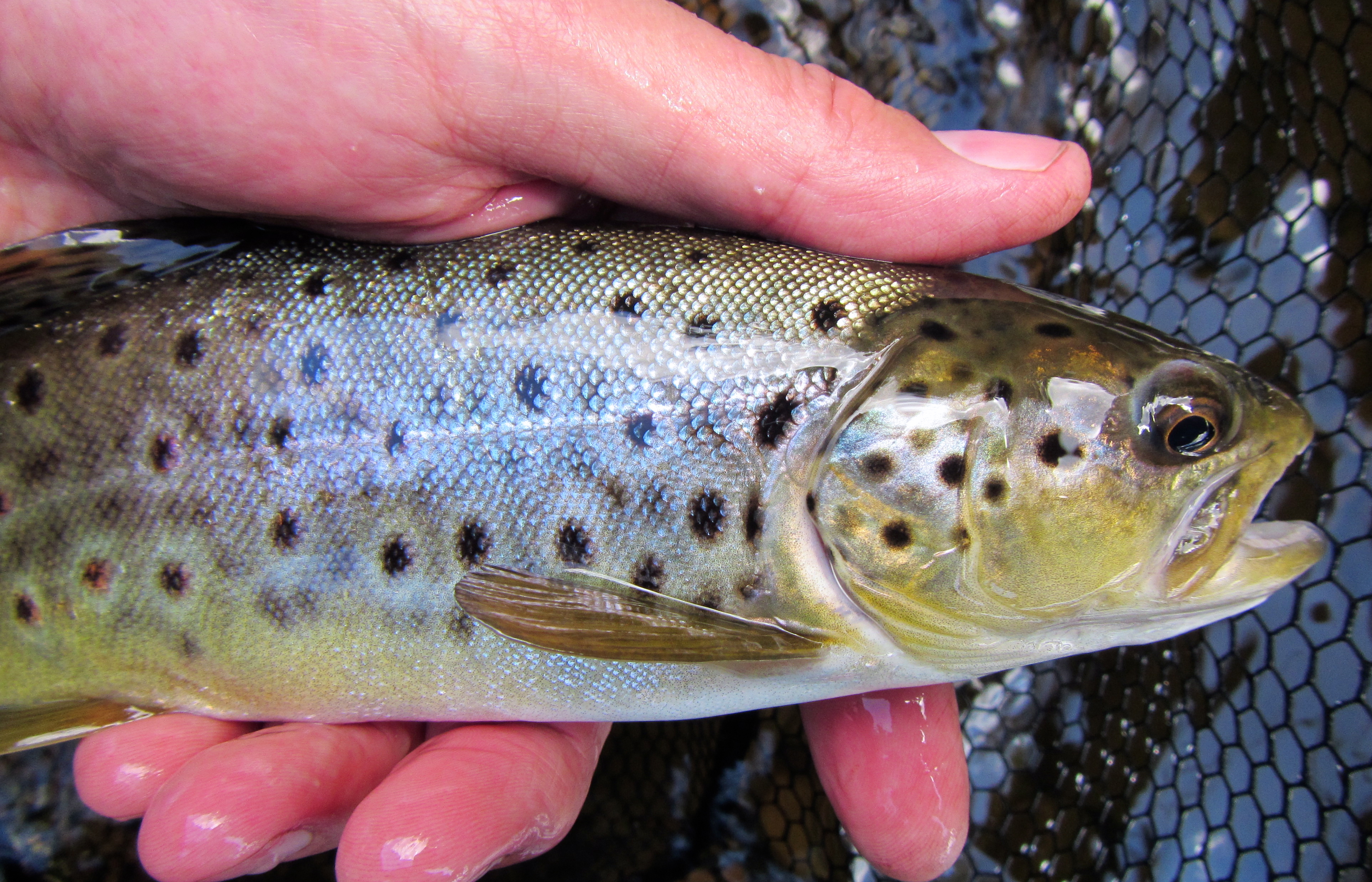
Late afternoon, we saw a trout rise in about two feet of water. Steve put some casts over him, and a few minutes later he was playing tug-of-war.

Image

Steve’s co-conspirator, a halo-spotted wild brown. He took a size 10 soft-hackled bead head Pheasant Tail.

Image

Tying flies in the noon day sun

So I pulled up to the pavilion at Mathies Grove around 9am and no one’s there. Except the lone sentinel in her sand chair who informed me that she was saving it for the softball players. Say what? I looked northward, and there was the Spey Clave in the field. I hadn’t planned on tying in the sun — I was wearing a long sleeve rugby shirt — but as the father of a Marine, I know that you adapt, overcome, and improvise. A few volunteers later, we were lugging a picnic table 150 yards across a field, and there I was, all set up and ready to tie.

Several thank yous are in order. Thanks to everyone who stopped by to chat, watch, and ask questions. The old faces were comforting, and the new ones a pleasure to meet. Thanks to Ben Bilello for tying such beautiful salmon flies. Thanks to Mother Nature for making the sun warm and the air cool. Thanks to Scott from the Compleat Angler for grilling up a storm (that burger hit the spot). And thanks to Fred and Jerry from Spey Casting North East for hosting me. (I’ll give them a from-the-heart — and head — plug: if you are interested in two-handed casting, you will not meet a nicer, welcoming, experienced team of instructors. Brilliant, both of them.)

Image


Swing shift

As the Farmington rages (again) at a million cfs, we fondly recall Thursday, when the flows in the upper TMA were a very wadeable 460, the water temperature was 50, and the anglers swinging wets were two.

I had the pleasure of instructing two old friends, Gary and Joe, in Wet Flies 101. I don’t use the “p” word as a throw-away adjective; both were strong casters and anglers and they made my job about as easy as it gets. We began the day under a gloomy overcast and dense fog banks. Hatch activity was nil. The fishing was only slightly better; Gary had the hot hand early, and since Joe was fishing well I couldn’t figure out why he wasn’t having more action other than being, as they say in soccer, unlucky.

Gary hooks up on the swing.

Image


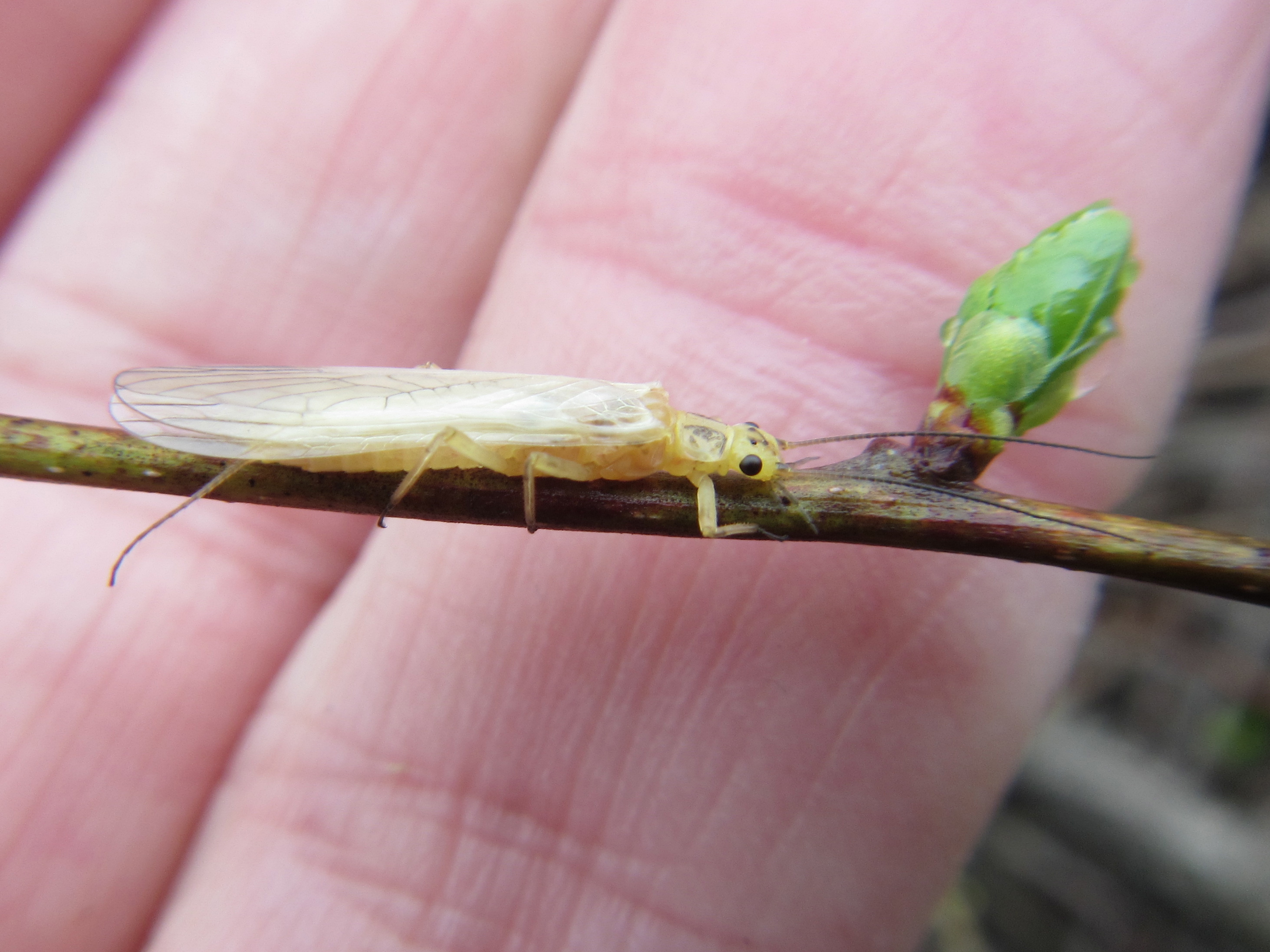
Hello, my little yellow friend.


Image


After a steady late morning rain, we agreed we had beaten the water to pieces, and decided to head upriver. Run A proved unproductive. I hemmed and hawed about where to go next; every once in a while I get lucky, and off we went to Run B. Ding-ding-ding! That was the dinner bell ringing for a good 2:30pm showing of BWOs. Once the hatch started, so did the bite. Gary got into some active feeders, then suddenly Joe was on fire, hooking up multiple times.

We often wish each other well with, “tight lines.” Joe turns our fondest hopes into reality.

Image


The fish, a beautiful Survivor Strain brown, bathed in reflected light and liquid elements.

Image


After Gary and Joe’s session ended, I decided I deserved a little wet fly time. The run I wanted to fish was occupied, so I made a few unproductive casts at its head before venturing a few hundred yards upriver. WHACK! on the dangle below me, a substantial rainbow that strenuously objected to being brought to net. A few more customers, then one last brown on the mended swing, netted as the smoke from my El Rey del Mundo curled upward into the windless sky.

A good way to end the day. Some intriguing marking on this fish, from haloed orange dots to married black splotches.

Image

The hatch awards

I had the pleasure of guiding Don and Dave on Monday. Like a lot of people I take out, they were interested in my Wet Flies 101 course. As with last Friday, the day claimed two-out-of-three positive ingredients: lovely weather (blazing, brilliant sunshine), significant hatch activity (caddis, midges, stones, mayflies) — but sadly, not much going on feeding-wise. The guys made the best of it with good spirits and an enthusiasm for learning. Don focused mainly on near-surface presentations like the mended swing, and Dave plumbed the depths with short-line dead drifts. Both methods were right today, as both caught trout. Well done, gentlemen. You are both well on your way to having some terrific days. Water temperature was 44 degrees in the upper TMA. That’s cold for this late in April. We had to get out and warm up every so often.

Man working: Don making some upstream mends, watching his drift like a hawk. Rats! I forgot to get a picture of Dave. My bad.

Image


They’ll stone you when you’re trying to be so good.

Image

After we wrapped up, I ventured downstream to see if the H-word was out. Yes, in decent numbers. But due to high, cold water, predators were few and far between. Still managed my first trout of the year on Hendrickson wet, dapping it over a feeding fish. Ker-pow!

Hello, my three-tailed friend. I missed you.

Image

And, we’re underway

Kicked off my 2014 guiding season yesterday with Matt. Matt wanted to take my Wet Flies 101 half-day course, and we headed to the upper TMA in search of feeding fish. Two-thirds of nature cooperated; an absolutely glorious late April sunshine, and a snow flurries-like caddis hatch (with a few Quill-something mayflies and mounds of midges for good measure). Unfortunately, the third that really counts was in absentia. Not a damn riser anywhere. Nothing for the nymphers, and even the spin guy only managed one on his Rooster Tail. Off to below the upper TMA, where Matt rousted up a nice brown on a bead head soft-hackle Pheasant Tail. Speaking of Matt, it was gratifying to see how much he improved over the course of just a few hours. So often, you get out of something only what you put in, and he worked hard on his mending and wet fly presentations. By the end of the day, quality drifts were the rule rather than the exception. Well done, Matt!

Matt executing a mended swing, focused, intent, and best of all having fun.

Image


After our session ended, we headed downstream where we found some fish willing to jump on. I also saw the first Hendricksons of the year, although two doesn’t make me do handsprings — and there was nothing rising to them. Not to be a wet blanket, but my enthusiasm is also tempered by the fact that we’re in for some cold, wet weather over the next few days. But come, they will.

An intriguingly marked rainbow that took my BHSHPT. Love the colors on the gill plate. Landed a nice wild brown as well, and LDRed a third. A fun way to end the day.

Image


Thank you, CT/RI Coastal Fly Fishers

Last night I concluded a busy winter and spring presentation schedule with “Wet Flies 101” at the CT/RI Coastal Fly Fishers. Nice people and — bonus! — pizza are the friends of any speaker. Thanks for helping me set up, thanks for the spirited Q&A, and thanks to the gentleman (a thousands apologies, I forgot your name) who gave me the articulated streamer. Hope to see you again soon.

 A RI coastal scene from a couple summers back, taken a few hours before fly fishing commenced.

Image


Many thanks to the TU Naugatuck Pomperaug Chapter for hosting “Wet Flies 101”

I learned two things tonight. One, it’s hard to find pizza by the slice in Naugatuck. And two, the guys of TU Chapter 281 are perfectly willing to share a couple slices of their own.

A fed guest speaker is a happy guest speaker, and thus fortified I presented “Wet Flies 101.” Another receptive, friendly group, armed with lots of good questions. I am truly fortunate to be able to do what I do. Thanks again!

Image

In other news, I have some more videos in the works, and a currentseams exclusive interview with striper legend Ken Abrames. Stay tuned.


The Hackled March Brown Spider

“March Brown” is a name you see attached to a lot of different wet fly patterns. Some of them are caddis; others, mayflies. This spider is intended to represent the latter. I discovered it on page 116 of Sylvester Nemes’ Two Centuries of Soft-Hackled Flies. It was originally published in 1936 in an English book, Trout Fishing From All Angles.

The Farmington River is not known for its March Browns; while we do experience that hatch, it’s not on the level of, say, Hendricksons or Sulphurs. But we do have a good showing of Isonychia, and I have taken to fishing the Hackled March Brown spider in the late summer to represent those substantial mayflies.

Last August, I was fishing a snotty run that was studded with boulders and pockets. There wasn’t much going on hatch-wise, and I had the Hackled March Brown spider as the point fly on my team of three wets. The hit was one of unrestrained violence and brutality, such that it ripped the line from my hands. The trout went immediately on the reel; I never saw it until I was able to coax it into the shallows. Over twenty inches long, it was my biggest trout of 2013.

Image

Hook: Wet fly, size 12
Silk: Orange Pearsall’s Gossamer
Tail: Grey partridge fibers
Body: Hareline Dubbin Rust (HD23)
Hackle: Brown partidge

 Tying notes: A straightforward, simple fly to tie. The original calls for a body of “hare’s ear dyed red ant colour.” I have settled on “rust,” and the trout seem OK with it. You could make the body a little buggier than I have here, but I like this fly with a thin profile. There are a multitude of brown feathers on a standard partridge skin; they’re located along the back of the bird.

The Hackled March Brown Rogues’ Gallery:

Image

“Wet Flies 101” April 2, April 15, and HAN radio appearance

We’re really making the rounds here on currentseams. I have two more appearances scheduled for April; both of them are “Wet Flies 101.”

On Wednesday, April, 2, I will be at the Trout Unlimited Naugatuck Pomperaug Chapter meeting in Naugatuck, CT. The meeting starts at 7pm, and you can get directions at tunaugpomp.org.

On Tuesday, April 15, I will be at the Trout Unlimited Thames Valley Chapter meeting in Bozrah, CT. The meeting starts at 6:45pm, and you can get directions at thamesvalleytu.org.

I also did my first radio interview today for John Kovach’s Yankee Fisherman show on HAN radio. The subject was wet flies, and I’ll post a link to the show when they put it up.

Image

Tying the Greensleeves North-Country Spider

Most North-Country spiders are very simple ties. T.E. Pritt’s Greensleeves is no exception. You wrap some tying silk around the hook shank, wind on a soft woodcock shoulder feather, then whip finish. Greensleeves is a highly effective green caddis pattern; I usually tie it in a 14 or 16.