Farmington River report 5/30/14: Persistence pays off

Despite two strong caddis hatches, yesterday was a slow day on the Farmington River for swinging wets. I guided Jerry and Steve, and both of them did a great job presenting their wares over likely holding water. We fished hard and long, but in the end, the trout just weren’t in the mood to play. On a positive note, both guys got into trout, and the weatherman totally kicked the forecast (“numerous rain showers/thunderstorms, heavy at times” — it was sunny most of the day, and we had only one five minute-long sprinkle). Water was running cold (about 50 degrees) and 482cfs in the upper TMA. In addition to the caddis, we saw some size 16 BWOs, charcoal and cream midges, and one big honkin’ stonefly.

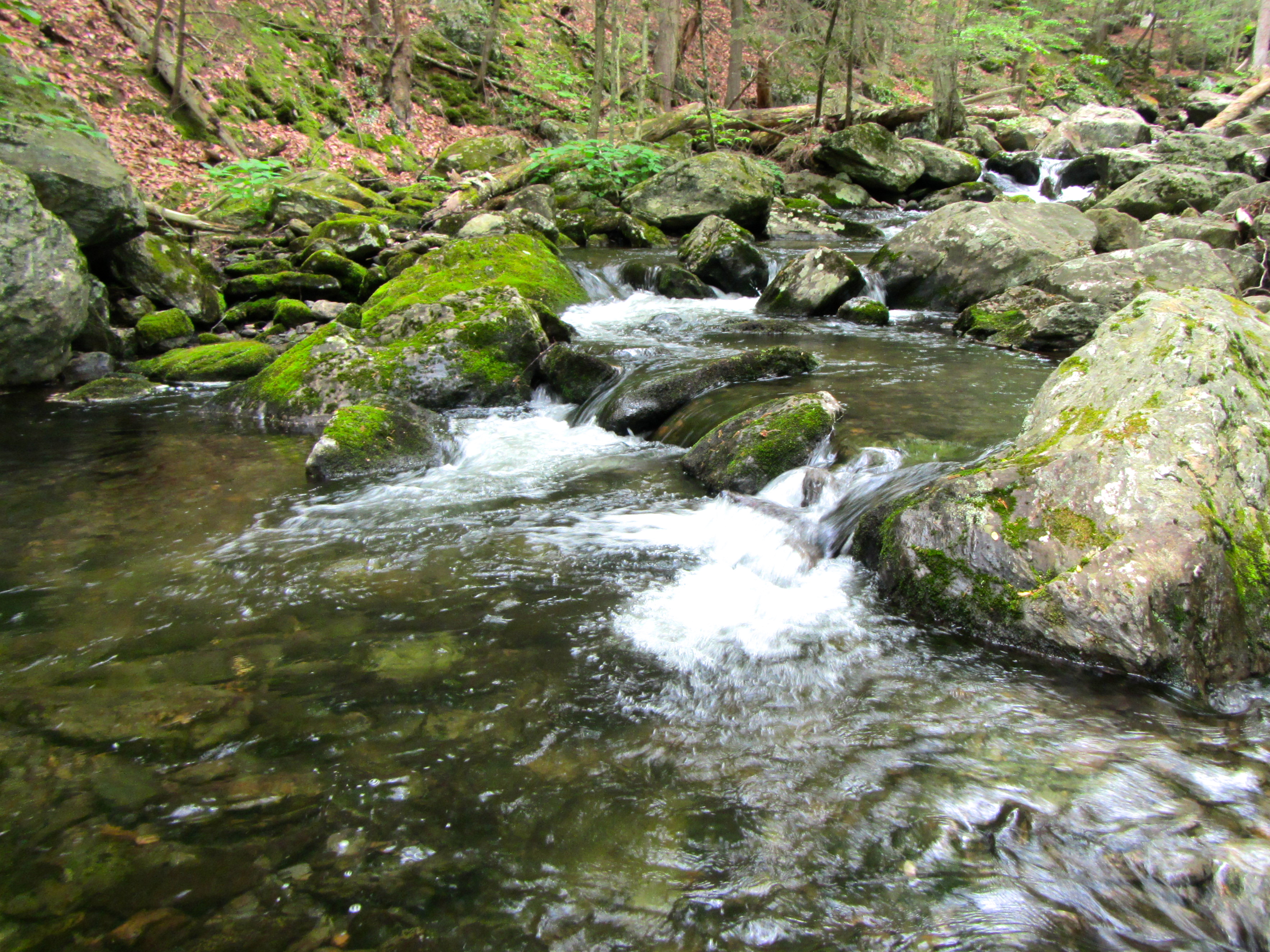
Stream-side meadow wildflowers, 11:30am

Image


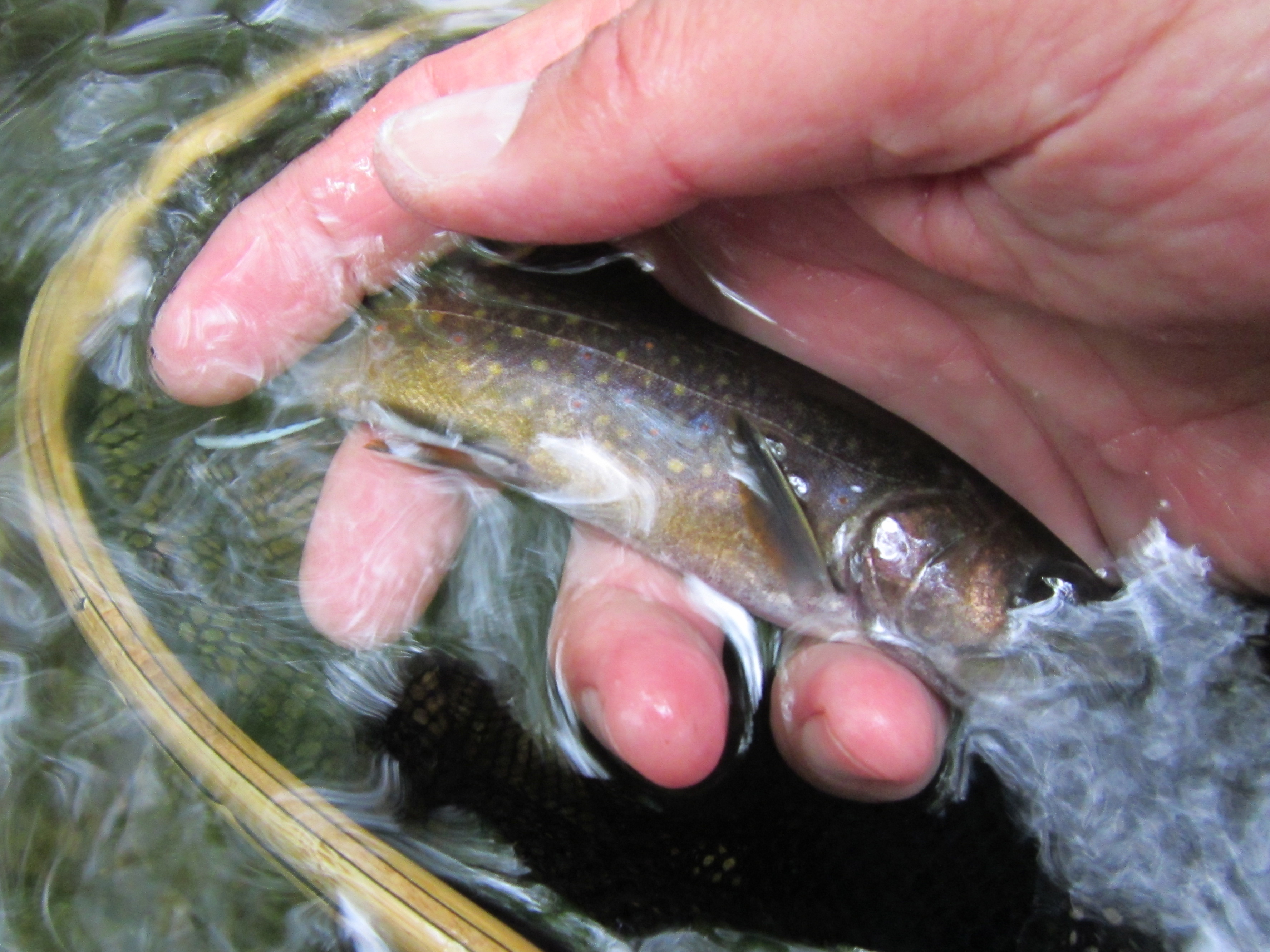
Late afternoon, we saw a trout rise in about two feet of water. Steve put some casts over him, and a few minutes later he was playing tug-of-war.

Image

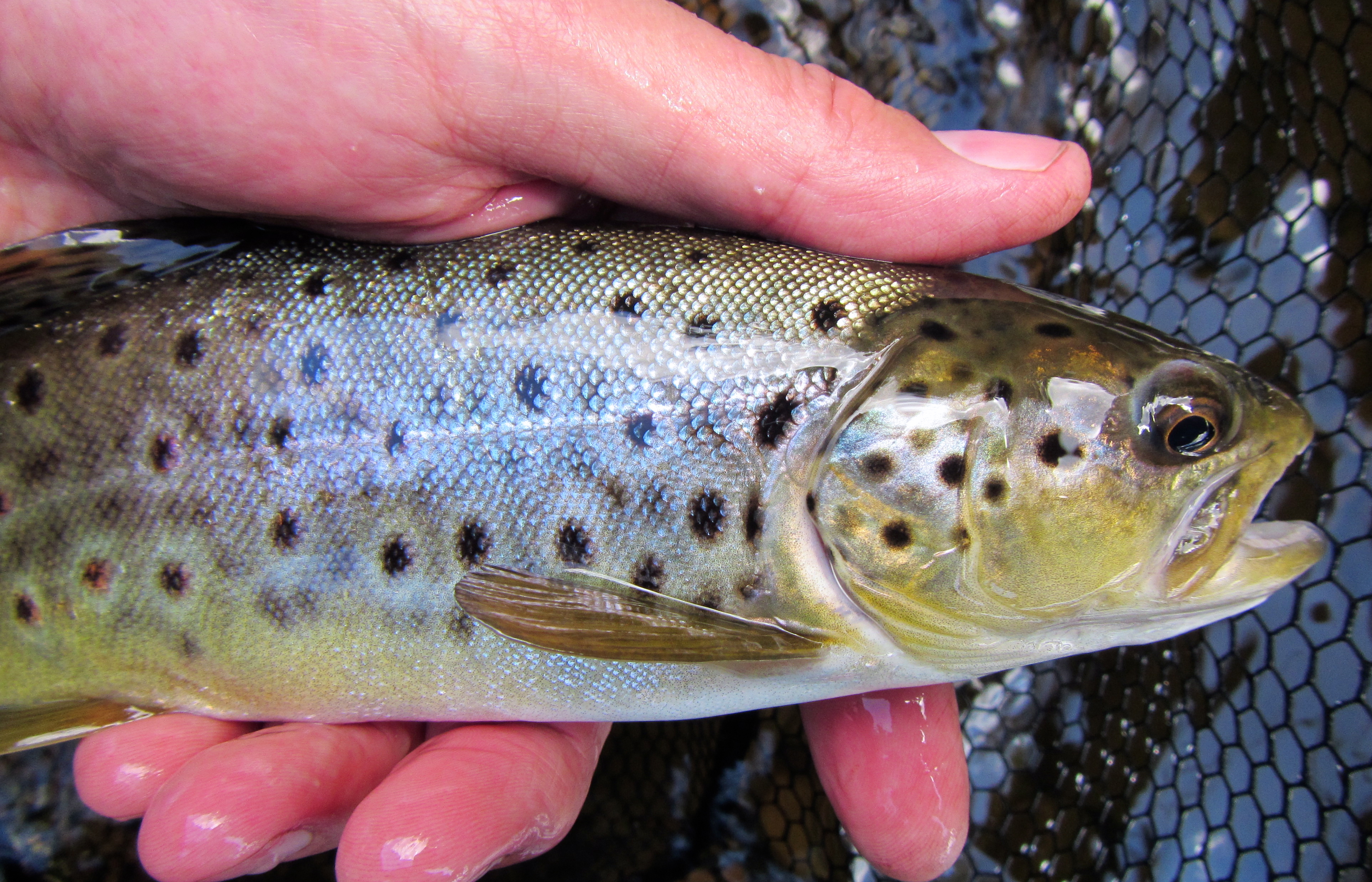
Steve’s co-conspirator, a halo-spotted wild brown. He took a size 10 soft-hackled bead head Pheasant Tail.

Image

Farmington River under attack — again. Save Satan’s Kingdom!

Last year it was the jolly old yo-ho-ho University of Connecticut that wanted to divert millions of gallons of water from the reservoir.

Now, it’s a planned industrial park on the banks of the Farmington in the Satan’s Kingdom area. Here’s what I know: the proposed property borders a 2000-foot stretch of the river in Satan’s Kingdom Gorge. Even though the area holds a Wild and Scenic designation, the required setback is only 100 feet.

Image

How can you help?

1) Go to the New Hartford Zoning Commission meeting at the New Hartford Town Hall on Wednesday, May 28, 7:00pm and tell them we don’t need no steenking industrial park.

2) Like this group on Facebook: https://www.facebook.com/savesatanskingdom

We kicked UConn’s butt last year. We can do the same with this threat. Grassroots activism works!

Sunrise on a misty summer morning in the gorge. Do I really need to see an industrial park peeking through the trees?

Image

A kilo of salmon, please

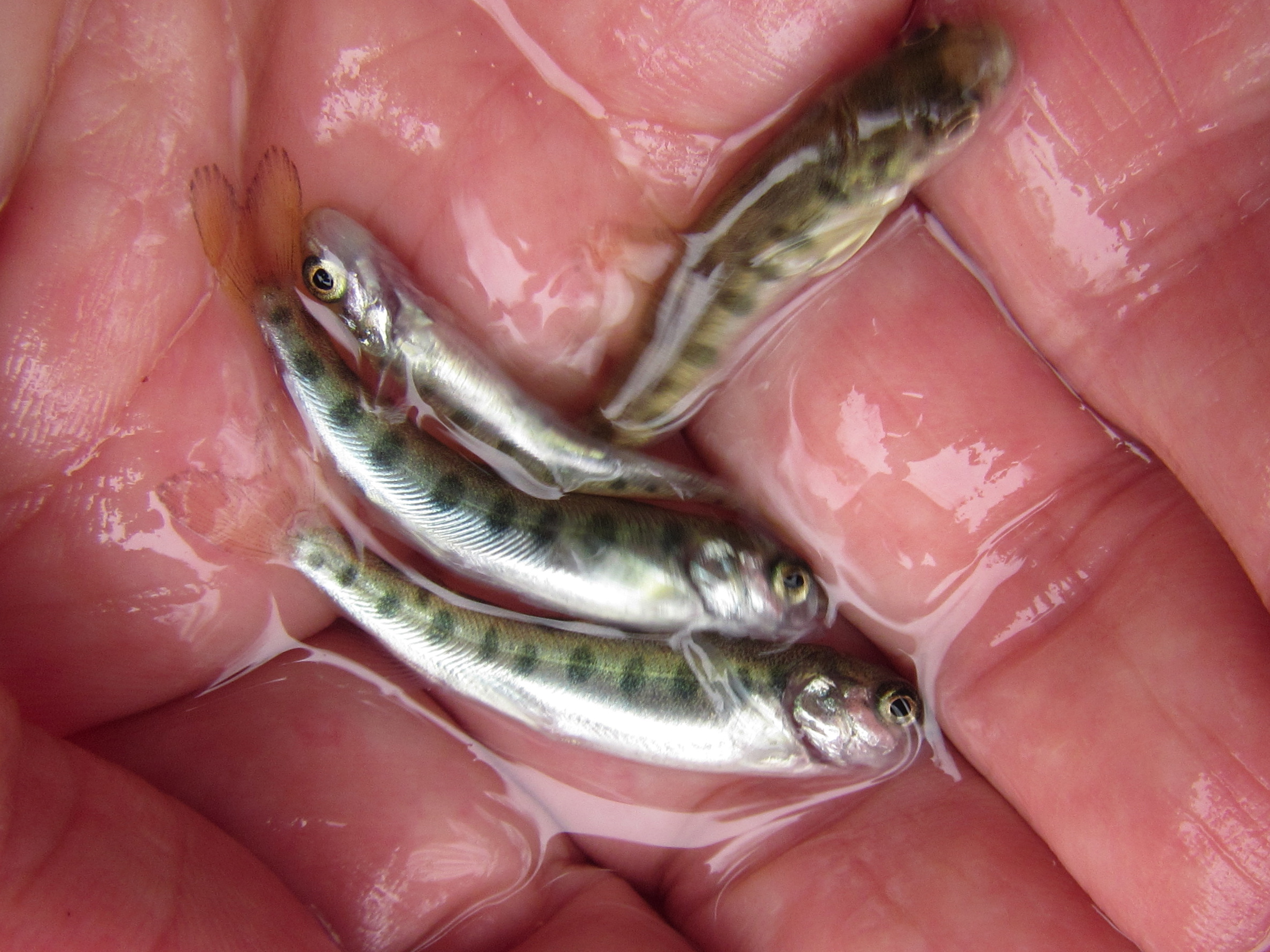
Last week, I was guiding two clients on the upper TMA of the Farmington River when the bucket brigade swooped in. Not meat farmers — at least not in the harvesting sense — but rather, sowers. Their crop: Atlantic salmon fry. Love them (food for big browns) or hate them (annoying beasts that nip at your fly ad nauseum), Atlantic Salmon have been a part of the Farmington River watershed for years.

 Never-ending ringed walls and two alien beings peering in from above. Soon you’ll be free! Each bucket holds one kilo of fry.

Image


A closer look at the biomass. Will they lead prosperous lives and make it out to the sound? Or will they become so many croquettes for Mr. Lunker Brown?

Image

The wicked witch of the east

The old saw goes, “Wind from the east, catch fish the least.” But ever since I fished my first easterly, I’ve had a hard-on for them. Especially the ones that always seem to roar through this time of year. Not only do they they keep the meatballs away, I also find the fishing is often surprisingly good.

Yesterday was overcast with an unrelenting easterly blow of 20-30mph. This was comic book casting wind. Into its teeth would have been impossible with a thick floating line. With the wind behind me, back casts were an exercise in do-your-best, and my strategy was basically to loft the line into the banshee and let her deliver the goods.

Seinfeld had the puffy shirt. I had to settle for the puffy rain jacket, billowing Gore-Tex courtesy of the bitch of April.

Image

About ten casts in I took my first striper. Then, save for a couple follows, nothing for an hour. That’s an eternity in these conditions: strong moon tide current in an exposed estuary. Windblown water pouring in from the ocean over a sand bar, colored that odd yellow-grey/sea green you get with an easterly. Frosty whitecaps and chop, and some perilous looking rips. Seaweed and organic  flotsam everywhere. Forty-eight degree air temperature, but with the wind chill off the ocean, I could barely feel my fingertips. Windblown rain showers that felt like BBs against my jacket.

Even though it was the middle of the afternoon, I was certain there were fish around. Yet I wasn’t getting any action on my smaller (3.5″) soft-hackle. I thought that maybe it was getting lost in the maelstrom. Let’s break this down. The one hookup I had was at the surface. Perhaps something bigger and easier to see might work? The best solution I had in my box was a 7″ long, all black deer hair head fly. On it went. And on they went. I lost count of how many stripers I caught in the next half-hour. It wasn’t a fish on every cast, but it was a follow, a nip, or a hookup on every cast. Tremendously exciting to see the takes right near the surface amidst the storm surge. The spray from the hit would sail into the air, get captured by the wind, and shower the surface with a liquid blast radius.

In the end, it was as simple as this: In rough water, make it easier for the fish to find your fly.

A few minutes with Ken Abrames (a currentseams exclusive)

The striper grandmaster talks about Tuesday Nights, the rhythms of earth and ocean, and love.

Ken Abrames is one of the most revered names in saltwater fly fishing. He is the creator of the modern flatwing streamer, presentation-style flies that can imitate everything from clamworms to menhaden. His books Striper Moon and A Perfect Fish belong on the shelves of anyone who is an aficionado of traditional New England striped bass fly tying and fishing methods. Besides being a world-class angler, Ken is also a rod designer, author, poet, and artist.

For me, though, the coolest thing about Ken isn’t that he’s supremely talented on so many levels, or his mystical insights into the natural order. It’s that you can go to Rhode Island on Tuesday nights and meet him. Talk to him. And fish. There’s no club, no membership dues, no fee, no appointment. You just check out the forum on his website to see where the group is meeting, show up and have fun. Tuesday Nights in 2014 start next week, April 22, in Matunuck, on the beach to the west of Carpenter’s Bar.

When Ken talks, you tend to listen. Tuesday Night, Quonny Breachway, September 2012.

Image

Currentseams: How long have you been doing Tuesday Nights?

Ken: Since 1984.


Currentseams: What made you decide to start them?

Ken: Around that time, I met a fellow named Armand Courchaine, and we started to fish together. We got the idea of starting Rhody Flyrodders back up again. Bang! The club started to grow – in less than a year we had over 100 members. One Saturday, I put together a fishing gathering in Newport. A bunch of people came, but I wasn’t satisfied. I began to ponder and imagine, what night of the week is most available to most people? I came up with Tuesday, because it’s a good, neutral night.


Currentseams: What was the fishing like in those days?

Ken: From the time I was a boy, to around 1984, shore fishing in Rhode Island had really fallen into a sad state. People didn’t know the places anymore. Very few people were walking the beaches. There were a lot of famous spots in Rhode Island that people didn’t know how to get to. But I knew the places, so Tuesday Night was a way to show people where to fish, and how to fish them, so they would have the wherewithal to go out on their own. Rights-of-ways had fallen into disrepair, and some of them had been encroached upon by landowners. So I had people going around and cleaning up these right-of-ways. And they weren’t just fishermen. All kinds of folks came. Everything we did was like seed to enhance access and fishing. People warmed right up to it.


Currentseams: People who don’t know about Tuesday Nights often ask, “Can anyone come?” And of course, the answer is yes.

Ken: Yeah, there is no membership, and there is no hierarchy.


Currentseams: And people want to know if it costs anything, and the answer is no.

Ken: No, of course not. Fact is, you probably end up going home with more than you came with.


Currentseams: How do you decide where to go?

Ken: I close my eyes…and feel. I don’t use any kind of science. Always go to inner silence when you need an answer. Then you’ll know.


Currentseams: What are your thoughts on the weather we’ve had this winter? It’s been pretty cold…

Ken: When I was a boy I used to always go ice skating on Thanksgiving. So tell me about how cold it is. Things have changed. I see different birds up here now that I never used to see.


Currentseams: Do you think things will be late this year?

Ken: When was the moon in relation to the equinox?


Currentseams: New moon is Sunday, March 30th.

Ken: It’s kind of like the first flower of spring. The first flower of spring comes before the second flower. That’s the order. So the first thing that shows up will tell you what the order of the year will be.


Currentseams: I keep track of things in my garden…

Ken: Yes, that’s right, that’s exactly what you were supposed to say. Is the skunk cabbage out yet?


Currentseams: Not here. I looked at my records, and in 2011 I had crocuses blooming on March 5. I don’t have any flowers yet (March 28).

Ken: So, there’s your answer. Everything happens in order. The ocean is the same as the land. So, you look for the first thing that shows up. And that will tell you what the second thing is going to be. You have to feel. It’s like dancing with a beautiful woman. You can’t do it out of the pages of a book. You have to just hold her, and move with the music. It’s the same thing with this world. It’s alive, and it has a pulse, and a rhythm, and an order. But it doesn’t tell you what those are ahead of time, because reason has no power over the earth. None.


Currentseams: So now, in 2014, what would you say Tuesday Night is all about?

Ken: It’s all about love. It’s that simple.


Currentseams: (laughs)

Ken: I love the earth, I love fishing, I love the people who come fishing. And that’s what they get when they come.

There’s cold in them thar hills

You get a day like today and it’s easy to think that finally, winter is over. But last week when Grady Allen — owner of UpCountry Sportfishing — and I ventured over the hills and far away, there were constant reminders that winter’s grip can be tenacious.

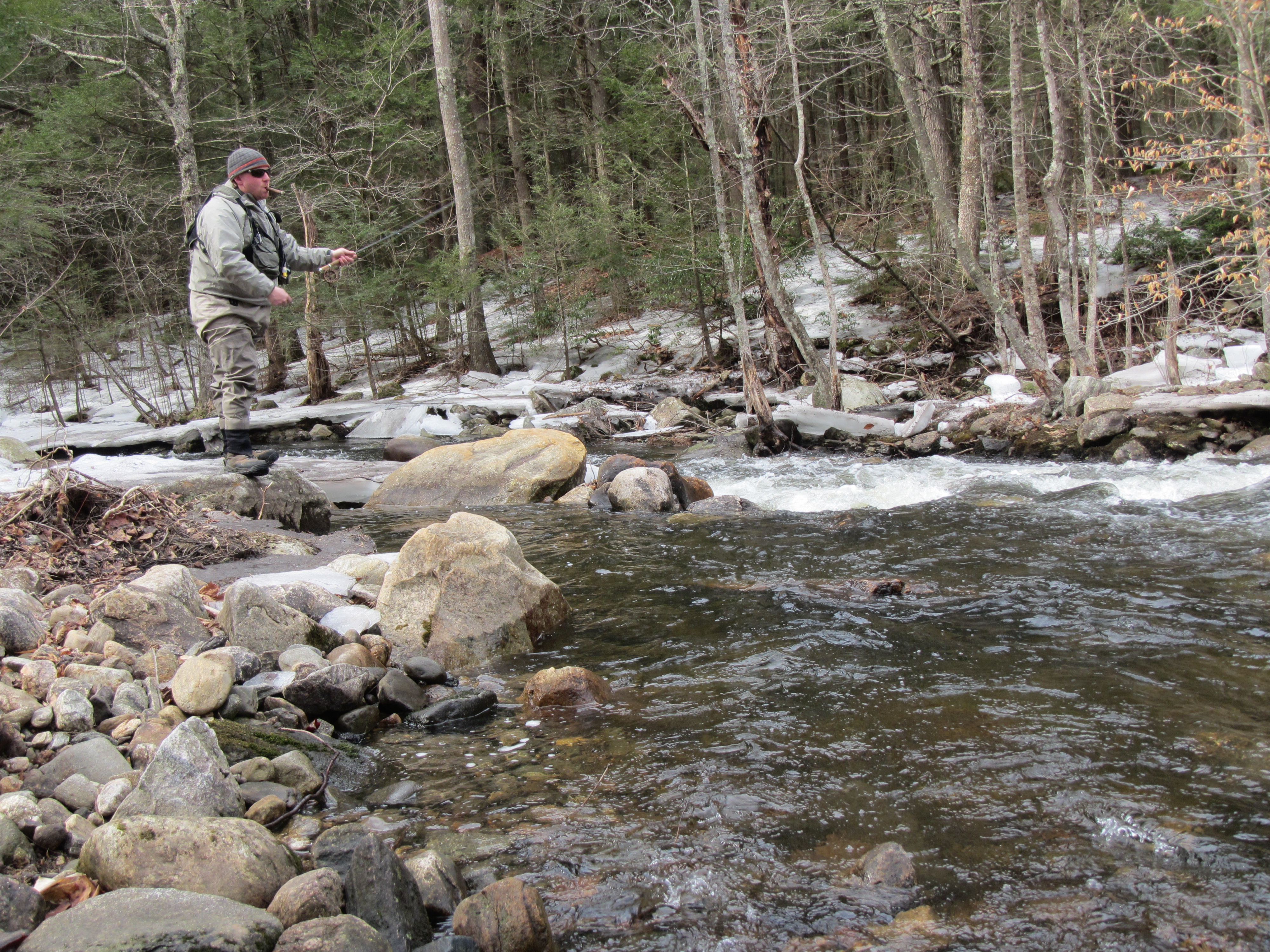
We fished River X in the Berkshires. I had never been before, and the first thing I noticed on the drive up was that there was still white stuff on the ground. The banks of the river were a patchwork of earth, snow, and ice. Frozen shelves still extended from the shore, and while clear, the water was high from runoff. Even more telling, its temperature was a bracing 34 degrees. In April. Not so good for the fishing. Grady took one lonely brookie on an ICU Sculpin, and your humble scribe wore the collar. Here are a few photos from our adventure.

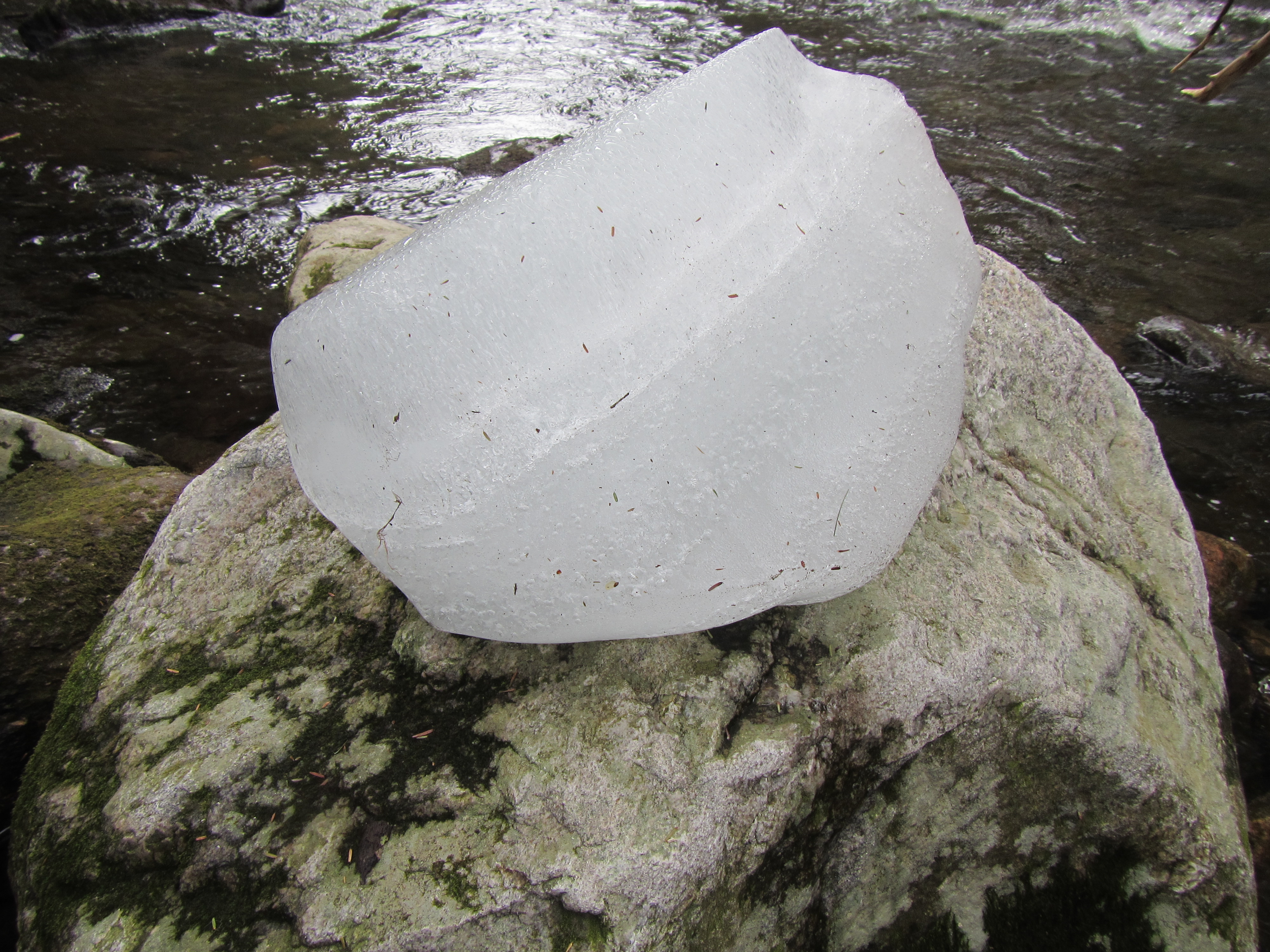
“I’ll have a block of ice with my boulder, please.” Must have been some winter up here.

Image

Grady working an upstream seam. We only managed one cigar each this morning; we cut the trip short for lack of a bite. (I always like to fish with people I consider to be better anglers than me. That way, if we both blank, I don’t feel like such a loser.)

Image


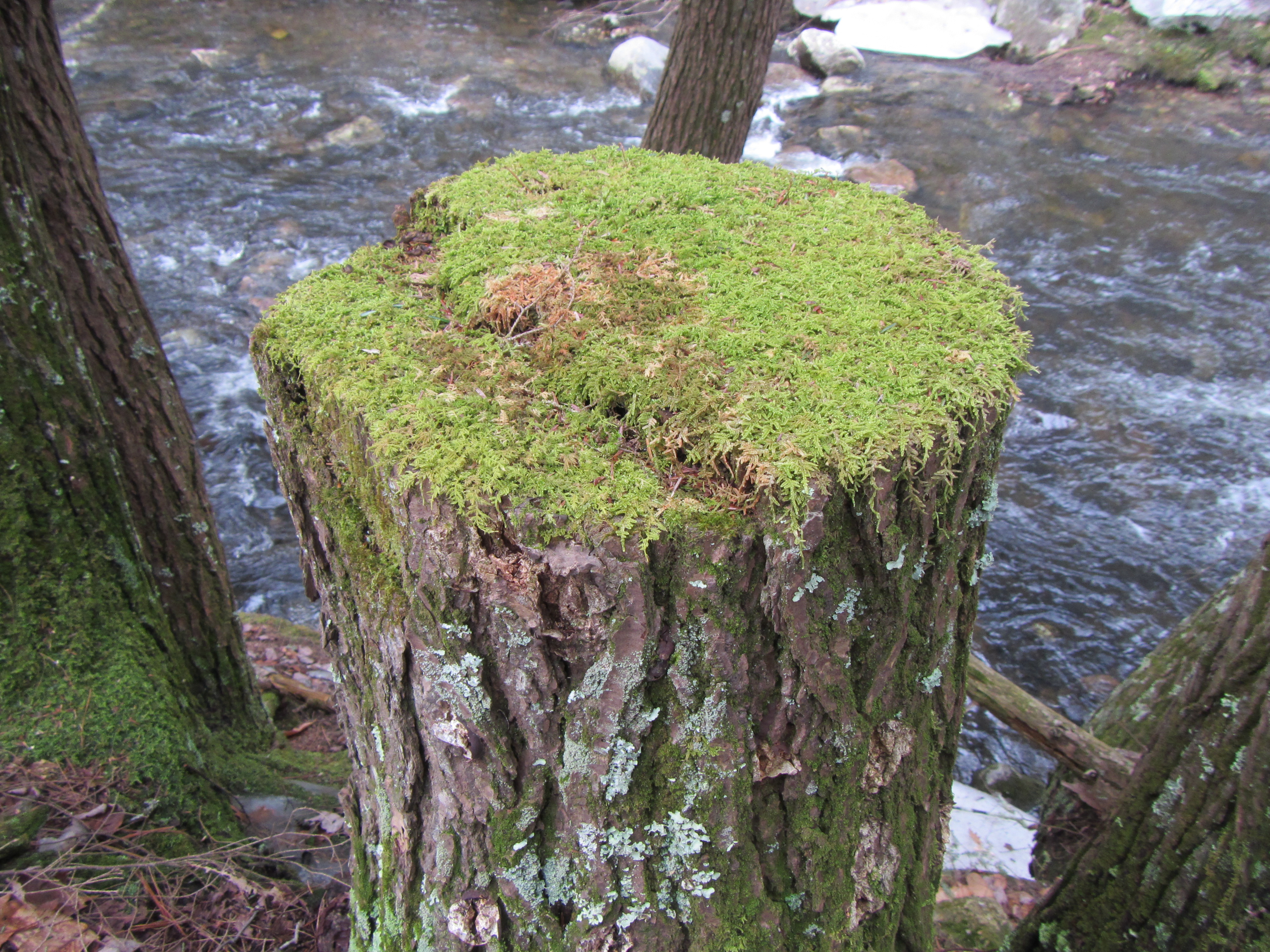
Amidst the hoary streamscape, a green totem of spring.

Image


Farmington River report 3/21/14: It didn’t feel like spring

A sunny day  in late March can be misleading. On Friday, any warmth generated by the sun was fleeting, captured and quickly dispatched by a chilly, gusting wind. The water was only 34 degrees, well below normal for this time of year, lightly stained, and running at 450cfs in the upper TMA. There’s still plenty of snow on the ground that has to melt and become part of the ocean; until that happens, expect cold water.

So, to the fishing. Well, it was what we in the trade call a slow day. Even the guys I spoke to who were fishing shiners were having a tough go of it. I jumped around the river, dedicated to the streamer cause, and the only trout I managed came by accident. I was messing around with the streamer, an articulated white and chartreuse bunny/bugger thing, to see how it looked in the water. Right in front of me, about ten feet away, and this brown rose from the depths and stomped it. Rather lucky than good, but we’ll take it.

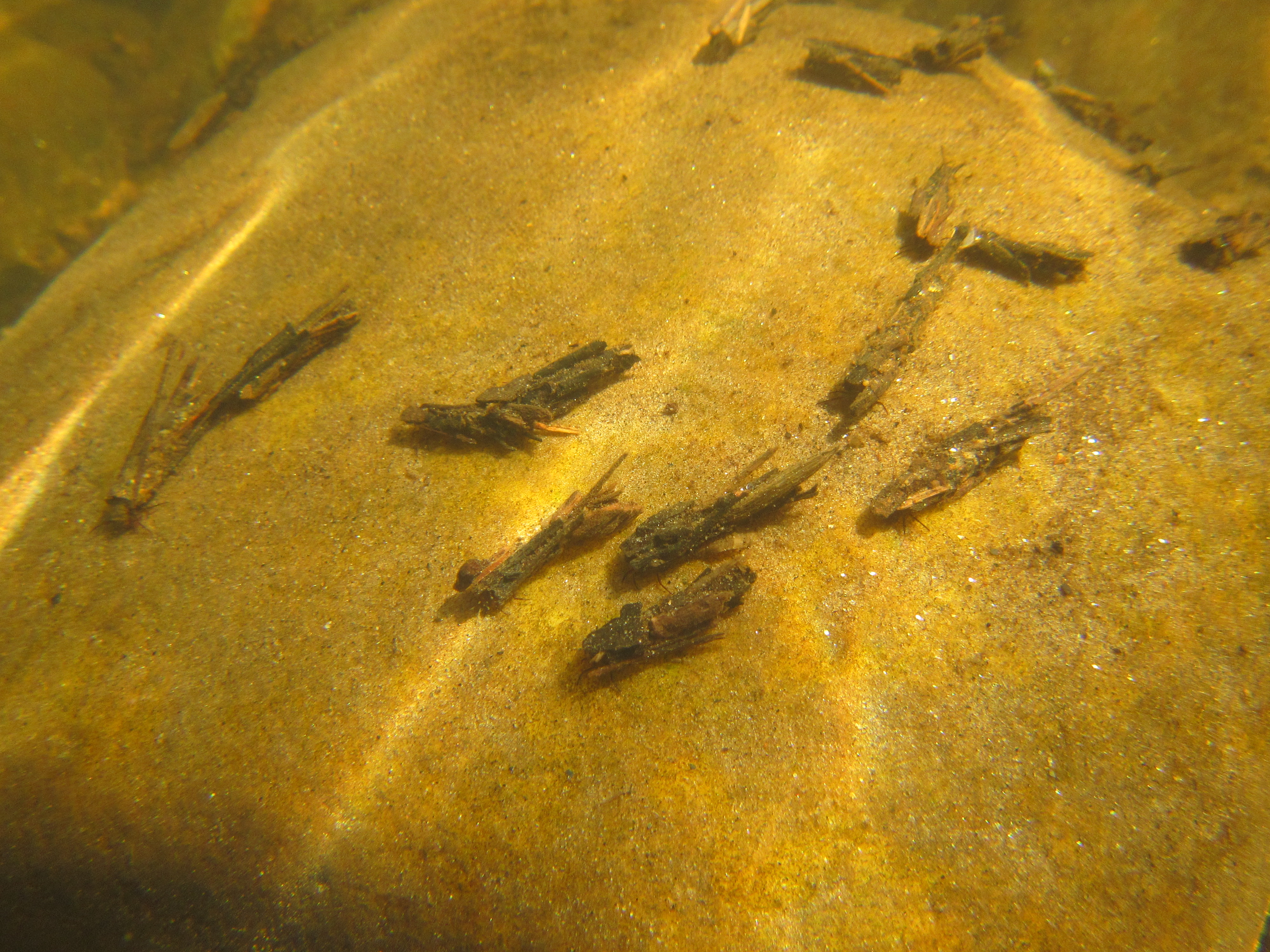
Cased caddis everywhere in the last spot I fished. I’m still amazed that a little wormy thing can build a house out of sticks. Please appreciate this photo. My hands and forearms were still cold about a half hour after I took it.

Image

An occupant. Sorry, little guy, for putting you out on the street. 

Image

Thanks to the Compleat Angler for hosting “Small Stream Flies”

No shaky hands. (Last year there were so many people at my wet fly demo — I had never tied before such a crowd — that my hands were shaking for the first couple hours. I am pleased to report that we’re past that.) But plenty of hand shaking. Thanks to everyone who came out to watch, ask questions, and chat. And thanks the Compleat Angler for hosting me. If you’re anywhere near Fairfield County, the Compleat Angler is a terrific fly shop. Lots of good stuff.

Two of the flies I tied, the bead head Grey Hackle Peacock and the Improved Sofa Pillow.

ImageC

The Un-Dead of Winter

One from the archives. I wrote this several years ago to remind myself that Pete Seeger was right. Not to mention Paul.

The Un-Dead of Winter

By Steve Culton

© 2009. All rights reserved.

I was heading out of the office on a freezing January afternoon when the receptionist, noticing how I was dressed, asked me if I was going fishing. I told her yes, and she responded with an incredulous, “In the dead of winter?!?”

I smiled in affirmation, but on the way to the stream, her words got me thinking about the bum rap winter takes when it comes to natural rhythms  — and angling — especially if you plan on forsaking the homey comfort of the ice fishing hut in favor of wading. The reality is, fall is when things die. Winter is when life begins. And it truly is a wonderland, alive and well and overflowing with vitality.

Step into your backyard or some nearby woods. The trees and bushes are already covered with buds, nature’s amazing automated leaf and flower systems, full of life (in the dead of winter!) and waiting for the warmth of spring to pop. As I write this, the mercury is well below freezing, yet my forsythia is as green as a springtime lawn, stems so bud-laden I can only imagine the yellow riot that awaits me in April. Mountain laurel and rhododendrons proudly display the evergreen banner, and from my window I can see a cardinal and his mate searching for seeds in the compacted snow.

An exquisitely parr-marked Farmington River brown. Even on a cold January afternoon, she was more than happy to chase a swung fly.

Image

Even on the small stream I was fishing the day our receptionist questioned my sanity, there was life in the air and beneath the water. Though the high never made it past 30 degrees, size 14 charcoal grey midges flitted about. Wild trout were holding low on the river bottom, ready to gobble any food that came tumbling along. It started to snow, and as my cigar smoke drifted slowly into the windless air, creating a tapestry with the chunky flakes, I felt as alive and happy as I would be sipping lemonade a warm July afternoon.

A few weeks later, I was fishing a salt estuary in Rhode Island. The temperature had plummeted into the low twenties, and a bitter west wind tormented the exposed skin on my face. Yet, there were snails and grass shrimp and, as this was the new moon, perhaps even clam worms doing what they always do: living. (The stripers, sadly, were living somewhere out of casting range.)

What mysteries remain uncovered along the frozen banks of our rivers and shores? You don’t know if you don’t go.

Image

I used to view winter as a time to store the rods and gear and prepare for the reawakening rituals of spring. No longer. I’m out on our streams and rivers and in the salt, almost always gloriously alone, left to my thoughts, the wonders both seen and unseen, and the bounty of life that reminds me spring is on the way.

January thaw on a small stream

I broke one of my cardinal rules today: never go into the woods if you’ve recently watched Deliverance.  There were no mountain men bent on buggery — and sadly, precious few bugs. I was hoping a near 50-degree day and some sunshine would trigger a hatch, but all I saw was one lonely grey big midge/small stonefly thingy flitting over the water. Although the creek was up due to yesterday’s rains, the water had cleared nicely by the time I threw my first cast, around 1pm.

I did the upstream dry thing, then the downstream subsurface thing. No takers on the dry. I wasn’t surprised, given the height of the water and its temperature. (I forgot my thermometer, but I experienced the sting when I had to go up to my elbow to liberate a fly from the bottom.)

A satellite image of the Chesapeake Bay’s frozen tributaries. Well, it could be.

Image

More fun with photography. See if you can find the duck’s head and the hawk’s head.

Image

My only strike of the day came on a downstream presentation with a weighted wet/streamer. A fine brown hen, long and lean, a good size for a brook this small. She was hiding in a deep pool that courses between two boulders. One touch was all I needed, and releasing her was almost as gratifying as catching her.

Your first trout of the year should be a memorable one. What a staggering array of colors on her gill plate. Also note the blemish on her nose. I couldn’t tell if it was an old wound or just a cosmetic oddity. I had not caught her before today.

Image

The winning fly. I like to fish small hybrid wet/streamers with tungsten heads on small streams. It’s a simple fly, easy to tie, and it uses a mix of natural and synthetic materials: A copper tungsten head, some weighted wire on the hook shank, black Krystal Flash tail, black Ice Dub body, palmered then hackled with grizzly hen. This fly is unnamed. (For you detail-oriented folks, that’s not ice. It’s a big chunk of stream side quartz.)

Image