One question I get a lot is, “How do you determine how you’re going to fish the Farmington?” The answers can be complicated, but sometimes it’s simply dictated by conditions and, especially yesterday, what I feel like doing.
First, conditions. We had a high water event Monday night, the river spiked, and now it was coming down. 875cfs in the Permanent TMA is not for novice or foolish waders, especially in very late fall. That water is moving and it’s cold. You need studded boots and a wading staff, and especially you need to stick to wading slower, shallower stretches (that’s often where you’ll find the fish).
I liked yesterday’s overcast, and we even had a few snow showers to boot. Or is that to glove?
Next, method. I felt like swinging streamers. I fish for my own pleasure, and even though winter streamers on the Farmy can be dicey — the trout are either biting or they’re not — when it’s on, it’s good. And fun. I was using an integrated full-sink tip line with a short (3 feet) leader and a mix of weighted and neutrally buoyant streamers. I also played a bit with different colors.
So, how was the fishing? It started off great, with a bump on my first cast. I made the same cast and the fish hit it again. But no real grab. Sadly, this was to be the pattern of the two-hour session: lots of bumps, but no real takes. I fished two marks hard, then packed it in around 4:30pm.
By all accounts, it’s been a challenging fall on the Salmon River. That was the main reason I skipped my usual early November trip. But now, later in the month, it was time for my annual father/middle son Cameron steelhead bash. Prepared for the worst, but hoping for the best, we headed northwest. Here’s how it went down.
Monday, November 23: Too many teardrops for one heart. I generally don’t count fish, but steelhead being what they are, I keep track of my landing-to-hookup ratio, and especially my total landings. For those of you keeping score at home, I was at 96 landed at the start of this trip. A combination of egregiously slow action and bad timing in the last 18 months had slammed the brakes on my progress. But with a clean slate of two days to fish, the magic number of 100 was certainly in reach. One good day — hell, a few good hours — could get me there.
As always, the Cam trip is done under the guidance of my friend James Kirtland, aka Row Jimmy. Given the dearth of consistent action in the upper and mid-river boat runs, we made the decision to wade the lower end of the Salmon. Jim’s clients had hooked 10 at this mark yesterday. But you know how that goes with steelhead — here today, gone tomorrow, and at 8am, Cam and I sans hookup, the last thing I wanted to hear Jim say was, “I don’t like this. We had a half dozen fish on by this time yesterday. “
But all it takes is one, so when I set the hook on a dropping indicator and felt the bottom shake its head, I was stoked. My set was fast and sharp (with a second one thrown in for good measure) so I was a little surprised when the fish came undone about a minute into the skirmish. That’s the thing about steelheading. You can do everything right and still drop the fish. Something uncontrollable, like the wrong angle of attack or a bony insertion point can spell doom, and there’s nothing you can do but wonder why.
My second hookup was a chromer that treated the lineup to several entertaining aerials. When that fish got off, I was beginning to question my capabilities. Have I lost it? I don’t think so. I wasn’t doing anything differently. Then I saw it. Scales impaled on the point of my chartreuse Steelhead Hammer. Clearly a fouled fish.
Well, that explains that.
My final touch of the day also ended bitterly. This time it was a snapped tippet. I can’t remember the last time I broke 6-pound Drennan. Surely this was due to an abrasion or other accident of war. Regardless, the result was disappointment, and I was left to cry, cry, cry, cry, 96 tears.
Tuesday, November 24: Down to our last strike. Tuesday’s options were run the mid-river or try creek stomping. The Sunday night/Monday early AM rains were just enough to make us think that some fresh fish might have wanted to make the run, so creeks it was. I settled into a favorite pool while Jim and Cam headed upstream. You’ve always got to be ready with that first light first cast — a take is a damn good way to start the day — but an hour later I still didn’t have a touch.
Then, the indicator slowed, and I set the hook. (Today was a strong case for learning the nuances of indicator nymphing. Of the three fish I hooked in this pool, none of them pulled the indicator under — it simply slowed or deviated from its downstream path. You’ve heard me say it before, and it’s probably the best advice I can give you for this style of fishing: look for a reason to set the hook on every drift.) A powerful head shake, then fish off. C’mon. Really? When I hauled in my rig for an inspection, my tippet was again sawed off. Good grief. But about 15 minutes later, a domestic rainbow decide to eat, was landed, and I was somewhat off the schneid.
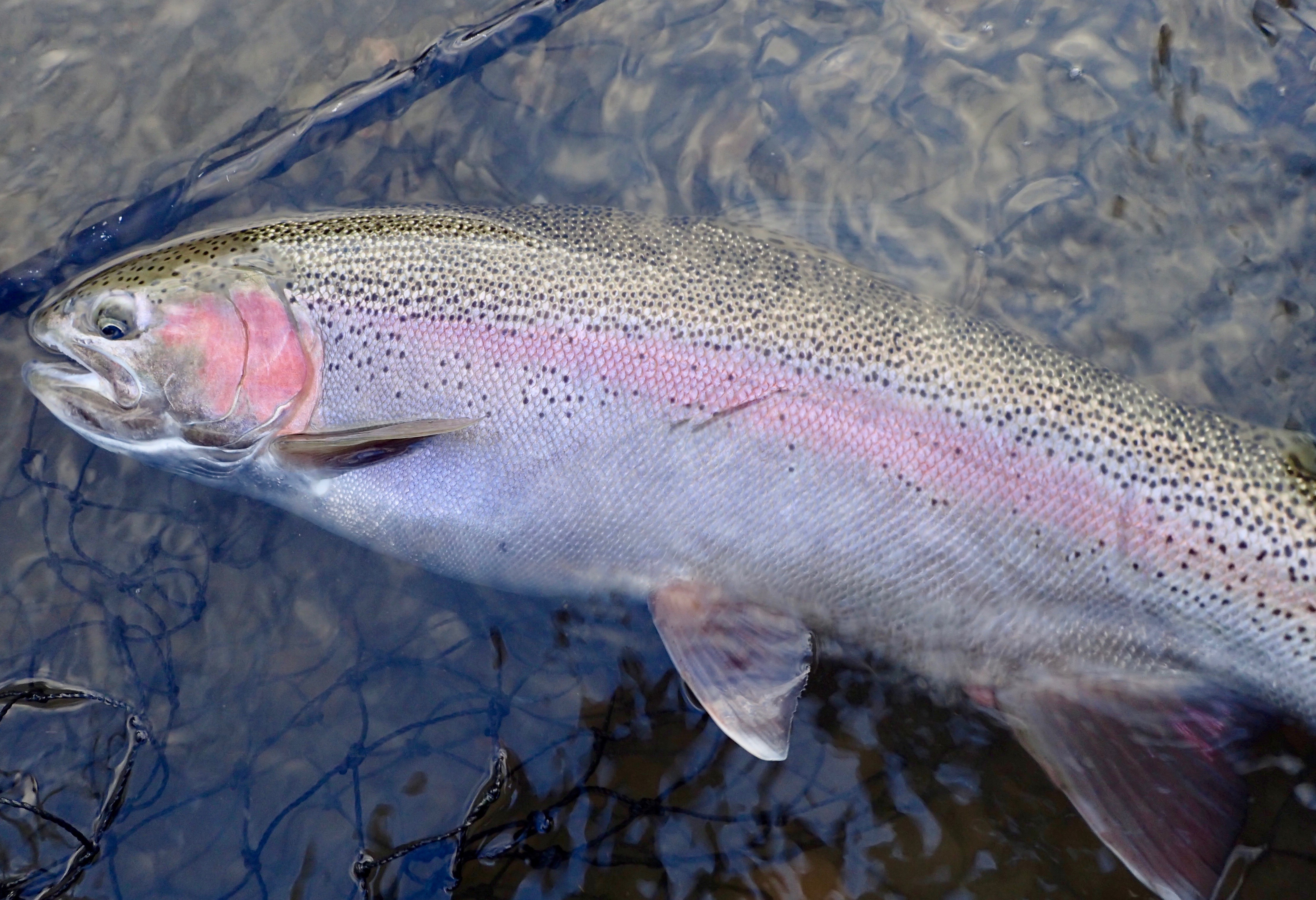
Finally, this egg-laden hen pounced. She kept to the pool during our tussle, and once she was safely in the net, I couldn’t help but admire her glorious iridescent colors. She reminded me of the hen on page 10 of Matthew Supinski’s book Steelhead Dreams. I’d just admired that photo last night, and I wondered if somehow I channeled her into taking on that drift.
Whereas Monday was well above freezing, Tuesday was not. Iced-up guides were a constant challenge, as were cold hands. Funny how you forget all of the sensory negativity when you’re fighting a fish.
Then there was poor Cam. He didn’t have a touch(!) on Monday, plus a disaster leak in one boot foot compounded his misery. Tuesday’s shot at redemption was even more frustrating: he had several takes and no good hook sets to show for it. (We don’t think Cam was at fault, either. In the interest of finding fish, Jim had a line in the water too and missed three steelhead — and he’s a really, really good angler.) And now, it was early afternoon and just about at the end of our session. I could tell Cam was emotionally done, but I encouraged him to take a few last casts while I walked downstream to cross the river.
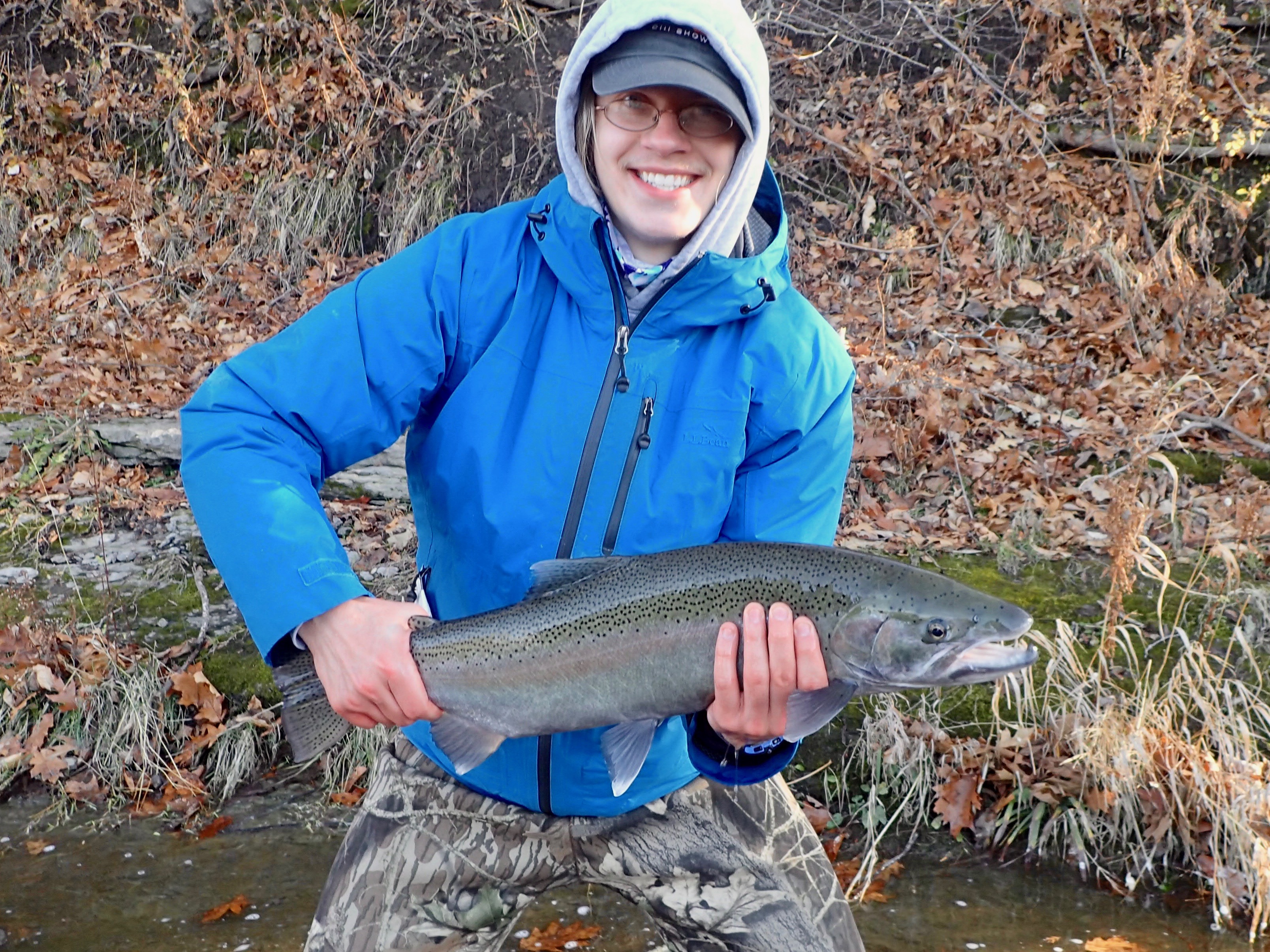
And that’s when it happened. Two outs, down to our last strike, bottom of the ninth, and we drill this walk-off steelhead. I think I’ll just shut up and let you appreciate the simultaneous fatigue, relief, and joy on this young man’s face.
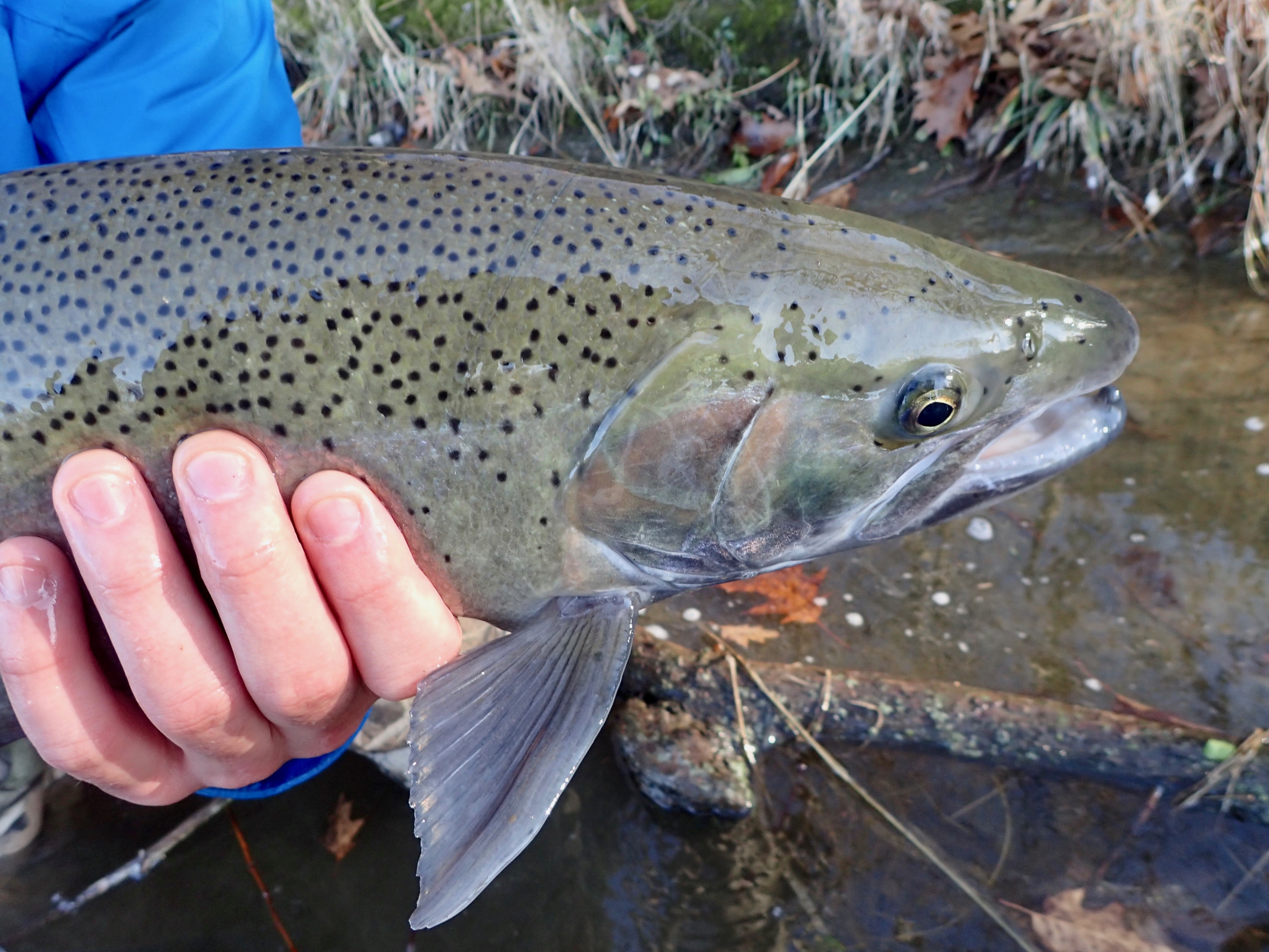
Not everyone was as enthusiastic as Cam, but we appreciate you playing, Mr. Buck. We surely do. This was the second time we’ve had a last-cast, day-saving steelhead while fishing with Jim.
I just got back from a two-day steelhead trip with middle son Cam. You’ll understand that I’m a little wiped, and with the holiday tomorrow, a little busy. So the full story will have to wait. I can tell you that the conditions were challenging and we had to work hard for every fish. Until then, here’s a little salmonid taste to tide you over on turkey day. Be safe, be well, and please know that I am truly thankful for your readership and following.
To be fair, it was only a few hours — I fished from noon to 3pm — but the going was glacially slow. I hit four favorite nymphing marks below (450cfs) and within the TMA (390cfs), and I found a trout willing to jump on in only one of them. I used a combination of tight line and indicator nymphing methods, and I even switched out my point fly and dropper — none of it seemed to make any difference. The angler traffic continues, with nine other folks sharing the water with me during my travels. Mine was the only fish I saw hooked all day, which is not to brag, but rather to illustrate how slow the fishing was. I stopped at UpCountry on the way home to do some shopping, and Torrey Collins said that nymphing has been slow for him lately, too. So it goes.
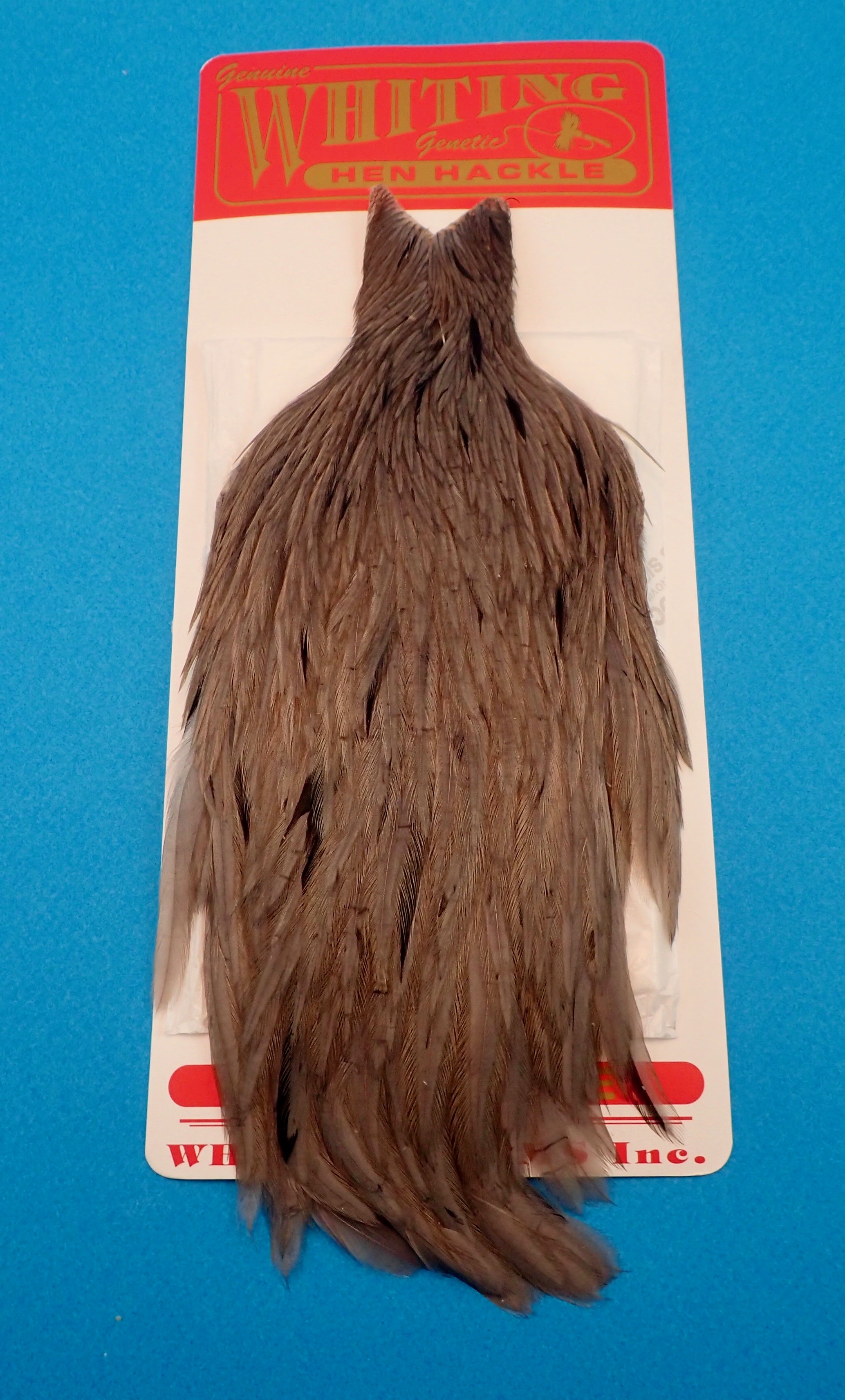
The day wasn’t a total loss. I scored this beautiful, webby dark dun hen cape at UpCountry. Just what I need for my next batch of Dark Hendrickson winged wets.
Another short and sweet (or bitter, depending on your POV) striper report: fished the mouth of the Housatonic today for two hours. We had a good tide, overcast skies, and a falling barometer, three elements that should have made for a terrific outing. Unfortunately, Mother Nature forgot to CC the bass on the memo. Not a touch for me, both deep and on the surface. In fact, I saw only three three teens-inch bass caught in two hours among ten or so anglers, and it was all two guys fishing one small pocket. Deciding that you cannot catch what isn’t there, and having had enough two-handed casting practice, I skedaddled just before low tide.
Not from today. In fact, it was as warm a November day as I can remember down there. The most excitement I had was when a bird went fishing for my fly. I was relieved that the pull produced no hookup.
I’ll make this short and sweet. I fished last night because I was foolish enough to believe that I had an accurate weather forecast. Moments before I walked out the door at 10:30pm, I re-checked the site. There it was: clear skies through dawn. About 15 minutes after I settled in, an ominous charcoal grey wall moved in from the eastern horizon. Soon, the mark was socked in. Thanks, weather.com (he said, dripping with sarcasm). When I got home, the site now warned of a “dense fog advisory.” Great.
It certainly felt fishy, and I had a waking follow before the fog settled in. But I’ve learned that fog kills the bite at this mark with a destitution of mercy. I dunno…call me crazy…but this don’t look like “Clear” conditions to me…
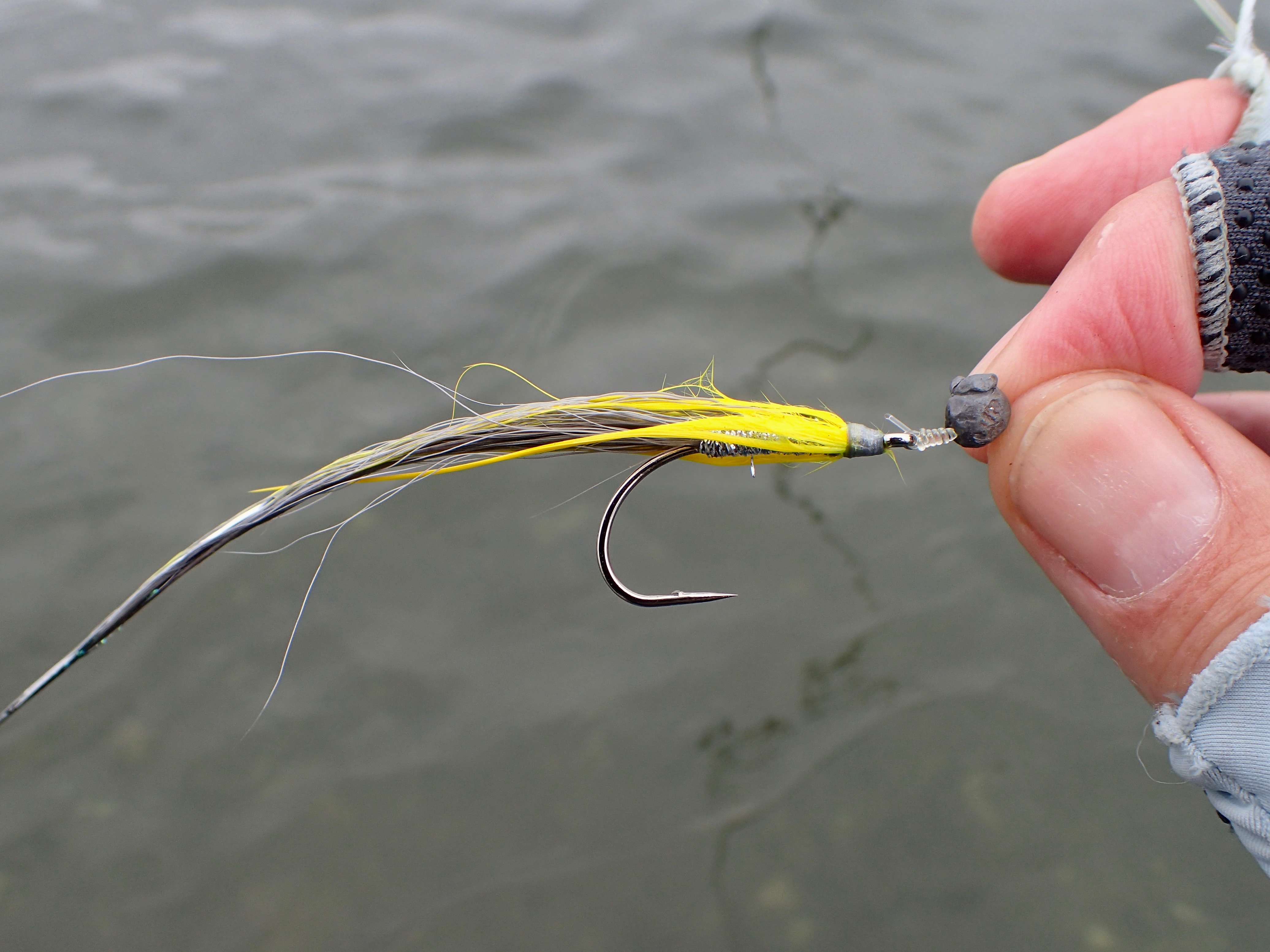
I decided to fish the mouth of the Hous for a couple hours simply because I could…and because it seemed like that time of year. I had the place to myself for about 30 minutes, but no love taps were forthcoming. The terminal rig was a Soft-Hackled Flatwing in R.L.S. Easterly colors on an 8-foot leader. It didn’t compute that there were no fish around, so I decided to make an adjustment.
This is the kind of little thing — I know you’ve heard that phrase somewhere before! — that can have huge impact on your fishing. If you know or suspect the fish are there and you’re not catching, do something different. So I swapped out my leader for a 6-foot section of T-11 and a three foot leader. Still nothing. Then, I added a 3/0 shot to the leader just above the fly. Next cast, bang! Then another two casts later. This made me happy.
Sometimes it’s the little adjustments that make the biggest difference. This single shot, clamped on with pliers, resulted in an immediate hookup.
You might think that this is how the story (happily) ends. But no. After those two fish, I went a good half hour without a tap. I have to confess that this kind of fishing holds little interest for me, even less so when the bite is off. But since we’re talking about adjustments, how’s this: go from dredging the bottom to skating on top.
Many years ago old friend Ed Simpson exclaimed, as we fished a spot not too far from where I was wading, “Make ’em come up!” Off came the full sink tip and shotted fly, on went the longer leader and a Gartside Gurgler. First cast, splash, boil, whack! Then another. And another. These fish were sporting the colors of bass not fresh from the sea, but rather those of winter residency. Not very big, but I love any striper that displays that marauding spirit. Many anglers think of fishing surface bugs as an active presentation, with the fly in constant motion, but every one of my hits came on the pause (see this post for more on varying your strip cadence).
My last adjustment came as the action and tide waned. I noticed a far sexier rip, abutted by a slick, 150 feet downriver. So I waded down, made some casts, and caught some more. And that, dear reader, brings us to our happy ending.
You may have noticed this year that there weren’t many Housatonic River smallmouth reports on these pages. It wasn’t for a lack of effort from your humble scribe. I believe I fished more days this summer for smallmouth than I have since I started seriously pursuing them (in 2016). So why did I go dark? Part of it was people — and anglers — everywhere. And anywhere. I ran into anglers in places where I’ve never seen a soul. Finding a parking spot was, at times, impossible. Part of it was the drought, which made for challenging conditions. And part of it was that in terms of size and especially numbers, this was by far the worst year I’ve had fishing smallmouth on that river.
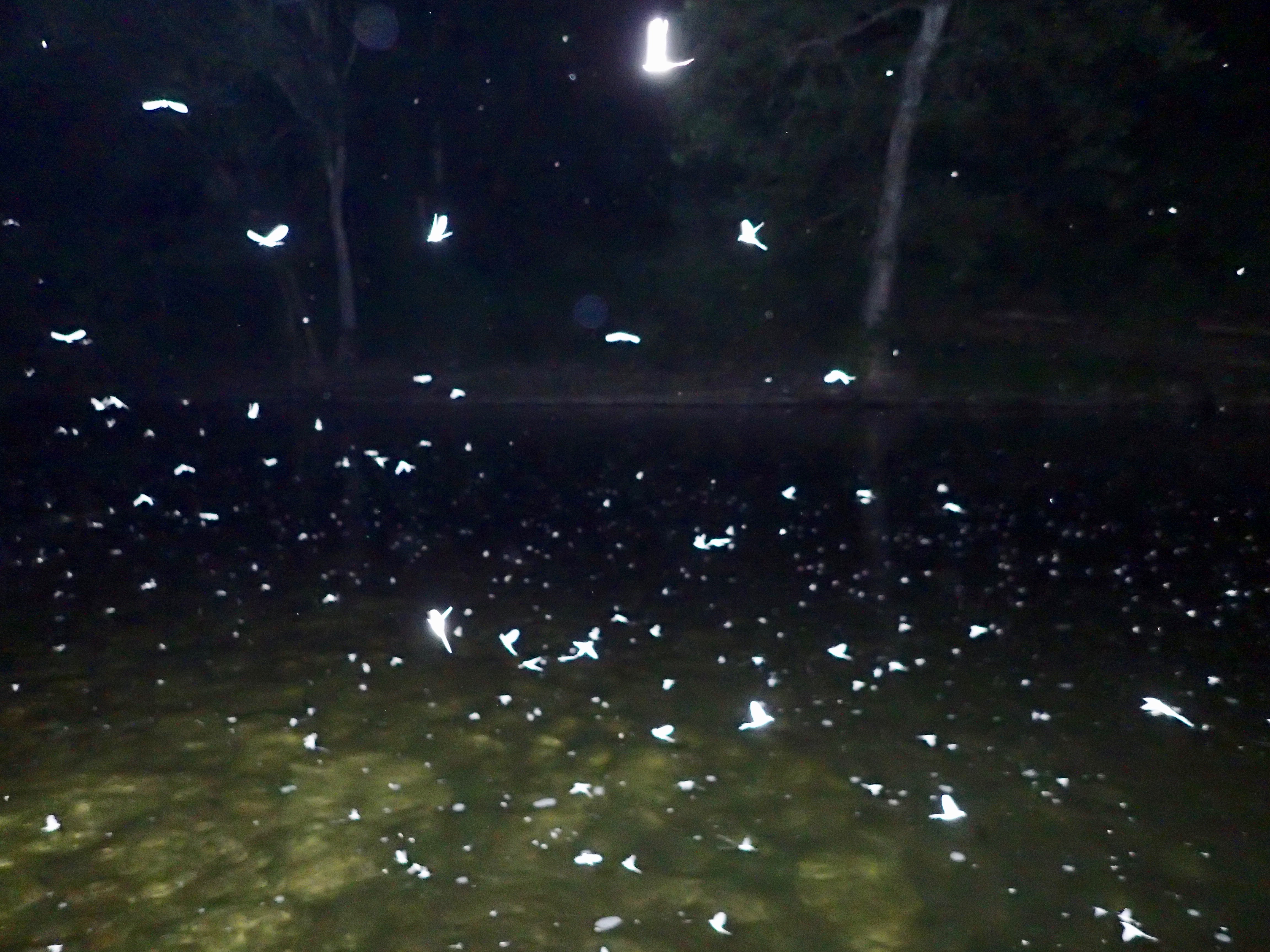
One late July night illustrates this last point. I fished a favorite mark that was, to my delight, devoid of other anglers. I hit the White Fly hatch perfectly — in fact, I’d rate this as one of the top three blizzards I’ve ever experienced. The surface should have been boiling with frantic rises — dozens per second. Instead, I could easily pick out an occasional lonesome rise ring here and there. The lack of bass on the bugs was both extraordinary and discouraging. What’s worse, what was rising was small. Not a bruiser in the bunch.
At least the dragonflies had a good meal.
Since the fishing was awful, and — this is important — every year is different — I decided that I would embrace different. So I explored. I fished new water. I tried new flies (like Wigglies and Barr’s Meat Whistle). And I tried new methods (like indicator nymphing and dead drifting crayfish patterns along the bottom). These efforts will pay off handsomely in the future. So, 2020 wasn’t the year we wanted it to be. But we can take comfort in the hope and promise of 2021.
Hot on the heels of yesterday’s scathing menhaden management commentary comes a shout out to the Connecticut members of the ASMFC. This is from a post made by Charles Witek on Facebook: “The New England states are worried about lobster bait. Virginia is worried about Omega. Everyone is worried about cutting fishermen’s income. It’s probably no coincidence that–with the exception of Connecticut and Rhode Island–the states seeking a larger cut in menhaden landings were southern–North Carolina, Georgia and Florida–which have neither a lobster fishery nor a big menhaden fishery. Connecticut made a noteworthy effort to convince the Management Board to do the right thing, and Rhode Island has long been a leader for better menhaden management. Folks in those states–particularly in Connecticut–ought to thank their fisheries managers if they get the chance.” Huzzah! If you want to send them a thank you email, you can find their contact info here. Please comment here if you send an email!
On to striper fishing. I’ve spent a significant amount of time this fall learning a new mark. The going’s been slow, but on Tuesday night I finally had some action — about a dozen hits, and the water was so calm I could also see several follow-the-fly wakes. Nothing big, but the big fish potential remains. Then there was last night. Specifically, the fog. It came in on big galumphing herds of elephant feet. We’re talking horror-movie density fog. I hate fishing in fog. With a few notable exceptions, it’s always been a bite killer. And so it was last night. Still, I got to stand in the ocean and fish and smoke a cigar and you know, that ain’t all so bad…
If there is a defining line between heavy fog and actually rainfall, I think we reached that threshold.
I love fishing for stripers at night around docks, bridges, waterfront restaurants — anywhere there is light and shade. The reason is simple: the light attracts baitfish, and the baitfish attract stripers. I’m especially stoked about fishing areas where there is a stark demarcation of light and shadow. Those are magical places.
Late Sunday/early Monday found me at such a place. It’s a mark that offers what I call “the aquarium effect.” The overhead lights enable you to see clearly what’s in the water, whatever its place on the food chain. On this particular night, I could see bass cruising along the bottom, solo or in small hunting packs, rousting baitfish (spotted: silversides, peanut bunker, mullet), then smashing them on the surface. Some of this took place in the well-lit areas, but most of it was going down at or just past the shadow line.
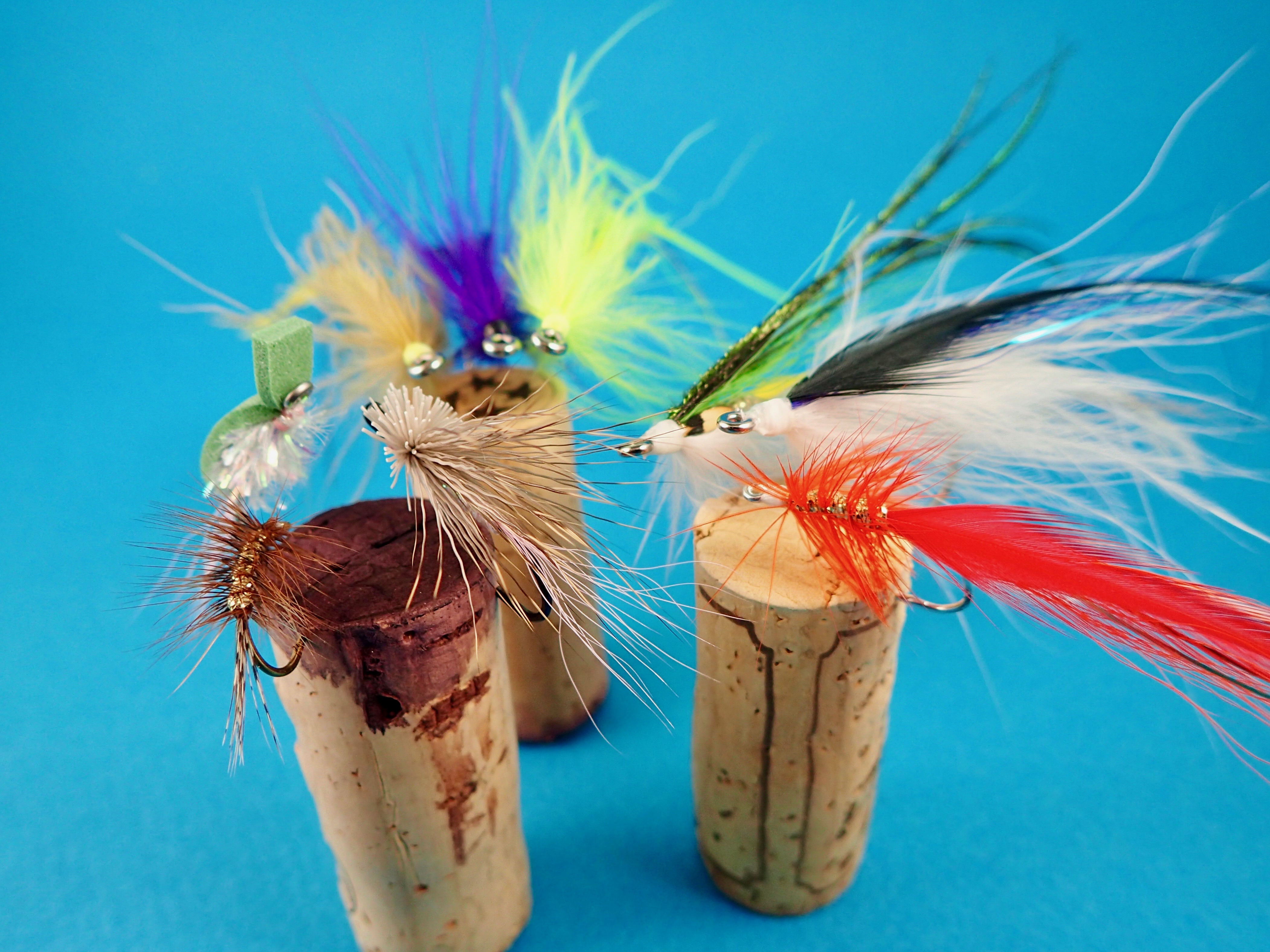
Rigged with a three-fly dropper team, I had at it. No love. I tried dead drifts; greased line swings; short, pulsing strips; rapid, long strips; and what could hardly be called a strip at all, more like an almost imperceptible gathering of line. Frustrated, I vowed to come back after the tide turned, and headed to another mark a short drive away.
This was a flat in near total darkness. I could see worried bait in the faint ambient light. An hour and four bass later, I left with a smile on my face.
Funny thing about droppers: the fish will always tell you what they want. On this night, at the second mark, they wanted the top dropper, an Orange Ruthless clam worm (lower right), even though there were no clam worms to be found anywhere near I was fishing.
And then back to the original mark. The tide had shifted but the bass and bait were still there, and the former remained unimpressed by my offerings. As with any such puzzle, you’ve got to try different pieces until you find one that fits. In this case it was as simple as switching to a Gurgling Sand Eel on point to make it a suspension rig. A couple mended swings into the shadows, and whack! Then, on the dangle, ker-pow! That called for a celebration cigar. So I did.
~
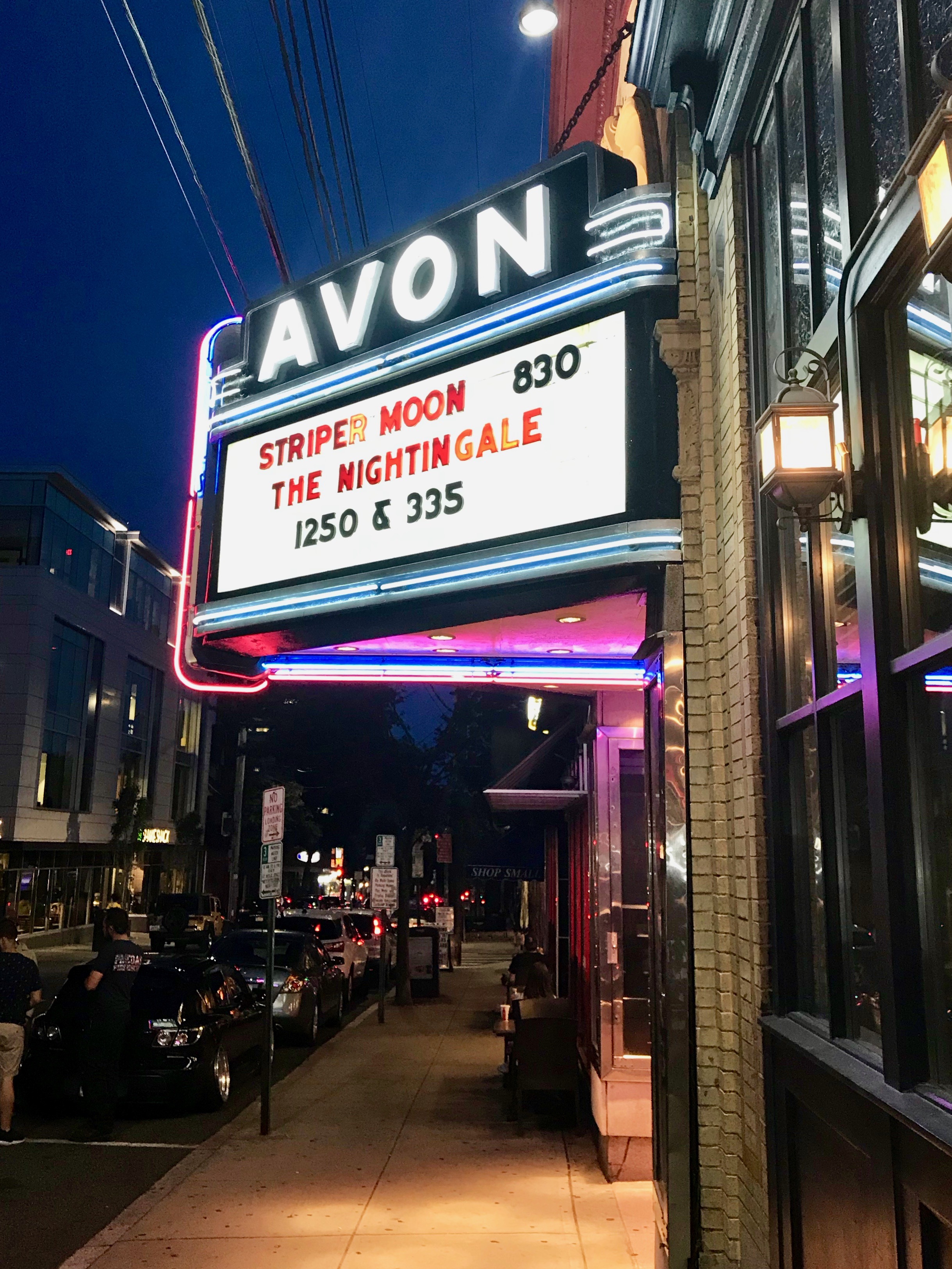
Great news for Ken Abrames fans! Ken recently posted on Facebook that the Striper Moon — A Legacy film will be available soon on Amazon Prime. I don’t know if this means a DVD or if it’s something that’s in a streaming format. Either way, you now know as much as I do. I’ll post details as I get them.







 currentseams.com