I’m very excited to announce that I’ll be a featured speaker and instructor at this year’s International Fly Tying Symposium in Somerset, New Jersey! The dates are Saturday, November 12, and Sunday, November 13. My tentative schedule is: Seminar, Tying and Fishing Wet Flies, Saturday 10:30am; Tying Class, Tying Soft Hackles, Winged, and Wingless Wets, Saturday 1pm-3:30pm; Seminar, Beyond Cast and Strip: Presentation Flies for Striped Bass, Sunday 11am. The rest of the time I’ll be tying on the show floor. I believe the seminars are included in your admission price, and that you have to sign up for the tying class. I also want to emphasize that this is a preliminary schedule, and that the Symposium website should have more information up by October 1. Naturally, I’ll update you as things develop. Mark it down, and be there or be square!
It’s not just, “Which fly?” Presentation matters, and you’ll hear all about both from me at the International’s Fly Tying Symposium in November.
Folks, I’m sorry that I haven’t been able to post any fishing reports. That’s due entirely to the fact that I haven’t been fishing, which we all know is just plain wrong…or as my son Gordo would say, “that’s messed up.” It’s not going to get fixed this weekend, either. But…
…I will have some news to share with you next week about an event I’m participating in this fall. I’m really excited about it, and I think you’ll be, too. Sorry for the cliffhanger, but duty calls elsewhere. In the meantime, tight lines, sparse flies, floating lines, and let’s keep those fish wet.
You gotta hand it to the Long Island Fly Rodders. This club knows how to have a cookout (even in the rain) and how to make a guest speaker feel right at home. So: a very big thank you! Last night, I presented — after dining, of course, a fed presenter being a happy presenter — Wet Flies 101 to very enthusiastic group of over 50 people. There were so many great follow-up questions, it’s hard to pick one out, but I’ll try to get to some of them later this week. In the meantime, thanks again, and see you next time.
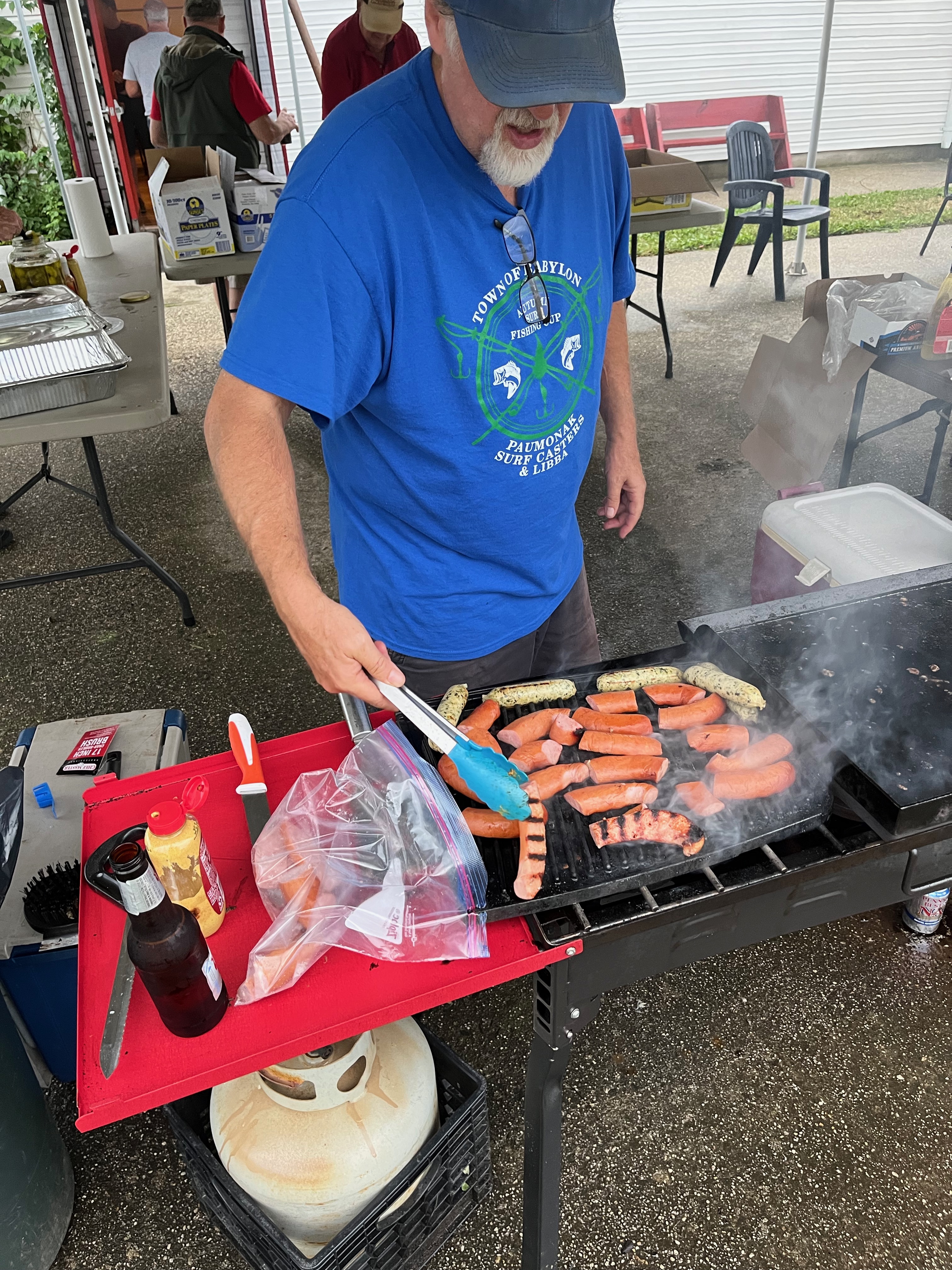
First, they feed you (thanks Mr. Grillmeister!)……then they gift you some nifty pint glasses. Wow! Thanks again.
A reminder that I’m speaking tonight, Tuesday, September 6, at the Long Island Flyrodders in Levitttown, NY. Despite what the website says, I go on at 7:30pm, with the group’s social festivities/casting lessons beginning at 6:30. Meetings are held at the Levittown VFW, 55 Hickory Lane. The group tells me that all are welcome. My subject is “Wet Flies 101” which is a gateway to wet flies, soft hackles, and how to fish them. You too, can become a skilled practitioner of this deadly art. Hope to see you there, and as always, please come say hello.
It’s about time! Despite these totals, many of the larger rivers are still below where they should be this time of year, although I expect that to change. It’s tough getting all this at once, but beggars can’t be choosers.
I’d known about the South Platte for years, but never got the itch to go fish it, until I did — and now I am faced with a matter of difficult settlement: my favorite trout water is almost 2,000 miles away.
It’s so easy to fall in love with the South Platte. Since it’s a tailwater, it’s a viable fishery year-round. It’s got so much productive water that you could very likely stumble into fish (and if you know how to read water, you could quickly become a dangerous machine). In addition to being cold — I didn’t take a temperature, but it had to be high 40s-low 50s — the water is clear enough that the eagle-eyed among us can sight fish for trout. And the trout — ah, the trout — are fat and feisty and fantastic. Plus, there are lots of them. Subsurface invertebrates are everywhere and provide the trout with a daily smorgasbord. It’s almost like someone imagined, then created a trout theme park fantasyland. Really, it’s that good.
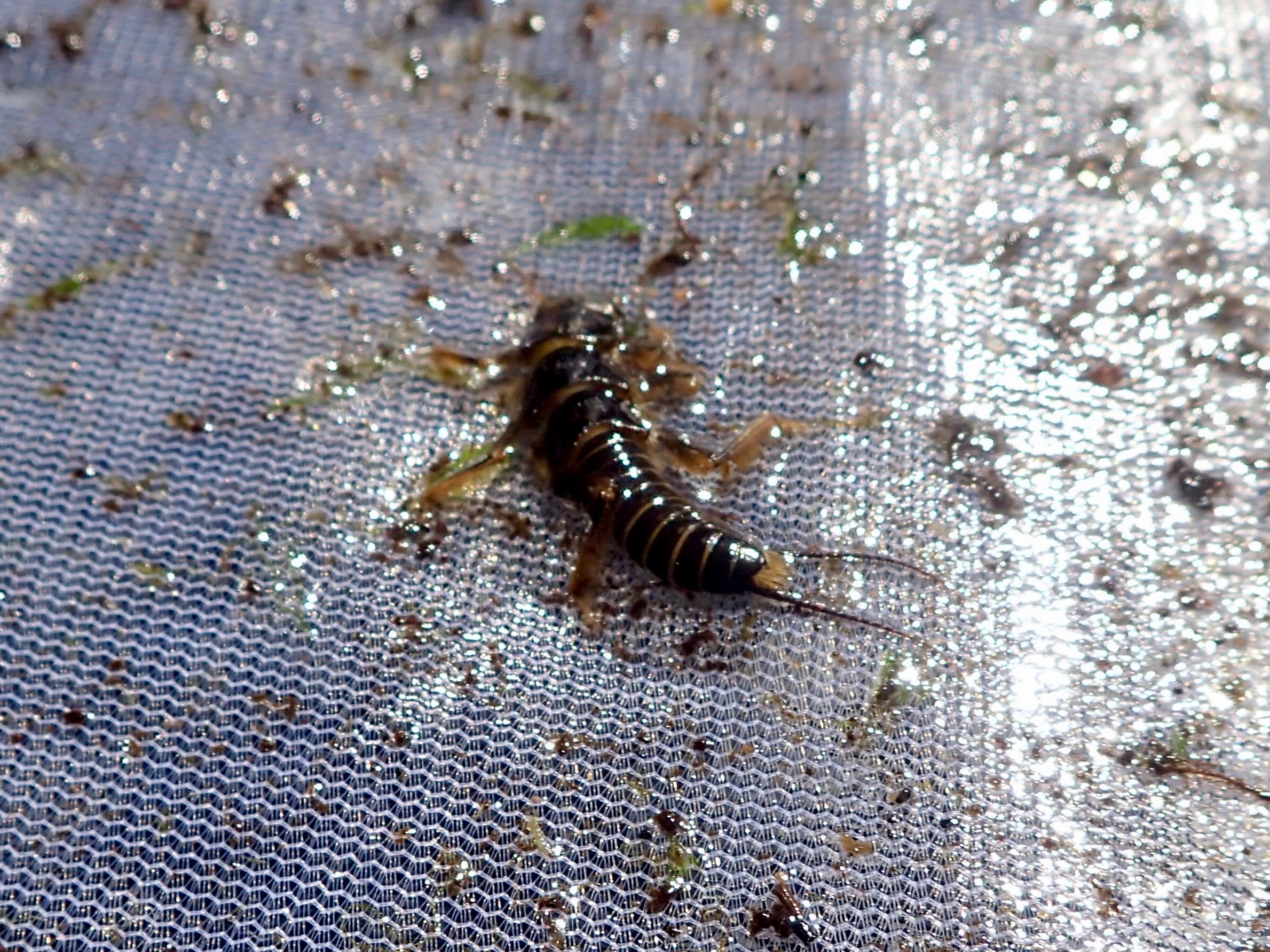
Early morning on the first day. Cam might be contemplating the fish at his feet, or the sheer beauty of his surroundings. These streamside boulders are typical of the South Platte in Cheesman Canyon, and sometimes these behemoths are in the river proper. Along with the smaller boulders, it makes for the kind of structure trout love. On both days, my experience was: find one fish, and there are a bunch more close by. I think we saw a half dozen other anglers on Wednesday. Friday, the “crowded” day, maybe twice that many. I fear that western anglers would be mortified by the hordes on eastern streams.Afternoon on the first day. The water is at 250cfs and running with breathtaking clarity. It was easy to pick out fish, especially if you knew where to look (on day one they were holding in riffly moving water 1-2 feet deep). This slot extended far down the glide past where I was standing when I took this photo. Both Cam and I hooked fish along the entire length of this wrinkled water center stream.Day two. The water is up to 300cfs. Our guide, Chris Steinbeck of the Blue Quill Angler, said that Thursday morning the water had some color, but cleared up after noon. I think I liked this height better; having no experience to compare to, I’d call this flow medium. Here’s what’s so wonderful about the South Platte: there are fish everywhere. Compare to the Farmington, where there are vast stretches (especially now) of unproductive water. I caught more brag-book trout in an hour on the South Platte than I might in a month on the Farmington. If you can read water, and make adjustments like weight and indicator position, and perform quality drifts, there’s no reason why you can’t do likewise. Cam doesn’t fly fish, and he stuck over a dozen trout on day one.I believe the river is so productive because of the high percentage of viable water. The analogy I came up with was the South Platte is like a high-gradient northeast wild brookie stream, times 10 in size. See what I mean?A so-ugly-it’s-beautiful golden stonefly from Chris’ Friday sampling. We also came up with midges and baetis and PMD nymphs. There were a couple stray salmon flies flitting about over the course of both outings. Not shown: scuds, an important food source for South Platte trout. I creamed ’em the first day with Pat Dorsey’s UV Scud.Compared to the Farmington and the Housatonic, wading the South Platte is a walk in the park. Absent the fast-moving, deeper sections, this was about as tricky as the footing got. (I still don’t see why the possibility of falling in should prevent me from getting into the best position to catch that fish — although I’m pleased to report that I did not go swimming on the South Platte.) Much of the river is granite sheets and smaller gravel bottom. Bottom snags were few and far between; I didn’t lose a single rig the entire trip. As you can see, the rocks are covered with this mossy vegetation, hence the substantial scud population. Clearing weeds off of flies and rigs was a constant task, although it served as a good reminder that my presentations were where they should be. Coming next: Part 3 — The Fishing.
I fished Monday late night into Tuesday early morning in Estuary X in Rhode Island. When I arrived there were clear signs of bait and stripers on the feed. Here’s what happened, in the form of observations and lessons learned and re-learned.
This time of year, the SoCo estuaries are loaded with silversides. In case you didn’t know, silversides go nuts when you shine a light on them. They form tight schools and they congregate in shallows near the shore. There are also juvenile Atlantic Menhaden around, from 2-4″ or so, but silversides are the dominant bait. When there’s that much bait in the water, a dropper rig is your best friend. Droppers are the fastest way to find out what the fish want. They also raise your chances for a hookup because you have more targets in the water.
My first casts were made with a three fly team consisting of a sparse, generic bucktail about 3″ long on top dropper, Mark Gustavson’s Lil’ Bunky in the middle, and a Magog Smelt bucktail on point. There was a substantial current and my presentation was a greased line swing. I had action on every single cast, sometimes on all three flies — except it wasn’t bass. It was weeds. Lots and lots of weeds. When it became clear that flora was all I’d be hooking, I decided to search for fauna elsewhere.
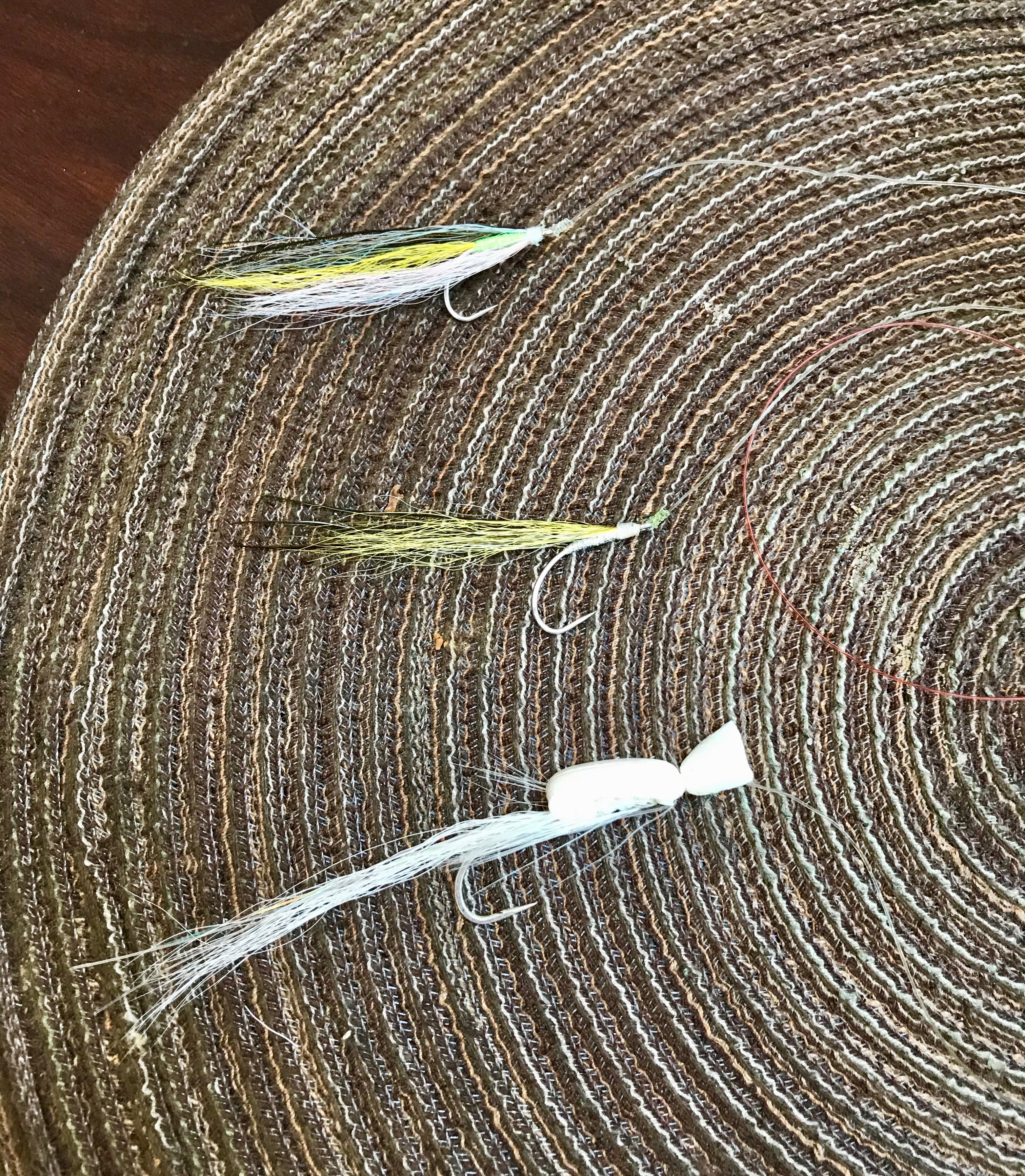
This juvenile menhaden pattern is sparse, simple, and — as you’ll see — highly effective.
At the next mark I switched to a suspension dropper rig — one with a floating fly on point (in this case a Gurgler) — because I was fishing in shallower water with a much slower current. What’s more, there were several rocks in my presentation zone topped with bubble weed. So this rig helped keep my flies away from trouble. While there was an enormous amount of bait, there was not a corresponding number of stripers in the mix. I was having one of those nights where no matter where I moved, the stripers would shift to just out of casting range. By the turn of the tide I was a wee bit frustrated.
But sometimes persistence pays off. I moved to a different location where I’ve had some success before. I spent a few minutes sitting on a rock, savoring the calm of a cigar in the middle of a cloudy, humid night. I could hear the silverside schools working; every once in a while, they’d get agitated. But I wasn’t hearing any slashes or pops that would indicate stripers feeding. Still, they weren’t getting restless for no reason. I was standing upstream of two bait balls; my logic was that bass would be looking for strays to pick off. If I could dangle my rig near the edges of the bait balls, or even equidistant from them, perhaps my fly would get seen.
There are two ways at impact to determine that you’ve hooked a good bass. The first is sheer power of the hit. The second is sound the water makes as the bass rolls on the fly. I got both. I set the hook — never with the tip, always a sharp rearward thrust back toward my hips. Once the bass realized it was hooked, she bolted for deeper water, another positive sign that you’ve got a good ‘un (bigger bass love to sound). Because the night was damp, my old Scientific Anglers System 2’s drag wasn’t at its powerful-run-stopping best. She peeled off 75 feet of line in a jiffy. I managed to stop her run by palming the reel. From then it was a matter of cranking the reel and not letting her breathe. And before too long, I was admiring her substantial flanks and alien-creature mouth. You beautiful striper, you.
I had a rough night with the camera, so please believe me when I tell you that this shot doesn’t do her justice. 32″ and faaaat. Easily 15 pounds. I was truly impressed with her girth. She’s been eating well! The other thing to note is the silversides in the water. There weren’t any bait schools nearby — these are all random silversides, which gives you an indication of how much bait was in the water. As you’ve probably guessed by now, she ate the Lil’ Bunky.
Happy Monday to all. It’s hard to believe that Labor Day Weekend is nearly upon us, but that’s a fact. I’ve got stripers on my brain, an itch I’m looking forward to scratching in the next few months…plus trout…and steelhead…and can we please get some meaningful rain?
Fall also means this road warrior will be out and about, hopefully at a club or event near you! My first gig will be next Tuesday, September 6, at the Long Island Flyrodders in Levitttown, NY. Despite what the website says, I go on at 7:30pm, with the group’s social festivities/casting lessons beginning at 6:30. Meetings are held at the Levittown VFW, 55 Hickory Lane. The group tells me that all are welcome. My subject is “Wet Flies 101” which is a gateway to wet flies, soft hackles, and how to fish them. You too, can become a skilled practitioner of this deadly art. Hope to see you there, and as always, please come say hello.
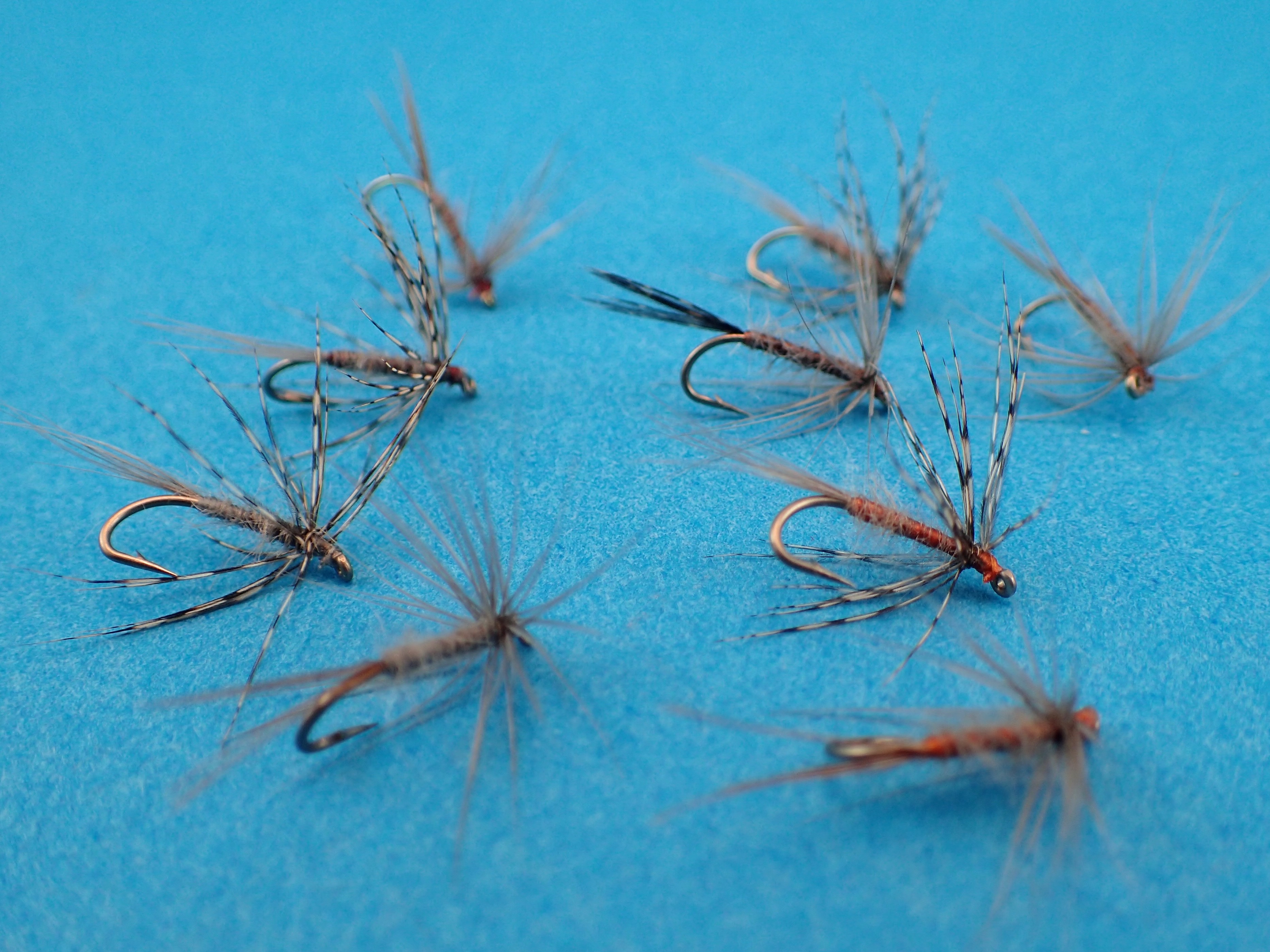
So simple, just like a trout’s brain. Wet flies like these soft hackles have been catching trout for hundreds of years, and the fish aren’t getting any smarter. Come learn more at “Wet Flies 101” next week at the LIFR meeting.
Here’s a great question from Will: When you are running your gurgler/eel dropper setup, how are you setting the hook on a dropper take? Trout land tells me to set down and across the direction of the drift, but saltwater land is telling me to strip set. He’s referring to my suspension dropper rig where I’ve got a floating fly on point and two smaller flies on dropper tags.
This is a question to which there is no simple answer. My best attempt at a distilled response would be: Strip set. (Kindof.)
Here’s why it’s a little complicated. There are multiple factors to consider, such as conditions; current; the type of take (feeding frenzy slam, gentle sipping take, greased line swing inhale?); the position of the rig relative to you, etc.
When I’m fishing a suspension dropper ring, I am rarely using a stripped presentation (the closest I’m getting to stripping is something akin to a slow gathering of slack line) — so I’m not doing a traditional strip set. Instead, when I need to set the hook, I most often hold the line against the cork and thrust the rod back toward my hips, essentially mimicking a strip set. Depending on the ferocity of the take and the size of the fish, I may set the hook in this manner multiple times. I always set and reset multiple times with a large bass. Even if I am doing a static presentation like a straight dangle, I have the line in one hand and am ready to spring into action.
Sometimes the striper eats the fly, turns and swims away, thus setting the hook himself. (This is why I preach sticky sharp hooks, and checking your hook points often.) You may need to reset; wait until the fish stops moving, then point the rod at the bass, and set as outlined above.
And sometimes you feel the pressure of the fly being sucked in, or maybe a just a small tap. You should wait to feel the weight of the fish before you do any setting — otherwise you may come up with nothing. This is especially true during a greased line swing or when you’re on the dangle.
A near-slot bass taken this summer on an Orange Ruthless, part of a three-fly team. The strike came just as the presentation transitioned from swing to dangle, about 50 feet below my position in a moderate current. In this case, she was feeding with confidence and blasted the fly, setting herself. I executed a thrust set to drive the hook further home, and a couple minutes later I was taking this photo.
Some of the things you’ve never done are accepted as not to be reasonably expected. You’ve never gone skydiving. You’ve never climbed K2. You’ve never dated a Sports Illustrated swimsuit model.
But it seems improbable that until a few days ago, I’d never fished the western United States.
I had my chance in the form of family vacation to the Grand Canyon. We’d do our thing in Arizona, then head northeast to Colorado, where I’d have two days to fish the legendary South Platte River. For years, I’d been reading about the South Platte in books like Ed Engle’s Trout Lessons; Landon Mayer’s The Hunt For Giant Trout; and especially Pat Dorsey’s Fly Fishing Guide to the South Platte River. I’d casually said hello to Pat before, but I got to chat with him at the Edison Fly Fishing show last January. He wasn’t available to guide me, but Chris Steinbeck, another guide at The Blue Quill Angler, was. Done and done.
I have a love/hate relationship with every guide I’ve hired. They’ve all been really good, but as a night owl they’ve all horrified me with lines like, “We’ll meet at the Cheesman Canyon parking lot (over an hour drive from our hotel) at 7am.” Such is the price to pay for fishing in paradise. And paradise it was.
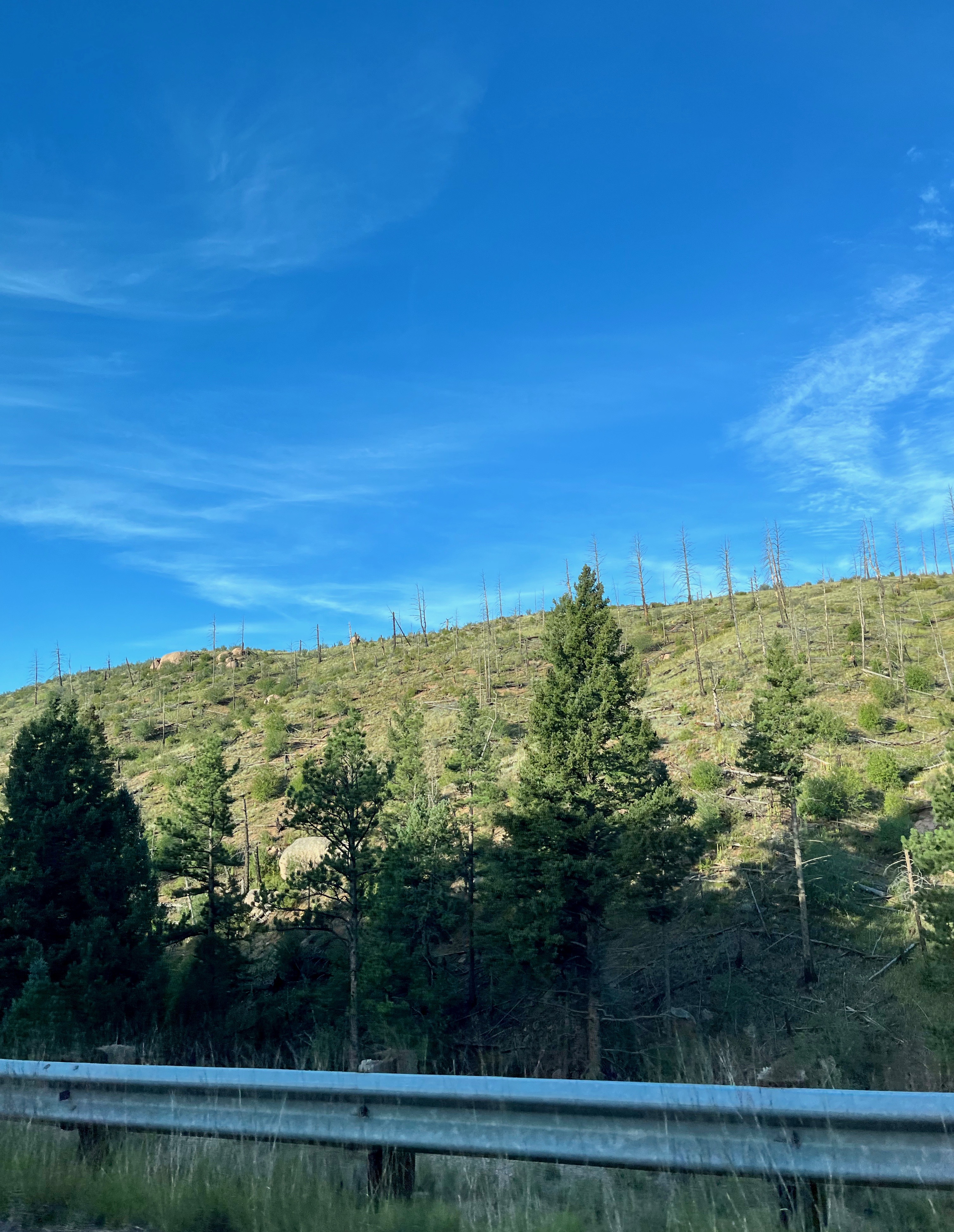
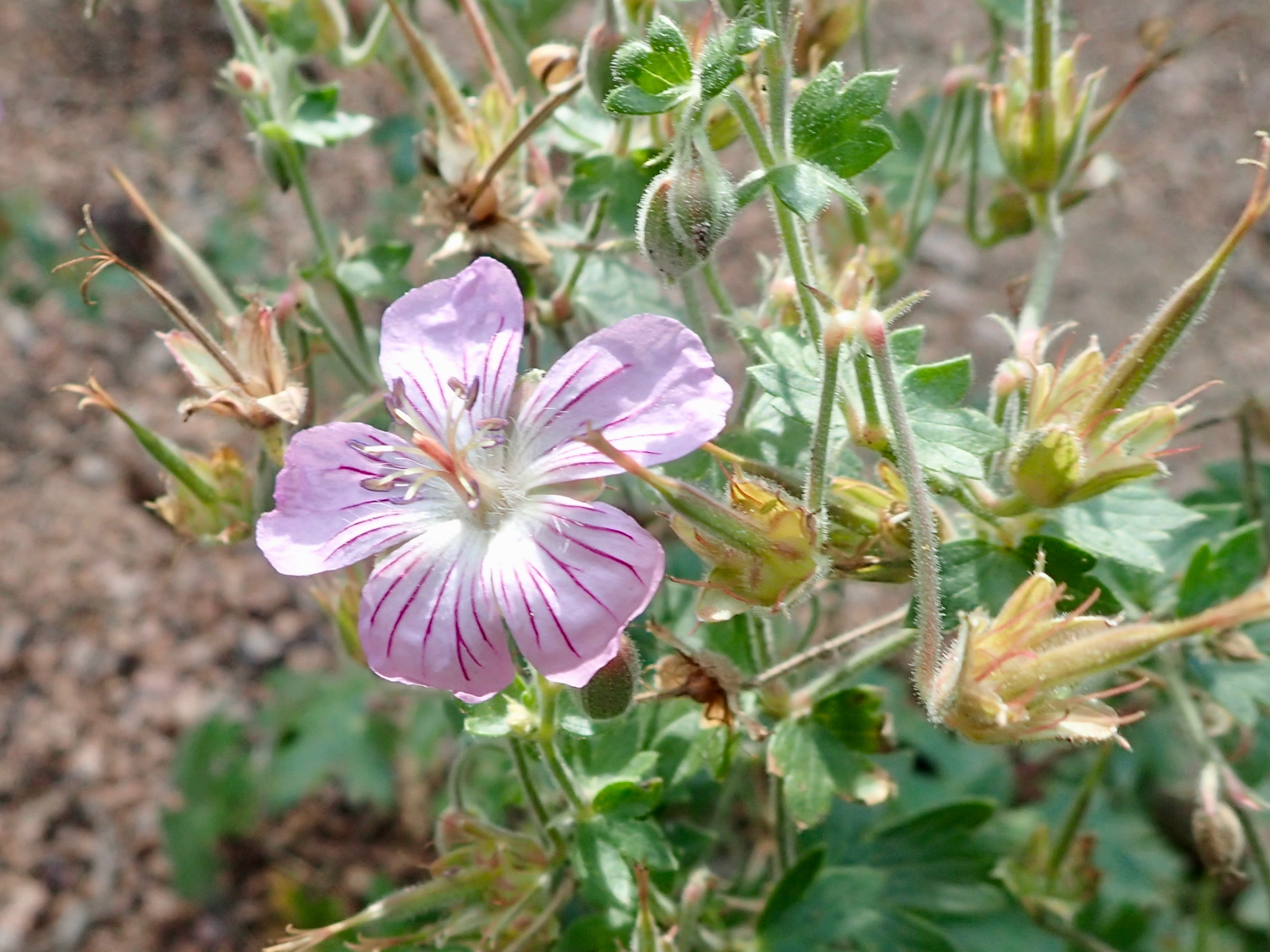
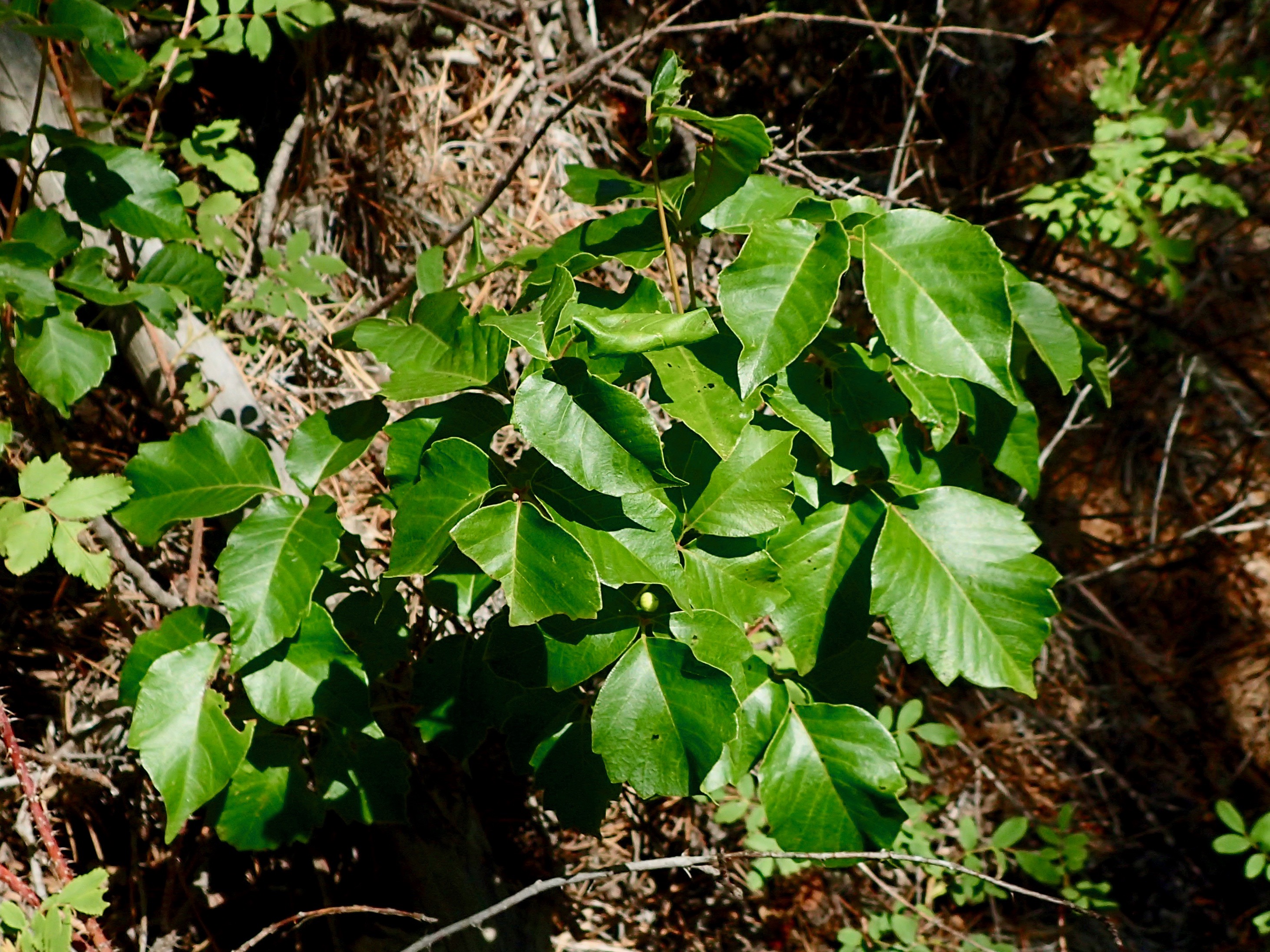
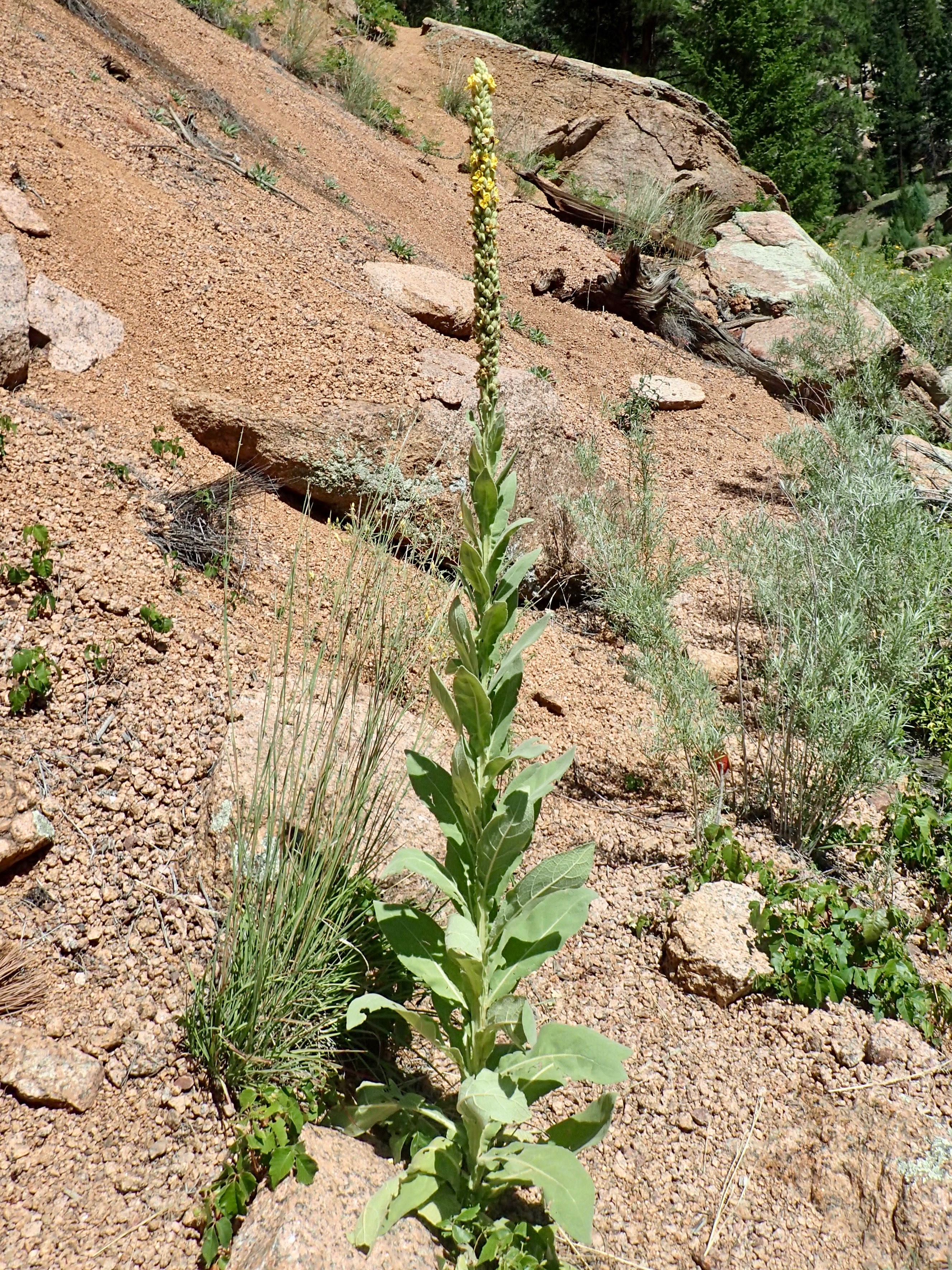
On the drive through Pike National Forest, there were long stretches of wildfire remnants. But you could also see the earth beginning the healing process. Nature finds a way, right? Much of the the drive was a twisting, turning route through the mountains. My wife made the comment that auto brake shops must do very well out here.The North Fork of the South Platte winds along Rt. 285. Much of it is pretty meadow water like this, but it also has some gnarly whitewater sections. I was told this section is mostly stocked fish, perhaps why I didn’t see anyone fishing it during our drives.That headline don’t lie! We didn’t gear up in the parking lot; we packed our waders, boots, gear, and food/water into the canyon. The first day we hiked in to Cow’s Crossing, which is a one mile one-way trek. The trail isn’t particularly steep, but it does have ups and downs and rocks and gravel that would very much like to trip you up. There are also some trailside ledges that, if you are inclined to suffer from vertigo, you should not look down! The walk in during the cool of the morning almost seemed fun. It’s the hoof out that gets you. Chris and I went way into the Canyon on the second day. It was an hour walk, one way, and the trip out had me taking frequent water and rest-my-weary-bones breaks.There are specific access points to the bottom of the canyon from the main trail, and this ain’t one of them. I took this shot from a mark we fished on the second day. That’s a long way up!Cheesman Canyon possesses a stark beauty, much of it consisting of dreary earth tones: rocks, gravel, truck-sized boulders, and dead vegetation melding into one giant sun-bleached brown-grey blandscape. But it’s also dotted with evergreens and grasses and lovely gems like this wildflower.And there’s poison ivy. Lots of it. “Irving,” as I affectionately call it, is everywhere. Irving was kind enough to hitch a ride home with me, evidenced by a quarter-sized conglomeration of blisters on my left forearm. It’s ridiculous how easily it finds me.We have this plant, mullein, in Connecticut. It’s colloquially known as cowboy (or indian) toilet paper. You can do whatever you like with any plant’s leaves, but I would advise against using Irving for this purpose.Stay tuned for part two of “Way Out West”: The South Platte River.
I don’t know if you’ve noticed, but suddenly it’s fall. The shadows have started getting longer earlier. There’s an early morning nip in the air. (At least my wife tells me so — I’m still sleeping when she’s out running.) There are even a few leaves on the ground, although that can be attributed to drought as much as anything. Nonetheless, fall has begun, and for striper anglers in the northeast fall means finger mullet. The September Night pattern can be found in Ken Abrames’ classic Striper Moon. It was one of the featured patterns in my 2015 American Angler article Soft Hackles For Striped Bass.) You don’t even need long flatwing saddles to tie it — I’ve gotten away with stung hackle in a pinch. Just look for chubby, webby feathers.
Ken Abrames’ September Night
Hook: Eagle Claw 253, 1/0-3/0; Thread: white 6/0; Tail: 30 gray bucktail hairs, then two white saddle hackles tied in flat, then two strands silver Flashabou; Body: silver braid; Throat: sparse, long white bucktail tied as a 3/4 collar, both sides and bottom; Collar: white marabou, folded or doubled 3-4 turns; Wing: 30 long white bucktail hairs, then 15 purple bucktail hairs, then 2 strands blue Flashabou, then one natural black saddle hackle.









 currentseams.com