Farmington River Report 9/4/14: Delusions of Chrome

I don’t care how good an angler you are: sooner or later, you are going to make a mistake on the water. Sometimes you pay. Others, you still inherit the forune. On this morning, I got a little lucky.

It was another session dedicated to the nymphing cause. I hadn’t been doing any serious nymphing since there was ice along the river’s edge, and it felt good to be returning to my fly fishing roots. The first spot I visited was a blank. I fished it hard for 45 minutes, then decided to head upriver.

Another ten minutes without a take. Then down went the indicator. And this is where I messed up. I had been repeatedly reminding myself, “set downstream.” So what’d I do? I set upstream, as Eric M so eloquently expressed it, “instinctively doing the wrong thing.” Almost immediately, I corrected with a hard downstream set. Thus begineth the battle. I could see I had something good after his first impressive clear-the-water-by-a-few-body-lengths aerial, followed by one desperately ugly surface somersault. All worthy of fresh chrome. Eyeballing aside, I can always tell I have a good fish when I have an “I think I may be snagged on the bottom” moment. Then I feel that dampened head shake sensation as the fish yields to the pressure. This cantankerous creature did not want to come to net. After several runs and a short walk downstream, he was in.

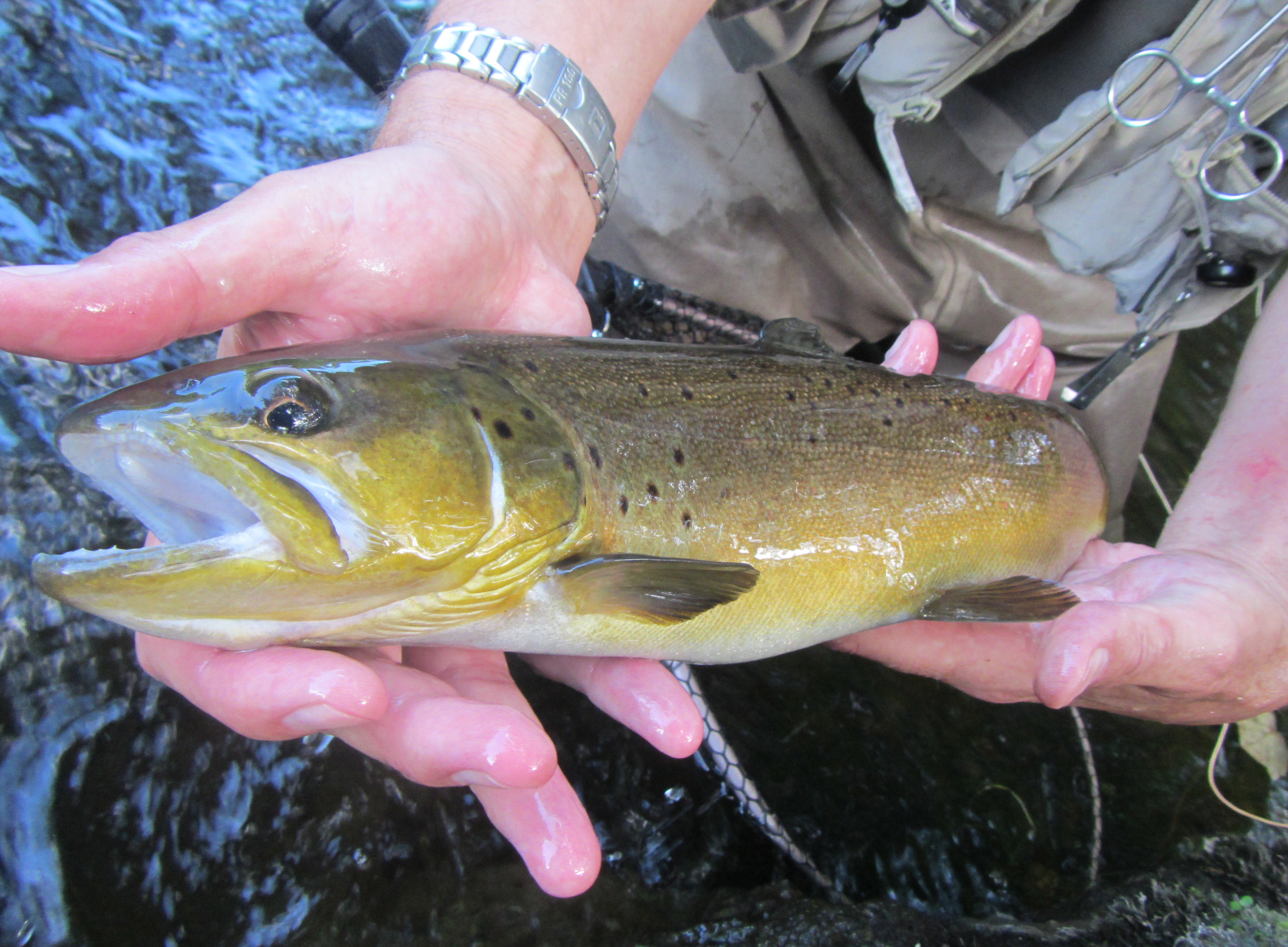
Another fish that clearly has been in the river for some time: wide pink banding, perfectly formed paddle tail, and just look at those fins. Fat, healthy, and powerful — he’s been eating well. A measurement placed it just a bit shy of the 20″ mark. No complaints here.

Big Rainbow 9-14

A few minutes later, I landed his younger brother. Then a wild brown. Spot C, another classic nymphing hole, delivered a few more wild browns. As the sun edged past its noon zenith, I fished Spot D, a collection of current seams (oh, that phrase), pockets, plunges and runs. Another brown, and then what I believe to be a brown/Atlantic salmon hybrid*. I am not exaggerating when I tell you this guy made head high aerials. (That is correct. Plural.) I figured rainbow, because of its color and acrobatics, but when I got it to hand it looked — well, different. Damn me, I didn’t think to get a picture. 

Here’s what was most fascinating to me today: I fished a two fly nymph rig with a size 12 bead head Squirrel and Ginger on point and a size 14 soft-hackle Pheasant Tail top dropper. The fish took both flies — but with one exception, all the wild browns took the soft-hackle. Again, some very subtle takes on the soft-hackle — almost like the indicator stalls for a microsecond. Set, and I was on.

The rainbows found the size 12 bead head Squirrel and Ginger to their liking.

BHS&G Nymph

*In conversations with DEEP Fisheries biologists, they’ve revealed that they think some of the more precocious Atlantics canoodle with browns. I believe this is the second such offspring I’ve caught.


Farmington River Mini-Report 8/22/14: Wet and wild

I had two hours to fish on Friday afternoon, so I jumped on it. I bounced around the lower river, visiting a few spots that I hadn’t fished all year. The air had a fall-like feel; it was overcast, and the river was running at 417cfs and 66 degrees. Bug activity was sparse and sporadic: a few small caddis, midges, and BWOs. 

This was a dedicated-to-the-wet-fly-cause outing. I swung a team of a sz 12 hackled March Brown on top, a sz 14 Drowned Ant in the middle, and the old reliable sz 12 soft-hackled BHPT on point. (I like a tungsten bead head fly on point when the water is running higher than normal. With a few strategic mends, it sinks the team faster, and also expedites deeper short line dead drift presentations.)

The PT was the runaway favorite fly. I hooked a nice assortment of wild browns with a few JV salmon in the mix. I had some hideous luck as well: not once, but twice I lost a good fish when he went deep and one of the flies on my team got entangled on rocks or vegetation. I lost two-thrids of my rig on the last one and called it a day.

Fat, healthy, and ready to rumble, these wild Farmington River browns are a treat to catch. Many of the takes today were subtle; more of a building of pressure on the mended swing than a clobbering hit. Good stuff.

IMG_2344

The Black Caddis Spider

Last week on the Farmington I noted a substantial number of black caddis, about a size 16, hatching in the afternoon. I’d never seen them in that number before. While I had some patterns in my box (Stewart’s Black Spider, Starling and Herl) that matched the hatch, I wanted to tie up something that I could pretend was my own. This borrows from Leisenring’s Black Gnat and the S&H. On a stouter hook –and with a bead head — it would make a fine steelhead fly as well.

Black Caddis Spider

Image

Hook: Size 14-16 wet fly
Thread: Black
Body: Black pheasant tail
Rib: Extra fine copper
Hackle: Starling
Tying notes: A very simple tie. I used three pheasant tail fibers for the body. Counter-wrap the rib to reinforce the body, and play around with different color wires. I went for a longer-fibered starling hackle with this fly.

Farmington River report 6/4/14: The return of the hat

Since yesterday’s outing was cut short by cloudburstus interruptus, I returned to the river today to finish the job. A quick in-and-out session before I had to go pick up the kids. Oh. And I had the hat this time. Much better. Life is beautiful. All is as it should be. Spot A was a 100-yard snotty pocketed run that proved to be a treacherous wade (the river came up slightly from last night’s rain, but was running clear). I managed two rainbows and two browns as I swung wets along its length. The size 16 black caddis were massed again, but there were no risers that I could see. Plenty of midges in the air, and a few stray small tan caddis. If you’ve ever taken my classes, or heard my “Wet Flies 101” presentation, you know I preach that absent any hatch activity or actively feeding fish, move, cover water, and present your flies in the most likely holding water. If you want to catch more trout on wets, I cannot emphasize this enough. All four fish came in different sections; all came because I was willing to wade and cover water. Another commonality was that all four took the point fly, a tungsten bead head soft-hackle Pheasant Tail, on the mended swing.

I made one more stop. It’s 50-yard section of river that I haven’t fished in at least five years. Once I remembered where the cafeteria line is, I came tight to a rainbow who thought he was a steelhead. One sky-high aerial, a bit of deep sulking, then another aerial before he spit the hook.

Not a bad way to spend 90 minutes in the mid-day June sun.

Where were you yesterday when I needed you?

Image

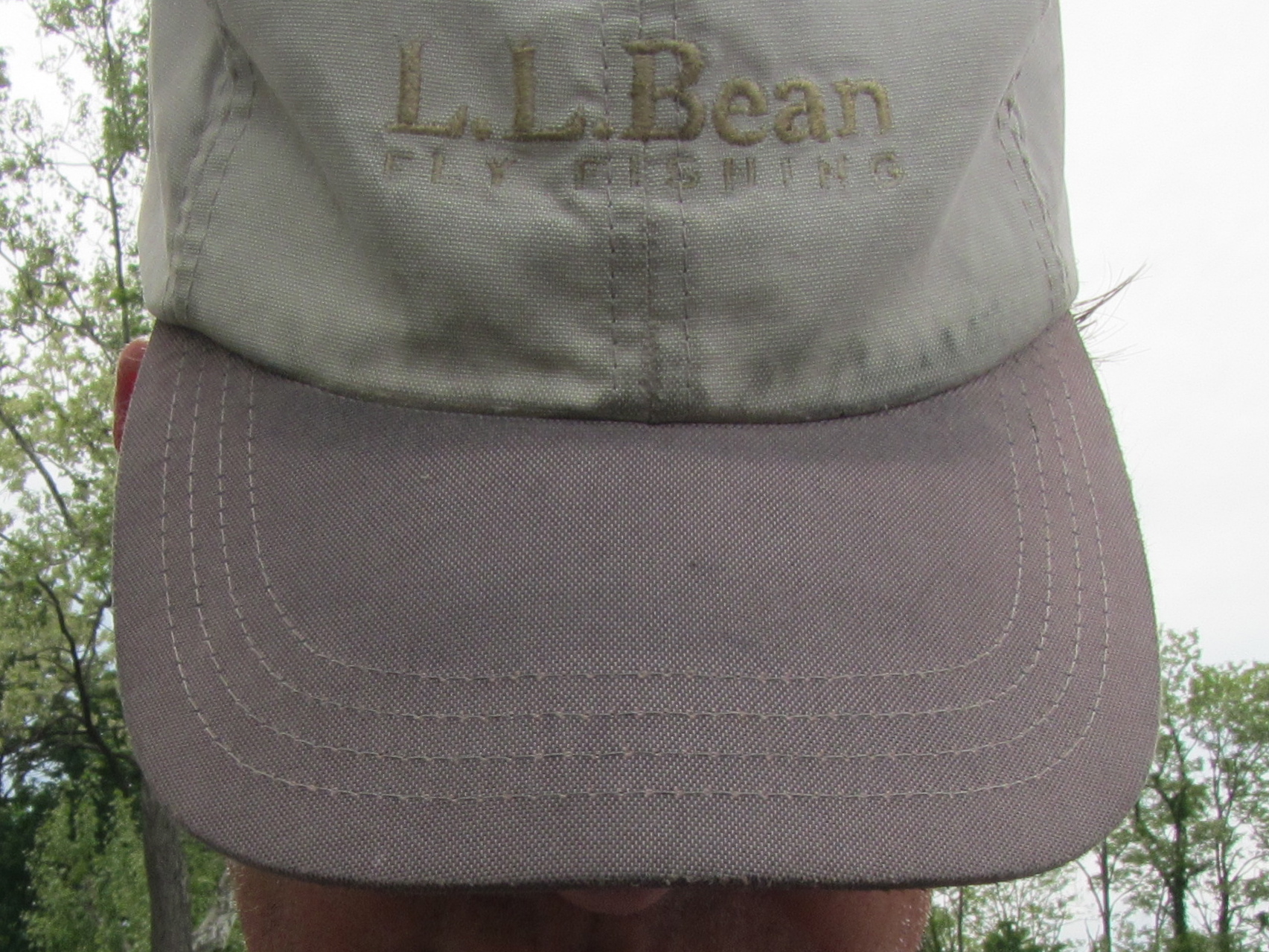
Farmington River Mini Report 6/3/14: All for the lack of a hat

Fished the Farmington from 3pm to about 7:30pm. Today’s mission was to hit a bunch of spots I haven’t fished in a long time, swing some wets, anticipate a strong evening hatch, and hope the trout were looking up. Things started poorly when I forgot my fishing hat. I mean, I need my fishing hat. My head felt naked. Exposed. It just wasn’t right. Serves me right for wearing it to Sunday’s soccer games, then taking it into the house (the hat stays in the truck when not in use. Idiot.) Spot A was a run that dumps into a deep pool. Swarms of mating black caddis (size 16) everywhere. No hits. I was surprised. Moved down to a second run where I scored Rainbowzilla. He took a size 10 soft-hackled bead head Pheasant Tail on a dead drift. This guy went straight to the reel and peeled off twenty feet of line. Just as I was netting him, he popped off. My rig flew into a tree. Lost it trying to retrieve it. I blame the lack of a hat. Motored off to a tricky wade where I was sure I’d get into trout. Nope. Just juvenile salmon. Two of them. A hundred yards down, hard against a bank, is a deeper-than-you-think little run. Same drill: dead drift, second mend, and I’m on with Son of Rainbowzilla, another some-teen inch brute. Unlike the first rainbow, this one had been in the river for a year. Deep pink lateral band, fatter than Mama Cass, and flawless paddle fins. Netted him, then lost him when he leapt from the net as I readied the camera, snapping off the bottom two flies on my team of wets. This bad mojo is clearly what comes to those who are foolish enough to leave their hat at home. The next two runs involved a lot of walking for absolutely no catching (have I mentioned that I forgot my hat?). Ended up at a place where I was sure the late afternoon transition into evening would bring a substantial hatch of Light Cahills or Sulfurs. Instead, I got a picking-up-breeze and ominous clouds …but nonetheless, some trout willing to jump on. I took two more rainbows in a half hour. Then the heavens opened up. Just when I was saying, “OK, time to go” out loud, bam! A nice wild brown. All three fish again took the point fly, a simple bead head, plain rabbit fur fuzzy nymph — only every take was on the swing. I got totally soaked on the way back to the car.

I really wouldn’t have gotten so wet if I’d had my fishing hat on.

A bronze totem from the wild tribe. He’s the reason I took such a good soaking. Thanks, friend.

Image


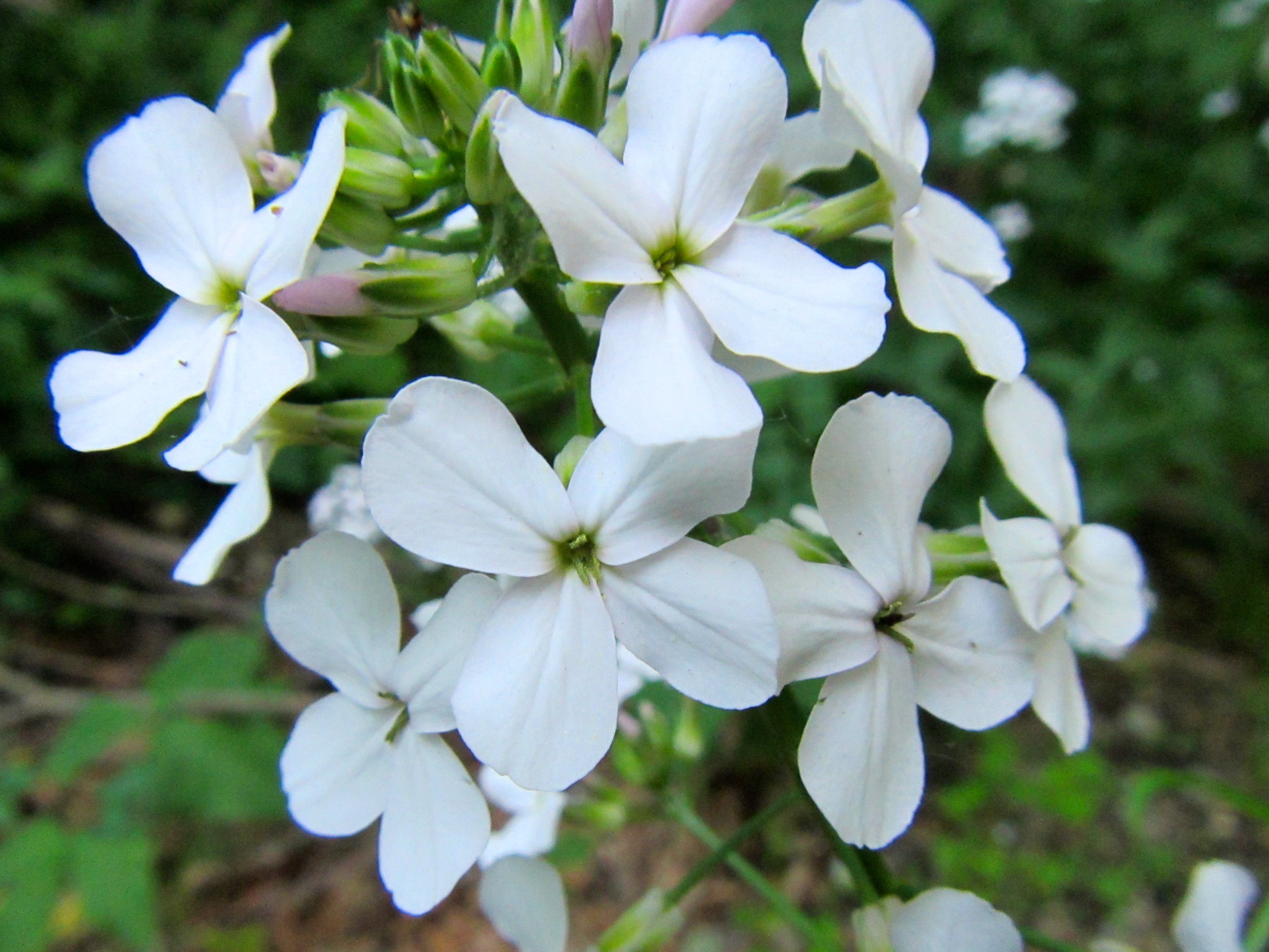
These simple white flowers are all over the river. They have dark and light blue cousins, too.

Image


And, we’re underway

Kicked off my 2014 guiding season yesterday with Matt. Matt wanted to take my Wet Flies 101 half-day course, and we headed to the upper TMA in search of feeding fish. Two-thirds of nature cooperated; an absolutely glorious late April sunshine, and a snow flurries-like caddis hatch (with a few Quill-something mayflies and mounds of midges for good measure). Unfortunately, the third that really counts was in absentia. Not a damn riser anywhere. Nothing for the nymphers, and even the spin guy only managed one on his Rooster Tail. Off to below the upper TMA, where Matt rousted up a nice brown on a bead head soft-hackle Pheasant Tail. Speaking of Matt, it was gratifying to see how much he improved over the course of just a few hours. So often, you get out of something only what you put in, and he worked hard on his mending and wet fly presentations. By the end of the day, quality drifts were the rule rather than the exception. Well done, Matt!

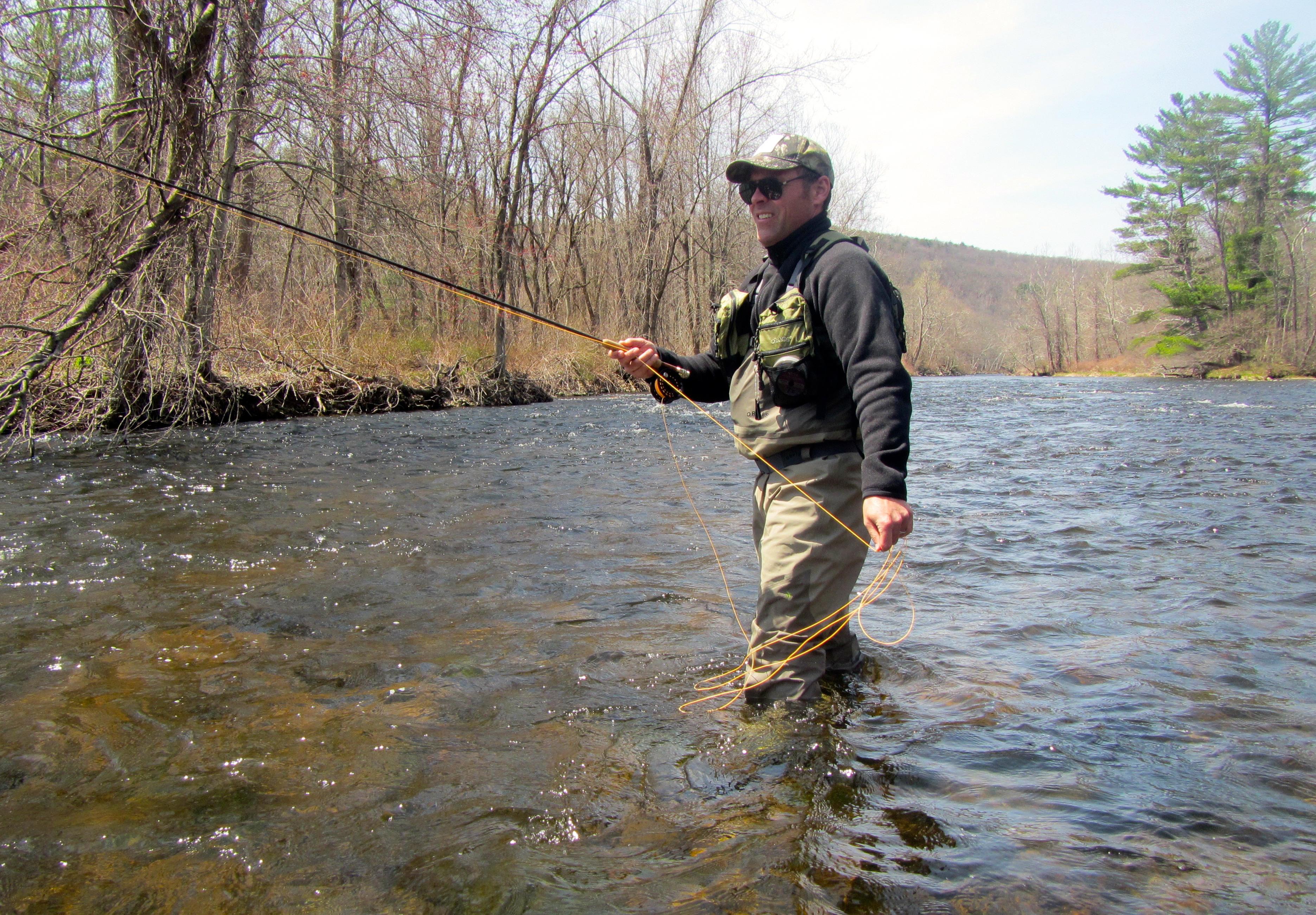
Matt executing a mended swing, focused, intent, and best of all having fun.

Image


After our session ended, we headed downstream where we found some fish willing to jump on. I also saw the first Hendricksons of the year, although two doesn’t make me do handsprings — and there was nothing rising to them. Not to be a wet blanket, but my enthusiasm is also tempered by the fact that we’re in for some cold, wet weather over the next few days. But come, they will.

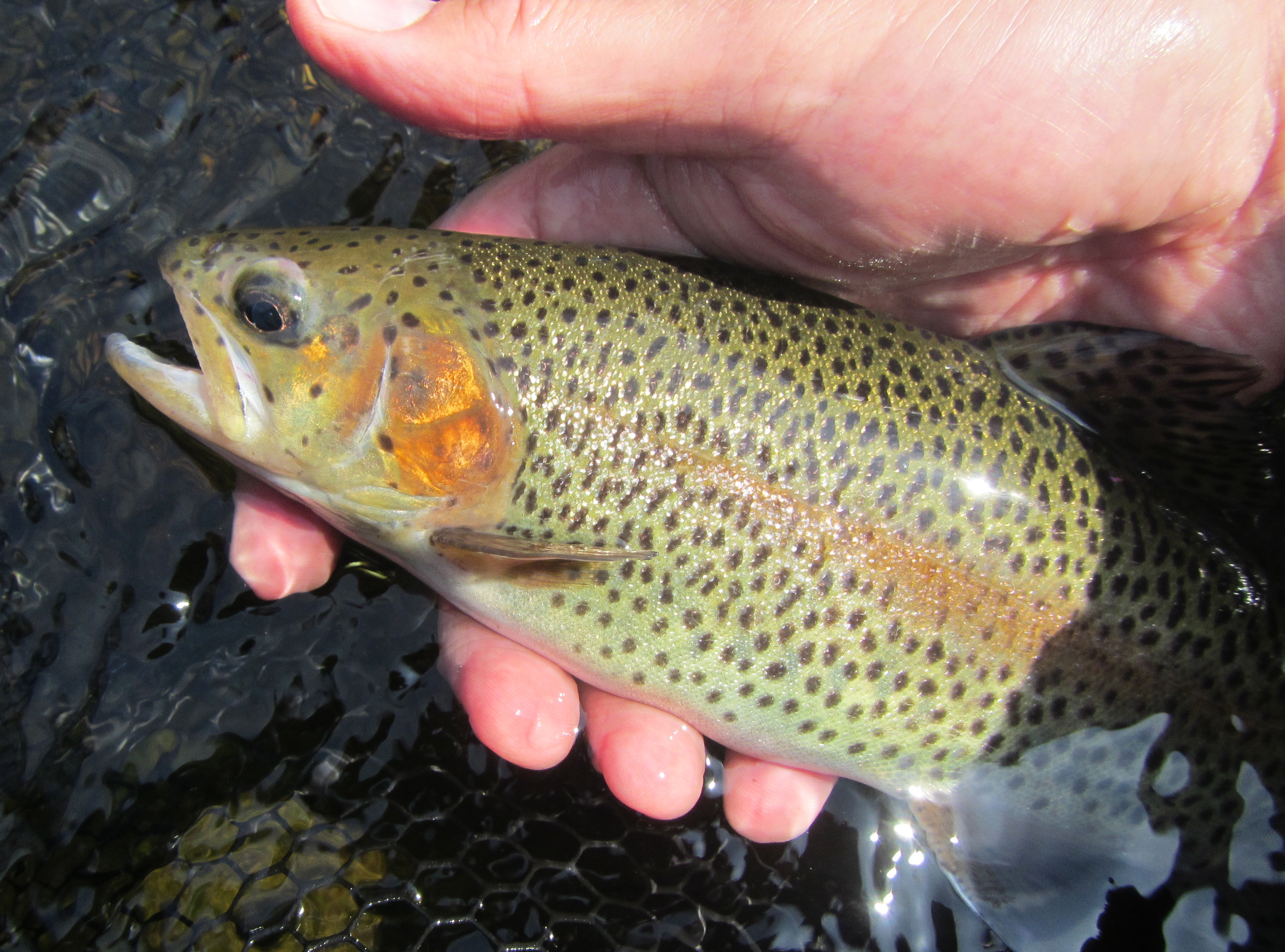
An intriguingly marked rainbow that took my BHSHPT. Love the colors on the gill plate. Landed a nice wild brown as well, and LDRed a third. A fun way to end the day.

Image


A good night to give a wet fly presentation

Had enough rain yet? I can only imagine what your favorite trout stream looks like. One of those neither man nor beast nights, so I was astonished to see such an impressive turnout at the Thames Valley Chapter of TU meeting. “Wet Flies 101” was the topic. I can’t say enough good things about this group: we had projector difficulties, hardware interface problems — just about anything that could go wrong, did. That is, until several chapter members pitched in and pulled it all together for me. My hat is off to you. Thank you for having me, thank you for helping me, and thank you for being such an attentive and curious audience.

It was also nice to see so many familiar faces. You know who you are.

We could use a little sunshine breaking through the mists.

Image


.

“Wet Flies 101” Presentations in February 2014

If you’re interested in wet flies and are within driving distance of Danbury, CT, or Coventry, RI, mark your calendars for February 2014. I’ll be making my presentation of “Wet Flies 101” to the Candlewood Valley TU chapter (cvtu.org) on Tuesday, February 11, and to the Narragansett, TU chapter (tu225.org) on Wednesday, February 26. You don’t need to be a member to attend, and you can get directions and times from their respective websites.

Wet flies have been fooling trout for centuries — and the fish aren’t getting any smarter. While the wet fly fell out of favor in America decades ago, more and more trout anglers are discovering that the best match for a hatch is often a wet fly. “Wet Flies 101” is a basic overview of the method. I cover history, fly styles, leader construction, where to fish wets, and presentation. Hope to see you there!

This big summertime brown took a Drowned Ant soft-hackle on the Farmington River.

Image

The Drowned Ant is a simple soft-hackle, based on the centuries-old pattern Starling and Herl. Trout can’t resist this fly.

Drowned Ant

Big Steelhead Spiders

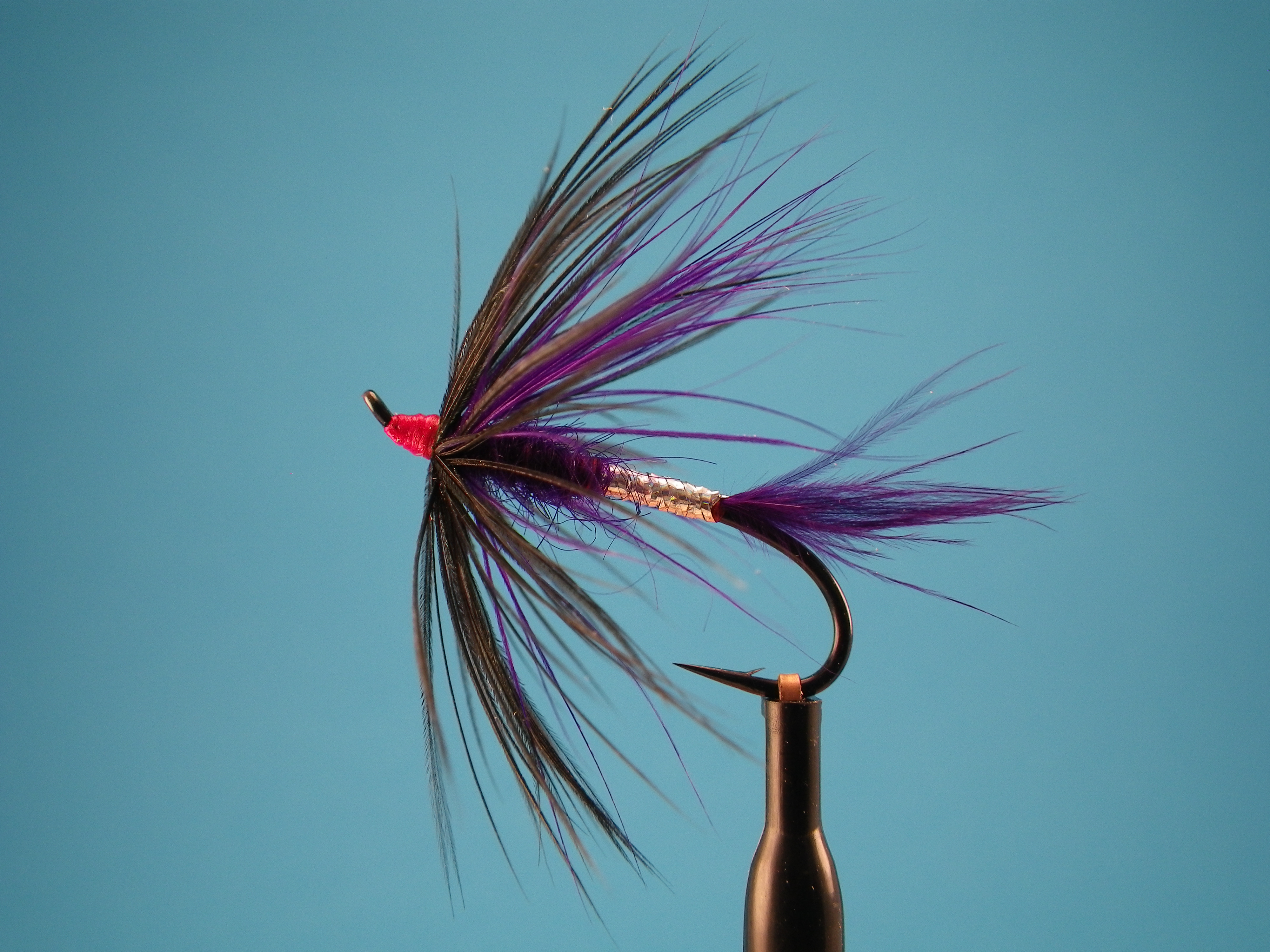
I’ll admit it: I’m a fly nerd. I love poring through books, looking for new patterns, old patterns, and flashes of inspiration. Trey Combs’ Steelhead Fly Fishing is a terrific resource for the steelhead aficionado, with a significant number of pages devoted to flies. That’s where I found these first two spiders. A more elegant offering than the average steelhead fare, and doubtlessly just as yummy. Flies that can be drifted along the bottom, then left to swing up and hang in the current, tantalizing any nearby fish. Combs attributes the Gold Spider and the Purple Spider to Karl Hauffler. I like his use of multiple birds for the hackles. These flies are tied on Tiemco 7999 size 6 hooks with 6/0 Hot Orange thread, save for the Purple Spider which uses red. Of course, you could tie these as large as you like.
~
Gold Spider
Image
Butt: Peacock herl
Body: Rear half flat silver tinsel (I used Lagartun mini braid), front half golden yellow angora goat
Hackle: One wrap golden pheasant flank behind two wraps brown pheasant (I used Coq de Leon). Finish with one wrap lemon wood duck.
~
Purple Spider
 Image
Tail: Fuzzy purple hackle barbules
Body:
Rear half flat silver tinsel (I used Lagartun mini braid), front half purple angora goat
Hackle:
Two turns deep purple hackle followed by several turns black pheasant rump

Thus familiarized with the template, here’s my own creation:
~
Ginger Spider
Image
Tail: Hot Orange golden pheasant crest
Body: Rear half gold braid, front half ginger angora goat
Hackle: One turn golden pheasant flank behind two turns grouse behind two turns teal flank

Yorkshire, Meet Pulaski: Small Steelhead Soft-Hackles

In The Soft-Hackled Fly, Sylvester Nemes writes about fishing for — and catching — steelhead on traditional soft-hackles like the Partridge and Orange. Here’s my steelhead take on four classic patterns, clockwise from upper right: Tups Indispensable, Snipe and Purple, Partridge and Green and Orange, and Grouse and Orange.

Small Steelhead Soft-Hackles

Image

These are all tied on 2x stout, 1x short hooks. They’re a size 10, so effectively they’ll fish like a size 12. Construction should be fairly intuitive from looking at the photo. But, here are the complete recipes.

~

Tups
Thread: Yellow
Tail: Dun hen hackle fibers
Body: Fluorescent yellow floss
Thorax: Hot pink yarn
Hackle: Dun hen
~
Snipe and Purple
Thread: Pearsall’s Gossamer silk, purple
Rib: Gold oval tinsel
Hackle: Snipe
~
Partridge and Green and Orange
Thread: Fire Orange
Body: 1/2 fluorescent chartreuse yarn, 1/2 fluorescent orange yarn
Rib: Gold oval tinsel
Hackle: Grey partridge
~
Grouse and Orange
Thread: Fire Orange
Body: Fluorescent orange yarn
Rib: Gold oval tinsel
Hackle: Grouse

Two years ago, I hooked (and ultimately lost) what was easily the largest steelhead I’ve ever done battle with. He took in the deeper end of a swift run that becomes a shallow whitewater nightmare at its head. I saw him clearly during his cartwheeling histrionics, and he was massive. We finally parted ways when he found a submerged logjam my leader didn’t get along with.

The fly he took was the one at lower left.

~

Steelhead soft hackles Rogues’ Gallery:

Snipe and Purple, November 2016

sr11_10_16