Hot off the press: the Farmington River book is at the printer!

This book-writing thing is like the building of Rome: it takes time. While I finished writing the “Fly Fishing Guide to the Farmington River” months ago, there are dozens of post-manuscript submission steps that must be completed — proofing galley pages, correcting mistakes, reviewing and re-reviewing — to ensure that we print a quality product. Yes, there will probably still be some errors, but hopefully, those will be minor.

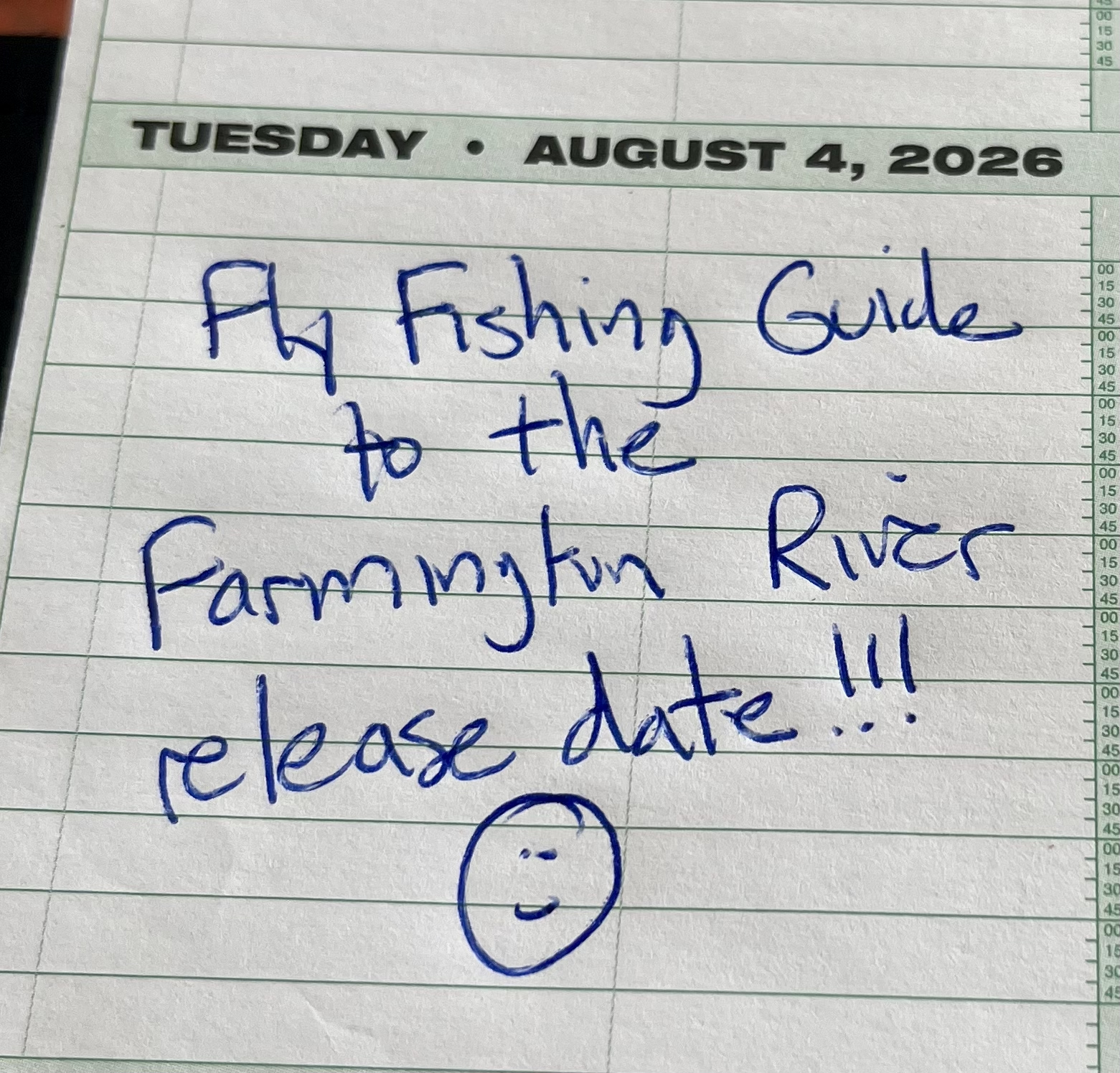
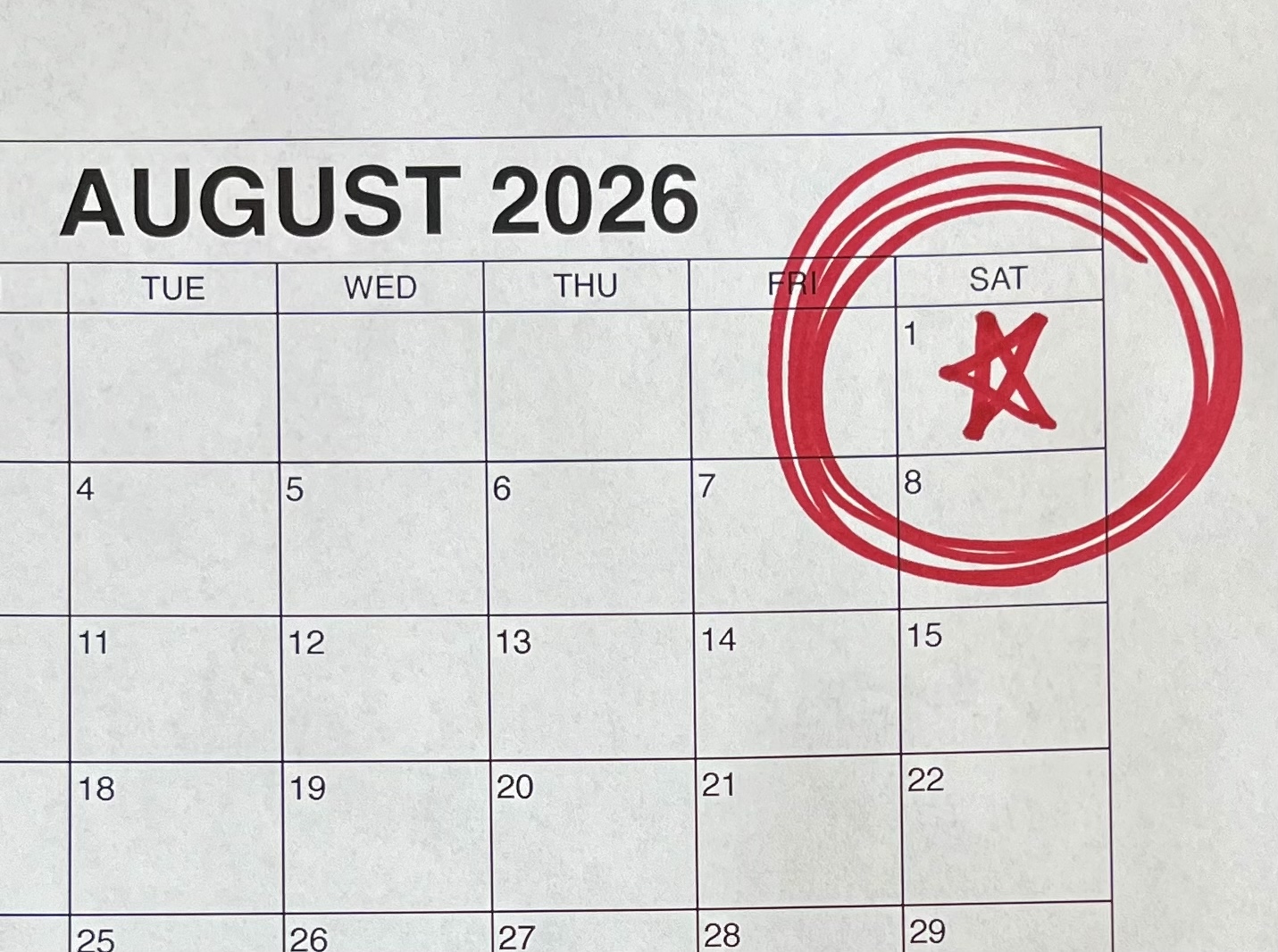
And now, as you read this, the book is at the printer! So now, we’re at printing, then binding, and hopefully I get my advance copies in a couple month. As of this writing, the scheduled release date hasn’t changed, and that’s June 1. Of course, I will update you here and on other social media channels as new and better information comes in.

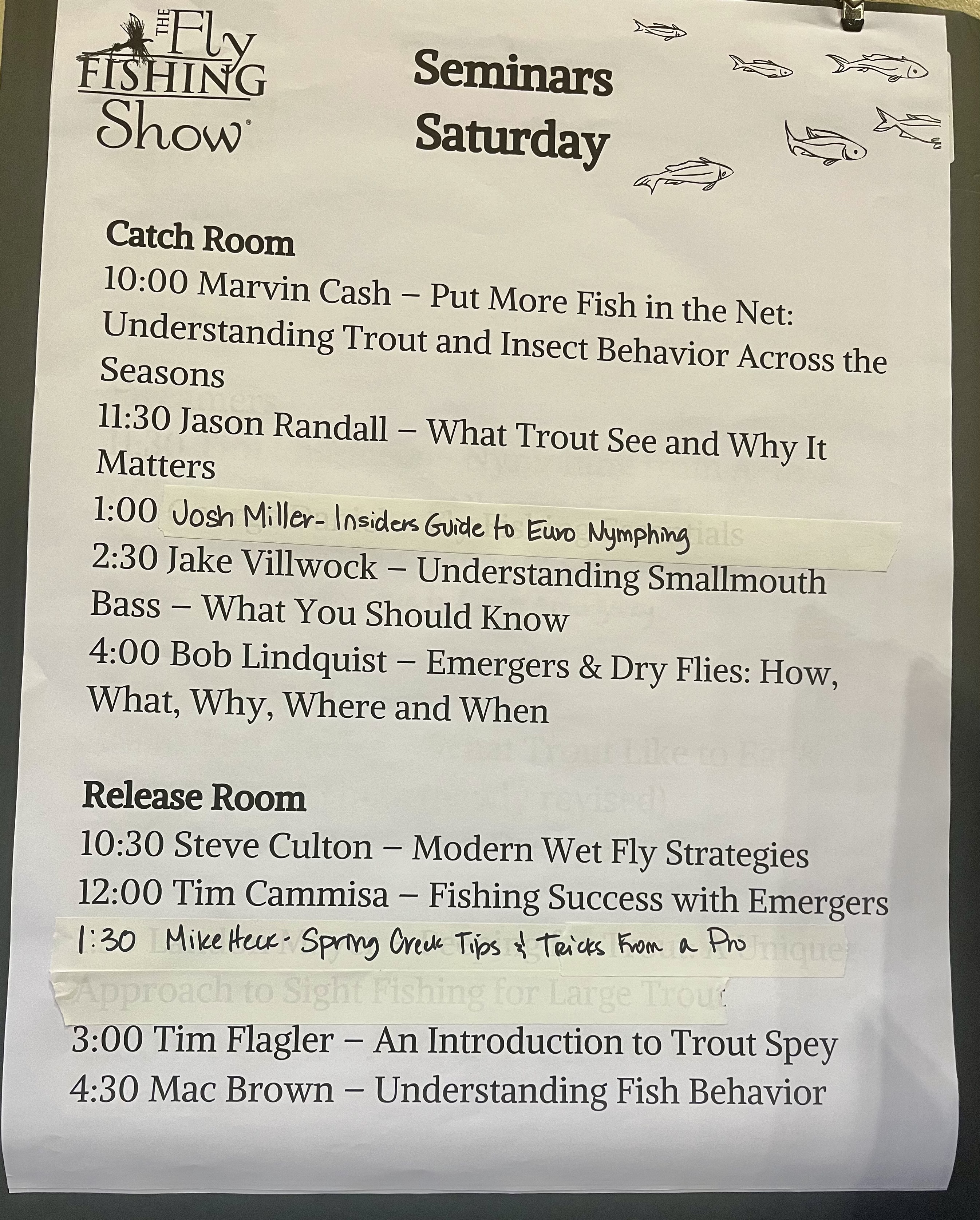
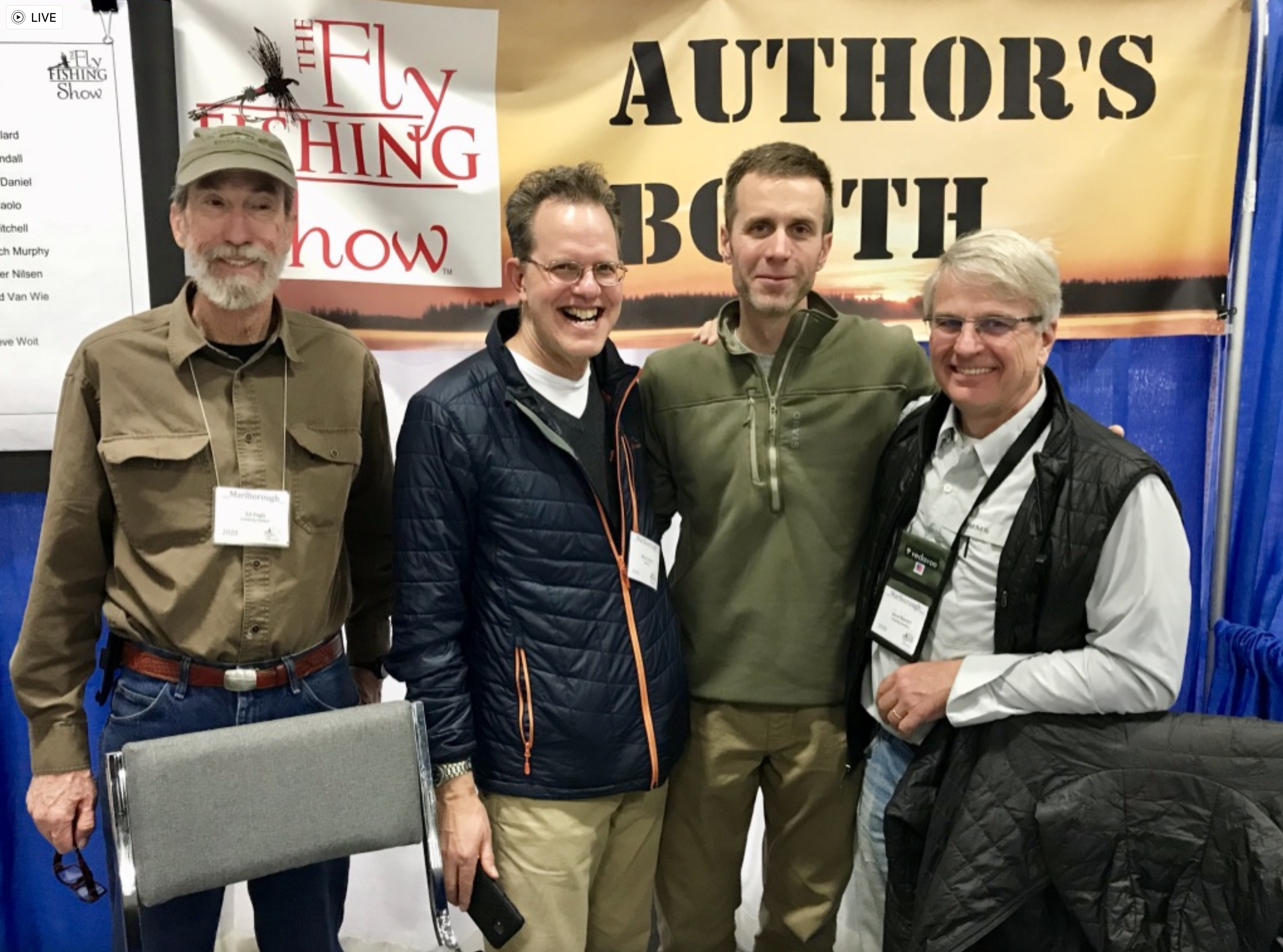
I’m looking forward to sitting under this sign, pen in hand!

I’m still undecided about when and how I might sell books from this site. There may be a mass pre-order, which would likely be cash, check or Venmo only, then out go signed copies into your hot little hands. I first need to research the costs of doing that business. Again, you’ll find out here once a decision is made.

I love the positive energy and anticipation I’m feeling from people who are really looking forward to the book. Believe me, I share your excitement!

Currentseams Q&A: What to fish on the Farmington right now?

Today’s question comes from Charly F, and it’s a good one. Q: What might you fish on the Farmington during January to March with no real hatches going on?

A: Let’s start with the hatches. There are times during the winter when there’s plenty going on hatch-wise. We don’t have the glamour mayfly hatches, but midges hatch year-round, and are a primary food source. You won’t see trout splashing on the surface like you will during a June Sulphur emergence, bit it is possible to find trout sipping midges or W/S Caddis (a hatch that is sadly on a downward slope) or early stones on the surface or in the film. It should be also noted that March is very different from January and February. But that’s an entirely different article!

If the question is, what does Steve Culton fish on the Farmington in the winter, I can be more specific. I used to do some winter dry fly fishing on the Farmington, but for various reasons I’ve cut back on that. (If I saw fish actively feeding on the surface, I would not hesitate to go the dry fly route.) Most of my winter fishing is nymphing or streamers. The method I choose depends on conditions and what I feel like doing on that day or hour. Much of what is hatching or available to trout in the winter is small. So if I’m nymphing, we’re talking a point fly no bigger than a #14 (like this Frenchie variant) and a dropper above it that’s a #18 or smaller, like a Starling and Herl. That gives me a mayfly/caddis nymph and a something midgey to show the trout. I’m less hung up on patterns than I am presentation: the best winter nymphs are often the ones that are presented at a dead-drift along the bottom in a trout’s feeding lane.

The book will be a tremendous resource for anglers who want to fish 12 months a year. I’ve divided the year into three-month quadrants, and list fly patterns of all types. You’ll also find seasonal strategies to help you determine fly selection, and when and where to fish.

Streamers are a different animal. You’ve got to be willing to accept blanks in the winter. But if the streamer bite is on, you’re going to have fun. I tend to favor core patterns like Coffey’s Sparkle Minnow or my Deep Threat. I don’t go bonkers trying to find a magic color. As with nymphing, presentation matters. I may simply do mended swings. I may go for depth with an integrated sink tip line, weighted fly, and then a slow retrieve. I may do both. What is paramount is that I cover water. I’m looking for that one trout that has a protein payoff in mind.

What’s important to note is that the winter bite can be notoriously fickle. Some days, it doesn’t exist. Other days, it’s 30-45 minute window. Some days (however rare) the feed bag is on from 11am-3pm. Hope that helps!

Currentseams Best of 2025: #1

Admit it: you saw this one coming a mile away. If so, pat yourself on the back, and treat yourself to a New Year’s toast. If you missed with your guess, there’s always next year (now only 365 days away)…

#1: Finishing the Fly Fishing Guide to the Farmington River. I have to admit that while I knew this book would be a lot of work, I didn’t know it would be as much work as it was. Part of it was that I thought I had finished half of it back November 2024. The reality was, instead of over 50% of the manuscript, it was only around 40% of what eventually became over 100,000 words. Then, I needed more photos. I finallyfinished it in June this year. And technically, I’m not quite done — I’m still waiting for final page proofs for final approval before it all goes back to the publisher during the first week of January.

And then…it’s off to the printers and hurry up and wait. As of this writing, I still think we’re publishing June 1. I’ll let you know as the drop date draws near. I’ll also let you know if I’m going to be doing a pre-sale here. Again, tbd. Looking back, I’m immensely pleased by what I’ve written, and I think you will be, too. And of course, there’s one more big question to be answered: What’s my second book going to be about?

While this cover follows the Stackpole “Fly Fishing Guide To” format, I do like it. Bob Lindquist took the hero shot, and that’s Joey Takeman’s box on the lower left.

Currentseams Best Of 2025 #10-#6

I normally do my yearly “Best Of” wrap-up in four segments of 3-3-3-1, but since we’re running out of days, we’ll do it in three. And away we go!

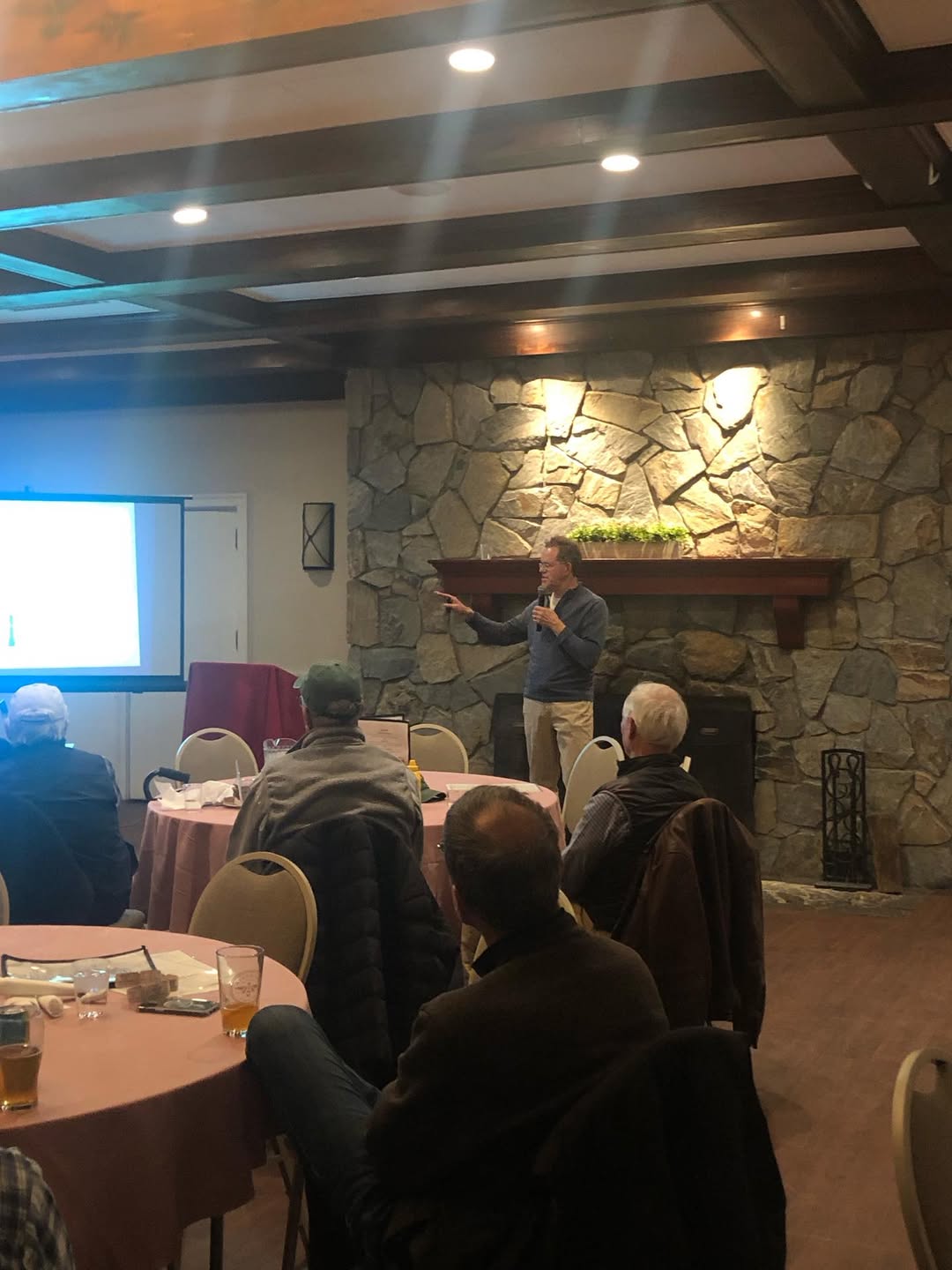
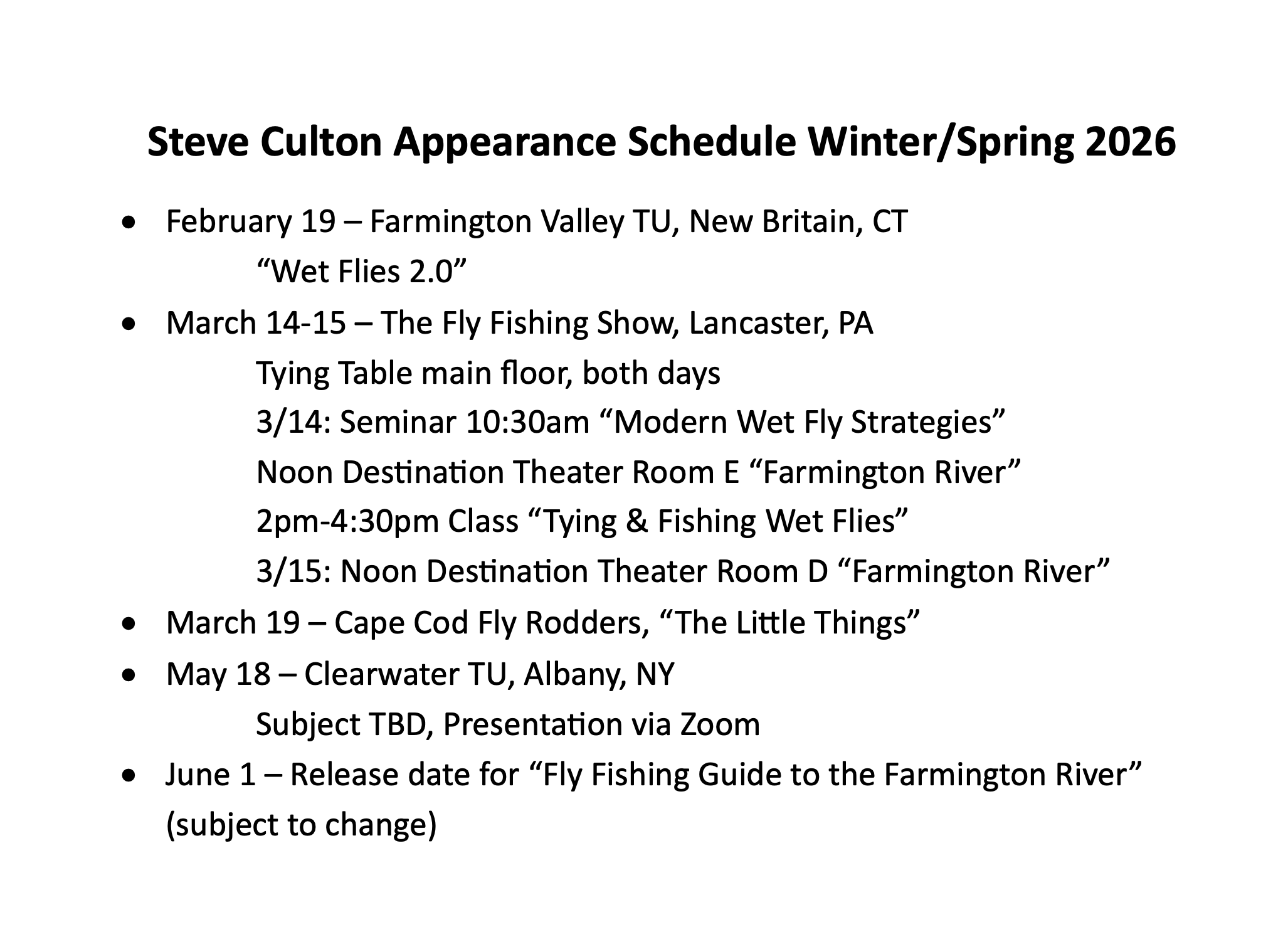
#10: Fly Fishing Shows and IFTS. I remember going to the Fly Shing Show in Marlborough many, many years ago, and thinking, “the next time I come to this show, I’m going to be a presenter.” It took a few years for me to get there, but since then I’ve never looked back. Presenting to an audience and teaching fly fishing still gives me a jolt of energy and pure enjoyment. Whether you’re a speaker or listening in, there’s no better place to ask questions and learn. November’s IFTS unofficially kicked off the 2026 show season, which is nearly upon us. I’ll be doing three days in Marlborough, three days in Edison, and, for the first time, the Lancaster PA show in March.

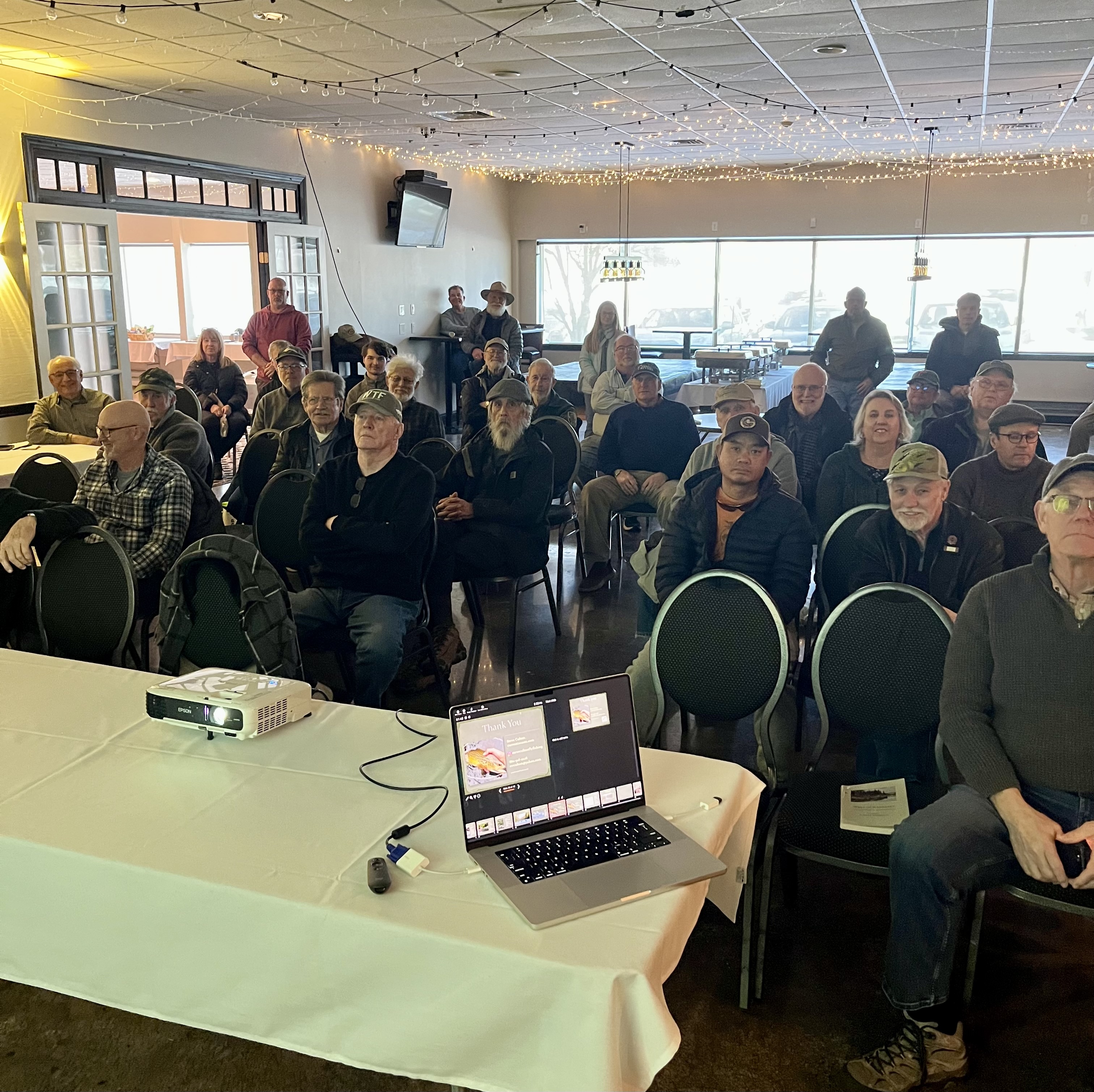
Thank you, everyone, who came to see me speak, watch me tie, or take a class. See you next month!

#9: Farmington River Book Research and Photos. As you can imagine, writing a guide book is a lot of work. And since I do nothing that I’m passionate about halfway, this was a lot a lot of work. But, it was a labor of love. And I learned so much about the river! In fact, I was surprised to discover how much I didn’t know. I got to interview dozens of fascinating, knowledgable people, hang out with them and watch them fish, take photos, and soak it all in. I can now say that I have walked, waded, and/or fished the entire 22 miles of river from the base of Hogback Dam to the steel bridge in Unionville — and then miles more below. I don’t know many people who can make that claim.

Matthew Vinick took all the drone pictures in the book. There’s some really good stuff!

#8: Another Year Being Featured in On The Water‘s Guide Flies. I’m not sure how long I’ve been doing this, but every year I play, and every year, it’s still a gas to see my name in print next to a fly I tied.

My advice for when you fish the 2025 pattern, the Iso Soft Hackle, is: hold on to your rod.

#7: Being Named Again to the Feedspot Top 40 Fly Tying Blogs. My ranking of #17 isn’t really what this is all about; rather, it’s the company Currentseams keeps. AvidMax. Fly Tyer. MidCurrent. Gink and Gasoline. Orvis. Just to name a few. These are all quality sites, worthy of your attention, and I’m honored to be included along with them. Here’s fun project for you to tie: https://www.youtube.com/watch?v=wZFZQTmJmEs

#6: Alan and Steve’s Excellent Albie Adventure. We’ve been planning to do this for years, but finally saltwater angler extraordinaire Alan Caolo and I were able to spend a morning in Rhode Island chasing funny fish. Or, rather, waiting for them to come to us. Pickings were slim, but a splendid time was had by all, and Alan is an excellent teacher and an all-around swell guy. You can read all about it here.

IFTS 2025 redux, Regal Pro Staff, page proofs for the book are in!

Much to talk about today. I’m currently recovering from last weekend’s International Fly Tying Symposium. That is, I’ve unpacked everything, gotten back to my regular sleep and eating (and coffee!) schedule, and here I am, clacking away at my keyboard on currentseams.com.

While this is the largest fly tying show in the world, there’s a sense of intimacy about IFTS that resonates with me. (If Goldilocks tied flies, she’d be all over this show.) I behaved myself wallet-wise, coming away only with a pack of size 14 Ahrex North Country Spider hooks (LE810). My Saturday seminar on Tying and Fishing Wet Flies was very well-attended, and I want to thank everyone for showing up and for asking so many thoughtful questions. I couldn’t have asked for a better tying bench mate than Peter Simonson, who specializes in classic Carrie Stevens-style streamers. I spent the rest of the day tying wet flies and soft hackles and socializing and answering questions about the Farmington River book.

The view from my bench Saturday morning. What a treat to reconnect with so many old and newer friends, and to put faces to names of currentseams subscribers.

After a delicious banquet Saturday evening — complete with a wonderful fly tying swag bag from show sponsor J.Stockard — I was featured fly tier Sunday morning. The subject was Farmington River Favorites, and we managed to get through each of the four food groups (nymph, wet, dry, streamer). Again, many thanks to everyone who attended. I truly appreciate your support.

But the highlight of the show for me was formally becoming a member of the Regal Pro Staff. I’ve been tying on a custom Regal Revolution for years, so this was particularly gratifying. Those of you who know me know that I don’t endorse anything on these pages that I don’t use and love, and I’ll be talking more about my Regal vise in future posts.

And now, me too! There are so many incredibly talented tiers in this group, and I’m honored to be a part of the team.

Finally, I’m back on the book for a bit: page proofs are in! These are basically an e-version of the layout of the book, complete with photos and other visual reference. I go through it, make minor corrections as needed, send it back to the publisher, and the whole shebang goes to press early next year. Exciting times! People stopping by the table showed a lot of interest in the book, and even if you don’t fish the Farmington a lot, I’m comfortable telling you that much of it — fly patterns, how to, hatches — is applicable to southern New England trout streams.

And now, I’m off to read.

Menhaden action alert, Farmington River book, IFTS, and other fishy goings on

The first thing I’d like you to do after reading this opening paragraph is head over the ASGA website and sign their official letter calling for major reductions to the menhaden harvest. It will take you less than five minutes, and it’s an excellent use of your time. Long story short: Atlantic menhaden are a critical bait and ecosystem fish; they’ve been grossly over harvested; that needs to stop now. Please do this, even if you don’t fish for striped bass. We need all the voices we can get.

Galley copy for the Fly Fishing Guide to the Farmington River has been reviewed by yours truly and sent back to the editors. This was simply my review and comments on their edits. I was pleased to discover that the edits weren’t substantial, and book flowed from one subject to another like…a river? There. I’ve made my unfunny joke of the day. Maps were also reviewed, and I really like the artwork. If you don’t know the river, you’ll find them highly useful. Next steps: the whole shebang gets put into page layout, then reviewed. That should happen in November. We’re getting closer!

A successful spawn means more of these. This fish was sampled by DEEP last September during broodstock collection for the Survivor Strain program. If you see a redd and canoodling trout, be like The Beatles and let it be.

Speaking of the Farmington river, the spawn has begun. If you’re fishing, please be on the lookout for redds! They are generally lighter, oval-shaped patches surrounded by dark substrate. Keep a safe distance. And of course, never target spawning fish. That’s just bad form.

A reminder that the International Fly Tying Symposium is November 15-16, now just over two weeks away. I’m doing a wet fly seminar on Saturday and a Farmington River tying demo on Sunday. More on those coming soon.

Cover reveal for “Fly Fishing Guide to the Farmington River”!!!

Is this exciting, or what?!? At least, I’m excited. I hope it meets with your approval, if not favor. I’m continuing to plug away at the copy edit review, so this will likely be my only currentseams post this week. I hope some of you are getting out on the water. And we need rain — let’s see those rain dances!

Farmington last week and now, back to the book

I did two lessons last week on the Farmington. On Tuesday, I took Joe on a wet fly excursion. We stuck to the lower river; at 140cfs, it had the most water, and the weather was cool enough that the water temp never got higher than 66 (3pm). The fishing was predictably slow; we found success by moving around (we fished three different marks) and targeting the deepest, fastest-moving water we could get into. Joe was a strong wader, and sometimes that’s the difference between fishing and catching. Trout love to hang out in places that are difficult for land animals like humans to navigate. Joe stuck four and we put three in the hoop. In difficult low-water conditions, that was pretty darned good.

Joe having at it. As you can see, the clarity of the water was excellent, and when the flows are low, that usually works in favor of the fish. But Joe kept at it, was enthusiastic, and figured out where he needed to put his flies to catch fish. Great job, Joe!

Friday was a different story. We had rain Thursday night, which had me all fired up because it would mean higher flows and a little color in the water. While those conditions manifested, the fishing stunk out loud, which depressed me no end. I guided Dan and Sean, and we spent the bulk of our time nymphing. We stuck to water just below the PTMA; our reward was not another angler in sight. Although we bounced around — we fished four different marks — we could only manage two touches. Bah-phooey on those trout. The good news was that both Dan and Sean showed tremendous improvement over the course of four hours. When you actually see clients getting it, and making better casts, presentations, and mends, it’s very gratifying. Both deserved better than what the river gave them, but they’ll hit right in the future and reap the rewards of their lesson.

~

I’m back on the book, so this will be my only currentseams post this week. The publisher has sent me the galley copy, which is all of their edits in a document, paged format. My job is to read and review and comment. That’s over 300 pages of reading, so I need to hop to it. I’ve only made it through 20 pages, but it’s a happy feeling when you still like what you’ve written so many months ago, and the edits are generally light. AFAIK, The Fly Fishing Guide to the Farmington River is still on track for a June 1 2026 release. Natch’ , I’ll keep you updated with any news as it comes in.

Meanwhile, please do your best rain dance…

First week of September Potpourri: Speaking, Guiding, Book, Flows….

Just when you think you’re going to have more time to do writing…you don’t. I have to confess that I didn’t take into account that I would be this busy with non-fishing pursuits, but here we are. It’s mostly yard-home-garden-kitchen — ’tis the season for drying hot peppers, and making tomato and hot sauces — like the tides, ripe fruits wait for no one — and that’s the current situation. Still, I have much to talk about.

If you’re the person in charge of booking speakers for your fly fishing club, I have openings this fall and winter. You can find my presentation menu here. Be advised that when the Fly Fishing Guide to the Farmington River is published next year, I will want to come out and speak to your group about the book and the river. Something to look forward to!

I’m booked for the rest of the month with guide trips. Thanks to everyone who reached out! We are in rainfall deficit, so they’ve dropped the flow out of the Hogback gate to 165cfs. Note the release temperatures, and how they increase during the day (these readings are in Riverton, not at the gate). Be aware of water temps downstream. You should be OK through the PTMA, but carry and use your thermometer.

I’m supposed to get copy galleys for the book — this will be what the publisher has edited, in document form — mid-month. After I make comments, it goes back to them. It’s all very exciting. I’ll be locked away in my lonely writer’s garret that week, but if you see me on the river the other weeks, please say hello.

Next up will be the Montana trip, Part 2.

Farmington River book timeline update

TGIF! I did a little fishing this week, and a lot of house- and yardkeeping, along with various other tasks. We got a wee slug of rain, which made a slight dent in our water deficit.

To the Fly Fishing Guide to the Farmington River book news. I should have copy edits for review in mid September. Fly photo review is next. Then the whole shebang goes into layout and typesetting, then back to me for review. That should happen by the end of October. Once final edits are made, we get into physical production. A revised target release date is June 2026! I know you’re excited and can’t wait — as am I — but like an angler resting a fussy fish, we’ll all just have to be patient.

No reason to be crabby! The book is moving along, and I’ll raise a glass (or a plastic cup) to that.

Meanwhile, I’ve started putting together my Montana report (no, really). Look for the first installment next week.