The striper grandmaster talks about setting the hook, playing big fish, the effects of pressure, and fear.
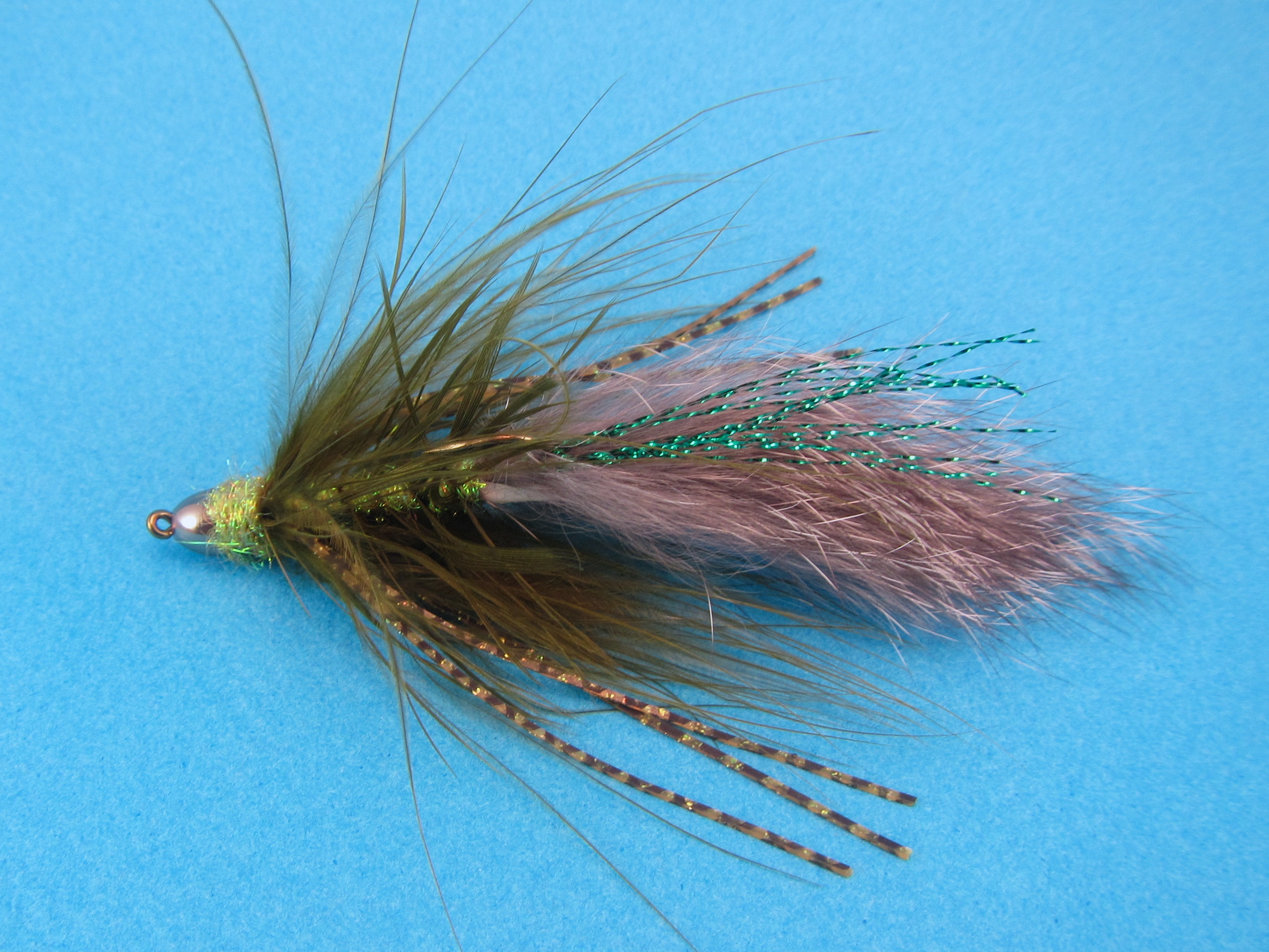
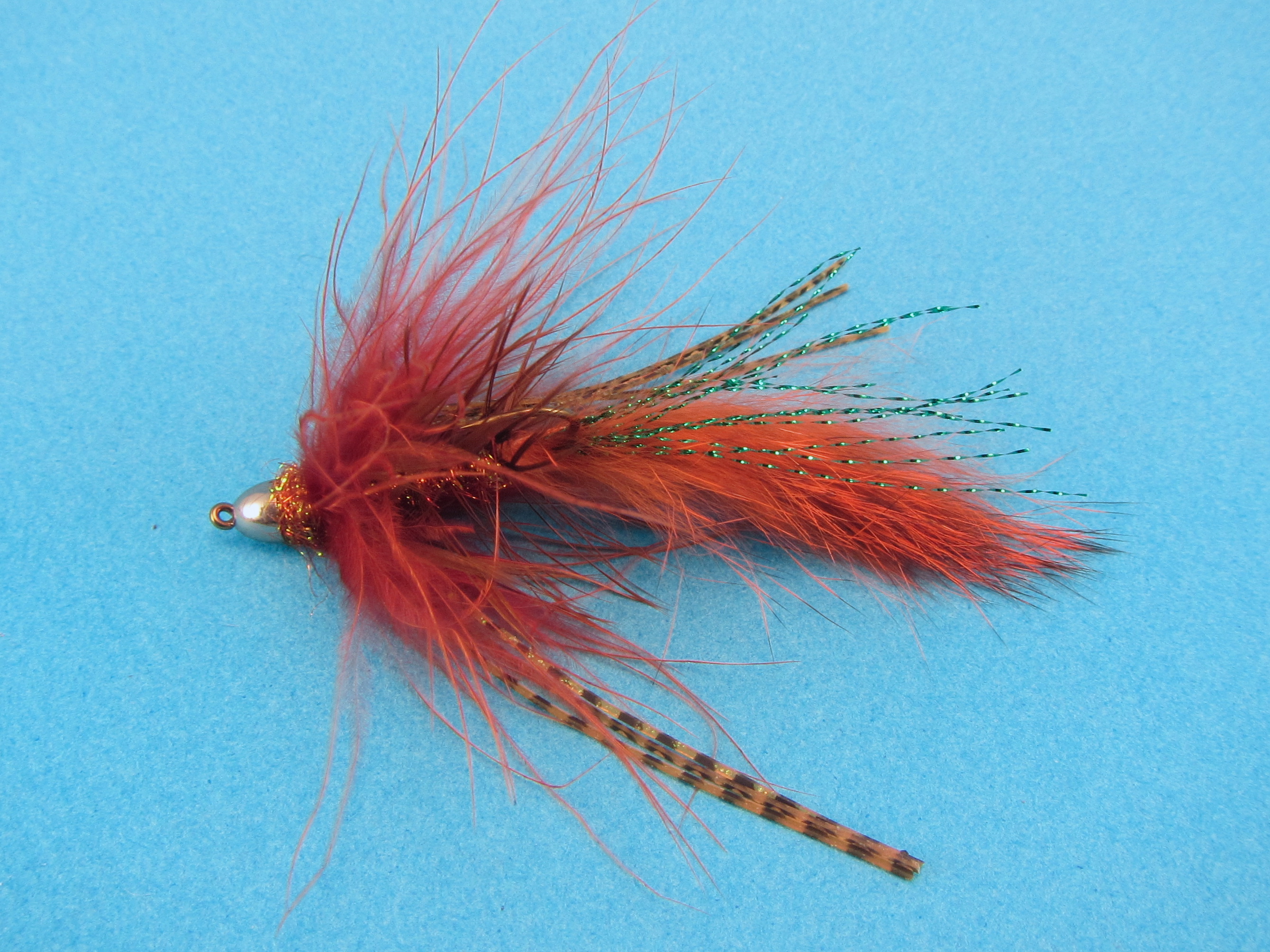
Ken Abrames is one of the most revered names in saltwater fly fishing. He is the creator of the modern flatwing streamer, presentation-style flies that can imitate everything from clamworms to menhaden. His books Striper Moon and A Perfect Fish belong on the shelves of anyone who is an aficionado of traditional New England striped bass fly tying and fishing methods. Besides being a world-class angler, Ken is also a rod designer, author, poet, and artist.
I have the good fortune to be able to talk fishing with Ken on a regular basis. He is funny, candid, a good storyteller, and highly experienced. Here is an excerpt from one of our conversations.

Currentseams: I remember you once telling me the story of how your father taught you, “You gotta set the hook.”
Ken: I was a little kid, eight or nine years old. We were fishing off Poppasquash Point in Bristol (RI). There were a lot of fish in those days, and very few fishermen. It was a hazy day in May. We were fishing with plugs. I was reeling and popping, and all of a sudden a big fish exploded on my plug. It was like someone had thrown a Volkswagen in the water. And the fish started running like crazy, the rod was bent over, and the reel was screaming. It was like heaven. And the fish just ran and ran and ran – and then he turned to the right and the plug popped out. It was devastating to me. So I started to reel in, and my father looked over at me and said, “You gotta set the hook.”
Currentseams: (laughter)
Ken: It’s so hard to set the hook when a fish is screaming off line. People think they’re hooked up. But the fact of the matter is, you need to set the hook. And if you don’t, as soon as he makes his first turn, it’s over.
Currentseams: That is exactly what happened to me this spring. I had a big striper blow up on a flatwing and I didn’t set the hook. So if you don’t get a good initial hookset, you have nothing to lose by trying to reset during that first run.
Ken: That’s right.
Currentseams: When you first started teaching me, you drilled into me, as a fundamental part of fly fishing for stripers, the practice of hitting that fish multiple times.
Ken: If you hit him three times, sometimes you still lose him. If you hit him four times, sometimes you lose him. If you hit him five times, you won’t lose him.
Currentseams: Tell us what you mean by “hit him.”
Ken: You grab your line, and you punch him. And then you punch him. Even though you think everything is going to come apart, you want to punch him, and punch him, and punch him. You’ve got to hit him at least five times with a very, very sharp hook. And if you have a dull hook, it doesn’t matter how many times you hit him. Because you’re not going to catch him. (laughs)
Currentseams: Talk about a sharp hook being the single most important thing in fishing.
Ken: Well, it is the single most important thing. Because all those things you hear – the fish struck short, the fish were playing, there’s too much bait in the water, those little taps are small fish – those are just excuses people make up because they don’t understand why they’re not hooking up. And the only thing that is necessary is a needle sharp hook. Once you have that, once you feel the pressure of the fish, the hook has already started in.
Currentseams: You’ve also used the phrase, “sticky sharp.”
Ken: Think of the inside of a striper’s mouth as your fingernail. You take a hook and you run it across the back of your thumbnail. If it doesn’t stick in, or stick to your nail like a piece of scotch tape, it’s not sticky sharp. And the same thing will happen inside a fish’s mouth. A hook that isn’t sticky sharp will slide right out.
Currentseams: Let’s talk about those little taps.
Ken: When you feel that little tap, that’s a fish. He just sucked in your fly. If you’re used to casting and retrieving, like with a spinning rod, you expect a big yank. But the fact of the matter is that it is often just a tiny little touch, or even just a change in pressure. And to be aware of that is one of the most important things you can learn. You have to develop it as a skill.
Currentseams: If you’re taking a simple cast-and-retrieve approach to fly fishing, when you feel those little blip hits, and miss the fish, are you just simply pulling the fly out of the fish’s mouth?
Ken: Yep. You are. Fish don’t make mistakes.
Currentseams: Fighting a 30-pound bass is different from fighting a 10-pound bass. Let’s talk about that.
Ken: The first thing is to not be afraid that you’re going to lose the fish. The other thing is to not try to stop him when he runs. Say you’re a sprinter, and you’re running the 100-yard dash. What’s the first thing your body does when the race is over?
Currentseams: You’re exhausted, you hunch over, go limp…
Ken: That’s what the fish does, too. At that moment when the fish reaches the end of his run, that fish is exhausted. Now I know this is true because I have caught so many fish in my life, it’s ridiculous. When I fished commercially for stripers, I would hook a fish, and he would run, and I would run my boat right after him. At the end of the run, the fish would come up near the surface on his side. He was exhausted. It would only take about three minutes. Didn’t make any difference if he was thirty pounds or fifty pounds. You understand?
Currentseams: Yes.
Ken: OK, so now a guy hooks a big fish, it runs like hell, and he wants to stop the fish. And he puts pressure on the fish, and he thinks he’s going to turn it. That’s ridiculous. Take the pressure off the fish and it will stop (laughs knowingly). You have to learn this. Fish don’t read books about what they’re supposed to do and not do. They do all kinds of things besides what I’m saying. When the fish stops running, you reel in nice and steady, keeping the pressure the same, and the fish will come in like a dog on a leash. It’s like you hypnotize him with that steady pressure. If he wants to run again, back off the handle and let him.
Currentseams: Some anglers overplay stripers.
Ken: They don’t put any pressure on the fish because they’re afraid something bad is going to happen. Fear is the deciding factor. As long as you’re afraid, you’re not going to learn anything, and you’re going to make the same mistakes over and over again.
Currentseams: So some things that help you be less afraid are sharp hooks and, would you say, strong leader?
Ken: Oh, absolutely. Throw away all these ideas about fish seeing leaders and all that crap. Some people think I’m speaking heresy, but it’s not heresy. It’s the truth.
Currentseams: I haven’t used anything other than thirty, twenty-five, and twenty-pound Worldwide Sportsman mono for years now.
Ken: Of course. If you’re worried about leaders, you’re going to have a built-in handicap. You’re going to catch a hell of a lot more stripers on thirty pound than you are on eight.
Currentseams: I’ve found very few situations where I felt my leader color or size was the reason I wasn’t catching.
Ken: The leader isn’t an invisible connection. It leads the fly. You’ve got to match the size of the leader to your fly so it will swim right. You want the fly to be presented in a certain way. The leader is about the mechanics of presentation, not invisibility. You know that mono you’re using? That’s the original mono. The first one that was ever made. Do you get it?
Currentseams: I think so.
Ken: They haven’t improved it. But they’ve found millions of ways to sell other different kinds.
Currentseams: Do you keep your drag ratcheted down tight?
Ken: I use my hands. My hands are my drag. I don’t want anything between me and the fish. I just keep my drag tight enough so that the reel doesn’t over spin.
Currentseams: Too many anglers let stripers take them into their backing. I’ve only gone backing with three or four stripers in my life.
Ken: This is a true story. And it was witnessed by two people. I was fishing off Watch Hill in a boat for false albacore with a seven-weight rod and a fifteen pound leader. I hooked a fish, let him run, then held him and held him until the leader popped. So I said, oh, okay. I tied on another fly. Then I caught forty-two albacore. And not one of them got into my backing. Not one. Because I knew exactly how hard to push.
Currentseams: That’s impressive.
Ken: I kept ten of them, and told people they were good to eat – even though everyone says they’re not – and I lied, because I wanted to find out if they were good to eat. Everyone was disappointed (laughs).
Currentseams: (laughter)
Ken: I don’t care about the rules, and about what everybody else does. I always want to find out for myself. I also caught a couple of false albacore that day on my spinning rod. Know what I caught them on?
Currentseams: No, tell me.
Ken: Plastic crawfish with blue claws (laughs).
Currentseams: I have this theory…
Ken: I have no theories. I’m just talking about experience.
Currentseams: …the more line or backing that’s out, the more things can go wrong.
Ken: Well, yeah. The only thing you want to do is break the fish’s spirit.
Currentseams: What about swinging your bent rod from horizon to horizon to keep the fish off balance? I’ve done that with steelhead, and sometimes stripers.
Ken: You can absolutely change the direction of a fish by moving your rod. If you put your rod down close to the water, you let the line cushion your leader. You can change a fish’s direction by backing right off the pressure. If the fish runs downstream, you can dump line into the current, and let it get below the fish. Then all of a sudden the fish feels the pull from downstream, and he’ll start swimming up, dragging that line right behind him. I’ve done that hundreds of times.
Currentseams: That seems counterintuitive: if you take the pressure off the fish, you’ll lose the fish.
Ken: The line in the water will keep it tight.
Currentseams: I get it now, but I worry when a fish runs downstream, then makes an abrupt turn and speeds upstream.
Ken: A fish running upstream means somehow the drag of the line got below him. The fish always goes against the pull. Mmm-hmm.
Currentseams: What are some of the bigger stripers you’ve caught on a fly rod?
Ken: Oh God…I’ve caught a lot of big fish. A lot of people have caught a lot of really big fish on flatwings, because they really are a big fish fly. And they’re castable, and they can imitate anything.
Currentseams: Are there any kind of basic strategies for targeting big fish?
Ken: Well yeah, there are, but you have to learn those things over time. And you can’t be listening to other people.
Currentseams: How about how to fight a big fish?
Ken: You fight the fish from the first guide closest to the reel. The rest of the rod is not important. That angle from that guide is the most power you’re going to get. And you use the rod to dampen that power – if you raise the rod, it lessens the drag and reduces the pressure. Reason can’t fish. You fight the fish with your gut – you don’t play it from your head. Most people have fear in their gut. And fear always comes from an idea.
Currentseams: I still have a certain amount of fear with any big fish, but it doesn’t inhibit me. Since I started resetting the hook like you taught me, I have not lost a striper over 28”.
Ken: Yep.
Currentseams: Sometimes people say to me, “Well, how do you know you haven’t lost one over 28?”
Ken: (laughs) I know what a big one feels like.
Currentseams: Yeah.
Ken: And that’s the truth. Some people just refuse to give up their reason. Everything has to have a cause and an effect. The fact of the matter is that the future is unwritten. You can’t get there by figuring out the past. It’s always now.
 Other stuff worthy of mention: the word machine has been cranking. Look for more from me this year in American Angler, The Drake, Fly Fish Journal, Mid Atlantic Fly Fishing Guide, and of course, currentseams. More videos are in the pipeline (at least the theoretical one) from tying to Q&A. And now that the weather has broken, I’m going to go fishing. You should, too. As always, I thank you for your readership and your support.







 currentseams.com