Now available to your club or group! The long-awaited follow-up to Wet Flies 101, Wet Flies 2.0 takes a deeper dive into wet flies and wet fly fishing. Starting with the essential wet fly tackle and toolbox, Wet Flies 2.0 explores topics like matching hatches with wet flies (from caddis to mayflies to midges to stoneflies to terrestrials); searching tactics with wet flies; presentation and rigging options to match conditions and situations; fishing wet flies as nymphs or dry flies; wet flies on small streams; and much more. You can find my full presentation menu here.
By learning the mystical arts of the wet fly, you may, as Leisenring said, “soon acquire the reputation of a fish hog!”
I had some excellent Q&A sessions about wet fly fishing at the Marlborough and Edison Fly Fishing shows (great job, people!) and I wanted to share some of what we discussed with you.
Q: What knot do you use when you build your wet fly team leader? A: I’ve been using a triple surgeon’s knot for years. It’s easy for me to tie, and it’s reliable — I don’t think I’ve ever had one fail. People also asked about the blood knot, and the answer is: use the knot you feel most confident about/is easiest for you to tie.
Q: Do you use tippet rings when you build your wet fly team leader? A: I don’t, mostly because I don’t see a need. The perceived need is that it would be easier to replace a dropper tag (rather than build a new leader) with a tippet ring and it’s hard to argue with that. This is a “what works best for you?” situation. I don’t use tippet rings because I rarely change flies on my leader system, and even when I do I’ve learned how to reattach a fly using a minimum of tag material. Speaking of attaching flies, here’s a nifty tutorial from my buddy Tim Flagler on the Davy Knot, which uses very little material.
Q: You say to pause before you set the hook. Aren’t you afraid the fish will spit the fly? A: No. I quote from The Book of Syl: “With the soft-hackled fly, the trout throws caution to the wind, because he’s not afraid to move under the water, and speeds to the fly with urgency.” The fish has made the decision to eat. He’s said “yes” to the fly. With an immediate hookset, you’re saying “no” to the fish. By pausing — asking, “Are you still there?” before you set the hook — you’re ensuring that the fish will turn away with the fly in his mouth, having neatly hooked himself.
This massive hen blasted the fly, an old English pattern called a Hackled March Brown. She hit so hard she ripped the line out of my hands. There was no need for me to set the hook.
Q: Is fishing wet flies a secondary tactic, or do you ever go to the river intending to fish wet flies? A: I frequently go to the river with the sole intent of fishing wet flies. In fact, I’d say wet flies account for the vast majority of my trout fishing — and catching — between late April and mid-summer.
Ask currentseamser Greg about how good the pre-hatch fishing can be with wet flies!
Q: You talked about using wet flies to catch trout feeding on emergers. Is there a point during the hatch, such as when you see duns on the surface, that you’ll switch to dry flies? A: What a great question! The answer is yes. If I am pounding up fish on wet flies and suddenly my hookups stop — but the river is still boiling with feeding fish — that’s my cue that they’ve either stopped eating what I’m throwing or may now be feeding on the surface. If I see the duns getting taken, and my wets aren’t catching, that is compelling evidence to switch to a dry fly. This scenario frequently plays out during the Hendrickson hatch. It’s wet fly gangbusters up until about 3pm, then suddenly the hookups slow to a crawl. Changing over to a dry usually solves the problem.
I hope that helps, and if you have questions, please don’t hesitate to ask.
Last winter I posted a very popular series, the Best Of North Country Spiders, a list of thirteen of my favorite ancient and traditional Yorkshire soft hackles. What was missing was a single reference list of the bunch. And now, the remedy: the list, a photo of each pattern, and a link to the original post with my comments and tying instructions.
Best of North Country Spiders. “With the soft-hackled fly, the trout throws caution to the wind…” — Syl Nemes
There you have them. Fish these patterns with confidence: North American trout have no idea that they’re not in an English chalk stream 200 years ago. As always, if you have trying or fishing questions, I’ll do my best to answer them.
Last winter I posted a very popular series, James Leisenring’s Favorite Twelve wet flies, from his book The Art of Tying the Wet Fly. What was missing was a single reference list of the dozen. Let’s remedy that. So now you have the list, a photo of each pattern, and a link to the original post with my comments. For those anglers enjoying the Christmas holiday spirit, this certainly beats the snot out of twelve drummers drumming.
Leisenring’s Favorite Dozen. “As every fisherman has his favorite patterns, here are mine…” — James Leisenring
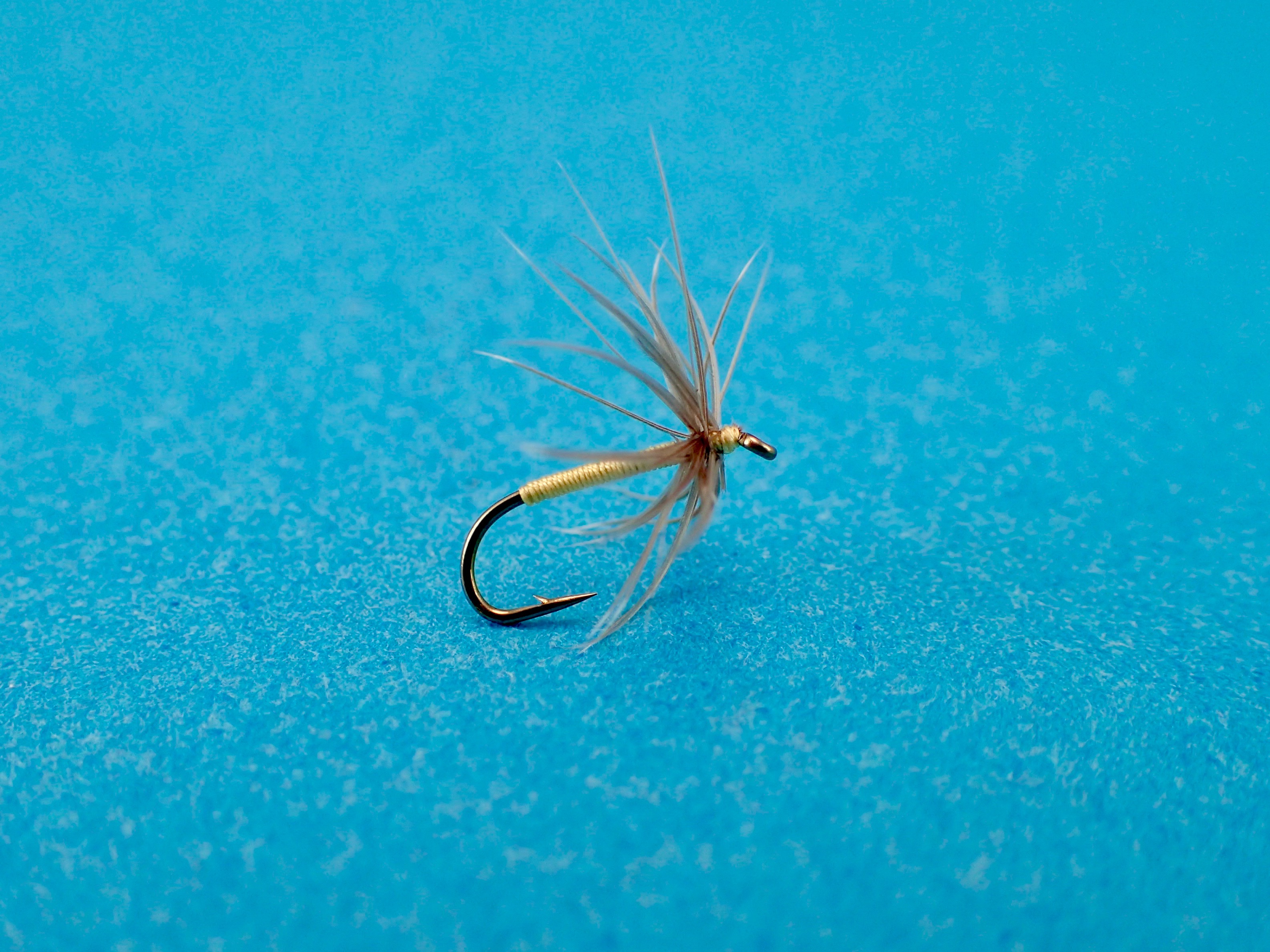
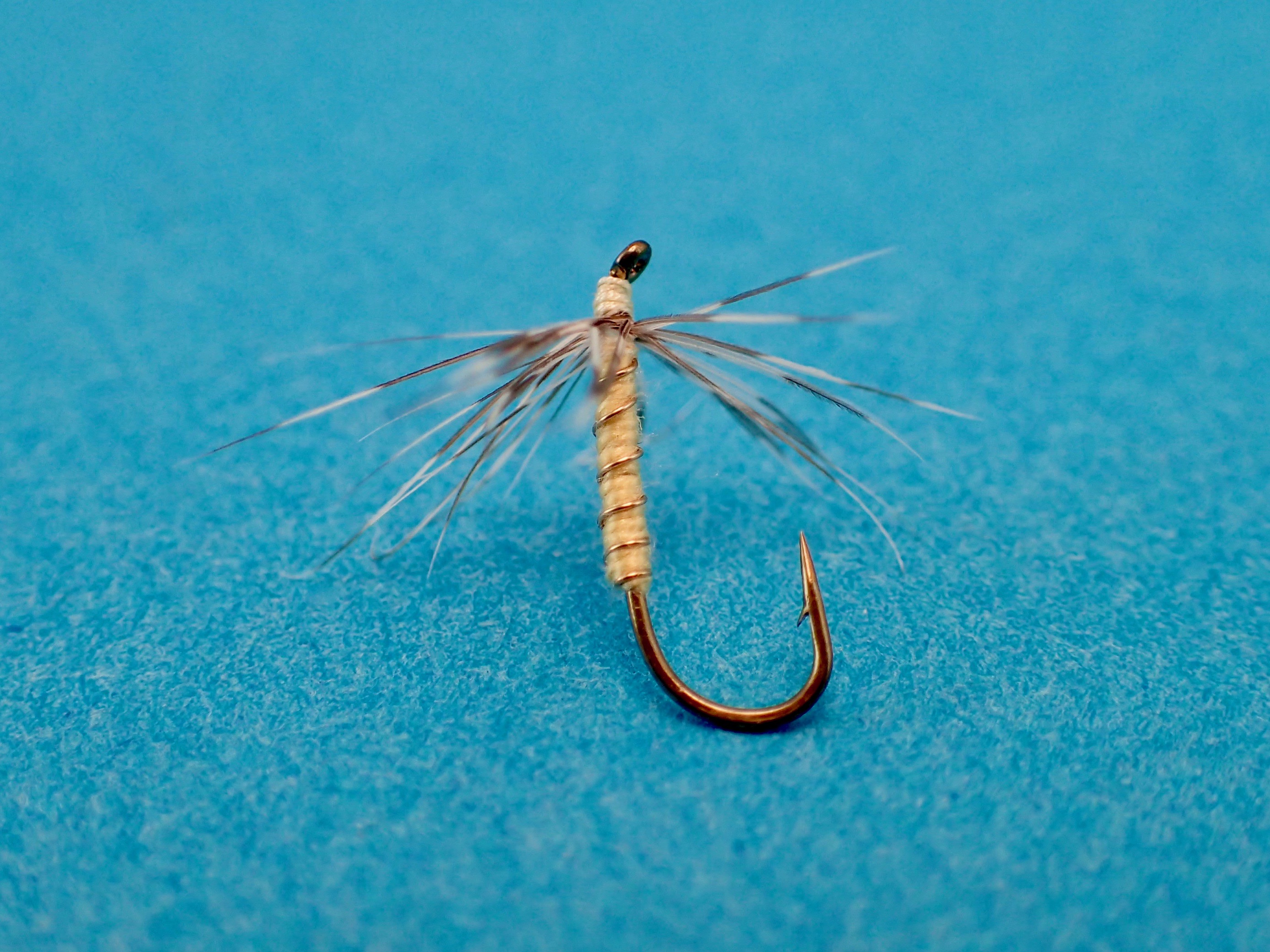
Soft hackles and wingless wets ready to swim. Clockwise from upper left: Pale Watery Dun, Grey Watchet, Old Blue Dun (and a random Partridge and Rusty Brown), Squirrel and Ginger, Pale Watery Wingless AKA Magic Fly.
Congratulations to Ron, Toby, and Michael, our three winners in the Currentseams.com 700 followers contest! Each will be receiving a selection of a dozen wet flies, including classic North Country spiders, Leisenring’s favorites, traditional American wet patterns, and a couple Culton originals. Some of the flies are the actual ones featured in the photos for this winter’s wet fly series.
I had hoped to get these out today, but it will have to wait for the weekend or Monday. I’ll let the winners know when I ship.
A heartfelt thank you to everyone for reading and following currentseams. Without you, I wouldn’t be able to do this. Tight lines to all, and on to 800!
Gentlemen, start your drooling. From left to right, Ron’s, Toby’s, and Michael’s dozen. Get these wet and do us proud, gentlemen — and of course, we want to see photos.
What a deep, dark, buggy design. No wonder Leisenring loved this fly. Although only two medium hook sizes are specified, I can see this translating to a 2x short scud hook in a 16 or 18, and strategically placed as the top dropper in your nymph rig. Not what the creator had in mind, but surely the trout would support the decision. The real beauty of this bug may be in that it does not look like anything in particular, but a lot of things in general. Bravo, Big Jim!
This concludes the series of James Leisenring’s favorite twelve wet fly patterns. I hope you’ve enjoyed it. Stay tuned for more good wet fly stuff on currentseams.
Iron Blue Nymph
~
Hook: 14-15
Silk: Crimson or claret
Hackle: Two turns of a very short cock jackdaw throat hackle
Tail: Two or three soft white fibers tied very short
Body: Dark mole fur spun on crimson or claret tying silk with two or three turns of the silk exposed at tail.
~
Tying Notes: As with the Tup’s Nymph, I would suggest a 2x strong hook. I only had jackdaw wings, so I used a short covert for the hackle; you can also substitute California quail throat for the jackdaw, or use a dark charcoal grey hen hackle. White hen for tail. You can find a general North Country spider video tutorial here.
Here we have Leisenring’s take on the English classic Tups Indispensable. (Bonus points if you know the meaning of “Tups,” and its relevance to the pattern. Hint: it has to do with sheep mating. Really.) The original across-the-pond pattern was intended as an olive spinner imitation. But when I see this fly, I think Yellow Sallies, Suplhurs, and Light Cahills. Or we could just go with “Pale Wateries” and be done with it. Once again, best to leave it to the trout to decide what it is. Leisenring specified a heavy wire hook to help sink the fly: “I have no use for a weighted nymph because they do not swim naturally.” (Take that, future Euro-nymphers!) The Tup’s Nymph was another high confidence pattern for Big Jim, as evidenced by this statement: “This is the best all-around nymph I have found.” Try it on point on your three-fly team, or as the top dropper on your nymph rig.
Tup’s Nymph
~
Hook: 13-14
Silk: Primrose yellow
Hackle: Very small light-blue hen hackle or medium-dark honey dun hen hackle
Body: Halved: rear half of primrose-yellow buttonhole twist; thorax or shoulder of yellow and claret seal fur mixed dubbing spun on primrose-yellow silk.
Tail: Two honey dun hackle points (Leisenring omits the tail in his listing of twelve favorites; the photo in the book shows a tail. Do as you please.)
~
Tying Notes: I would suggest a 2x strong hook. The dark honey dun hackle might be more suggestive of an olive. We’re back to the DMC embroidery floss (#744) as our buttonhole twist substitute. Although Leisenring says the body is halved, his step-by-step illustrations in the book (and the pattern photo) show more of a 2/3 abdomen to 1/3 thorax ratio. Substitute Angora goat for seal fur. You can find a general North Country spider video tutorial here.
We see the North Country influence again in Leisenring’s Pale Watery Dun Wingless. Leisenring chose the noun dun wisely, as this is clearly more adult than emerger — heck, you could even go spinner. It’s a far different pattern than the Pale Watery Wingless (AKA The Magic Fly) I tie; my version is more Usual than Poult Bloa, and I use it almost exclusively for the emerger stage. For Farmington River anglers, the Pale Watery Dun Wingless has Light Cahills written all over it, and I know of a certain pod of trout on a certain stretch of river that will be driven absolutely out of their minds by this fly on an early June evening.
Pale Watery Dun Wingless
~
Hook: Dry or wet fly, 12-14
Silk: Primrose yellow
Hackle: Pale honey dun
Tail: Two or three pale honey dun cock fibers
Body: Natural raffia grass, lacquer optional
~
Tying Notes: A light ginger hen neck makes a lovely pale honey dun. Use it for the hackle and the tailing material. I went all in on authenticity and bought a bundle of raffia grass online; you’ll need to strip or cut a strand so it’s about 1/16th of an inch wide. Treat it like tinsel: attach behind the hackle, wind to the tail, then back, making a nice segmented body. I can’t imagine this fly would last without some kind of lacquer, so I used Sally Hansen’s HAN. If you don’t want to bother with raffia grass, the fish will not object to straw colored silk or thread or even Swiss straw. You can find a general North Country spider video tutorial here.
Here we have Big Jim’s take on the legendary GRHE. (Sounds like a British title: Sir James Leisenring, GRHE.) Buggy, spikey, flashy, and who doesn’t love a pattern made with wood duck — or “mandarin” as they called it back in the day. I have to confess that I’d just as soon dispense with the wings, but Leisenring thought differently. He wrote, “I use an English woodcock feather for winging this fly because it has a bar lacking in our American woodcock. By taking one of these sepia-colored secondary feathers with the buff bar, I dress my Hare’s Ear with a buff tip to their wings and find it very effective.”
Hare’s Ear
~
Hook: Wet fly, 13-14 (I used a 1xl)
Silk: Primrose yellow
Hackle: None: a few fibers of dubbing picked out for legs
Tail: Two or three fibers of the fine mottled feather of a wood duck or mandarin duck
Rib: Very narrow flat gold tinsel
Body: Fur from the lobe or base of a hare’s ear spun on primrose-yellow silk
Wings: English woodcock secondaries with buff tips
~
Tying Notes: The tail on this fly is why you save those precious leftover wood duck scraps from winging Dark Hendricksons and Light Cahills. It’s easy enough to dip into your Hareline Dubbin bag o’ hare’s ear, but go out and buy the actual mask for a more authentic tying experience. (Not to mention you can pick and choose the color and texture of the fur.) I used a tool to pick out fur along the length of the body. Buggy is good!