My latest and greatest (or at least moderately non-sucky) piece is now available for your reading pleasure. It boasts the clever title Small Flies for Striped Bass, or: Betcha the Bass Can’t Eat Just One. Like your favorite bowl of chips, you’ll want to enjoy this one over and over. As a bonus, I’ve included three of my favorite small striper patterns. Surfcaster’s Journal is an e-zine that is loaded with sage advice, even for fly fishers only. You can get a subscription for just 25 bucks a year right here.
In case you don’t recognize the names, this issue is packed with articles written by some of the best, most experienced surfcasters in the northeast.
Years ago, when I first heard of the Kootenai River, my brain assumed that it was in Alaska. I mean, it sounds like it belongs in the 49th state, doesn’t it? Well, it’s in Montana, and the locals pronounce it “KOOT-en-ee,” not “nye.” So I was wrong on both counts.
Located in the extreme northwest corner of Montana, a ‘way up by Canada, the Kootenai is Montana’s largest tailwater fishery. This is a big, deep river with crystal clear waters that mask its depth; if you’re going to fish it effectively, you really need to be in a drift boat. When we first arrived at our cabin — located just a cast away from the back porch — I thought, “Maybe later I’ll just wade out to that deeper stretch along the opposite bank.” Wrong. The water would have been chest high just 20 feet from shore. Over the next tow days, we floated over pools that were well overhead deep, and you could still easily see the bottom.
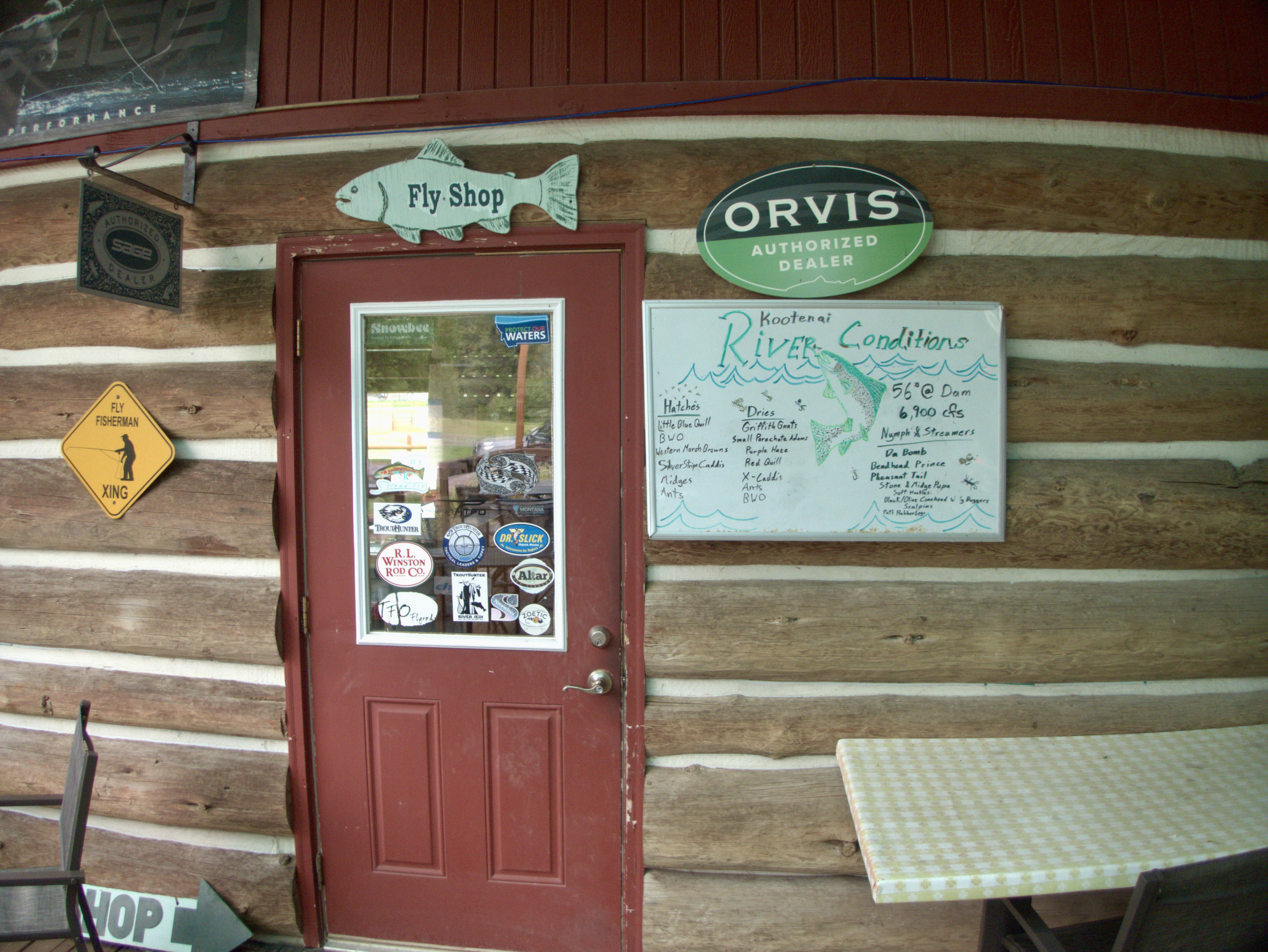
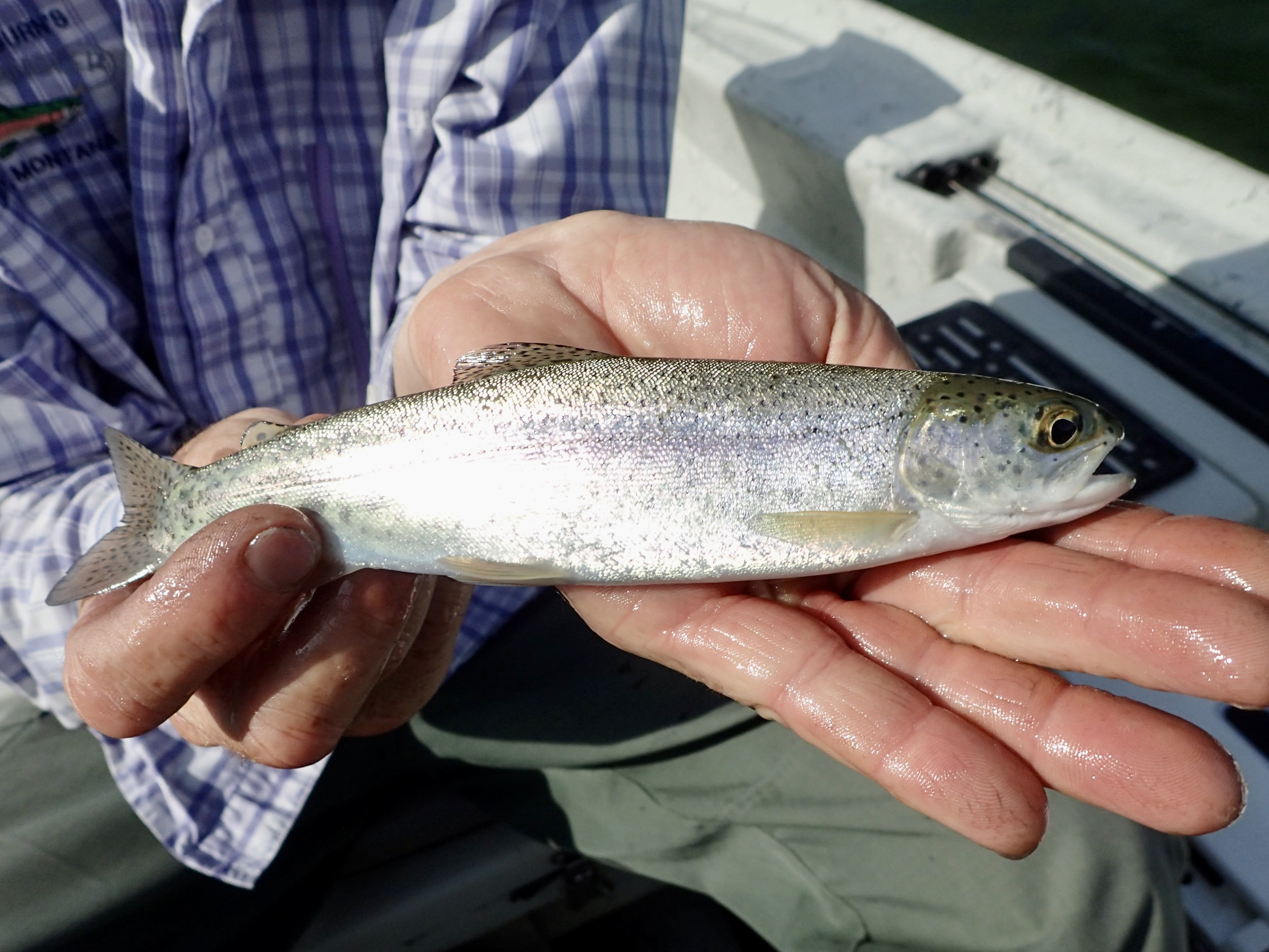
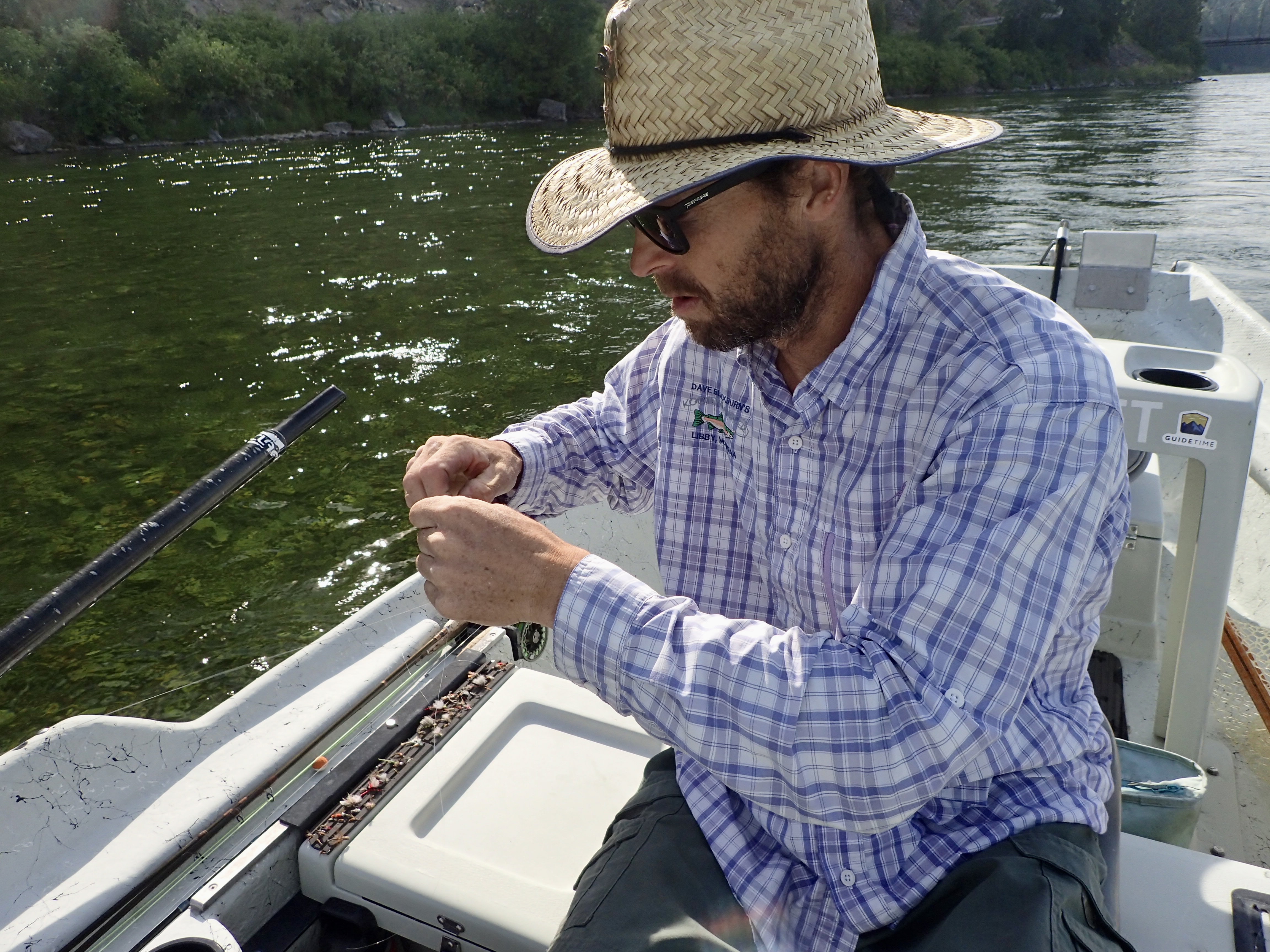
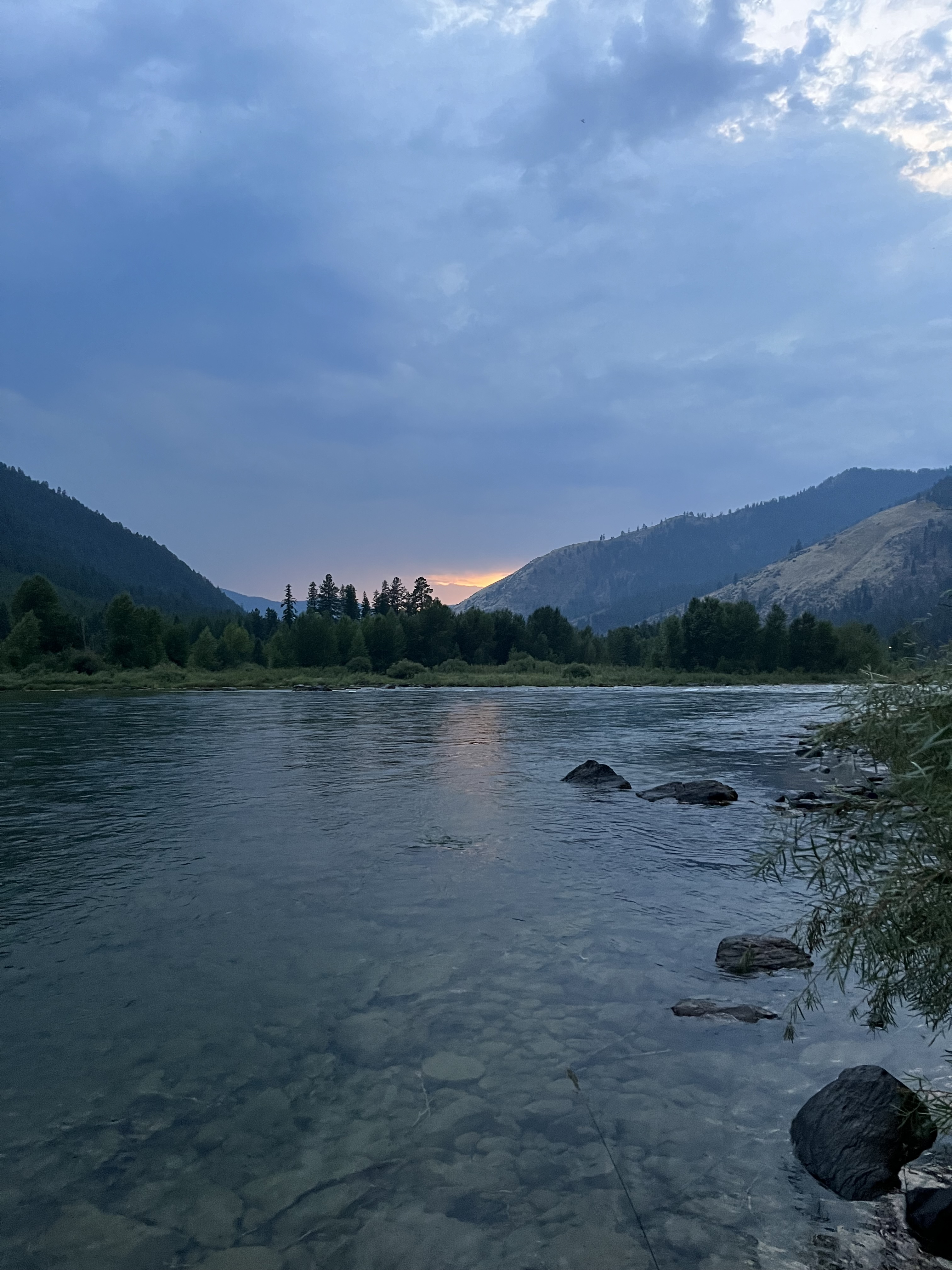
This was just a few paces from the back porch of our cabin. Libby, MT, is so far north that on August 1, this is the light at 9:30pm. You can see that the immediate shoreline is wadeable, but then it drops off in a hurry. The Koonetai is wider than the Housatonic in many places, and consistently far deeper. When you’re fishing the Kootenai, you focus on the transition areas between depth and shallow — the “change of color,” as my guide Jeff put it. I did some wet fly fishing, but mostly dry-dropper, with the dropper being another dry or small nymph.We stayed at the Kootenai Angler, run by Dave and Tammy Blackburn. There’s a fly shop on site, and full guide service available, which you’ll need. We rented their Betts Cabin, which was spacious and rustically elegant and wonderful. More than enough room for my me, my wife, and two sons. You can imagine how wide and deep the river must be for it to be flowing at 6,900cfs and still be low and clear!There’s also a restaurant on site. We ate there two nights, and I think my favorite part (besides the good food and incredibly reasonable prices) was being able to buy a bottle of wine, drink half of it, then bring it back the next night to polish it off. I’ll also go on record with this: Tammy Blackburn makes the best sandwiches I’ve ever had on a guided trip. They bring plenty of water, and with my stash of snacks (I’m a growing boy) I was well-fueled both days. The town of Libby is just a 15-20 minute drive, so you can get a breakfast sandwich or sit-down breakfast at a number of locations.The first day, we floated as a family in two boats; Karen and myself in one, the boys in the other. Neither Karen nor Gordon have done any real fly fishing, and both of them did a fantastic job with the learning curve — and yes, they both caught a good number of fish. The Kootenai is primarily a rainbow trout fishery, and they have the state’s only native strain on rainbows, the inland red band. While being out with the family and seeing everyone catch fish was a positive, I wasn’t thrilled with the water we floated over on the first day. Much of it was unremarkable, with flows that were in no rush to get to the ocean. But, I understand that is was good water for the beginners. I was also disappointed with the size of the fish on the first day. What you see here was typical of what we were getting into. Jeff explained that the feeder creeks had gotten too warm, and so much of the resident smaller fish had made their way into the bigger river in search of cold water relief.Then, there were the whitefish. Some consider them to be a trash fish, but they are part of the salmonid family. And it’s a new species for the fly-fishing tally sheet.Jeff Kalwara was my guide for two days. He did an excellent job teaching Karen, managing her rigs, releasing fish, and just being an all-around swell guy. Jeff and I went out solo the next day, but you’ll have to wait to read about that adventure…and more fish…and bigger fish.A guide’s work is never done. This is Jay, who guided Cam and Gordo. When we left Libby at 9am, he was busy in the shop replenishing his stock of guide flies. He also did a commendable job with Gordo, who really hasn’t fly fished proper before this. Well done, gentlemen!
TGIF! I did a little fishing this week, and a lot of house- and yardkeeping, along with various other tasks. We got a wee slug of rain, which made a slight dent in our water deficit.
To the Fly Fishing Guide to the Farmington River book news. I should have copy edits for review in mid September. Fly photo review is next. Then the whole shebang goes into layout and typesetting, then back to me for review. That should happen by the end of October. Once final edits are made, we get into physical production. A revised target release date is June 2026! I know you’re excited and can’t wait — as am I — but like an angler resting a fussy fish, we’ll all just have to be patient.
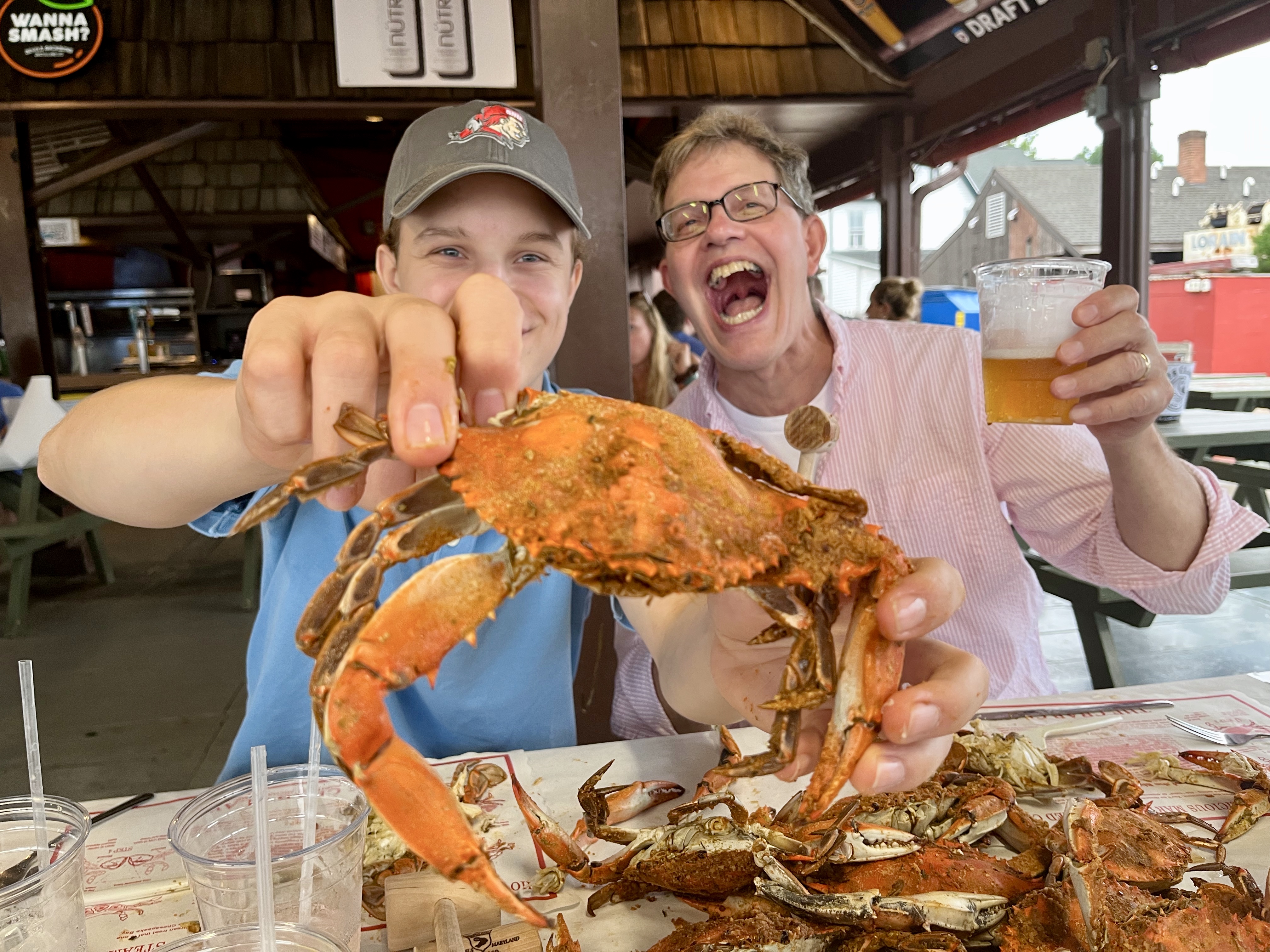
No reason to be crabby! The book is moving along, and I’ll raise a glass (or a plastic cup) to that.
Meanwhile, I’ve started putting together my Montana report (no, really). Look for the first installment next week.
Long-time currentseamsers already know this, but for the newer folks — or for the procrastinators among us (of which I’m one!) — it bears repeating. I have an Instagram account, and on it you’ll find unique material that you won’t see here. For example, in the last couple weeks I’ve posted two how-to videos, one wet fly, and one nymphing, for smallmouth bass. (Now that the book is “done,” I’m hoping to be doing more videos.) Hop to it. You can find and follow me on Instagram at stevecultonflyfishing.
Come see what you’ve been missing on Instagram at stevecultonflyfishing.
It was about this time every year that Ken Abrames would post a reminder on his Striper Moon forum. The forum is long gone, but the sentiment and action statement lives on! Ken’s September Night is by far my favorite finger mullet fly, and you can tie it longer as the mullet get bigger and fatter. I’ve tied this with a ginger marabou collar, and the bass said yes. Here’s a good link with tying instruction from yours truly so you too can tie the September Night.
This might be the sexiest baitfish fly-without-eyes around.
Hopefully, you noticed I didn’t post last week. Maybe you even missed me a little. I was way out west — Montana, Idaho, Wyoming — on a family vacation. Oh, you betcha there was fishing. I’ll get to that in greater detail later this week, but for now, I fished the Kootenay in NW Montana, Hebgen Lake in southern Montana, and the Madison and Henry’s Fork rivers in Montana and Idaho. We drove around Yellowstone and Grand Teton for a couple days, but (sadly) no fishing in either location for me.
I’ve never been to this part of the country, let alone fished it, so it was all new and wondrous. The water I fished was unlike anything we have back here.
You’re kidding, right? We stayed in a private cabin on the banks — really, as this is the view just a few feet from the back porch — of the Kootenay River in northwestern Montana, a ‘way up near Canada. That far north, and at the western edge of the Mountain Time Zone, it gets dark late. This photo was taken at 9:24PM!
~
Before I left, I finished a piece for Surfcaster’s Journal on fishing small flies for striped bass. This will be essential reading for anyone who’s interested in fishing a three-fly team in marshes with small bait-imitating flies, or sight fishing with smaller patterns on beach fronts or flats. I’ll let you know when it comes out.
~
I just received the first pass on rendered maps for the Farmington River book, and I think they look great! My goal was to have a graphically simple, eye-to-brain-friendly design for you, dear reader, and the artist hit it out of the park. There’s a large overview map, and then five detail maps that focus on the 22-mile stretch from Hogback to Farmington.
~
On the home front, the Farmington is running at a fantastic, cool, trout-friendly summer level, reminiscent of yesteryear when the MDC wasn’t toying with the flows. Tricos are the big little hatch right now, which horrifies night owls like me. Get on it, early birds, while you can.
~
Finally, I have some availability the rest of this month and through September for guide trips/lessons. If you’ve been hemming and hawing about getting out with me, this is best time to do it for the rest of the year. I used guides on my trip out west, and even I learned a ton — I’m a better angler than before I left. You know where to find me.







 currentseams.com