When the rest of the world zigs, Steve Culton usually zags. Nowhere is this more evident than in my fly fishing (wet flies, anyone?).
When I was researching the Fly Fishing Guide to the Farmington River, I spent a significant amount of time on and off the water with other guides and serious, highly skilled anglers. One thing they all had in common: they carried lots and lots of fly patterns. They also tended to have multiple fly boxes. Even a see-through plastic-lidded nymph box a little larger than a letter-size envelope has room for over a hundred flies, and many of those boxes they carried were filled. What they didn’t carry, they kept in more boxes in their vehicle. Out west, my good friend Pat Dorsey also has a — I think the scientific term is “shit ton” — of fly boxes stuffed with fly patterns. (He may have more midge patterns than I have total flies!) Pat’s one of the best guides on the planet, so he’s doing something right.
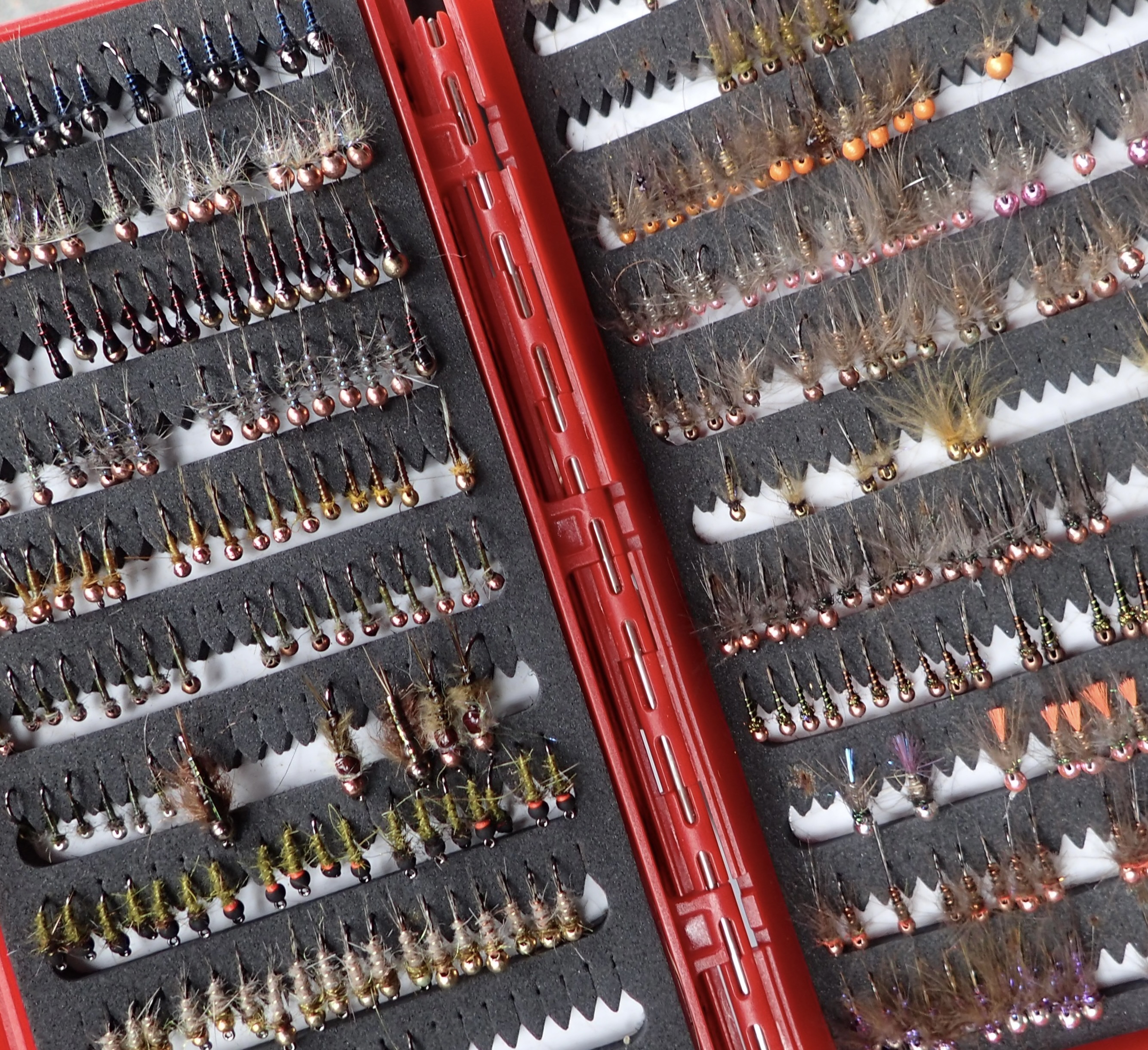
There are two points of consequence that must now be stated.
The first is that clearly, these people have a system that works for them. They will likely be prepared for any situation with any number of patterns, variants, sizes, and colors. They believe in their system.
The second is that this approach is not for me (see “Steve Culton zags,” above).
I don’t want to carry that many patterns, let alone tie them. It’s not a matter of brain freeze, or fear of paralysis by analysis. Clearly, I do not suffer in the slightest from FOMO. It’s simply this: I have, over time, curated a selection of high confidence patterns that consistently produce. Yes, I do occasionally add new patterns into the mix. But many of the patterns I use on the Farmington have been in my rotation for decades: the Magic Fly, BHSHPT, and Squirrel and Ginger, just to name a few. I’m in good company. Legendary guide and Catskills trout angler extraordinaire Ed Van Put was famous for using precious few flies over the course of the season, even on highly technical rivers like the Delaware.
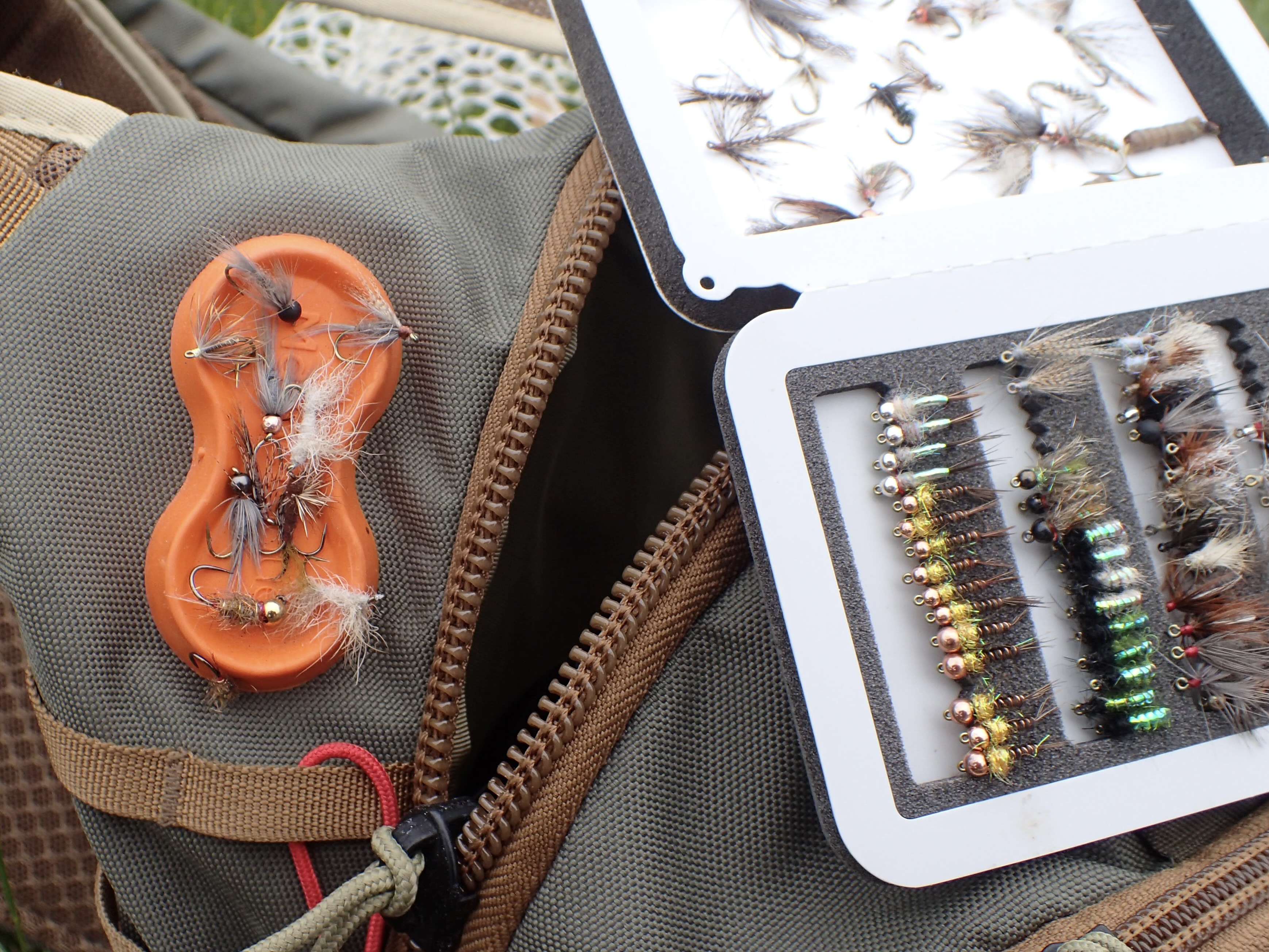
Use the system that works for you. Because this is true: confidence catches fish.
 currentseams.com