“Wet Flies 2.0” in the works

“Wet Flies 2.0” is the followup to the highly popular “Wet Flies 101” presentation. 2.0 will take a deeper dive into wet fly tactics and techniques — a more advanced course in how-to, where-to, when-to. I began working on it yesterday, and I’m at it again today. “Wet Flies 2.0” will make its debut at the 2019 Fly Fishing Show. I’m excited. I hope you are, too.

The Magic Fly, AKA Pale Watery Wingless wet variant. You betcha I’ll be talking about this one in Wet Flies 2.0.

OLYMPUS DIGITAL CAMERA


Pat Torrey’s Tiny BWO Soft Hackle

I recently received an email about this fly, couldn’t find the recipe on this site, and thought I should remedy that. I featured Pat Torrey’s Tiny Blue Winged Olive soft-hackle in an old American Angler article called “Match Game: Matching the Hatch with Wet Flies.” You can read it here.  This is a wet fly I like to fish as a dry, dusted with Frog’s Fanny, although it works subsurface as well. I first saw Pat’s fly on the UpCountry website many years ago, and it’s been a staple in my fly box ever since. (Hint: by changing the tail, body, and hackle color, the intrepid tyer can create a fine midge, Trico, or Needhami imitation.)

Tiny BWOSH

Hook: 1x fine curved emerger, size 20-26
Thread/Body: 8/0 dark brown
Tail: Brown or tan Antron
Rib: Fine copper wire
Hackle: Webby blue-grey dun hen

Fuzzy Nymphs

They’re not quite wet flies. They’re certainly not Euro nymphs. What they are is magnificently buggy and ugly and horrible and they catch fish. This wee trove of beasties will be appearing in “Wet Flies 101.”

Horrible little monsters: bottom left, Fox Squirrel; bottom middle, Hare’s Ear; bottom right, Ginger Caddis Larva.  

OLYMPUS DIGITAL CAMERA

A Winged Wet Fly Video Sampler

This selection of winged wets will be part of my “Wet Flies 101” presentation. It includes barred feather, quill, and jungle cock wings; English and American patterns; match-the-hatch and attractors like the Bergman-style flies from the color plates of Trout.


Greenwell’s Glory Winged Wet

An olde English pattern. If you peruse the ancient and modern literature, you can find any number of variants. I don’t fish quill winged flies much, but this is a spiffy little pattern — and it carries with it the cachet of tradition.

Greenwell’s Glory Winged Wet

OLYMPUS DIGITAL CAMERA

Hook: Wet fly size 12-16 (this is a TMC 3769 size 12)
Body: Pearsall’s Gossamer Silk, primrose yellow, darkened with cobbler’s wax
Rib: Fine gold wire
Hackle: Furnace hen
Wing: Starling primary

Wingless Wet Fly Video Sampler

A short tour through the art form that features classic wingless wet fly patterns developed by James Leisenring and others. This clip will be part of my revamped “Wet Flies 101” presentation.

~

The sulphur hatch seems a long way off on this frigid January day. Still, an angler can dream…

OLYMPUS DIGITAL CAMERA


A Spider and Soft Hackle Sampler

This video includes traditional North Country spiders and a couple soft hackles of my own design. It’s going to be part of my upgraded presentation, “Wet Flies 101.”

Variations on a Dark Hendrickson theme

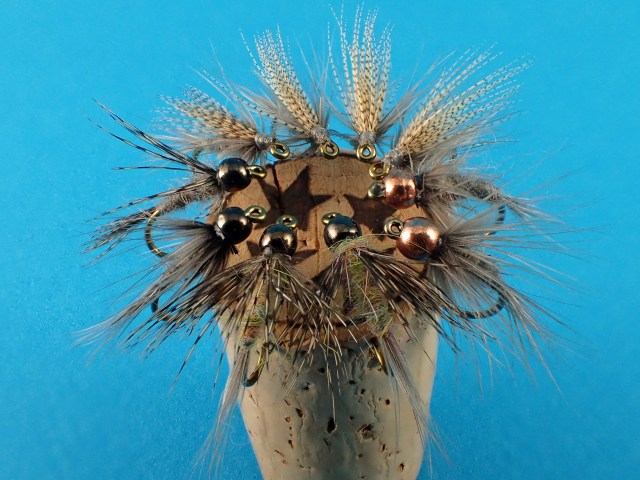
Some subsurface bugs for next month. The four with the wood duck wing are classic Dark Hendrickson wets. Clockwise, we have pairs of tungsten beadheads on a scud hook with the traditional tail, hackle, and body; black bead with Delaware River Club Spectrumized Hendrickson dubbing and a brown partridge hackle; and black bead with the traditional muskrat body and brown partridge hackle. I’ll fish the winged wets as the middle dropper and the beadheads on point. I can almost feel the frantic tugging right now.

OLYMPUS DIGITAL CAMERA

Intro to wet flies and beyond : Essential reading from Sylvester Nemes and Dave Hughes

If you want to learn how to tie and fish wet flies, soft hackles, and fuzzy nymphs for trout, you can start by reading The Soft-Hackled Fly and Tiny Soft Hackles by Sylvester Nemes and Wet Flies: Tying and Fishing Soft-Hackles, Winged and Wingless Wets, and Fuzzy Nymphs by Dave Hughes. That’s what I did a long time ago, and I’m a better angler for it.

Too many fly fishing how-to books read like the dictionary — or worse, a quantum physics monograph. Not the case here. Both Hughes and Nemes write with a conversational style, perfectly weaving anecdotes with critical know-how.

The Soft-Hackled Fly and Tiny Soft Hackles is a combination of two of Nemes’ earlier works. It’s a pattern book for sure, but there’s also plenty of relevant storytelling. It’s loaded with peals of wisdom (“If you have never tied flies before, I urge you to start immediately. The practice is exhilarating.”) and hidden gems like using North Country spiders for steelhead. The purchase price alone is worth being able to tell someone that you’re catching all those trout on a size 20 Smut No. 1.

NemesSHF

~

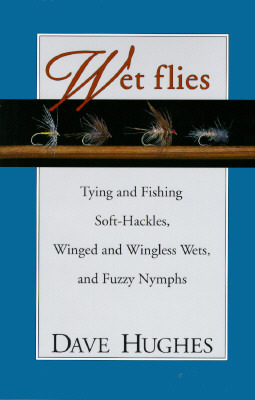
Hughes’ Wet Flies is likewise a pattern book, with multiple step-by-step photos and clear instructions. But it also covers history, wet fly types, and how to fish them. It’s a user-friendly read that exudes confidence in the patterns and the methods. My only complaint is that it’s a more western US-centric view of the subject. But wherever you live, you’ll find Wet Flies relevant (“Trout aren’t interested in neatness”). Note that there is now a second edition of Wet Flies, with new photos and patterns. I haven’t read it; I trust that it’s pretty darned good, too.
HughesWF

Works-in-progress: Hendrickson spiders

I don’t usually share patterns in the development stage, but the energy of these flies and the promise of spring has me feeling reckless. I’ve been prototyping some Hendrickson spiders, playing around with different colored threads and silks, hackles, and tailing materials. The one constant is the body fur, a moderate dusting of muskrat over the waxed thread or silk. These will get a test run this spring, and I’ll let you know what I — and the trout — think.

A nod to the tradition of North Country spiders and legacy American patterns like the Dark Hendrickson winged wet.

OLYMPUS DIGITAL CAMERA