Filling some corks with soft-hackled flies

A little production tying here at currentseams HQ — as much as I can be said to be a production tyer, which is very little. But stocks need replenishing for personal use, guide trips, and maybe a few to sell here and there. First up was the Squirrel and Ginger, my favorite caddis emerger from April through mid-summer.

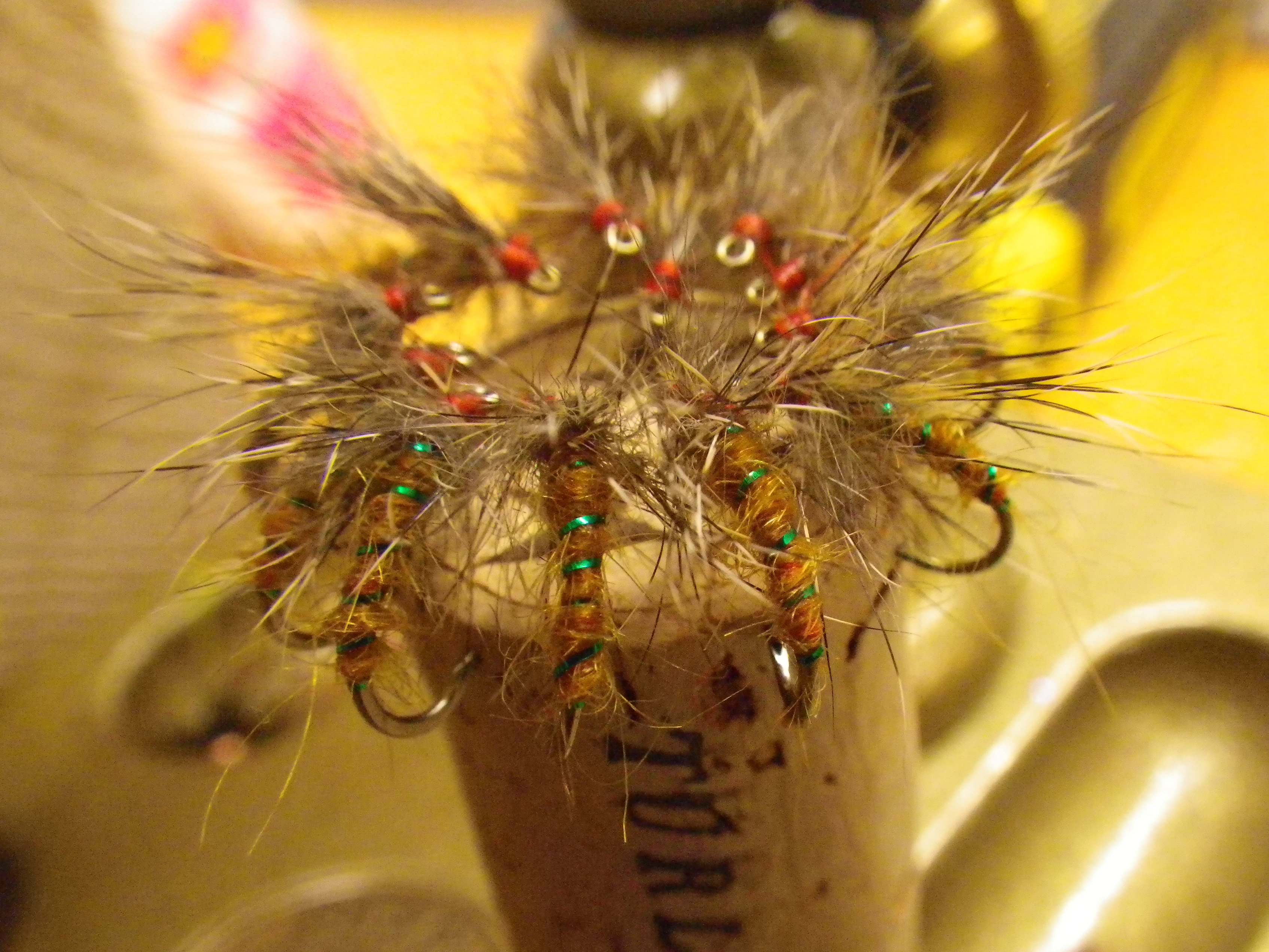
You drink the wine. You save the cork. You stick a dozen wet flies into it. You win twice.

Squirrel and Ginger cork

~

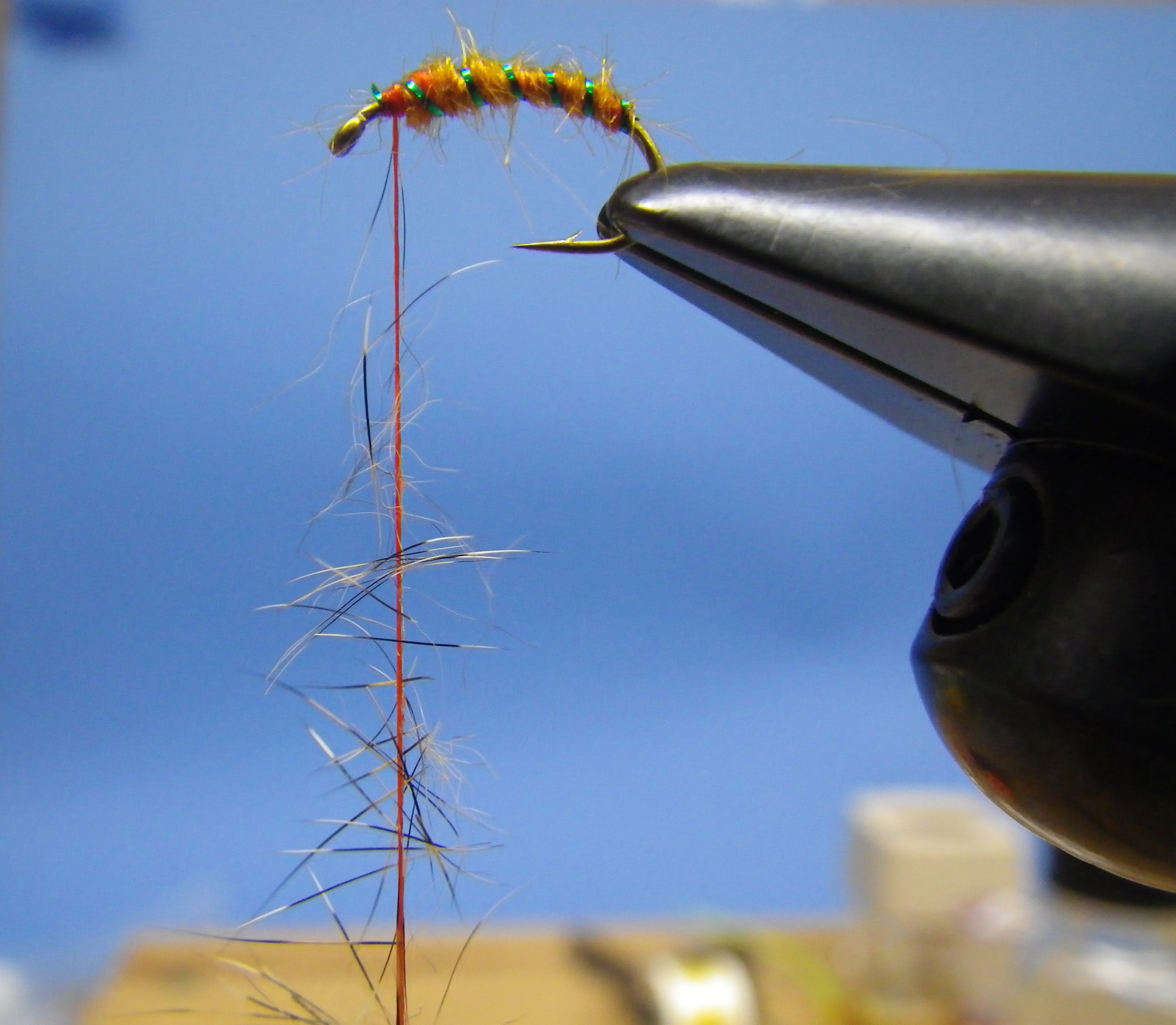
People tend to use far too much fur to hackle the Squirrel and Ginger. Think sparse. Think less is more. Like this. Dust the thread with fur. Your next step is to form a dubbing loop, then wind the hackle, stroking the fibers toward the bend of the hook.

Fur hackle dubbing loop prep

~

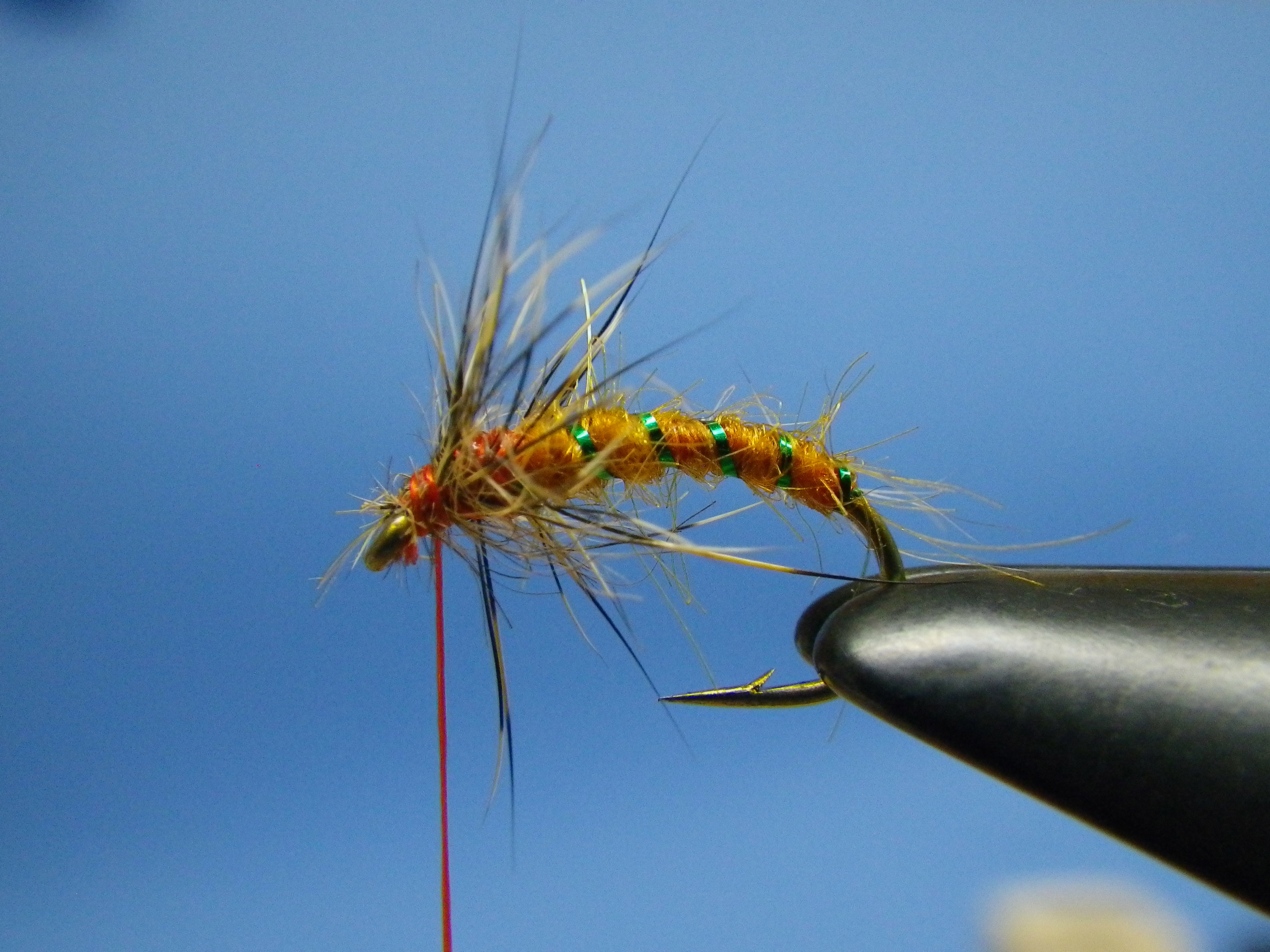
The same fly, ready to whip finish. Note (again) the imperfect head. Guess what? Trout don’t care about neatness. In fact, I think they like messy wet flies. Yeah, I’ll clip away that schmutz under the eye, but this fly is basically good to go.

S&G ready to finish

Currentseams Q& A: Tying the bead head soft-hackled Pheasant Tail

Q: Can you give me the recipe for your BHSHPT nymph?

A: You betcha. As a point of procedure, it is not “mine.” People have been tying this fly for generations. I’m just another in a long line who discovered the magnetic mojo of adding webby brown hen to the mix. I’ve really got to do a video of this pattern.

The bead head soft-hackled Pheasant Tail:

7a34cc32_vbattach314446

Hook: Size 8-16 1x short 2x strong scud
Thread: Tan or brown 6/0 or 8/0
Head: Copper brass or tungsten bead to size 
Tail/body: 6 (less as the hook gets smaller) pheasant tail fibers
Rib: Fine copper wire counterwrapped over body
Thorax: Peacock herl
Hackle: Soft brown hen

Tying notes: Old faithful, old reliable. Over the years. this fly has accounted for a significant percentage of the trout I’ve caught. Tying should be fairly intuitive. Lately, I’ve taken to tying in the hackle after I wind the peacock herl thorax. A few stray hackle fibers here and there on a nymph looks lovely to a trout. Once I get down to an 18 or 20 on this fly, I dispense entirely with the peacock herl. I also will use only three pheasant tail fibers on an 18 or 20.

Tying the Magic Fly (Pale Watery wingless wet variant)

The Magic Fly (Pale Watery wingless wet variant)
Hook: 1x fine, size 16-20
Thread: Pearsall’s Gossamer silk, primrose yellow
Hackle: Light ginger hen
Tail: Light ginger hen hackle fibers
Body: Rabbit fur, color to match the natural

I will be the first to tell you that I don’t believe in magic flies – you know, flies that you tie on and you automatically start bailing fish. This pattern is the closest I’ve found to being the exception. The Sulphur hatch is notorious for producing stillborn flies and frustrated anglers. The same could be said of the summer stenos, which have left me muttering to myself and spitting oaths on numerous occasions. The first time I fished this fly, it was a classic June Sulphur night on the Farmington. I had a whole pool of trout at my command. They rose to the fly with such confidence that I couldn’t believe what was happening. It must be magic! I treat this fly with silica floatant (my favorite is Frog’s Fanny) and fish it like a dry, on a long leader on a dead drift. The soft hackles and spikey body create a must-eat-me-now illusion that turns trout stupid. Alter the size and color and you’ve got a fine match for dorotheas and stenos.

The Magic Fly is based on the old English Pale Watery wingless wet pattern.

If there is a downside to this fly, it’s that it is a victim of the materials that make it such a success. The wet fly hackle quickly absorbs water, sinking the fly deeper into the film. Sometimes this is a good thing. Most nights, though, I find the trout want the fly a little higher on the surface. Even repeated shakes in a floatant canister and a re-dusting of silica won’t keep the fly where it needs to be. So make sure you tie up a half dozen in each size. Speaking of size, of the trout aren’t taking the fly, try going down one size. Sometimes that makes all the difference.

~

The Magic Fly Rogues’ Gallery:

Brown PWWwet


~


High-teens long, fat Farmington brown taken 7/21/14 on a size 20 Magic Fly

Big Brown on Magic Fly


The Black Caddis Spider

Last week on the Farmington I noted a substantial number of black caddis, about a size 16, hatching in the afternoon. I’d never seen them in that number before. While I had some patterns in my box (Stewart’s Black Spider, Starling and Herl) that matched the hatch, I wanted to tie up something that I could pretend was my own. This borrows from Leisenring’s Black Gnat and the S&H. On a stouter hook –and with a bead head — it would make a fine steelhead fly as well.

Black Caddis Spider

Image

Hook: Size 14-16 wet fly
Thread: Black
Body: Black pheasant tail
Rib: Extra fine copper
Hackle: Starling
Tying notes: A very simple tie. I used three pheasant tail fibers for the body. Counter-wrap the rib to reinforce the body, and play around with different color wires. I went for a longer-fibered starling hackle with this fly.

The White Mini-Bugger

This time of year I redouble my efforts to visit small streams. The canopy is in full, providing cover and shade for bashful trout. Water temperatures remain moderate (especially after a cool, rainy spring like this year’s). Food sources are plentiful.

I don’t always manage to get out as much as I’d like, but small stream dreaming has me thinking about one of my favorite flies for wild trout, the White Mini-Bugger. Oh, it’s a Woolly Bugger alright. But I’ve made several strategic changes to the classic template. For starters, it’s just smaller, the easier to be eaten by trout measured in inches. The tail is shorter and sparser, which cuts down on nips away from the hook point. The hackle and collar is soft hen, which flows and breathes. With a tungsten head and wire underbody, this fly sinks like a stone, causing it to rise and fall like a jig when you strip it. If the light is right, you can clearly see this fly even in a deep plunge pool. Try not to laugh when you watch the shadowy marauders surround and pummel the fly as you work it through the depths.

Image

White Mini-Bugger
Hook: TMC 5262 10-12
Thread: White 6/0
Bead: Copper tungsten, seated with weighted wire
Tail: Short marabou wisps over pearl Krystal flash
Body: Small fluorescent white chenille, ribbed with pearl flash, palmered with soft white hen
~
Tying notes: Of course, you can tie the Mini Bugger in any color your heart desires. I tend to be boring, so I mostly stick to white and black/grizzly. Same deal with beads: I have a thang for copper. (Thinking of tying some of these up in black with a copper bead for Salmon River steelhead? You should. It works. And with a chartreuse bead. And orange. And…) The shorter, sparser tail has absolutely increased my hookup percentage. To form the tail, I use a single piece of Krystal Flash, and double it/cut it multiple times to get a 16-strand tail. The body hackle is Whiting hen neck, the same I use for standard-issue wet flies. Tie the feather in by the tip, and if you have enough hackle after winding the body, try to form a collar.
~
The White Mini-Bugger Rogues’ Gallery:
Image


The Hackled March Brown Spider

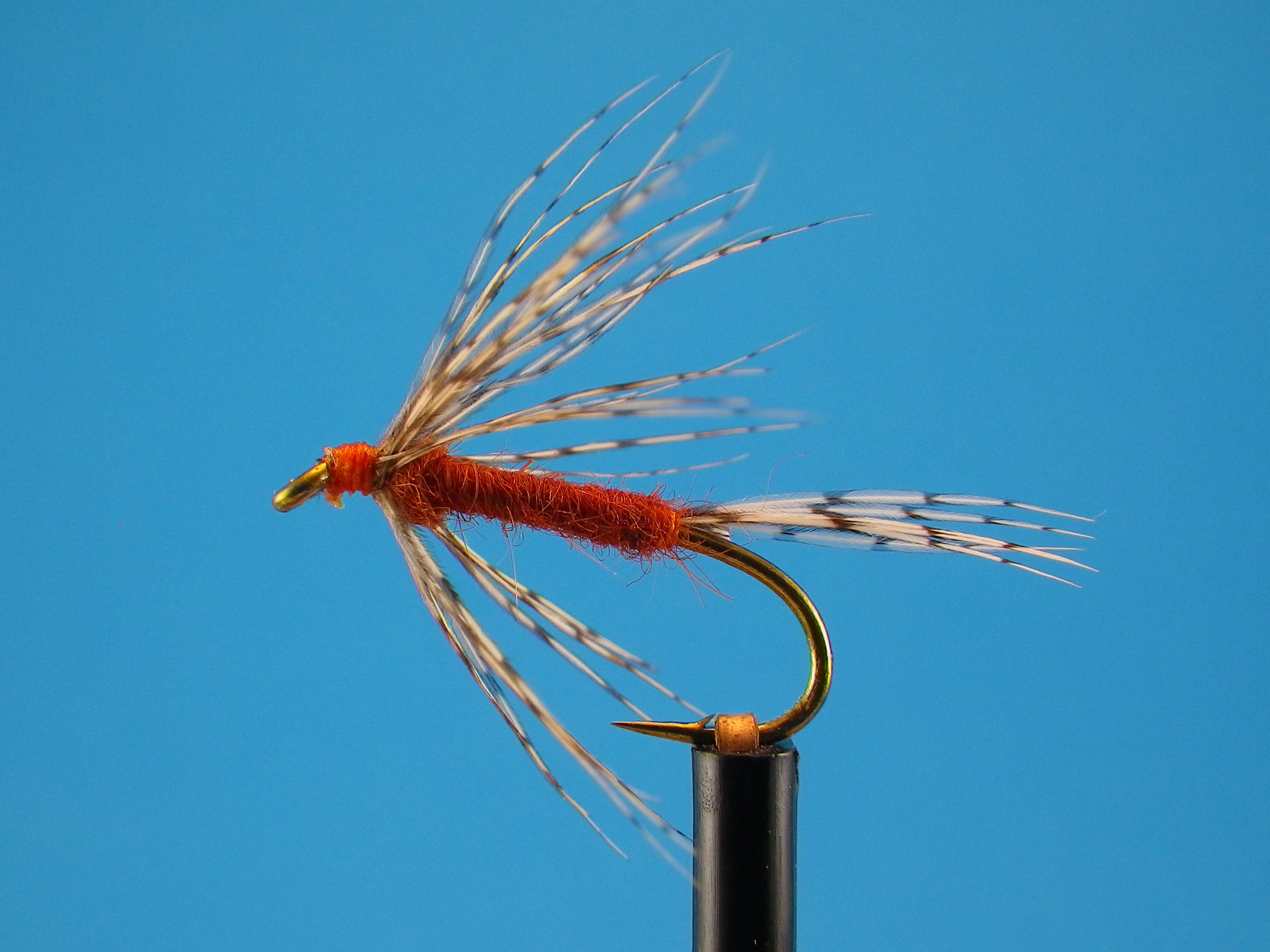
“March Brown” is a name you see attached to a lot of different wet fly patterns. Some of them are caddis; others, mayflies. This spider is intended to represent the latter. I discovered it on page 116 of Sylvester Nemes’ Two Centuries of Soft-Hackled Flies. It was originally published in 1936 in an English book, Trout Fishing From All Angles.

The Farmington River is not known for its March Browns; while we do experience that hatch, it’s not on the level of, say, Hendricksons or Sulphurs. But we do have a good showing of Isonychia, and I have taken to fishing the Hackled March Brown spider in the late summer to represent those substantial mayflies.

Last August, I was fishing a snotty run that was studded with boulders and pockets. There wasn’t much going on hatch-wise, and I had the Hackled March Brown spider as the point fly on my team of three wets. The hit was one of unrestrained violence and brutality, such that it ripped the line from my hands. The trout went immediately on the reel; I never saw it until I was able to coax it into the shallows. Over twenty inches long, it was my biggest trout of 2013.

Image

Hook: Wet fly, size 12
Silk: Orange Pearsall’s Gossamer
Tail: Grey partridge fibers
Body: Hareline Dubbin Rust (HD23)
Hackle: Brown partidge

 Tying notes: A straightforward, simple fly to tie. The original calls for a body of “hare’s ear dyed red ant colour.” I have settled on “rust,” and the trout seem OK with it. You could make the body a little buggier than I have here, but I like this fly with a thin profile. There are a multitude of brown feathers on a standard partridge skin; they’re located along the back of the bird.

The Hackled March Brown Rogues’ Gallery:

Image

Tying the Greensleeves North-Country Spider

Most North-Country spiders are very simple ties. T.E. Pritt’s Greensleeves is no exception. You wrap some tying silk around the hook shank, wind on a soft woodcock shoulder feather, then whip finish. Greensleeves is a highly effective green caddis pattern; I usually tie it in a 14 or 16.

The Dark Hendrickson Winged Wet

We had spent the morning nymphing, but as the hour hand worked its way toward eleven, the bite slowed. One o’clock would be the visible start of the Hendrickson hatch — you can set your watch by it on the Farmington — but I figured right now was about time for creatures to be stirring a foot below the surface.

I rigged up a team of three wets, with a Dark Hendrickson on point, and began walking down a long, three-foot deep run. When I got to the tailout, I encountered an angler reclining on rock, enjoying the warmth of the late April sun. I hailed him and asked how his fishing had been. He told me he hadn’t yet wet his line. “Waiting for the Hendrickson hatch to start,” he explained.

Oh, it’s already started, I told him. “I don’t see anything coming off,” he said. I shook my head. You can’t see it yet. It’s going on below, and it’s going to be a good one. See my friends up there? I’ve been catching them all the way down the run, just swinging wets. They’ve been keyed on this fly here.

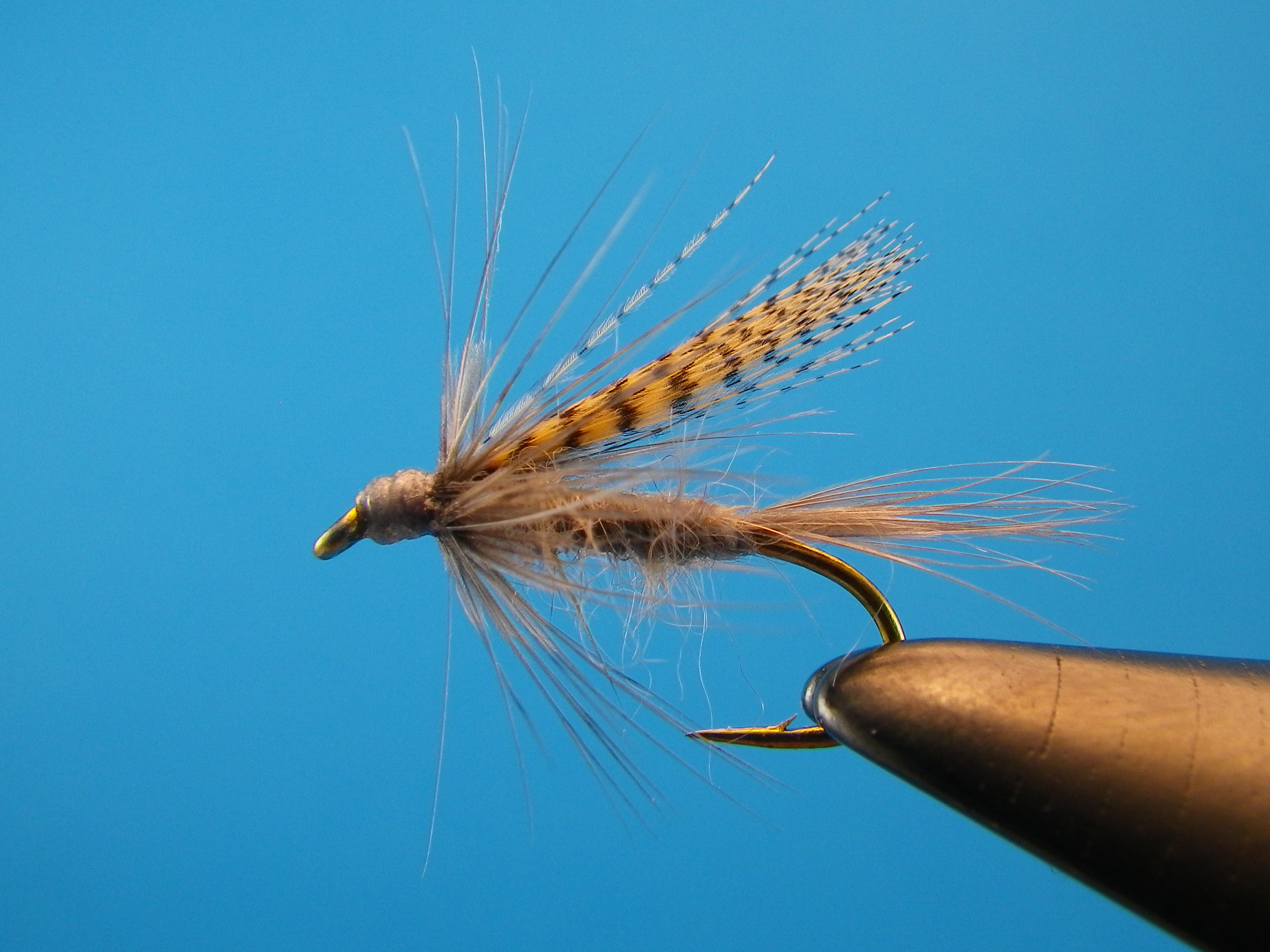
The Dark Hendrickson Winged Wet is a legacy American pattern that has been fooling trout for over a century. I’ve been fishing it only a fraction of that time, yet I couldn’t possibly tell you how many trout I’ve taken on it. This fly would easily make my Top Ten Wets list. Match the size of the naturals (about a 12 on the Farmington), then drift, swing, or dangle it over rising fish, and hold on.

The Dark Hendrickson Winged Wet

Image

Hook: 2x strong wet fly
Thread: Grey
Tail: Dark blue dun hackle fibers
Body: Muskrat fur
Hackle: Dark blue dun hen
Wing: Lemon wood duck

~

Tying notes: I like to use darker muskrat fur, particularly the soft grey underfur. Pick out and discard the black, stiffer guard hairs when you snip off a patch. A little fur goes a long way, and if you happen to have an entire skin, you’ve got enough fur to keep your great-great grandchildren in Hendricksons. Keep the body thin; the hero of this fly is wing. Be sure to leave plenty of room for the head and the wing; you can see on this fly that I just about made it. (Although the trout won’t care a lick.) To form the wing, I usually fold a small section of wood duck over itself with the dull side facing in, but I don’t get too crazy about trying to make every fly perfect. Make the wing about as long as the bend. If you don’t tie this fly, please start. You’re going to be happy you did.

Looks like the Hendrickson hatch has started.

Image

~

The Dark Hendrickson Rogues’ Gallery
Image

New Tying Class: Wet Flies and Fuzzy Nymphs for the Farmington River

This is one of my more popular tying classes. We explore buggy, impressionistic wets and nymphs geared toward fishing the Farmington, but the patterns and skills you’ll learn will serve you well on almost any trout stream. The class places an emphasis on using natural materials to create flies for specific hatches, as well as attractor patterns. Participants will need a vise, thread and tools. All other materials will be provided from my magical, mystical stash. The cost is $50.

Learn to tie the Squirrel and Ginger, and many other patterns that trout won’t be able to resist.

Image

When: Sunday, February 9, 2014, 9am-2pm

Where: UpCountry Sportfishing, New Hartford, CT

Sign Up:  I can’t enroll you; you can sign up by calling UpCountry at 860-379-1952.

New article in American Angler: Wet Fly 101

Check out the current (Nov/Dec) issue of American Angler for my latest article, “Wet Fly 101.” Wet flies have been fooling trout for centuries, and the fish aren’t getting any smarter. This piece serves as a broad introduction to wet flies. It covers basics like fly types; building a traditional three-fly team; what kind of water to target; and presentation. For those looking to take the ancient and traditional path to subsurface success, it’s a fine place to start.

Image