Kicking off the 2014-15 season with three appearances

Yup, it’s that time of year again. Three speaking engagements over the next thirty days, one of them hopefully near you. I really love presenting. It’s a great way to connect with other anglers at a grass-roots level. Hope to see you at one of them. And here we go.

Thursday, September 11, 7pm, I’ll be speaking at the Hammonasset Chapter TU meeting. The subject will be The Eastern Brook Trout: New England’s Wild Native. Location is the QRWA headquarters, located at 540 Oregon Road, Meriden, CT.
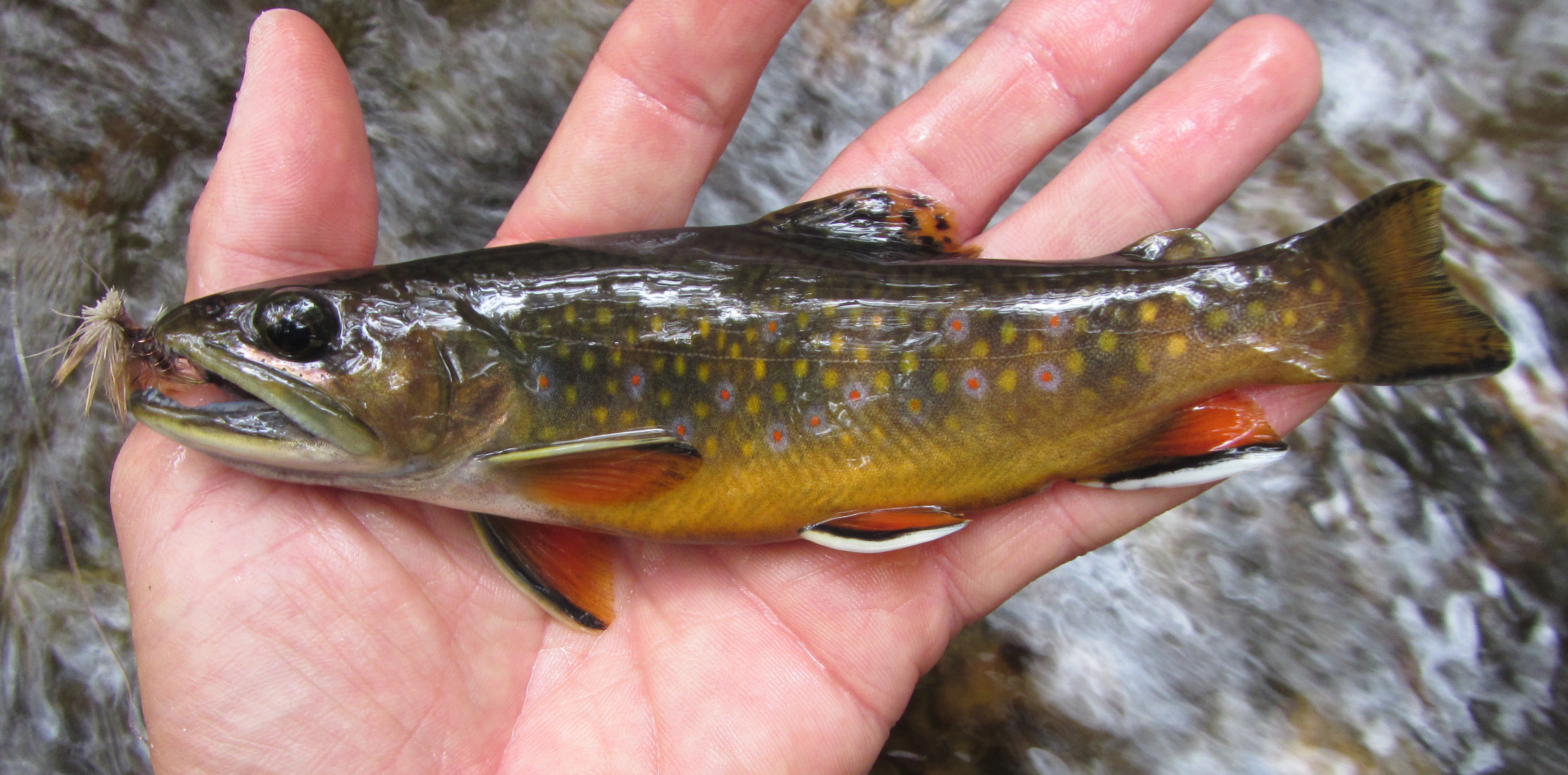
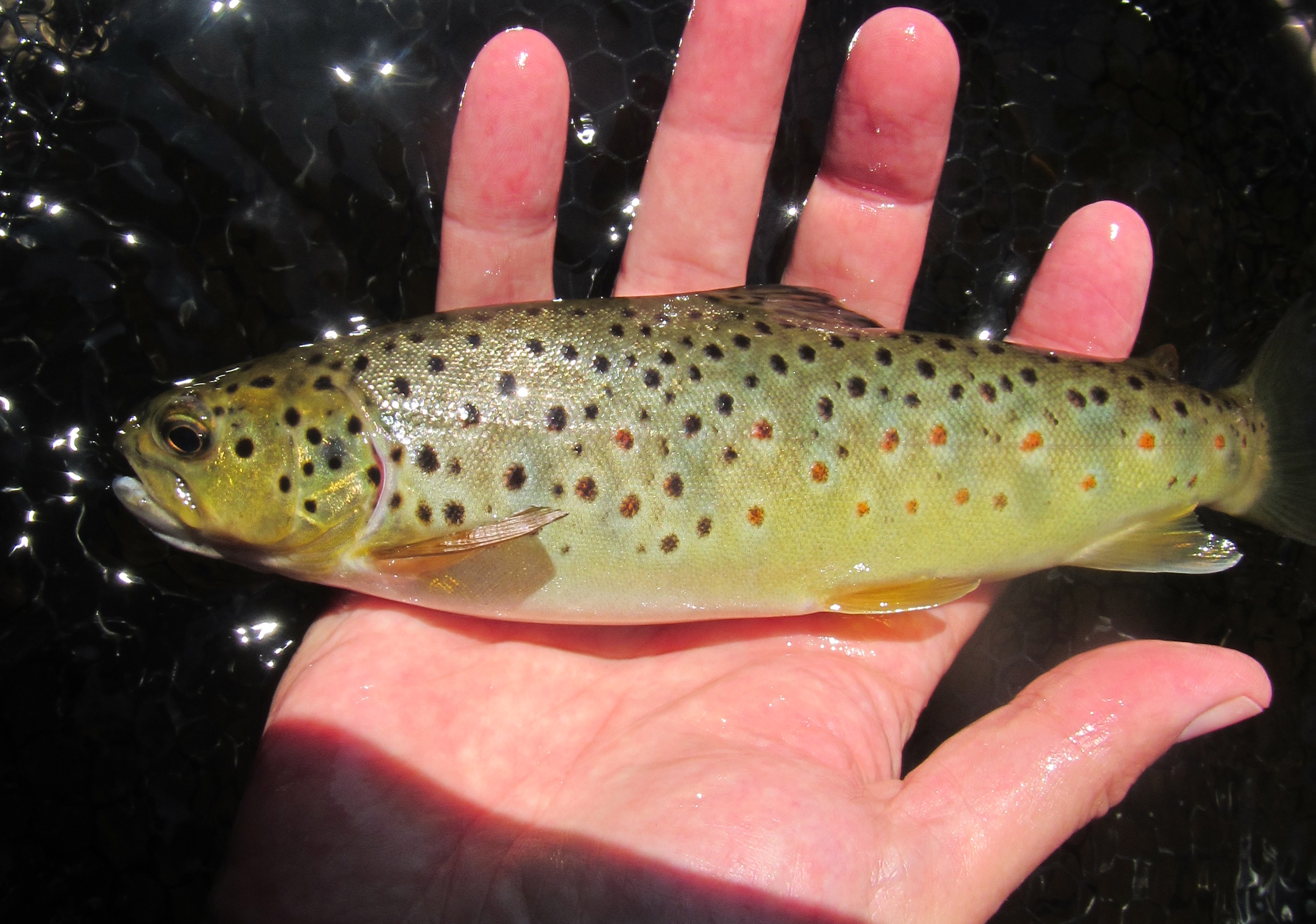
UDS Brookie1

Thursday, September 18, 7:30pm, I’ll be presenting Wet Flies 101 at the TU Croton Watershed meeting in Pleasantville, NY. You can get directions from their website, cwctu.org.

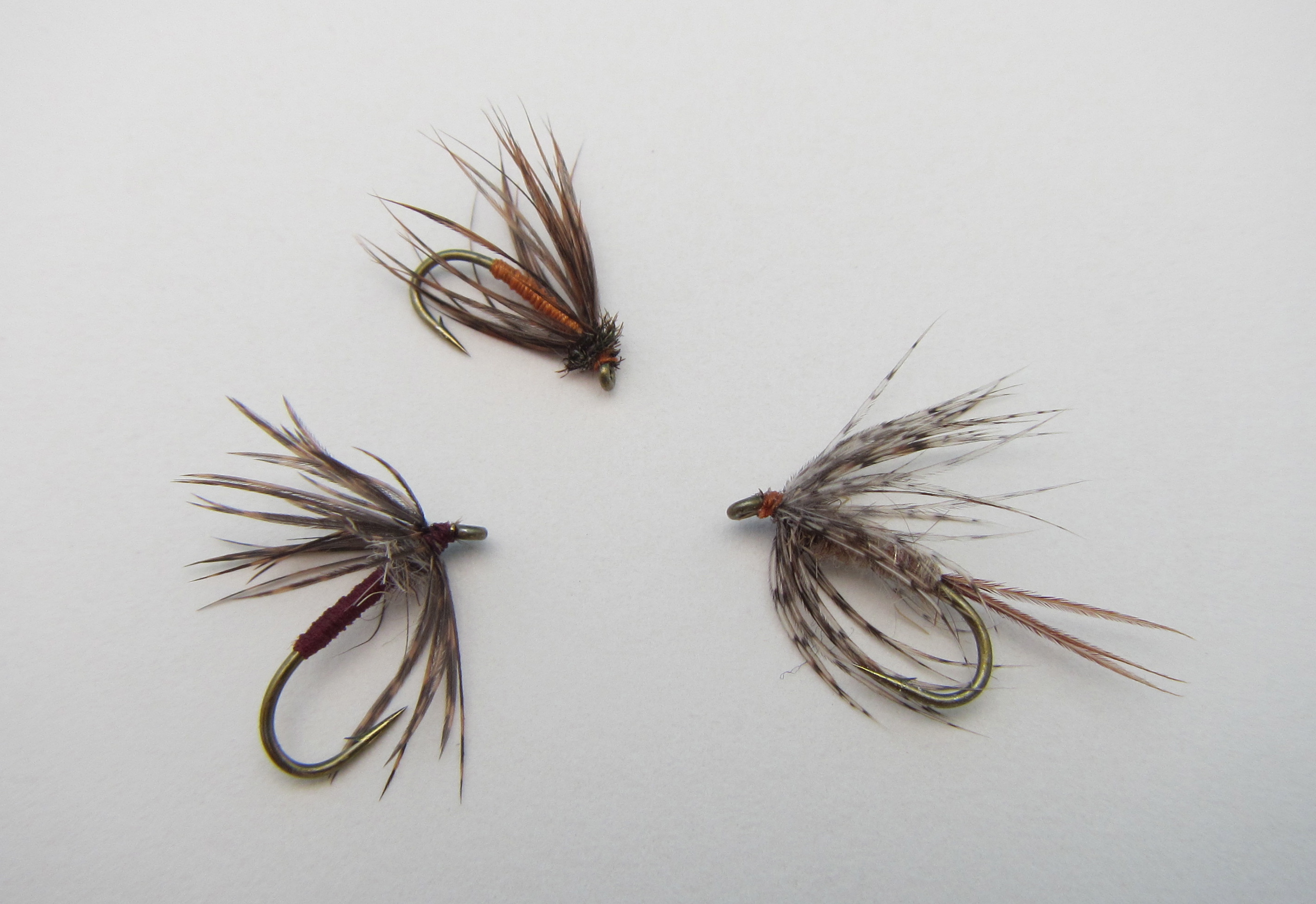
Soft-hackles

Wednesday, October 1, 7pm, TU Naugatuck Pomperaug Chapter meeting in Naugatuck, CT. An encore performance of The Eastern Brook Trout. You can directions at tunaugpomp.org.

You don’t need to be a TU member to attend any of these meetings. Please be sure to say hi to me if you decide to come. I have more appearances scheduled, and I’ll post them as the dates get closer. I’m also working on a new presentation that should be ready soon. 

Thanks to all of you who subscribe to and read currentseams. I truly appreciate it.
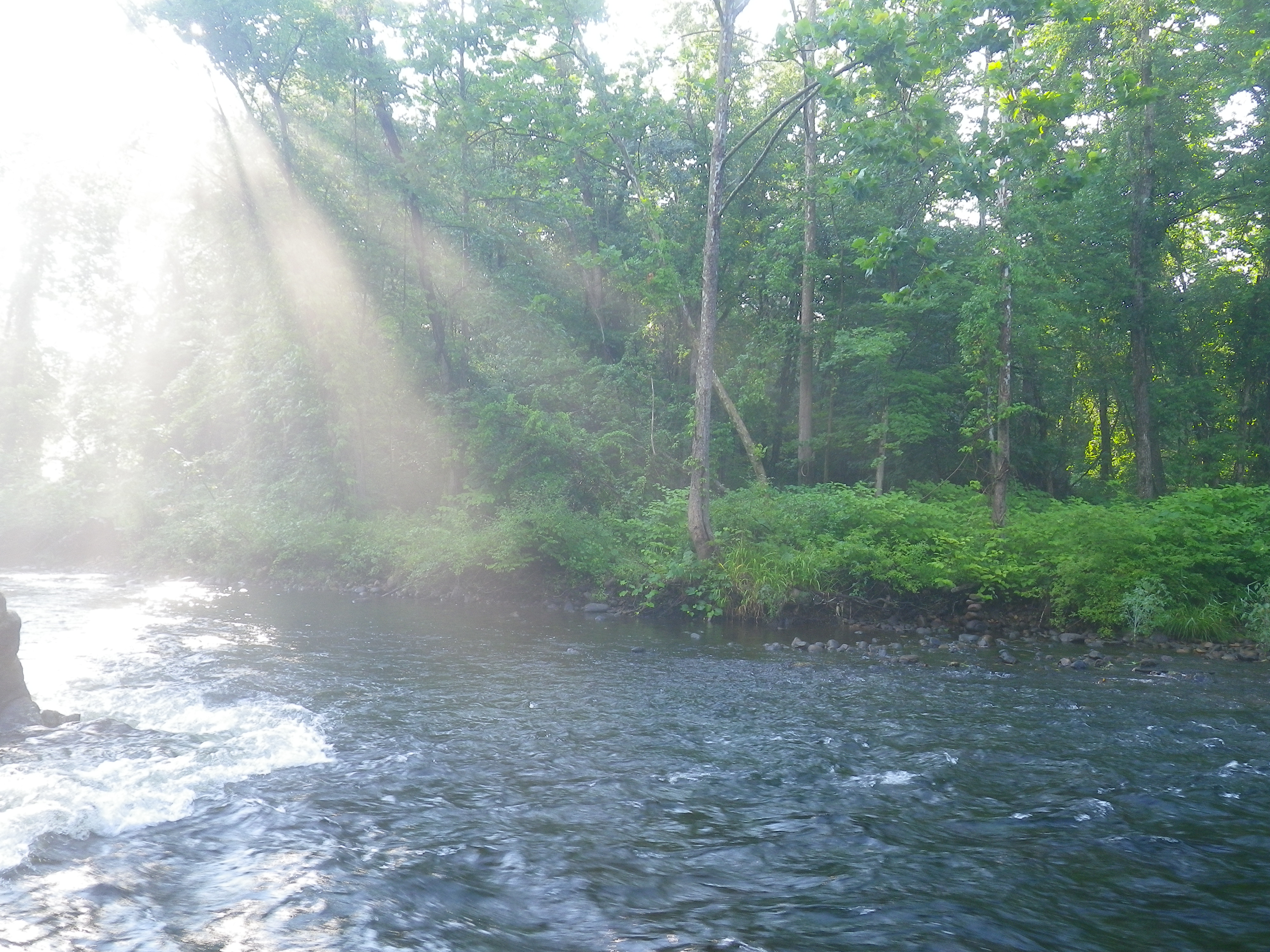
A good night to give a wet fly presentation

Had enough rain yet? I can only imagine what your favorite trout stream looks like. One of those neither man nor beast nights, so I was astonished to see such an impressive turnout at the Thames Valley Chapter of TU meeting. “Wet Flies 101” was the topic. I can’t say enough good things about this group: we had projector difficulties, hardware interface problems — just about anything that could go wrong, did. That is, until several chapter members pitched in and pulled it all together for me. My hat is off to you. Thank you for having me, thank you for helping me, and thank you for being such an attentive and curious audience.

It was also nice to see so many familiar faces. You know who you are.

We could use a little sunshine breaking through the mists.

Image


.

“Wet Flies 101” at the Mianus Chapter of TU March 11

We are busy, busy, busy here at currentseams. (Busy is good.) My next presentation is Tuesday, March 11, at the Mianus Chapter of TU, Waveny Mansion, in New Canaan, CT. Doors open 7pm. Hope to see you there.

North-country spiders, part of my “Wet Flies 101” presentation

Image

Thanks TU225 for hosting me

Many thanks to the Narragansett TU Chapter for being such gracious, welcoming hosts. I think that was my biggest crowd to date. It’s always gratifying to be able to talk and teach at the grassroots level. Thanks also to everyone for the follow-up emails.

Image

Pizza is your friend: Thanks to CVTU for hosting Wet Flies 101

When you travel around the northeast making evening presentations to fly fishing clubs, you learn to keep a stash of protein bars in your case. Especially if you get grumpy when you’re hungry.

Or, you could just present to the Candlewood Valley Trout Unlimited Chapter. They trot out a spread of cheese pizzas, and invite you to have at it. So, thank you, CVTU for being such gracious hosts. I really enjoyed presenting “Wet Flies 101” to such an engaging group.

One of the many gorgeous creatures you can expect to catch with wet flies.

CUFarmyBrown 7:13

I also thought I’d make this thank you note a little more appealing to those who weren’t in attendance. At the end of each presentation, I open the floor to questions. Here are a few topics we covered.

Q: Where do you attach weight to the leader if you want to quickly sink the flies?

A: One BB shot to start, just above the knot that forms the middle dropper.

~

Q: When your team of wets is downstream, how do you re-cast them? Do you water load the rod and shoot them upstream?

A: It depends on where I want to make my next cast. If it’s upstream, and doesn’t require a precision or a long cast, yes, I’ll water load the rod and shoot the whole works. But mostly, I like to aerialize the line before I cast. Still, I like to keep false casting to a minimum.

~

Q: How long do you dangle?

A: Shocking! I can neither confirm nor deny the rumors. But seriously, the issue is how long do I leave the flies dangling in the current below me? If I know a fish is there, I might leave it for several minutes. I might also animate the flies by slowly raising and lowering the rod tip, perform a hand-twist retrieve (with the rod tip raised), or sweep the flies back and forth in the current with side to side mends.

~

Just a reminder that my next presentation (also Wet Flies 101) is to the Narragansett (RI) TU Chapter, Thursday, February 26. You can get directions at their website, tu225.org.

Saturday, March 1, I will be doing a small stream tying demo at the Compleat Angler in Darien, CT. Their website is compleatangleronline.com

“Wet Flies 101” Presentations in February 2014

If you’re interested in wet flies and are within driving distance of Danbury, CT, or Coventry, RI, mark your calendars for February 2014. I’ll be making my presentation of “Wet Flies 101” to the Candlewood Valley TU chapter (cvtu.org) on Tuesday, February 11, and to the Narragansett, TU chapter (tu225.org) on Wednesday, February 26. You don’t need to be a member to attend, and you can get directions and times from their respective websites.

Wet flies have been fooling trout for centuries — and the fish aren’t getting any smarter. While the wet fly fell out of favor in America decades ago, more and more trout anglers are discovering that the best match for a hatch is often a wet fly. “Wet Flies 101” is a basic overview of the method. I cover history, fly styles, leader construction, where to fish wets, and presentation. Hope to see you there!

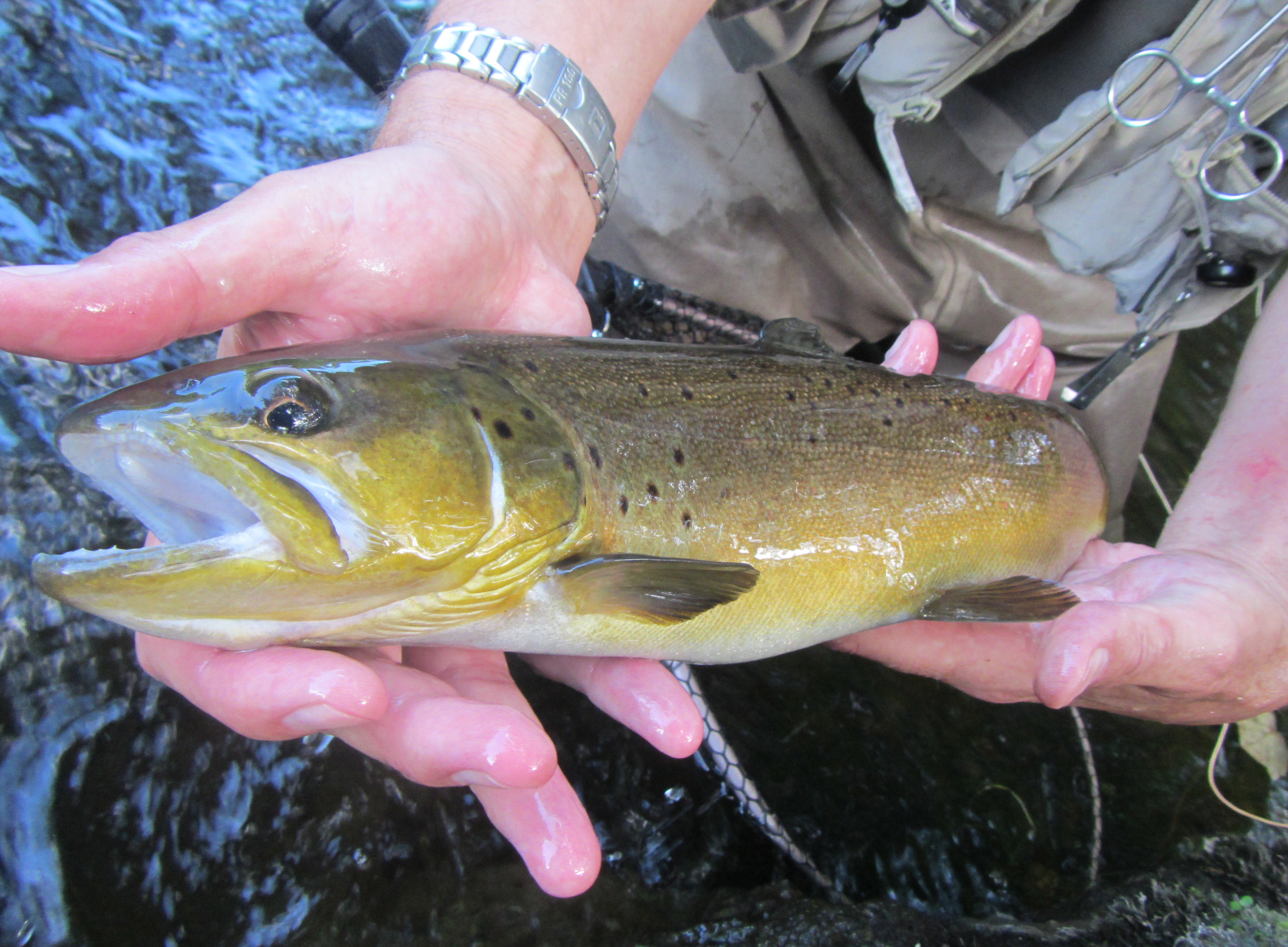
This big summertime brown took a Drowned Ant soft-hackle on the Farmington River.

Image

The Drowned Ant is a simple soft-hackle, based on the centuries-old pattern Starling and Herl. Trout can’t resist this fly.

Drowned Ant

Many thanks to the FRAA for hosting me tonight

Tonight I presented my “Wet Flies 101” program to the Farmington River Anglers’ Association. Good crowd, plenty of familiar faces, and many engaging questions. I hope everyone who attended had as much fun as I did. Thanks again.

Image

Thank you to the Hammonasset Chapter TU for hosting me tonight

Tonight I kicked off my 2013-2014 speaking schedule with a presentation at the Hammonasset Chapter of TU: Wet Flies 101. I’d like to thank the group for being so welcoming (What? Food? Yes! Loved the pulled pork and the slaw and, oh, yes, the chocolate chip cookie) and for asking a lot of terrific questions. You made my night an enjoyable one.

Image

Farmington River Report 8/6/13: Are you still there?

I guided Steven today and we had about the nicest August weather you could hope for: sunny, about 80 degrees, and low humidity. The fishing was pretty fair, too. The river was crystal clear, 324cfs in the Upper TMA, and 64 degrees. Not much in the way of hatch activity, but you take what you get and make soup.

Steven had missed my most recent “Wet Flies 101” class at UpCountry Sportfishing, so we spent the day covering the curriculum. He did an outstanding job. Funny thing: the first run we fished, there was a guy swinging wets. We watched him hook and land a nice trout. Turns out it was Ted, who took my class in May this year.

After Ted left, we waded in and took several fish, including this lovely wild brown that was rising on the edge of a shade line in less than two feet of water:

Image

Next, we headed off to the lower river. Slimmer pickings, with only one juvenile salmon to show. We finished the day in the upper TMA. We fished several very sexy seams and pockets with no love, but then things picked up in the last hour.

“Are you still there?” When my students are fishing wets on the dangle and they feel a strike, I tell them to ask that question before they set the hook. (When swinging flies for Atlantic salmon in the UK, you say, “God save the Queen.”) One of the biggest challenges for a new wet fly fisher is not setting the hook when they feel the tug. It’s a highly challenging reflex to overcome, and failing to do so usually means pulling the hook out of the fish’s mouth. Steven was struggling with it as much as anyone does early on, but by the end of the day, he was proudly announcing, “I waited that time!”

And every time he did, the trout was still there.