Hot off the e-presses comes issue 86 of Surfcaster’s Journal. Within, you’ll find the latest from yours truly. It’s about a big striper I landed this year and the skill? — or luck? — maybe both? — that went into it from hook to landing. Surfcaster’s Journal is an e-zine that is worthy of your support. It’s only 20 bucks a year, and for that you get to read stuff written by some of the best striper anglers on the east coast. You can subscribe here.
The article is called “Fishing at the Intersection of Lucky and Good.” I think it’s one of the better things I’ve written.
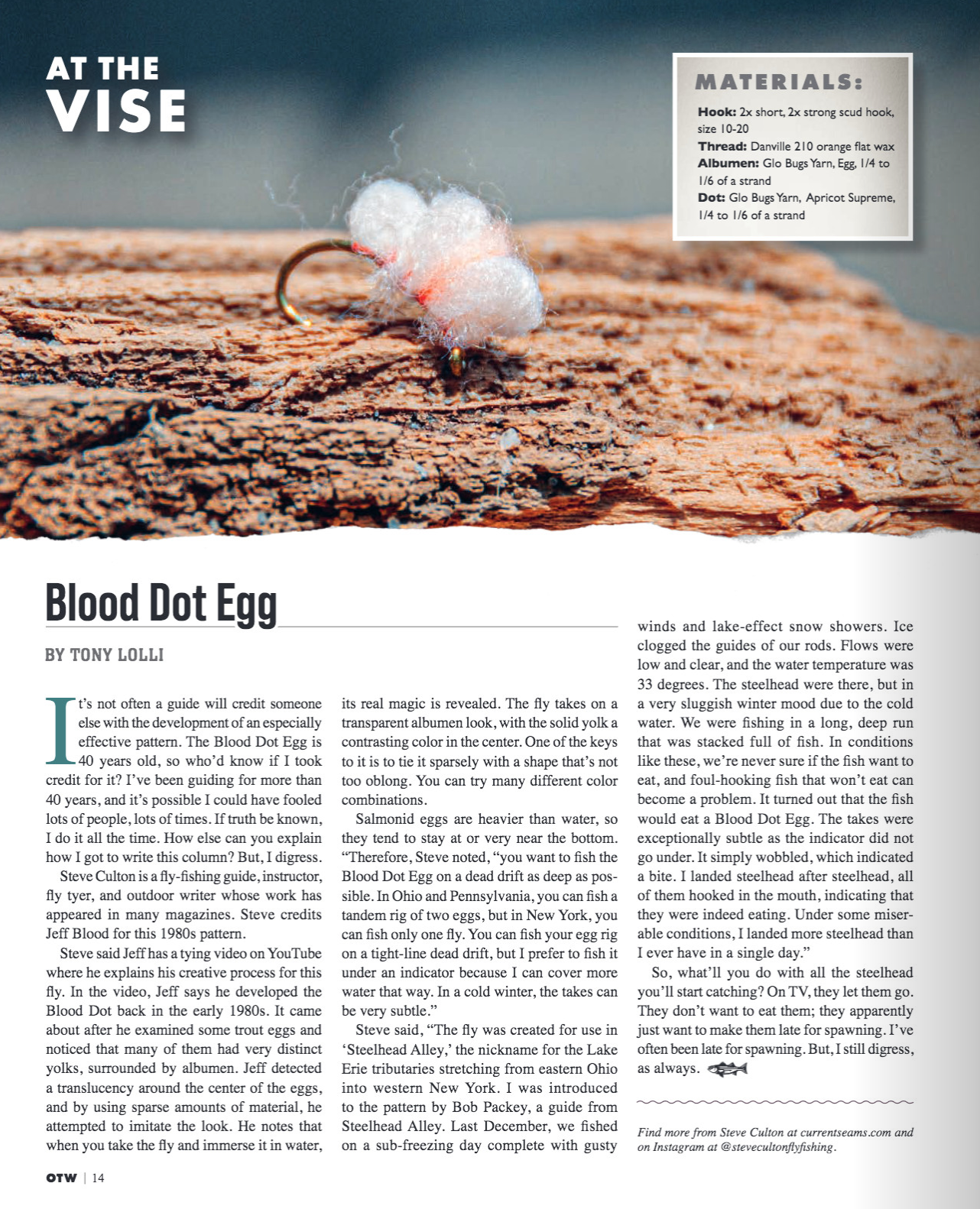
Ok, so it’s not my pattern — it’s Jeff Blood’s pattern. But the Blood Dot Egg is a classic guide fly, and I was delighted to share it with the readers of On The Water magazine‘s “Guide Flies” column, written by Tony Lolli. (Thanks again, Tony, for letting me play!) This is the single best egg pattern out there, and it’s so ridiculously easy to tie that you won’t fret when you sacrifice one or three or a dozen to the bottom gods. Steelhead season is upon us. Now, if we can only get some rain.
Shorter days, longer nights, cooler weather…I’m definitely in the mood, baby! We do need some rain, but as you read this, Great Lakes Steelhead are staging at the mouths of rivers and creeks. I think this thought train all started when I saw that Jeff Blood was going to be one of the tyers at the International Fly Tying Symposium (you’re going right?) on November 16-17. Jeff’s Blood Dot Egg has been my new favorite egg pattern since steelhead guide extraordinaire Bob Packey introduced me to it three years ago. It works on both Erie and Ontario steelhead (not to mention trout in CT). I’ll stand by the title of the article linked here: The best egg pattern for steelhead might be Jeff Blood’s Blood Dot.
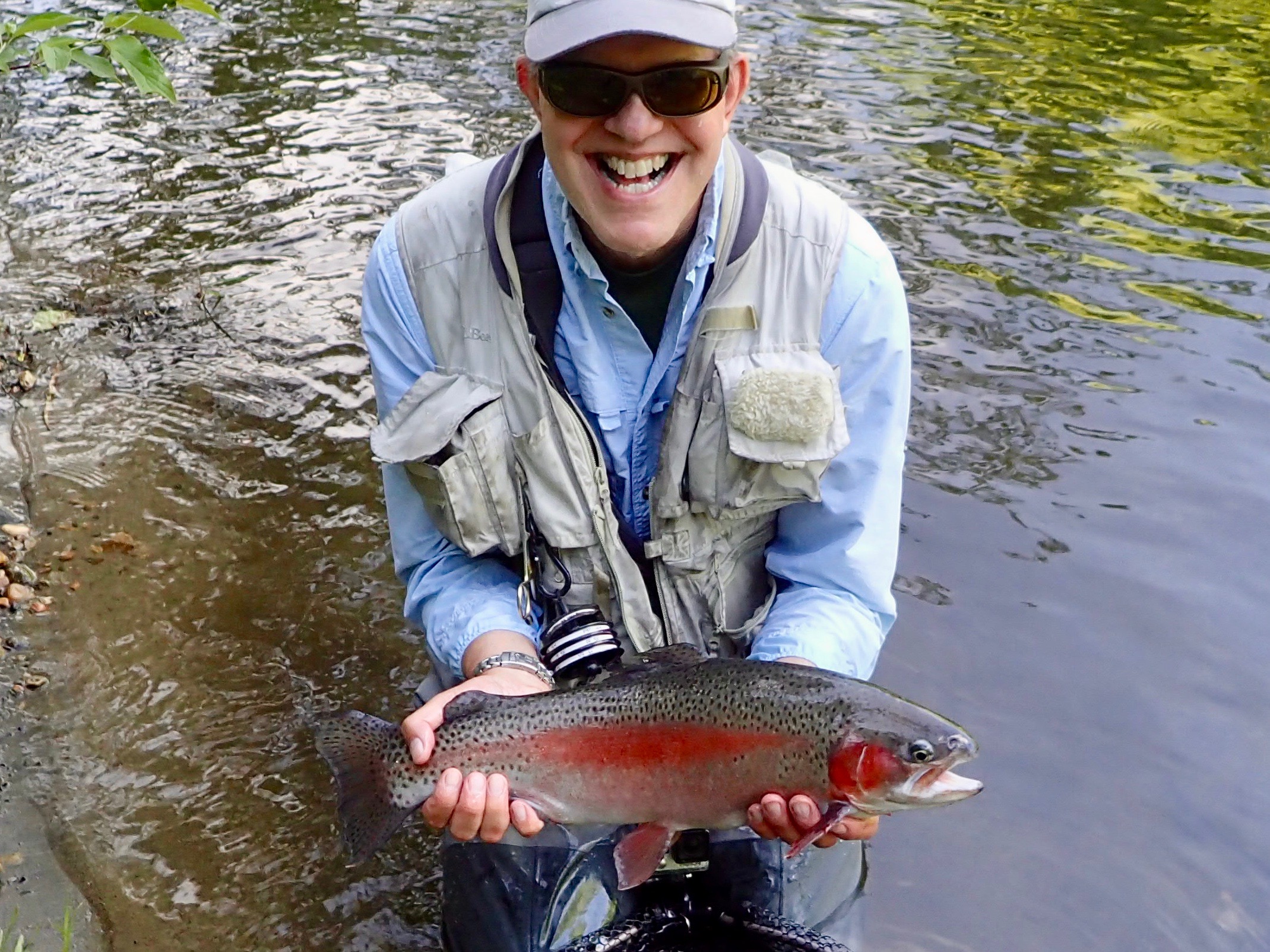
Give that man (Jeff Blood) a ceegar! This is a Salmon River fish from last November taken on Jeff’s fly.
I get a lot of questions about Block Island this time of year. As always, I’m happy to answer them (unless you want to know my secret spots, which I won’t even tell my mother). For general information, here’s a piece I wrote several years ago. It still stands up today. It’s called “Block Island Stripers From The Shore.”
This one’s only about a year old, but in case you missed it, it’s certainly a must-listen — especially if you like to swing wets, if you’re considering learning how to do so, or even if you need a refresher course. Here’s the link to the original post, and within that you’ll find a link to the podcast. Enjoy, and beware: you’re about to start catching more fish.
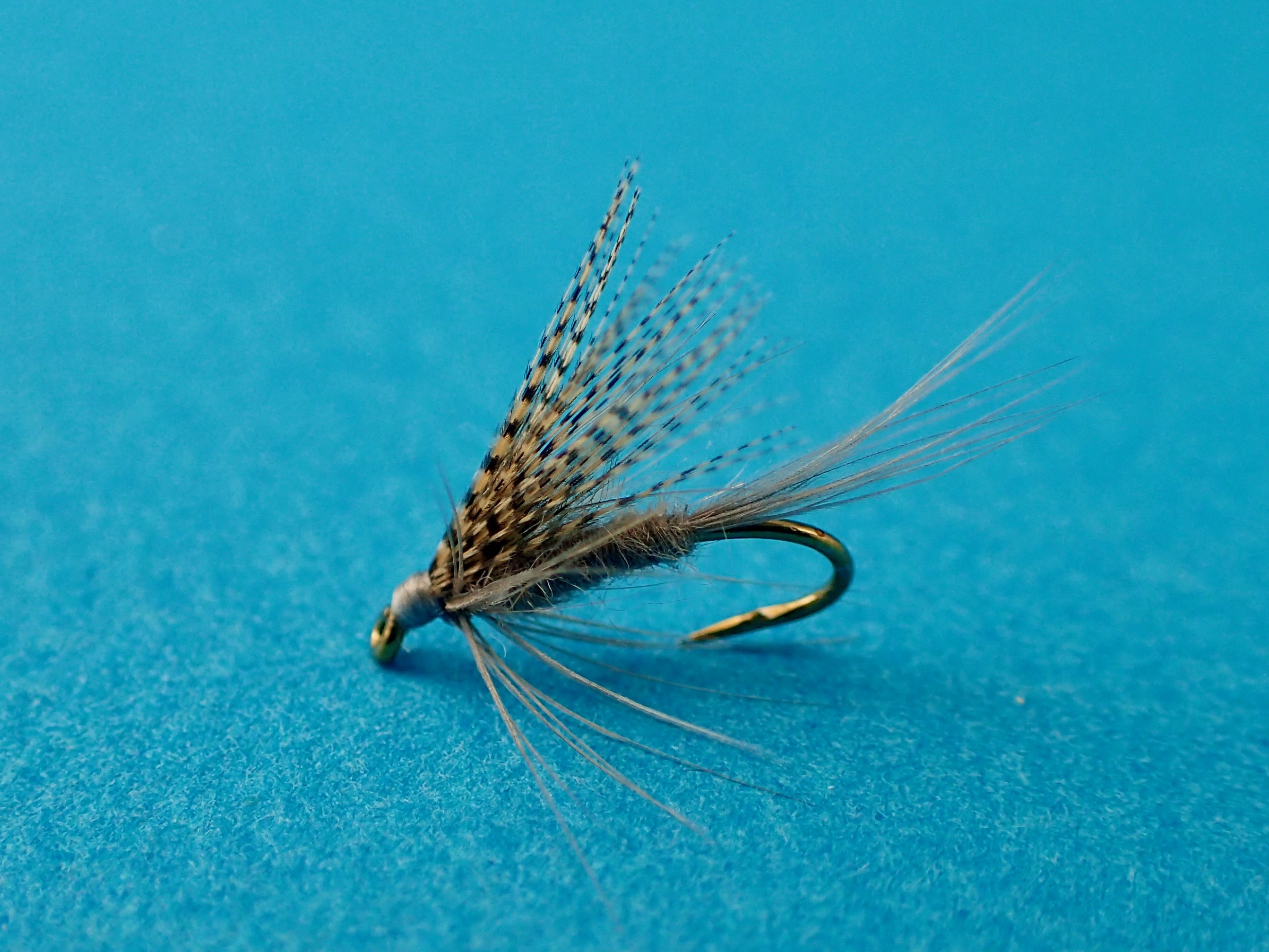
You should be fishing this pattern, the Dark Hendrickson winged wet, right now.
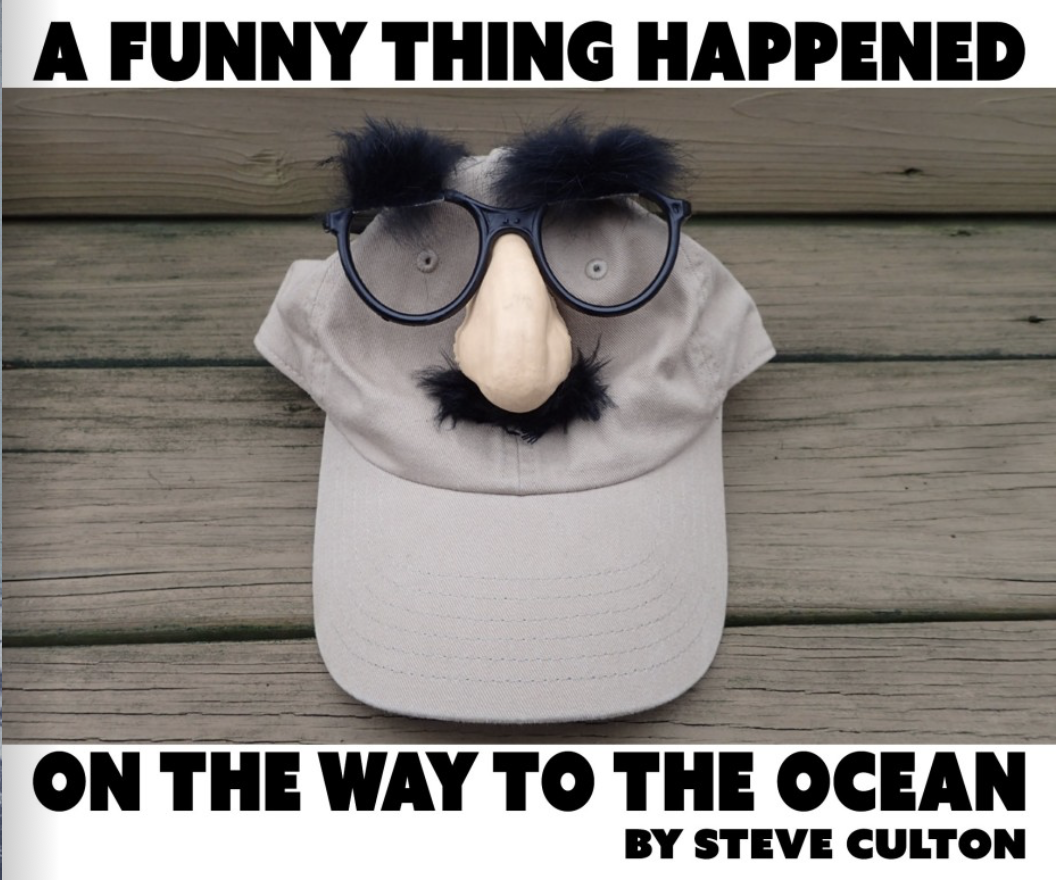
Fly fishing for striped bass isn’t all steely eyes, fierce focus, and grim countenance. Sometimes the jester shows up, and hilarity ensues. You can read all about it in the newest issue of Surfcaster’s Journal, number 83 to be exact. SJ is an e-zine and you need a subscription, but it’s only 20 bucks for a year. This one’s a good one, folks — cue the laugh track!
With all this high water, and some warmer temperatures, it seems like a good time for a refresher course on streamers. I wrote this after interviewing George Daniel, Chad Johnson, and Tommy Lynch, but really, they’re the ones doing the talking. I just showed up and asked good questions!
It’s no secret that striped bass love to eat river herring. So it should come as no surprise to anyone that rivers that once attracted prodigious numbers of river herring are seeing fewer stripers as well. I could tell about places I used to fish where an — ahem — average night was 5-6 bass, many of them 10 pounds or better. (And sometimes, much, much better.) Those days are long gone, mostly because so are the river herring.
Here’s where you come in. Please send an email to the New England Fishery Management Council and tell them you value river herring populations, and support enhancing river herring and shad avoidance and catch reduction in the Atlantic herring fishery. Your email is due by 8am, Tuesday April 30, but why wait? Bang out that email now, and make your voice heard! You can find all the details in the infographic below.
Graphic from the April 2024 issue of The Fisherman. Article by Kevin Job.
Looking back at this post, I can happily say that I’ve given many of these patterns far more than a test drive. I find it highly satisfying that the flies that Leisenring fished with confidence on his beloved Pennsylvania streams work just as well on the Farmington River. The post is formatted so that if you click on a pattern title, you’ll be taken to the recipe, along with a little blurb about the fly.
Hot tip: try Liesenring’s Old Blue Dun in a size 12 during the Hendrickson hatch. The original works, but if you want to make it a little truer to the natural, use dark dun for the tail and hackle.
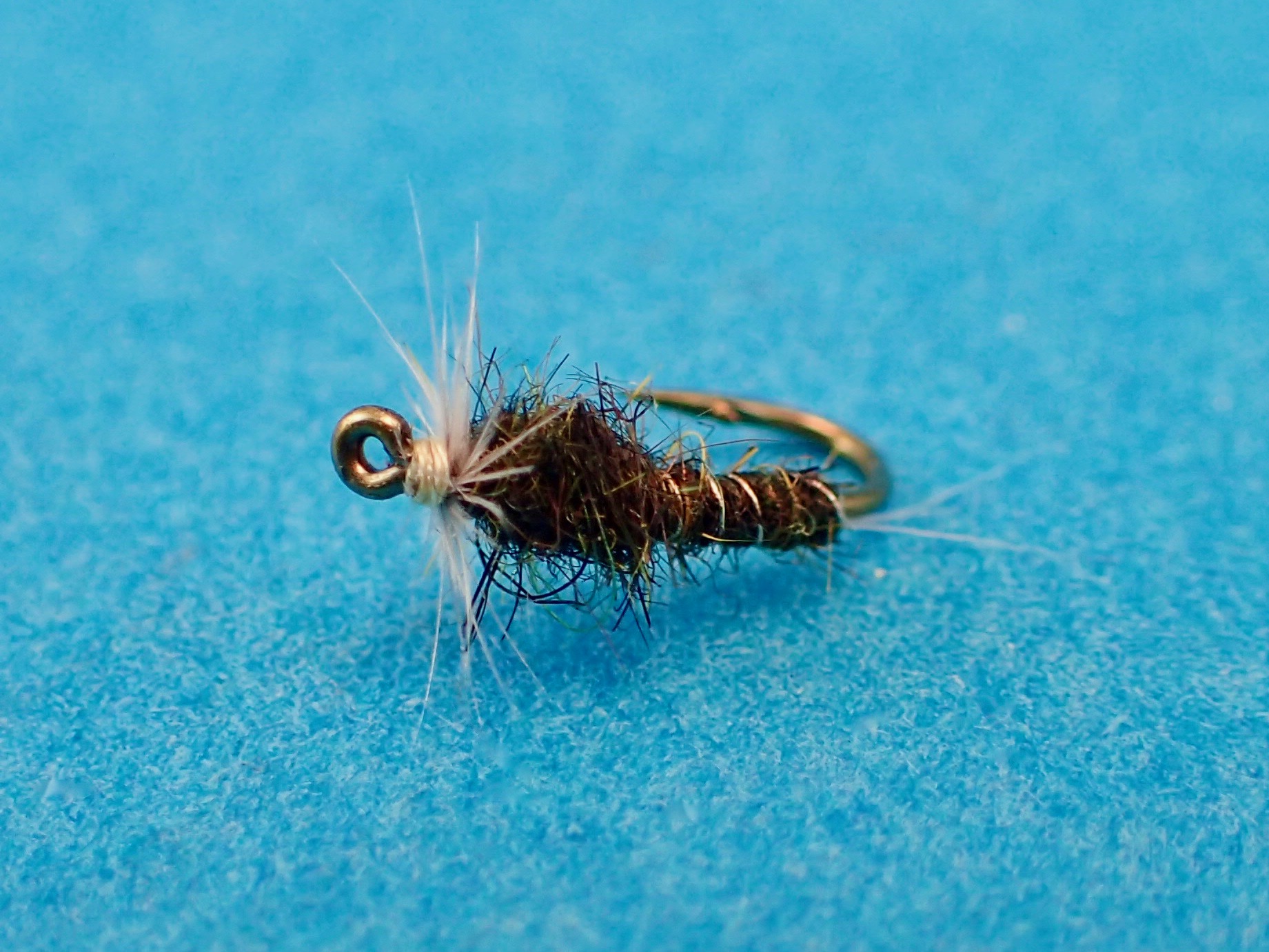
When I went back to this oldie-but-goodie article, I was struck by two things. First, I love how Leisenring incorporated the soft hackle into these nymph patters. And second, I have not fished these patterns nearly enough, whether on a dead drift near the bottom or as a swung wet fly. None of them have beads or UV dubbing or special sparkle flash, but they all look like they’re alive and something fish would like to eat. To the vise (again)!





 currentseams.com