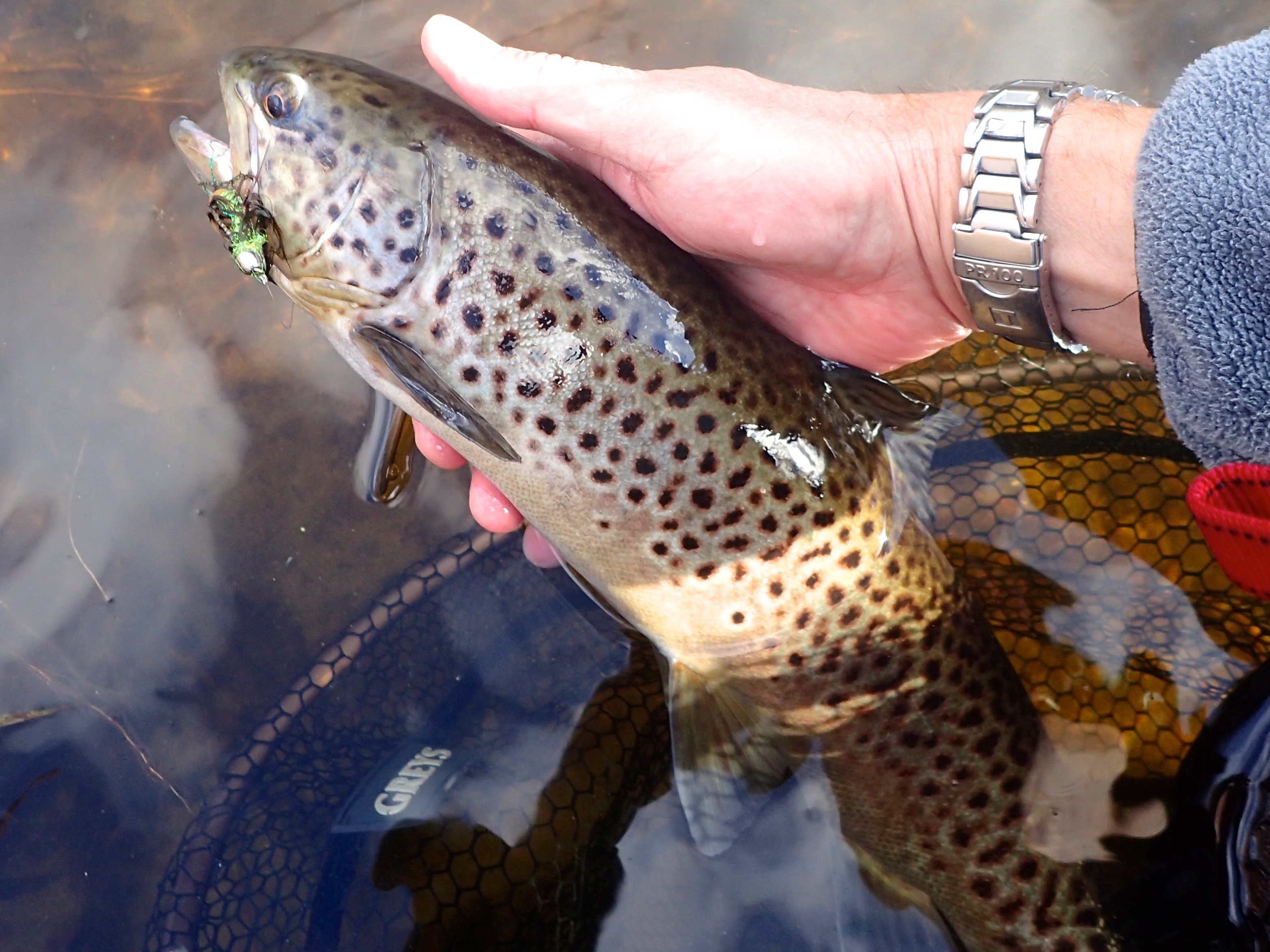
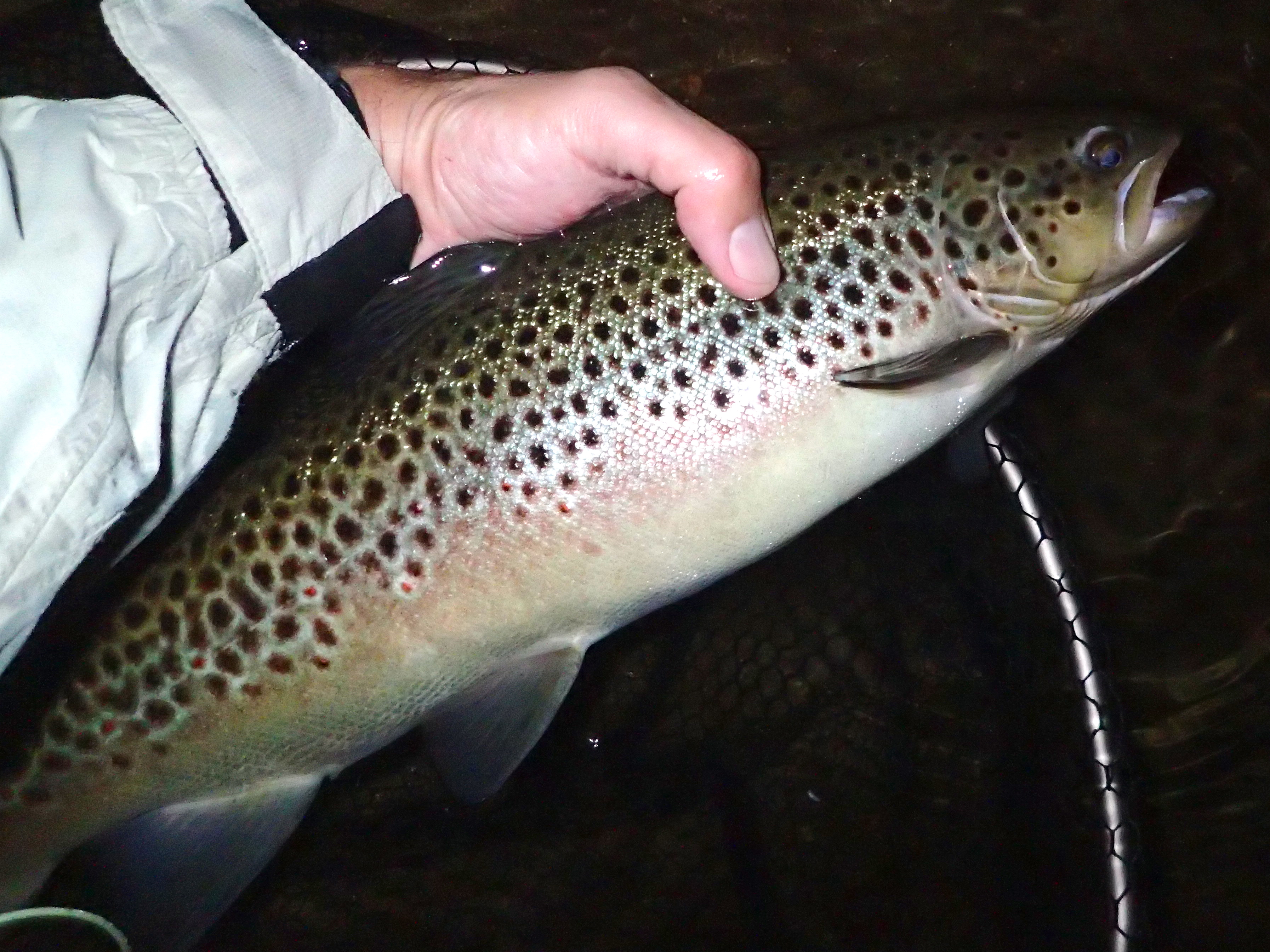
Housy Streamer Frustration

The Housatonic spiked at about 500cfs yesterday and was running with a light tea stain. Perfect streamer conditions, wouldn’t you say? I would, so I headed out with surfcaster extraordinaire Toby Lapinski, both of us dedicated to the streamer cause.

We started about 12:30pm, in the northern part of the TMA. I was fishing a Black Ghost soft-hackled streamer, and right away I was into a fish, the sharp tug of the strike and head shake sending an electric current of excitement through my body. The joy was short lived. Moments later, whatever was on came off, and this was to be the pattern fro the afternoon. At this first pool, we had ten (seemingly) quality hits between us, with zero conversions. I can’t remember that ever happening while streamer fishing.
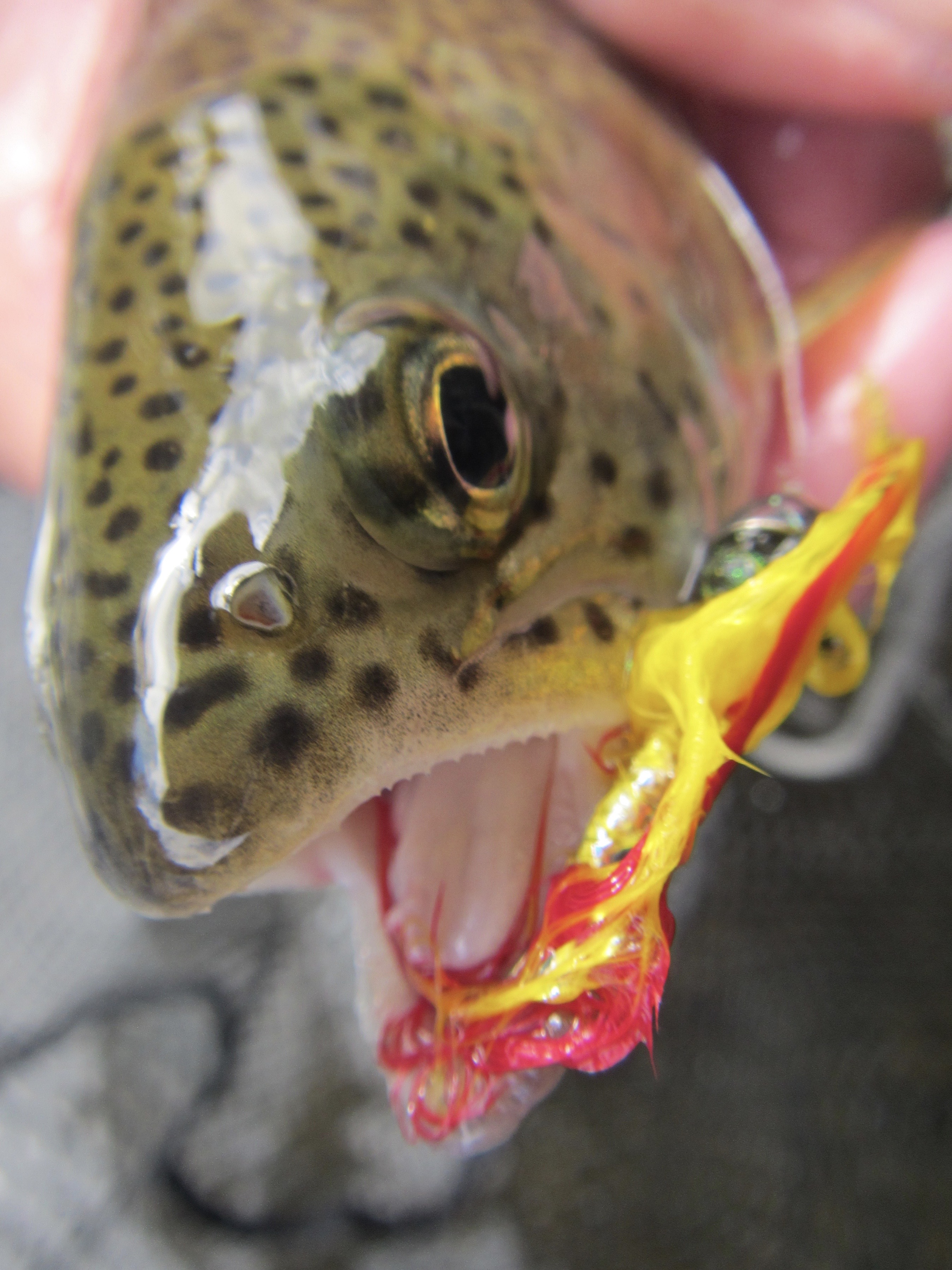
Proof that I do, in fact, know what the hell I’m doing. Same streamer template, hook size, and river, from almost the exact same date 11 years ago.

I tried to figure it out. Stocked fish that hadn’t quite figured out how to eat a fleeing baitfish? Maybe, but they’ve been in the water for nearly a month. Streamer too large? I’ve been catching Housy trout for decades on a size 6 streamer hook. Dull hook point? Nope. I was all over that. Bad luck? Maybe, but we had well over a dozen hits each with no conversions.

We fished four marks and confirmed trout in three of them, so we never felt like we were wasting our time. I know where these fish live. And, as a famous cyborg once said, “I’ll be back.”

Farmington River Report 3/10/22: Slow she goes

I fished the Farmington yesterday from 1pm-4pm, dedicated to the streamer cause. We had bright sunlight and seasonal temperatures; the water in the Permanent TMA was 480cfs and clear. While there were a few bugs in the air (midges and and a very small dark un-IDed mayfly) I didn’t see any surface activity. Angler traffic was moderate; there were people fishing in two of the three pools I visited.

The first mark was a riffley dump-in to a larger pool; the method was long-leader jigged mini-streamers. That was a blank. I had the second mark to myself. Again, I went the jigged streamer route with no love. I switched over to a more traditional streamer (Coffey Sparkle Minnow) and my full-sink integrated line and hammered up zero-point-zero trout. Not one measly touch.

The third mark was by now in the shade, which I hoped would work to my advantage. I worked downstream in a long pool with the same results. A walk upstream a 150 yard through the woods warmed me up a bit, and I cycled through again. Finally, a dull thud, a hookset, and soon a chunky rainbow was in the hoop. This is tough time of year to fish (I did not see another trout hooked all afternoon). Happy with one, I called it a day.

Capture! It felt so good after 2 hours and 55 minutes of blankness. Pre-celebrated with a San Cristobal Quintessence Churchill.

Trout Streamer Leaders for Floating and Full-Sink Lines

One of the most frequent questions I get asked is, “What’s your streamer leader formula?” The answer depends on two factors: the kind of line I’m using, and what I want the fly to do.

When I’m fishing streamers for trout, I fish two kinds of lines: either an integrated full-sink line or a floater. Let’s start with the full sink.

OLYMPUS DIGITAL CAMERA

Here’s a pdf: Trout Streamer Leaders

I use the full sink mostly in winter. Sometimes I’ll use it during warmer weather if the river is running high. I choose the full sink when I want the line to help the fly get down; consequently, the leader is kept short, three feet or less. Anything over three feet and you begin to defeat the purpose of the full-sink line. Don’t worry about the fly being so close to that heavy, dark string — the last thing a predatory brown is focusing on is your line.

There are a few deep holes in the Farmington that I like to dredge in winter. Unfortunately, bottom structure — snags — is often part of the cost of admission to those lairs. That’s when I’ll use the lighter of the two sinking line leader systems, simply because it’s easier to break off the snag from hell.

As you can see, the floating line system is likewise simple. A standard-issue Ox or lx tapered leader does the job nicely. This is what I’ll use for the vast majority of my streamer fishing, or when I am fishing a big floating fly like a mouse pattern. I’ll add tippet material that matches the terminal end of the taper if the leader gets too short. I will also add tippet material if I want to get my fly down deeper. A floating line gives you the ability to mend, and consequently harness the power of the current or sink your fly. So, about 7 1/2 feet for most applications, and about 10 feet to help get the fly deep.

Big trout don’t care about that heavy black string snaking through the water ahead of your fly. Taken on a Deep Threat streamer and a full-sink line.

OLYMPUS DIGITAL CAMERA

~

A floating line, a 7 1/2 foot leader, a presentation near the surface, and all is right in the streamer world.

Big wild brown hen 8-2015