Intro to wet flies and beyond : Essential reading from Sylvester Nemes and Dave Hughes

If you want to learn how to tie and fish wet flies, soft hackles, and fuzzy nymphs for trout, you can start by reading The Soft-Hackled Fly and Tiny Soft Hackles by Sylvester Nemes and Wet Flies: Tying and Fishing Soft-Hackles, Winged and Wingless Wets, and Fuzzy Nymphs by Dave Hughes. That’s what I did a long time ago, and I’m a better angler for it.

Too many fly fishing how-to books read like the dictionary — or worse, a quantum physics monograph. Not the case here. Both Hughes and Nemes write with a conversational style, perfectly weaving anecdotes with critical know-how.

The Soft-Hackled Fly and Tiny Soft Hackles is a combination of two of Nemes’ earlier works. It’s a pattern book for sure, but there’s also plenty of relevant storytelling. It’s loaded with peals of wisdom (“If you have never tied flies before, I urge you to start immediately. The practice is exhilarating.”) and hidden gems like using North Country spiders for steelhead. The purchase price alone is worth being able to tell someone that you’re catching all those trout on a size 20 Smut No. 1.

NemesSHF

~

Hughes’ Wet Flies is likewise a pattern book, with multiple step-by-step photos and clear instructions. But it also covers history, wet fly types, and how to fish them. It’s a user-friendly read that exudes confidence in the patterns and the methods. My only complaint is that it’s a more western US-centric view of the subject. But wherever you live, you’ll find Wet Flies relevant (“Trout aren’t interested in neatness”). Note that there is now a second edition of Wet Flies, with new photos and patterns. I haven’t read it; I trust that it’s pretty darned good, too.
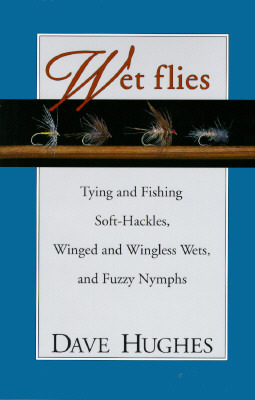
HughesWF

Works-in-progress: Hendrickson spiders

I don’t usually share patterns in the development stage, but the energy of these flies and the promise of spring has me feeling reckless. I’ve been prototyping some Hendrickson spiders, playing around with different colored threads and silks, hackles, and tailing materials. The one constant is the body fur, a moderate dusting of muskrat over the waxed thread or silk. These will get a test run this spring, and I’ll let you know what I — and the trout — think.

A nod to the tradition of North Country spiders and legacy American patterns like the Dark Hendrickson winged wet.

OLYMPUS DIGITAL CAMERA

Impressions from a tying demo

Here are a few things from yesterday’s tying demo at the Compleat Angler that are top of mind with me this snowy afternoon:

Wet flies tied in the North Country style are admired both for their simplicity and bugginess. (And trout like them, too.) By the way, group, I was wrong about the Snipe and Purple: the feather in the hackle is not an under covert, it’s from the top of the wing. Nonetheless, I’ll fish that fly with its horrible botched head and catch a trout.

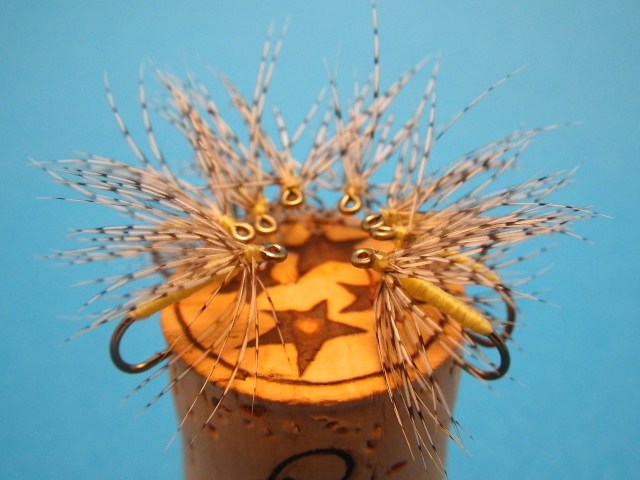
It’s amazing how you can change the energy of a fly simply by altering the color of the hackle. Two Partridge and Light Cahills, the same but different.

plcs

The more I use the rotodubber, the more I like it for fur hackles. Like the NoCo spiders, people gravitate toward the Squirrel and Ginger, and with good reason. It’s one of my most consistent producers.

No two Usuals I tie seem to come out the same.

Confidence catches fish.

I really enjoy the questions and discussions during a demo, both fishing and tying related. I’m humbled — and grateful — that people take the time to come out and connect with me. Thanks to everyone who showed up, and thanks to the Compleat Angler for being such swell hosts.

By the way, I was impressed by the shop’s selection of hackles — and fly tying materials in general. Lots of wonderful wet fly capes in stock, and I left with a lovely Light Ginger hen neck. Check them out at 541 Post Road in Darien, CT.

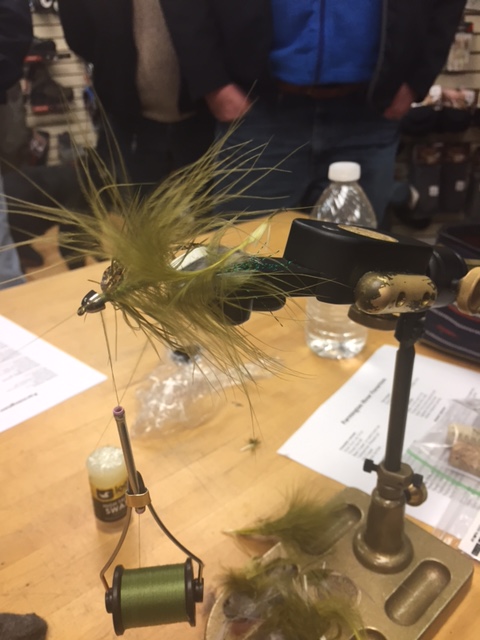
Marabou adds a little magic to any fly. All that’s missing on this Deep Threat is the Ice Dub collar. Thanks for the photo, Mina.

deepthreatprogress

Thanks TVTU and on to Marlborough

The threat of freezing rain couldn’t dampen the spirits of the members of the Thames Valley Chapter of TU. We had a great crowd for “The Little Things,” and some intriguing post-presentation discussions. This is a group that is passionate about fly fishing. A thousand apologies for forgetting your name, but I’ll balance that with a thousand thank yous to the gentleman who gave me the Nat Sherman Metropolitan Selection Explorer. I’ll be enjoying that on a future Farmington River outing.

On to Marlborough! Hard to believe that The Fly Fishing Show is already here.

“Wet Flies 101,” at the Fly Fishing Show, Marlborough, MA, Friday, January 20, 1pm, Catch Room. We’re in the big room for this one, so come out and support your friendly local fly fishing writer guy! For more information, visit the Fly Fishing Show website.

“Wet Flies 101,” at the Fly Fishing Show, Marlborough, MA, Saturday, January 21, 10am, Destination Theater, Room A. Smaller room, same energy and information. I may be tying after the presentation and will let you know if that’s the case. For more information, visit the Fly Fishing Show website.

Wet Flies 101

The Partridge Family

Surely any aficionado of the soft-hackled fly knows the value of the partridge. Although James Leisenring committed the act of understatement when he said, “The English or Hungarian partridge provides the flytier with some valuable gray and brown speckled feathers.” Some? There are enough glorious feathers on a full partridge skin to keep you in soft hackles for decades. I know, because I just bought my second skin. I still have the first one, purchased a decade ago, and it still has many seasons of flies left in it.

Forget the packaged bags of partridge feathers. Then listen to Dave Hughes, who said, “I cannot urge you strongly enough to purchase an entire skin, wings and all.” This one came from UpCountry Sportfishing. I like to buy hackle in person so I can eyeball the skin. And of course, it’s a good idea to support your local fly shop.

partridgeskin1

~

I use feathers from all over the skin — for saltwater flies, too — but the hackles I value most are the silver-grey and brownish feathers that line the neck, shoulders, and back. These are the feathers that are used in the North-Country spiders and dozens of other traditional patterns. The closer you go to the neck of the bird, the smaller the feathers. Look for a skin that is densely packed with these smaller feathers.

OLYMPUS DIGITAL CAMERA

~

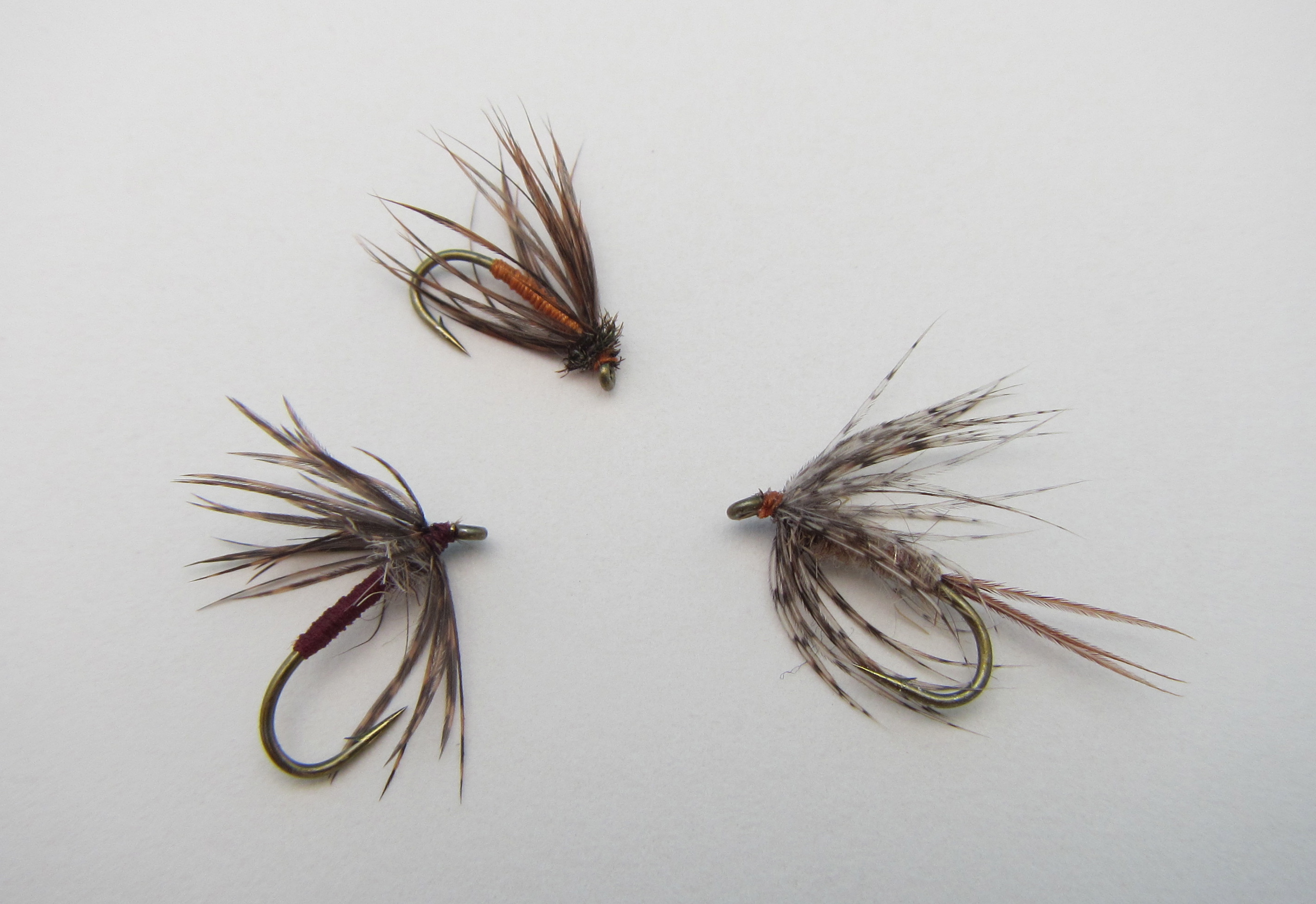
A hook, a partridge feather, and some thread. Simple, buggy spiders like these have been fooling fish for centuries.

Partridge and Light Cahills

What you leave out of a fly may be as important as what you put in

Here’s to impressionism in fly tying. Here’s to creating the illusion of mass without adding bulk. Here’s to using water as a key ingredient in a fly pattern. Here’s to tying flies that try harder to look like something that’s alive and good to eat than try to carbon copy the bait or insect.

I often think of the discussions anglers have about herring or menhaden patterns. The chief complaint seems to be that a given pattern doesn’t mimic the deep belly profile of the bait. The next question that should be asked is, “Is that really necessary?” Anyone who has fished a large flatwing on the greased line swing to stripers feeding on herring knows the answer.

If you talk to Ken Abrames, he’ll tell you about how an angler will come to him and complain that he’s not catching any fish. One of the first things Ken will do is ask to see the fly. If it’s up there on the opacity meter, Ken will start pulling bits of hair and flash out of the fly. Often, the angler then begins to hook up (ask me how I know).

By all means, tie and fish the patterns you have confidence in. Just consider the sage advice of Bill McMillan, who doesn’t like to pretend that a fish is anything other than the primitive animal it is.

I don’t see any big honking bellies or ultra-realistic 3D eyes on these flies. Funny thing! Stripers eat them like candy.

Rock Island Flatwings

~

Doesn’t look like the any of the grasshoppers I used to catch when I was a kid. Yet this fly is in grave danger any time I drift it past a grassy bank on a sunny summer day.

Culton_Hopper_Hammerdown

~

For hundreds of years, the ultimate in sparse impressionism. And the fish haven’t gotten any smarter.

FebRedPPT

Fly Tying Class Sunday 2/8/15: Wet Flies and Fuzzy Nymphs for the Farmington River

This class will by led by yours truly at UpCountry Sportfishing in New Hartford, CT, Sunday, February 8. Here is the blurb from the UpCountry website:

“Join outdoor writer and Farmington River guide Steve Culton as we explore tying buggy, impressionistic wets and nymphs geared toward fishing the Farmington. The class will place an emphasis on using natural materials to create flies for specific hatches, as well as attractor patterns. From classic North-Country spiders to some of Steve’s own creations, you’ll learn to tie high-confidence patterns that have been battle-tested and proven on the Farmington. Steve will also discuss wet fly methods for each pattern. Participants will need a vise, thread and tools. All other materials will be provided, including a pattern recipe sheet. The class starts at 9am and will run between four and five hours. Space is limited to six people. Tuition is $75.”

Please do not contact me to register for this class. You must enroll by calling UpCountry at 860-379-1952. Hope to see some of you there.

North-Country spiders. You betcha we’ll be tying some.

Soft-hackles

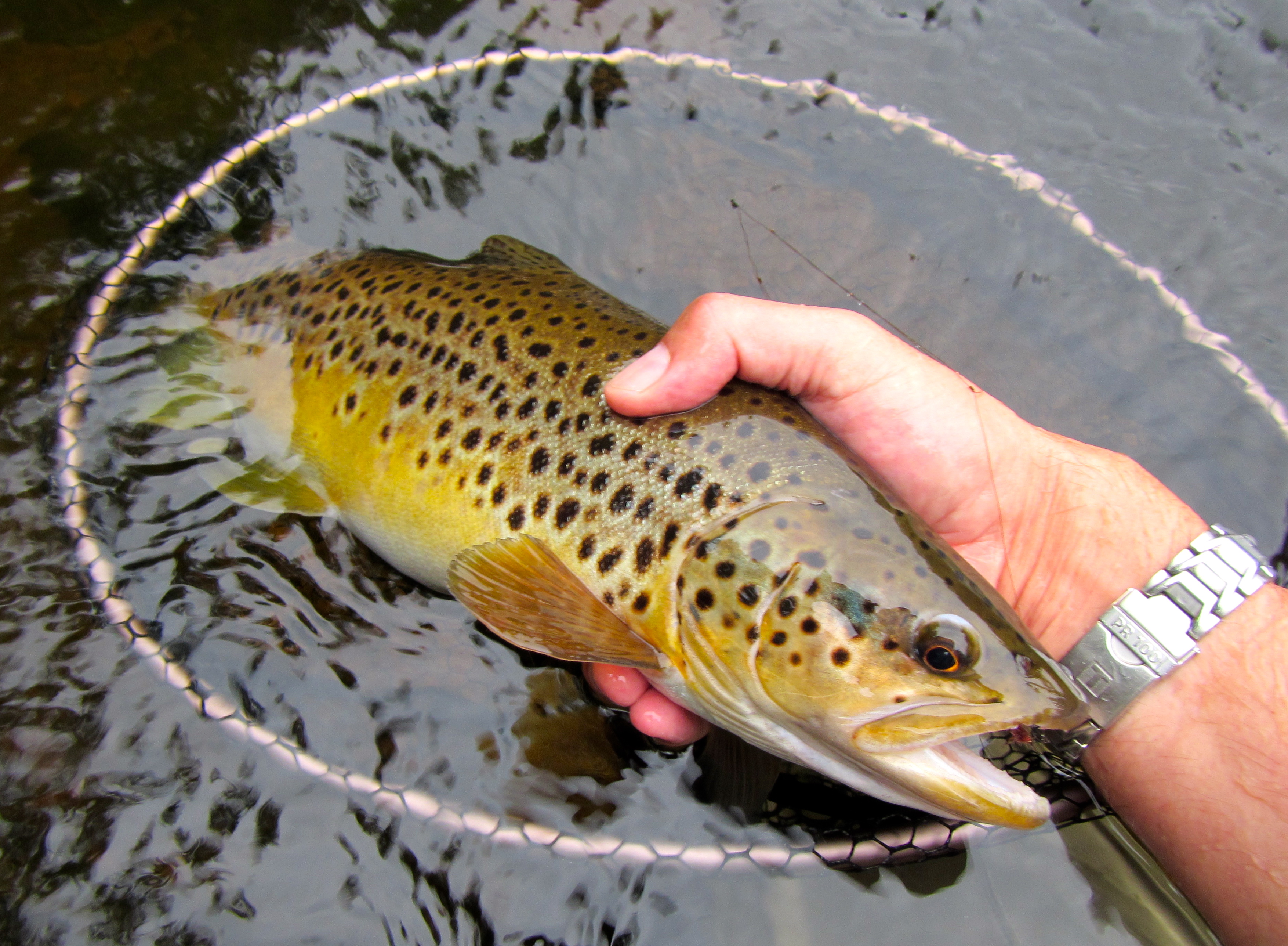
What can you catch on wet flies? Trout like this. (Hackled March Brown, size 12)

20%22Brown8:18:13

A good night to give a wet fly presentation

Had enough rain yet? I can only imagine what your favorite trout stream looks like. One of those neither man nor beast nights, so I was astonished to see such an impressive turnout at the Thames Valley Chapter of TU meeting. “Wet Flies 101” was the topic. I can’t say enough good things about this group: we had projector difficulties, hardware interface problems — just about anything that could go wrong, did. That is, until several chapter members pitched in and pulled it all together for me. My hat is off to you. Thank you for having me, thank you for helping me, and thank you for being such an attentive and curious audience.

It was also nice to see so many familiar faces. You know who you are.

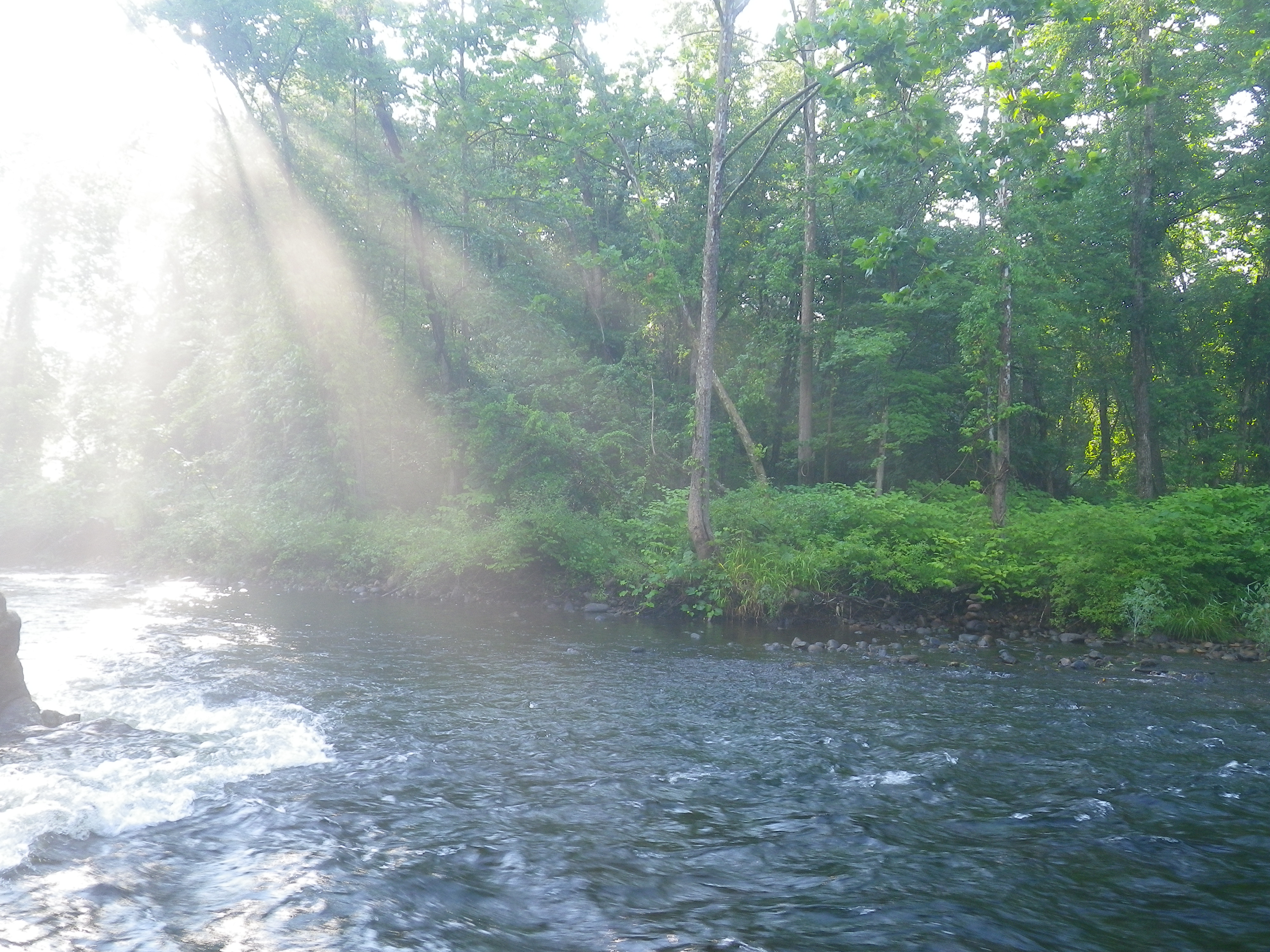
We could use a little sunshine breaking through the mists.

Image


.

Many thanks to the TU Naugatuck Pomperaug Chapter for hosting “Wet Flies 101”

I learned two things tonight. One, it’s hard to find pizza by the slice in Naugatuck. And two, the guys of TU Chapter 281 are perfectly willing to share a couple slices of their own.

A fed guest speaker is a happy guest speaker, and thus fortified I presented “Wet Flies 101.” Another receptive, friendly group, armed with lots of good questions. I am truly fortunate to be able to do what I do. Thanks again!

Image

In other news, I have some more videos in the works, and a currentseams exclusive interview with striper legend Ken Abrames. Stay tuned.


“Wet Flies 101” April 2, April 15, and HAN radio appearance

We’re really making the rounds here on currentseams. I have two more appearances scheduled for April; both of them are “Wet Flies 101.”

On Wednesday, April, 2, I will be at the Trout Unlimited Naugatuck Pomperaug Chapter meeting in Naugatuck, CT. The meeting starts at 7pm, and you can get directions at tunaugpomp.org.

On Tuesday, April 15, I will be at the Trout Unlimited Thames Valley Chapter meeting in Bozrah, CT. The meeting starts at 6:45pm, and you can get directions at thamesvalleytu.org.

I also did my first radio interview today for John Kovach’s Yankee Fisherman show on HAN radio. The subject was wet flies, and I’ll post a link to the show when they put it up.

Image