The Squirrel and Ginger Bead-Head Nymph

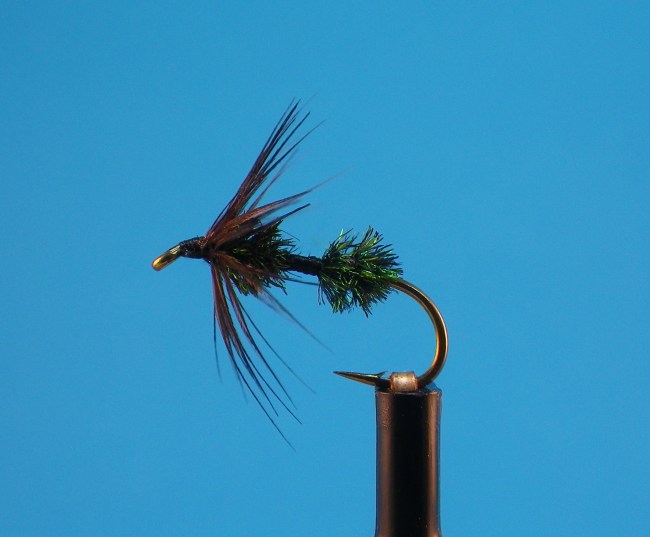
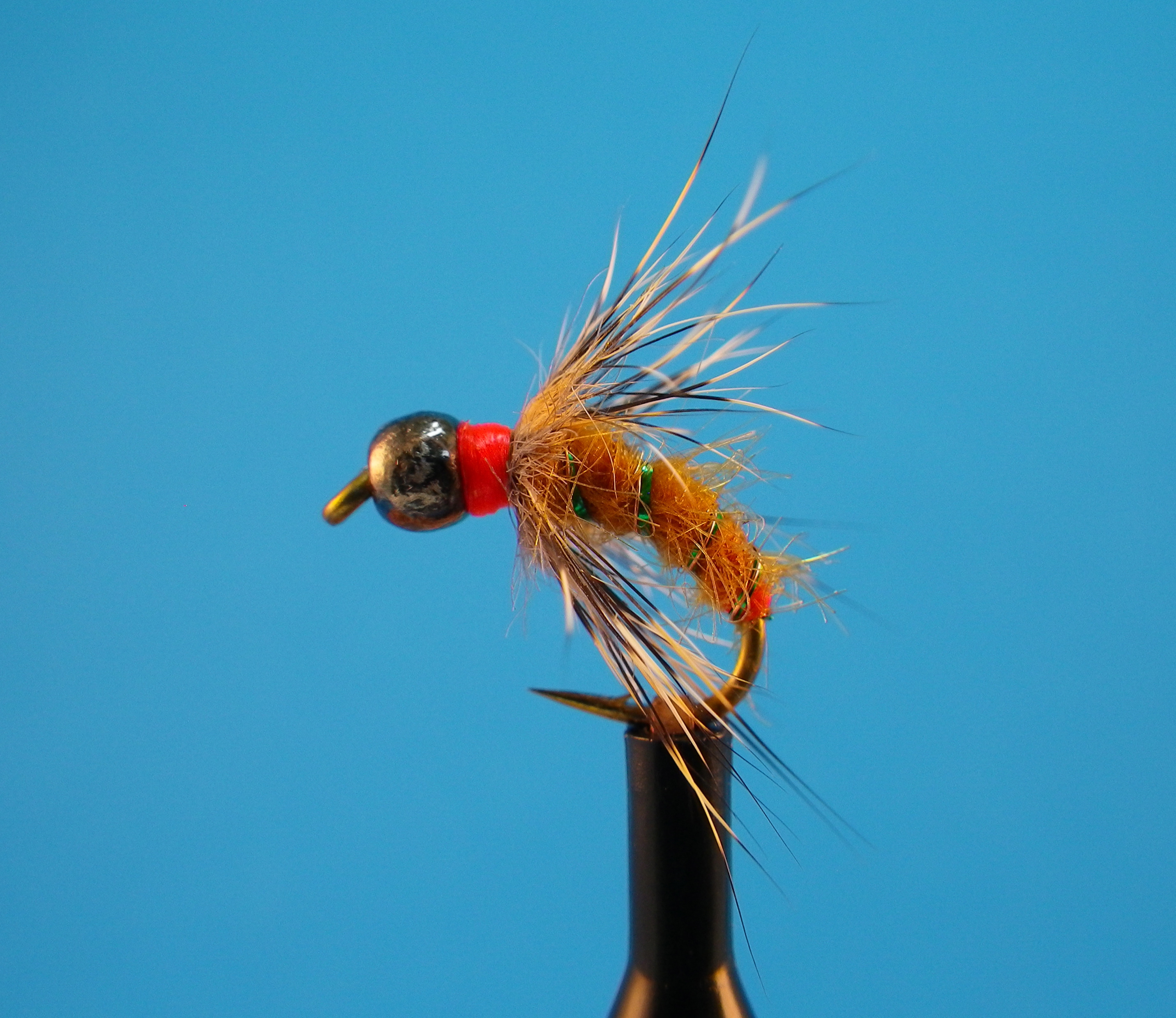
After catching a bajillion trout on my Squirrel and Ginger fur-hackled wet, I wondered how the fly might transition into a nymph. So last summer, I took to the bench and fiddled with the basic pattern a bit. Add some copper wire to the flash to re-enforce it. Make the wing just on the top of the fly, or make it a full collar. Use the working thread to create a hot spot, if that’s your pleasure. And top it off with a black tungsten bead. I’ve been catching on it ever since.
Image

Hook: 2x short, 2x strong scud size 12-16
Thread: Uni Fire Orange 6/0
Body: Ginger Angora goat
Rib: Green Krystal Flash under extra small copper wire
Hackle: Red fox squirrel
Hot Spot: Working thread
Head: Black tungsten bead

~

Tying notes: I don’t use a dubbing loop on the body, but I do chop up the Angora goat with scissors before applying it to the thread with Loon Swax hi-tack wax. Likewise, no dubbing loop on the hackle. I tie the hackle in several different ways: as a full collar, pictured here, giving the nymph more of a weighted wet fly look; as a much sparser, shorter collar; and as a sparse wing. All of them work. I can’t tell you that you’ll catch more fish with the hot spot, but I can tell you that it certainly does no harm. Play around with different hot spot colors (fluoro red, chartreuse) to your heart’s content, and let us know what the fish think.

~

The Bead Head Squirrel and Ginger Nymph Rogues’ Gallery:

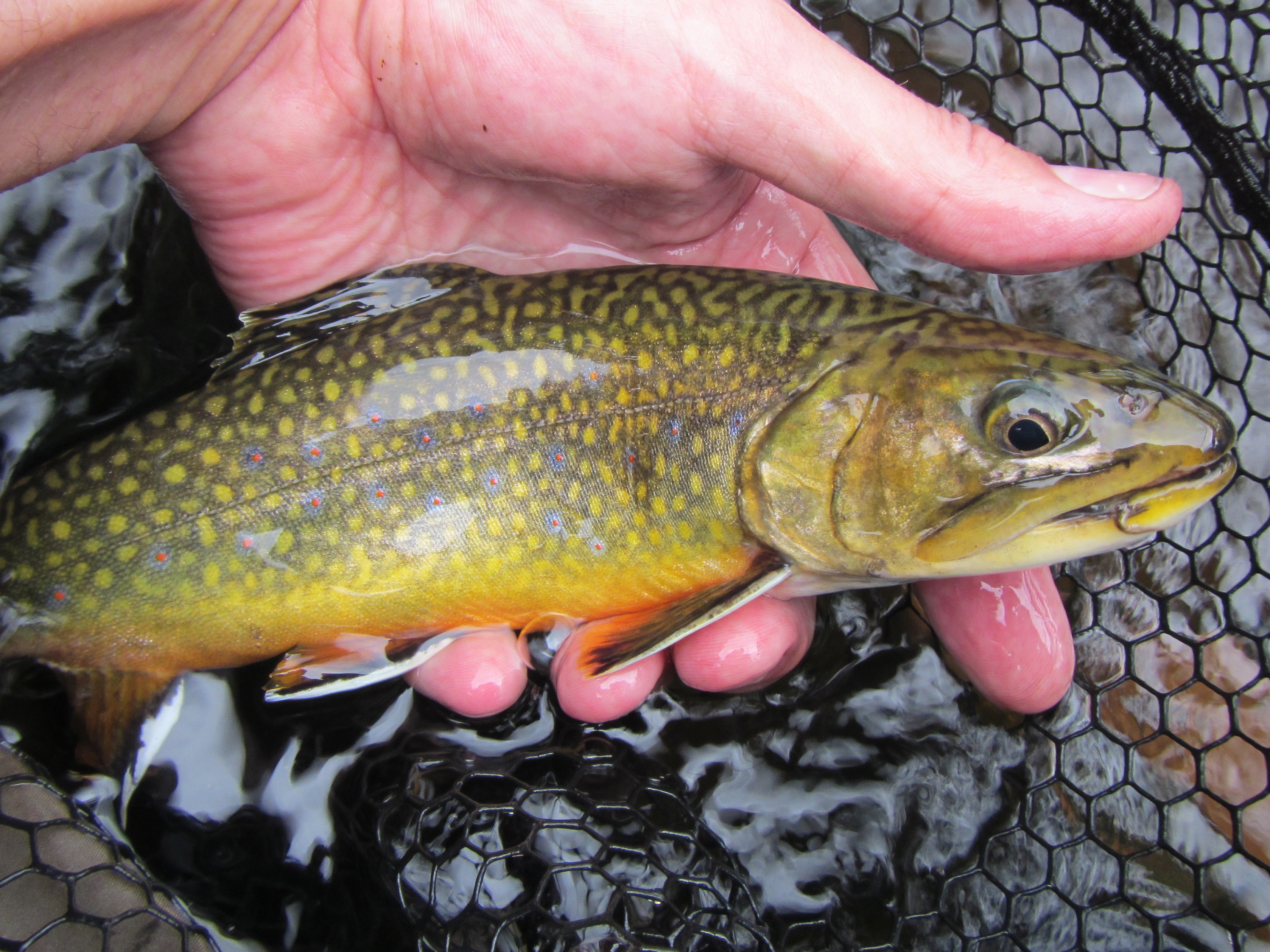
Farmington River, 9/4/14:

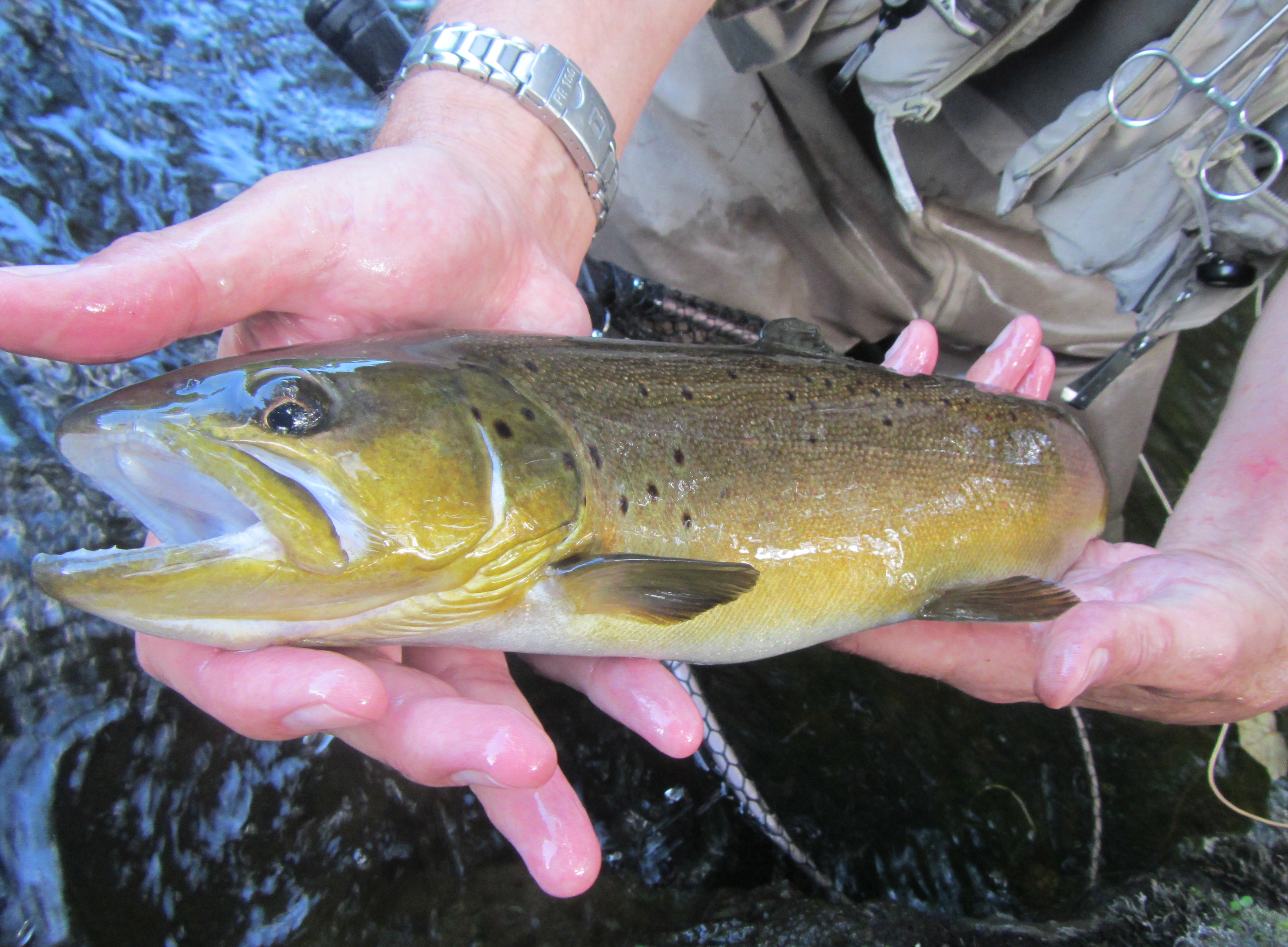
Big Rainbow 9-14

The Drowned Ant soft-hackled wet

Farmington River dry fly angler extraordinaire Don Butler likes to say, “Ants is good food.” He’ll get no argument from me – or the trout. As we move into deeper into summer, terrestrials — ants, beetles, hoppers, crickets, and even field mice — become a significant food source for opportunistic feeders. This fly is a variation of the classic soft-hackle Starling and Herl. All I’ve done is add a few wraps of thread to form an ant-like body segment. You can also treat this fly with Frog’s Fanny and fish it like a dry. A lethal summertime wet, especially on small wooded streams with wild trout populations. I also do very well with this fly on the Farmington River. Now, I’ve never seen an ant tread water in a three-knot current, but I get plenty of trout fishing the Drowned Ant on the dangle. This pattern is so impressionistic it could easily double for any number of darker bodied caddis or stoneflies. Only trout know what they think it is, and at the very least, it’s that it looks like something alive and good to eat. I almost always have this fly tied on my wet fly dropper rig from June through September.

Image

Hook: 1x fine, size 10-18
Thread: Black 8/0
Hackle: Iridescent starling body feather
Body: Two strands peacock herl, twisted on a thread rope
Segment: Working thread
 
~
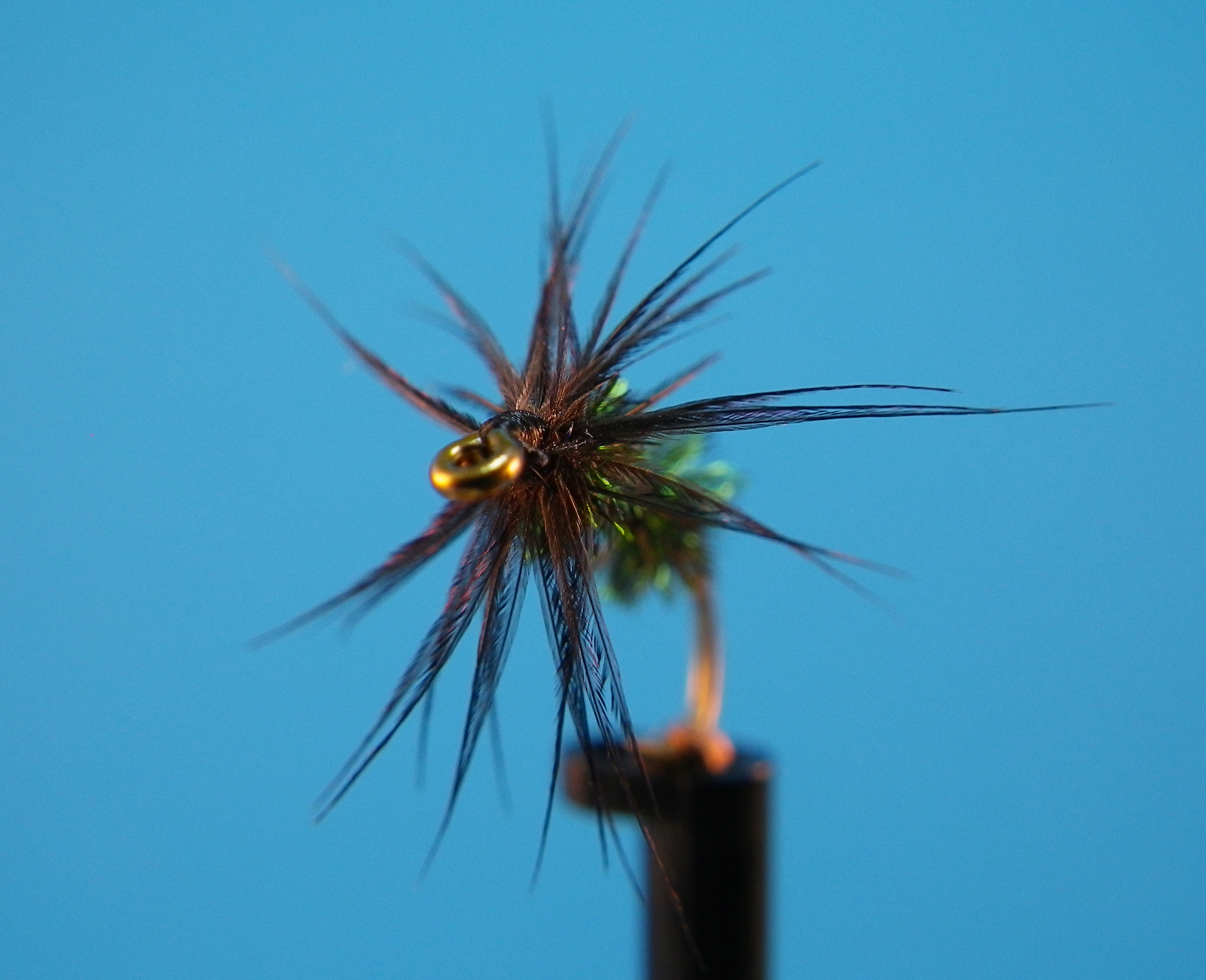
A head-on view. Starling is a fragile hackling material, but it does wonderful things in the water.
IMGP2498
 
~
Tying notes: For a more durable fly, make a rope of herl and thread before you wind the body. I tie this on a fine wire hook, and fish it as the top or middle fly in a three-fly team. When I was working this pattern out in my head, I considered using a more solid material for the body, like wool, working thread, or floss. But there is something about peacock herl and its mystical ability to attract fish that enchanted me. Besides, peacock herl is a traditional material, and seemed a proper nod to the heritage of wet fly tying. There are all kinds of feathers on a starling. Look for those iridescent purplish ones to add another subtle splash of magic to this terrific little fish-catcher.
~
 
The Drowned Ant Soft-Hackle Rogues’  Gallery:
 
7/21/13, Farmington River
BigWildBrownFarmy 7:13
 ~
 8/12/14, Farmington River
 IMG_2314


Big Eelie Variant: The L&L

While I am loathe to use the phrase “go-to-pattern,” I beg to report that whenever there are large sand eels around, Ken Abrames’ Big Eelie is my go-to pattern.

The Big Eelie differs from 95% of other sand eel flies in that it is not an attempt to carbon copy the bait. Those legions of epoxy- and tube-bodied flies with eyes certainly work, but you can get away quite nicely with something far more impressionistic (if that’s your fancy) like the Big Eelie or Ray Bondorew’s Marabou Sand Eel.

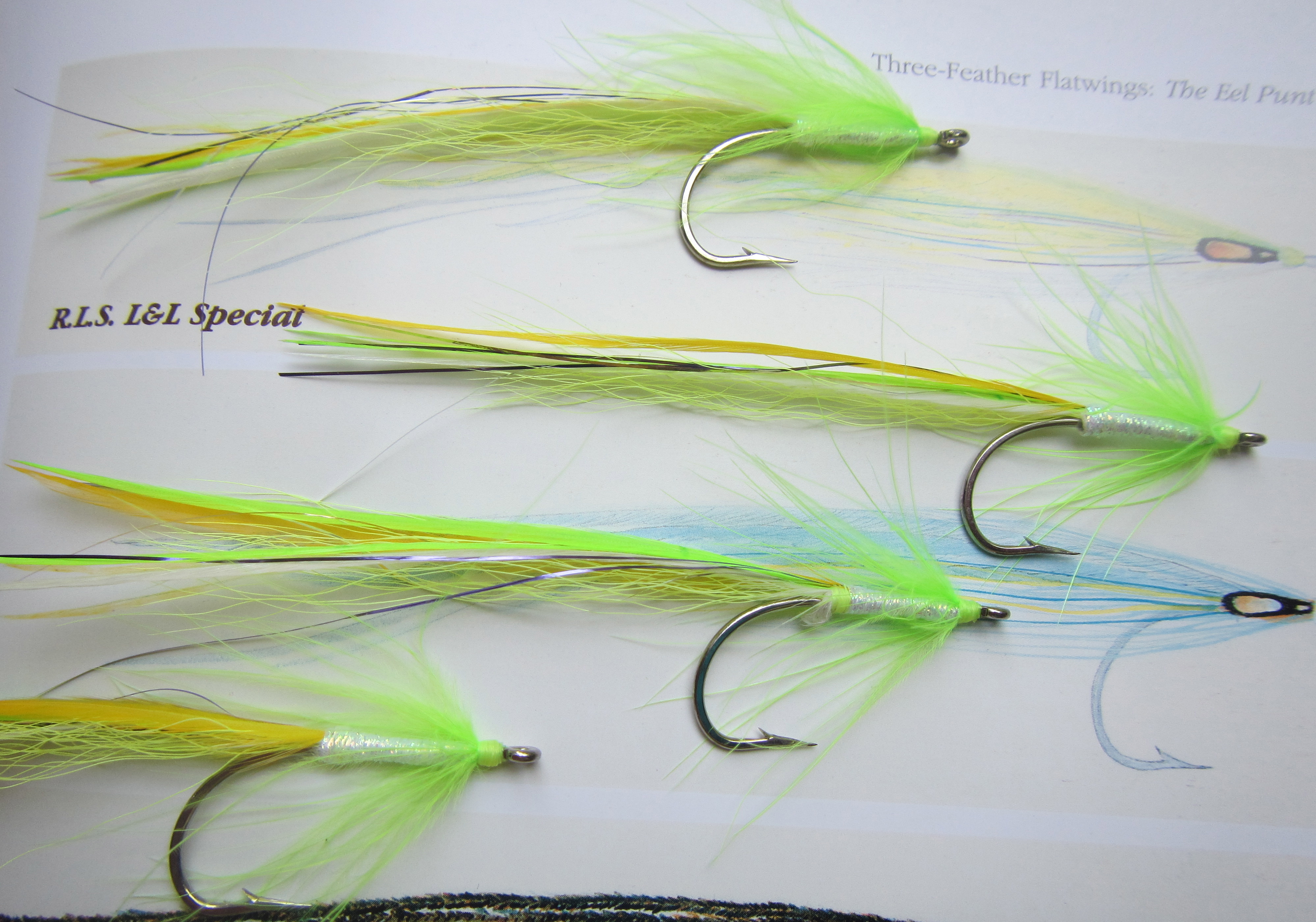
The classic Big Eelie is a four-feather flatwing/soft-hackle hybrid; it’s colors are white, yellow, olive, and blue. I’ve discovered over the years that the Big Eelie works in all kinds of color schemes. One of my favorites is taken from Ken’s three-feather flatwing, the L&L Special. This tart mix of yellow, fluorescent yellow, white, and chartreuse shines on sand flats, day or night.

The L&L Big Eelie

Image

Hook: Eagle Claw 253 3/0
Thread: Chartreuse 6/0
Platform: 30 hairs fluorescent yellow bucktail
Tail: A white saddle, under one strand each of gold and silver flash, under two chartreuse saddles, under two strands purple flash, under a yellow saddle.
Body: Pearl braid
Collar: 2-3 turns chartreuse marabou, tied in by the tip.

Tying notes: Sand eels are a slender bait, so make your saddles about the width of a pencil. You don’t want a flaring broom shape for the platform, so likewise make it slim, and take the bucktail from near the tip of the tail. All the saddles are tied in flat. The marabou adds the magic here, as it veils the body when wet, creating movement and an almost glowing effect. Feel free to play around with different colors on this pattern; some of my favorites are blue/black/purple and white/pink/olive. Stripers love them all. I like to tie this fly about 4  1/2 inches long.

The Light Cahill Winged Wet

This is a classic American wet fly, named for Dan Cahill. Ray Bergman wrote in Trout, “If it was necessary to confine my assortment of flies to only two or three, this would be one of them. Basically, it is an Eastern pattern, particularly effective in the Catskill waters and similar Eastern mountain streams.”

High praise indeed. I’ve been fishing this fly with great success for years. So when creamy mayflies are coming off on the Farmington — or any river for that matter — the Light Cahill winged wet is usually  the first fly I’ll tie on. There’s something about wood duck that states “buggy” and “alive” in no uncertain terms. I usually fish at least two of them on a dropper rig, and look to target specific rising fish. Trout will hit the fly on the dead drift (mend your rig like you would a dry) and at the drift’s end. Just let the flies sit there – and hold on. Some of the most violent takes I’ve ever experienced while trout fishing have come on this fly.

Image

Hook: 2x strong or 1x fine, size 10-20
Thread: Tan 8/0
Hackle: Light ginger or cream hen
Tail: Fibers to match hackle
Rib: Fine gold oval tinsel (optional)
Body: Hareline Dubbin #1 Light Cahill, or light fox
Wing: Wood duck

Tying notes: Sometimes I tie this fly with a tail of wood duck or partridge, or substitute partridge for the hackle. Sometimes I’ll add a gold rib. While all these iterations work, the fly pictured here on a 2x strong hook is the one I fish the most.  I like to keep the body sleek and tapered, so no dubbing loop. It’s a pretty straightforward tie, and you can crank out a bunch in a short time. I’ve seen some versions of this fly where the hackle is clipped off the top half of the fly, but I leave it on. I tie the wing in last.

Thanks to everyone who visited my tying table at the NE Spey Clave II

Lousy weather, terrific energy. That’s a good way to sum up today’s festivities. Thanks to everyone who stopped by my tying table. It’s always nice to put faces to names, whether you’re from an internet forum or a faithful follower of currentseams. I always enjoy the discussions, and for those of you who had questions, I hope I helped.

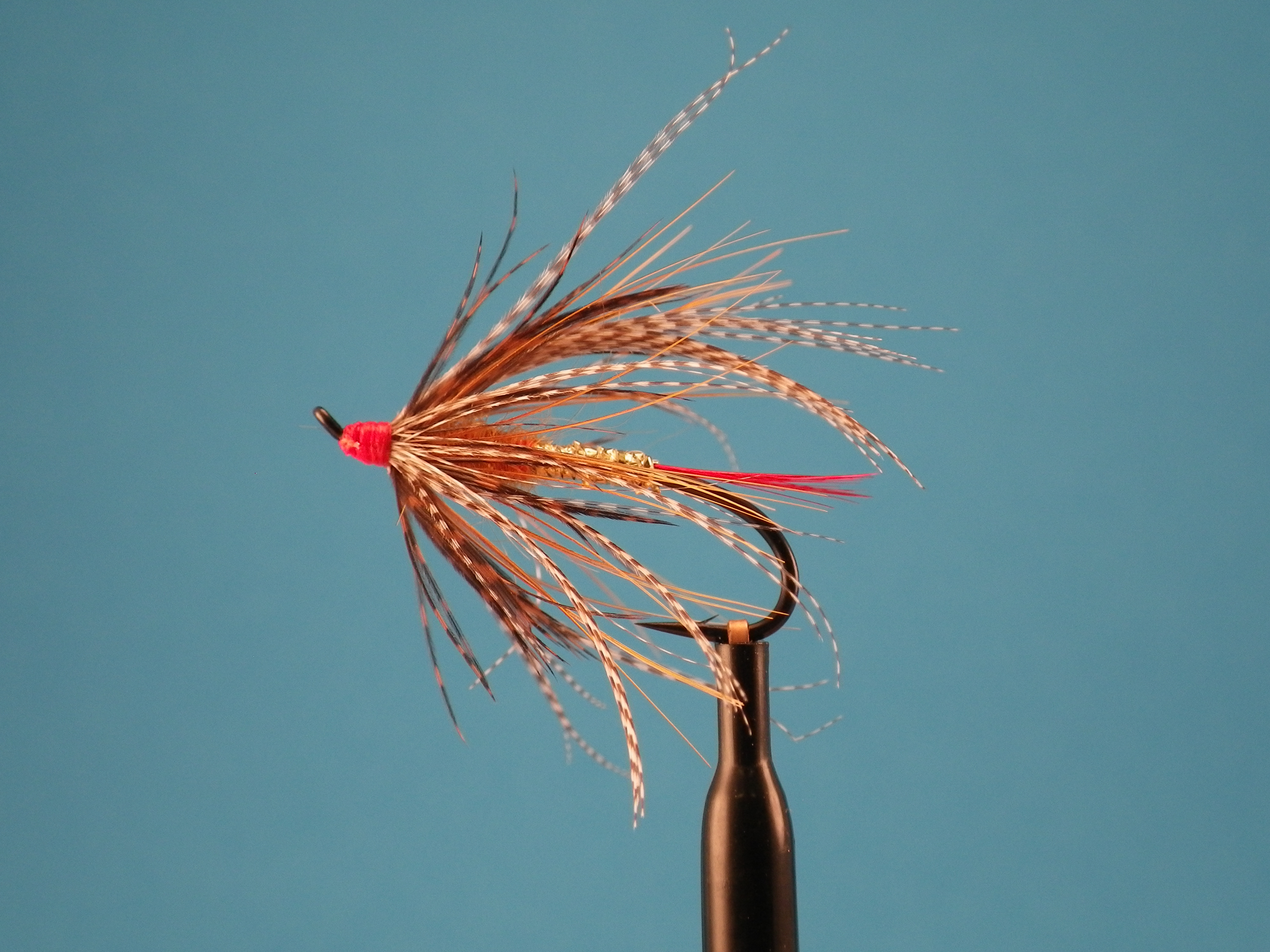
The Purple Spider, a steelhead soft-hackle

Image

And to those who walked away with one of my flies: do me proud.

Steve Culton Tying Demo at New England Spey Clave II

I will tying at The New England Spey Clave II, Saturday, May 11, 2013 at Matthie’s Grove, People’s State Forest, Barkhamsted, CT. If you have any interest in two-handed casting, this is a terrific place to explore, with casting demos, instruction, rod vendors, and more.

Yours truly will be tying flatwings and soft-hackles for stripers…

Image

…and more traditional steelhead patterns like this Ginger Spider.

Image

Hope to see you there. Be sure to come say hi.

Guten tag cows mit der Herr Blue flatwing

It’s getting to be that time of year: herring moving upriver with plenty of cow bass along for the ride…or at least a meal or twenty. A floating line, a greased line swing, a Herr Blue flatwing swimming broadside or just hanging there, hackles undulating in the current — I can almost feel the sensation of the strike.

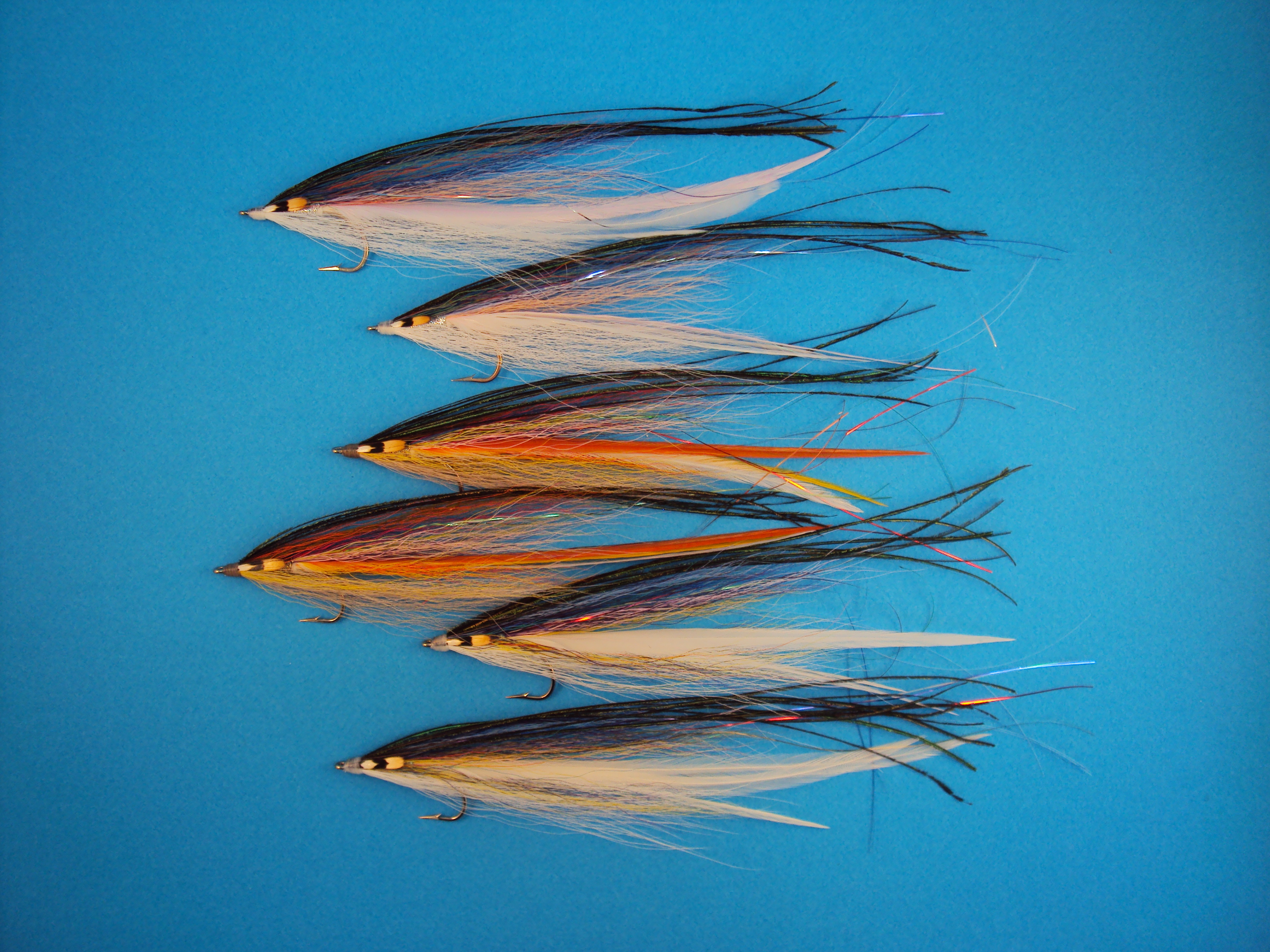
To the fly: my nine-feather flatwing translation of the R.L.S. Herr Blue bucktail, tied about 11 inches long. I really like the colors on this one.

The Herr Blue Flatwing, nearly a foot long.

Hook: Eagle Claw 253 4/0
Thread: White
Platform: Ginger bucktail
Pillow: White
Support: White neck hackle
Body: Silver braid
Tail: 2 white saddles under 1 pink saddle under 2 strands pearl flash under 1 violet saddle under 2 strands silver flash under 1 pink saddle under 1 blue saddle under 2 strands light green flash under 1 orange saddle under 2 strands purple flash under 1 olive saddle under 1 blue saddle.
Collar: White and ginger bucktail, mixed
Wing: 20 hairs dark blue bucktail, 15 hairs olive green, 15 hairs grey, 15 hairs orange, mixed.
Cheeks: 3 hairs each of orange, chartreuse, pink, turquoise bucktail, mixed
Topping: 7 strands peacock herl
Eyes: Jungle cock

A closer look:

Image

And a proven performer. Not quite a cow, but easily into double-digit pounds. The fly is same as the one in the top picture. This striper was taken last spring on a greased-line swing.

Image

Steve Culton

The Squirrel and Ginger Caddis Emerger

When it comes to soft-hackles, feathers get all the juice. That’s perfectly understandable. But certain furs – like fox squirrel – make excellent hackling material. The results are often deliciously buggy.

This humble creation is something I made up a few summers ago. I took the Ginger Caddis Larva fuzzy nymph and swapped out the standard wet fly hook for a 2x short scud hook. Added a flashy rib. And replaced the rabbit fur thorax with a hackle of fox squirrel.

The first time I fished this fly was on a brilliant July day that was devoid of hatch activity or rising fish. The sun was high, the air was steamy, and felt a little foolish for making the drive to the Farmington. Until I started hooking fish after fish on this little caddis emerger. It was the middle fly in a team of three, and the trout stated in no uncertain terms that this was their favorite.

The Squirrel and Ginger is a fine introduction to fur-hackled flies. It is fairly easy to tie. Best of all, it’s a wet fly you can have confidence in.

The Squirrel and Ginger

Image

Hook: TMC 2457 (2x strong, 2x short scud) size 12
Thread: Orange or hot orange
Body: Ginger Angora goat
Rib: Green Krystal flash
Hackle: Fox squirrel fur
~

The Squirrel and Ginger Rogues’ Gallery

7/8/13, Farmington River

Brown Buck 7:8:13

4/24/13, Farmington River

Bigbrown hen

7/31/13, wild brown, Farmington River

WIld Farmy Brown 7:13

4/29/15, 17″ holdover brown, Farmington River

Fat Farmy Hen 4:15

How to take better photos of your flies

“I hate the way my pictures of my flies come out. How do I make them look more professional?” This question recently came up in one of the forums I participate in. Like the person who asked it, I was frustrated for years with the fly photos I took. I’m no pro, and I’m still learning how to make my shots wonderful. But, here’s a little of what I’ve learned: some basic steps to better fly photography.

1) Lighting is everything. To create consistent lighting, I use a light box. The front of a light box is open; that’s where the camera goes. The top and both sides are cut out and have translucent panels (in my light box it’s old t-shirt fabric) to diffuse the light I’m generating (three shop lights with natural spectrum bulbs). The back of the box holds my background, a sheet of light blue artist’s craft paper. I made my light box for about $30 or so in materials. At some point I will post my setup, but the meantime there’s plenty of online reference. Just google DIY lighting box.

2) Use the right camera and camera setting for the job. 
A good camera helps, but small, more inexpensive digital cameras have come a spectacularly long way in the last few years. I use one camera (nothing special, a Pentax W90) for smaller flies because it has a narrow field of focus. I use a spiffier SLR camera, a Canon Rebel XSi, for larger flies. In both cases, I use the macro setting, although I don’t have a macro lens for the Canon. Gotta get one, though.

A Herr Blue bucktail shot with the SLR in the light box

Image

A smaller Kate McLaren shot with the standard-issure Pentax, again in the cozy confines of the light box. The camera’s nothing special, but the detail here is pretty darn good.

Image

3) Use a tripod and the timer shutter function. Vibration/motion = bad. Again, you don’t need a high-tech aircraft-grade aluminum professional model tripod. As long as it has three legs and is stable, you’re good to go. I have a cheap plastic portable tabletop tripod that I use for the lion’s share of my photos. With the timer function, you eliminate the movement of your finger on the shutter button. Sometimes it’s the little things.

4) Edit, edit, edit your work. Take ten shots to get one great one. Be ruthless in your editing. If the shot comes out sucky (and a lot of mine do), I don’t ever use it. I will often use the zoom function in my photo editor to make sure the focus is tack-sharp, even at an extreme close-up.

5) Learn to use your photo editing app. I’m a Mac guy, so I use iPhoto. Learn how to crop, straighten, and play with other effects. Having said that, a good photo should require very little desktop manipulation.

A Fuzzy Nymph: The Ginger Caddis Larva

Ever heard of a guide fly? In case you haven’t, guide flies have two qualities: They can be tied quickly, and they are high-confidence fish magnets. The Ginger Caddis Larva is such a fly.

It’s one of those flies that, if you saw it in the bins at your local shop, you might not give it a second look. But the trout certainly will. Angora goat is one of my favorite tying materials. It takes on a translucency underwater, and the fibers trap miniature air bubbles much like an emerging or diving caddis might.

The Ginger Caddis Larva is a quintessential fuzzy nymph; I fish it as nymph, bouncing it along the bottom, then as a wet, letting the fly swing up toward the surface. I’ll also fish it as a straight wet in a team of three flies. If I don’t get a strike, I let the fly sit there at swing’s end.

This pattern lends itself to dozens of variations. Try it in Insect or Highlander Green. Get some black or brown Angora and make it a little stonefly. Add a soft hackle (like partridge). Give it a bead head. Swap out peacock herl for the hare’s ear thorax. You get the idea.

Back to the guide fly thing. Two years ago I passed this fly out at one of my wet fly classes. It was a slow day on the river, but what little action we saw came on this fly (we were fishing teams of three flies, so the trout had a choice). A few weeks later, I ran into one of my students outside the local fly shop. “Steve,” he says, “I need some more of those Ginger Caddis Larvas and I can’t find them anywhere.”

He bought every single Ginger Caddis I had in my box on the spot.

Image

Hook: 2x strong, size 10-18
Weight: 8-12 turns undersized wire
Thread: Orange
Body: Ginger Angora goat, very spikey
Thorax: Dark hare’s ear

Tying notes: To make it spikey and rough, try chopping the hairs up with scissors and winding them on a dubbing loop. Angora goat has long, unruly fibers that become problematic on smaller flies, so the chopping remedies that. I use high tack wax with Angora, like Loon Swax. I like to underweight this fly. Underweighting doesn’t mean that you’re putting wire under the body – you are – but rather, it refers to using lead wire that is thinner than the diameter of the hook wire. The goal is to help the fly sink, not suck the life out of it.