The hatch awards

I had the pleasure of guiding Don and Dave on Monday. Like a lot of people I take out, they were interested in my Wet Flies 101 course. As with last Friday, the day claimed two-out-of-three positive ingredients: lovely weather (blazing, brilliant sunshine), significant hatch activity (caddis, midges, stones, mayflies) — but sadly, not much going on feeding-wise. The guys made the best of it with good spirits and an enthusiasm for learning. Don focused mainly on near-surface presentations like the mended swing, and Dave plumbed the depths with short-line dead drifts. Both methods were right today, as both caught trout. Well done, gentlemen. You are both well on your way to having some terrific days. Water temperature was 44 degrees in the upper TMA. That’s cold for this late in April. We had to get out and warm up every so often.

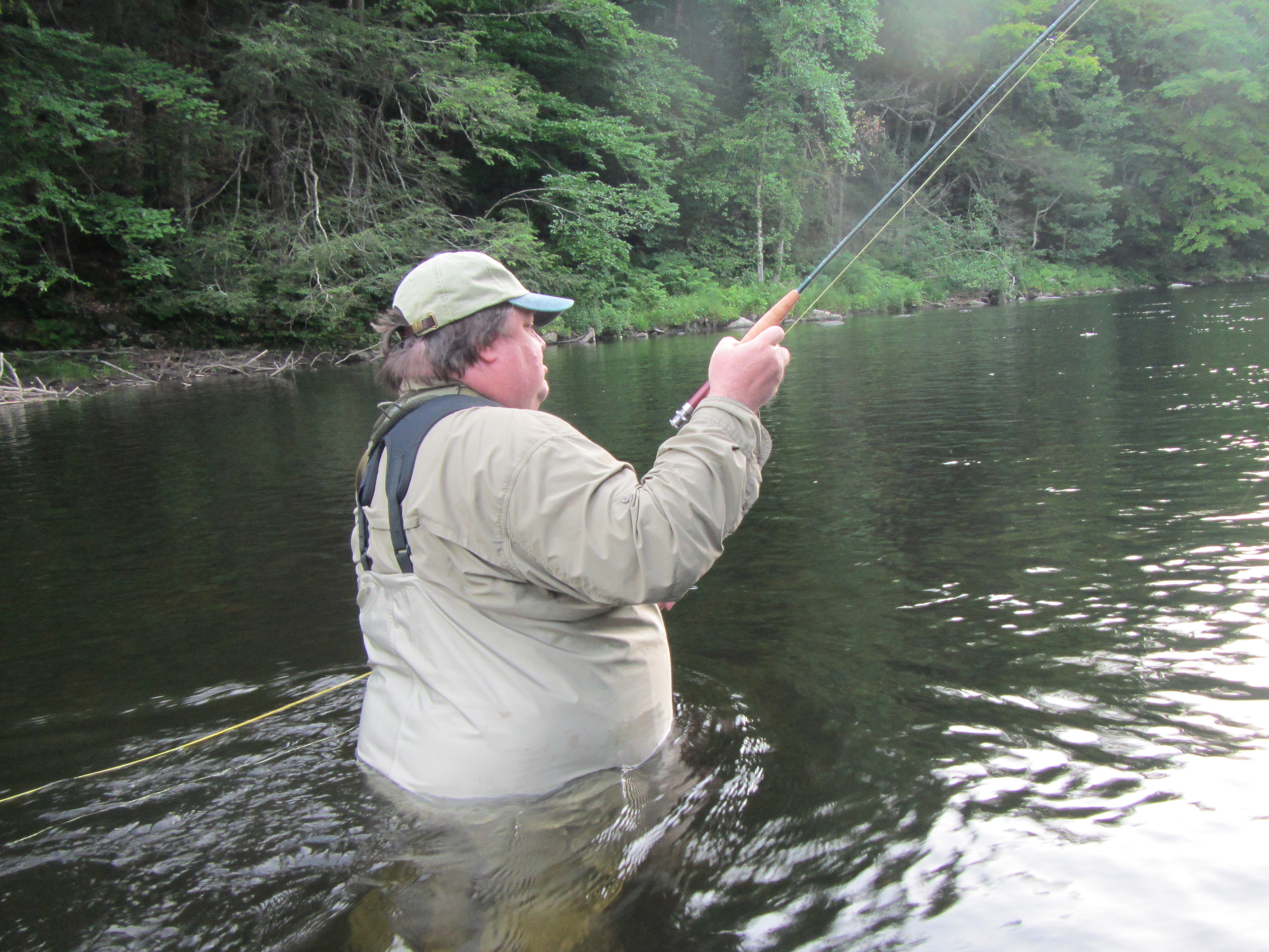
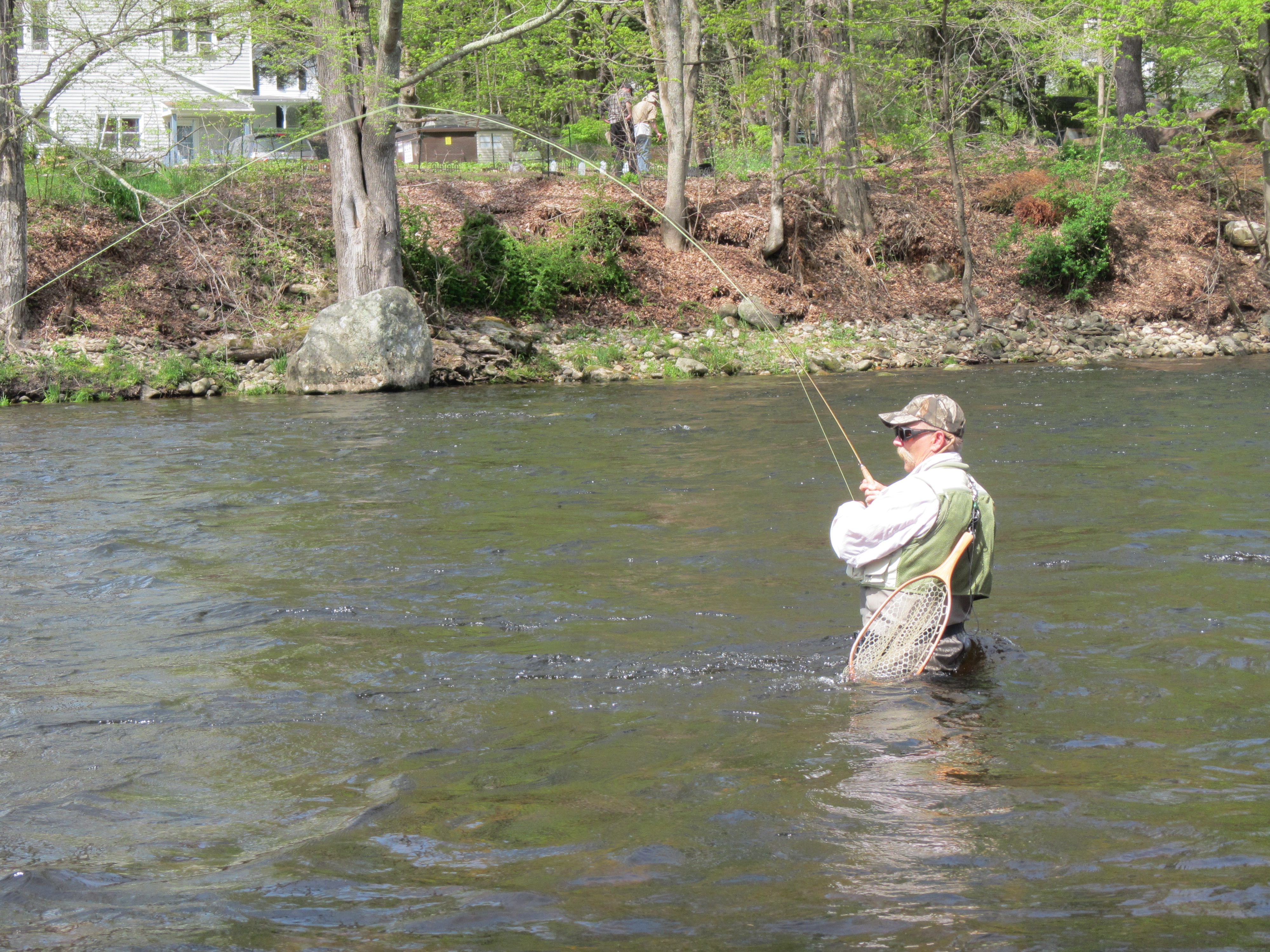
Man working: Don making some upstream mends, watching his drift like a hawk. Rats! I forgot to get a picture of Dave. My bad.

Image


They’ll stone you when you’re trying to be so good.

Image

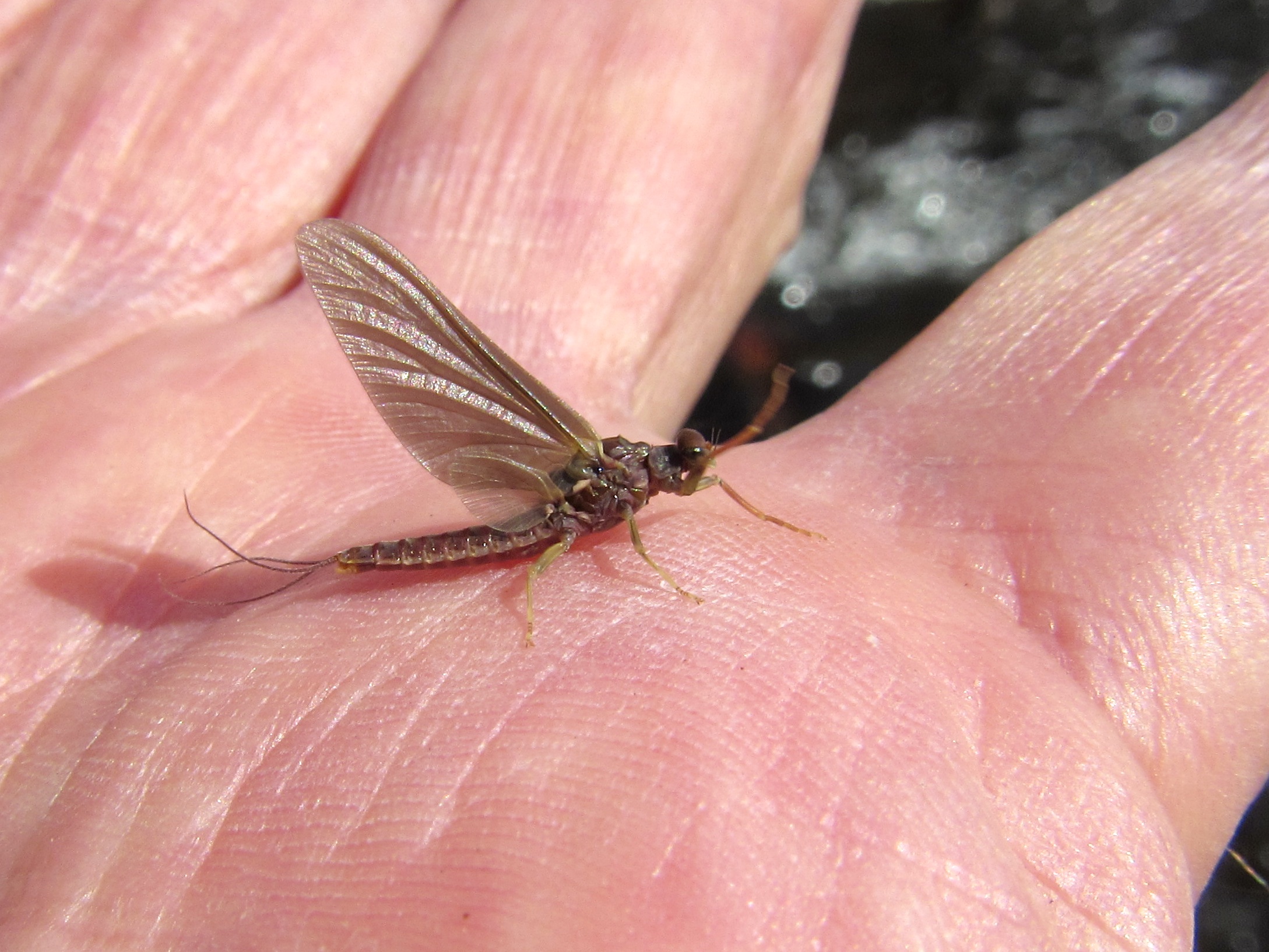
After we wrapped up, I ventured downstream to see if the H-word was out. Yes, in decent numbers. But due to high, cold water, predators were few and far between. Still managed my first trout of the year on Hendrickson wet, dapping it over a feeding fish. Ker-pow!

Hello, my three-tailed friend. I missed you.

Image

Farmington River report 3/21/14: It didn’t feel like spring

A sunny day  in late March can be misleading. On Friday, any warmth generated by the sun was fleeting, captured and quickly dispatched by a chilly, gusting wind. The water was only 34 degrees, well below normal for this time of year, lightly stained, and running at 450cfs in the upper TMA. There’s still plenty of snow on the ground that has to melt and become part of the ocean; until that happens, expect cold water.

So, to the fishing. Well, it was what we in the trade call a slow day. Even the guys I spoke to who were fishing shiners were having a tough go of it. I jumped around the river, dedicated to the streamer cause, and the only trout I managed came by accident. I was messing around with the streamer, an articulated white and chartreuse bunny/bugger thing, to see how it looked in the water. Right in front of me, about ten feet away, and this brown rose from the depths and stomped it. Rather lucky than good, but we’ll take it.

Cased caddis everywhere in the last spot I fished. I’m still amazed that a little wormy thing can build a house out of sticks. Please appreciate this photo. My hands and forearms were still cold about a half hour after I took it.

Image

An occupant. Sorry, little guy, for putting you out on the street. 

Image

Farmington River Mini Report 9/27/13: Like going into Wisconsin

I had just over two hours on Friday afternoon to scout some locations for Sunday’s gig. So I zipped in and zipped right out again. Speed fishing, if you like. Four different spots, all of which held fish that were eager to jump on the wet fly.

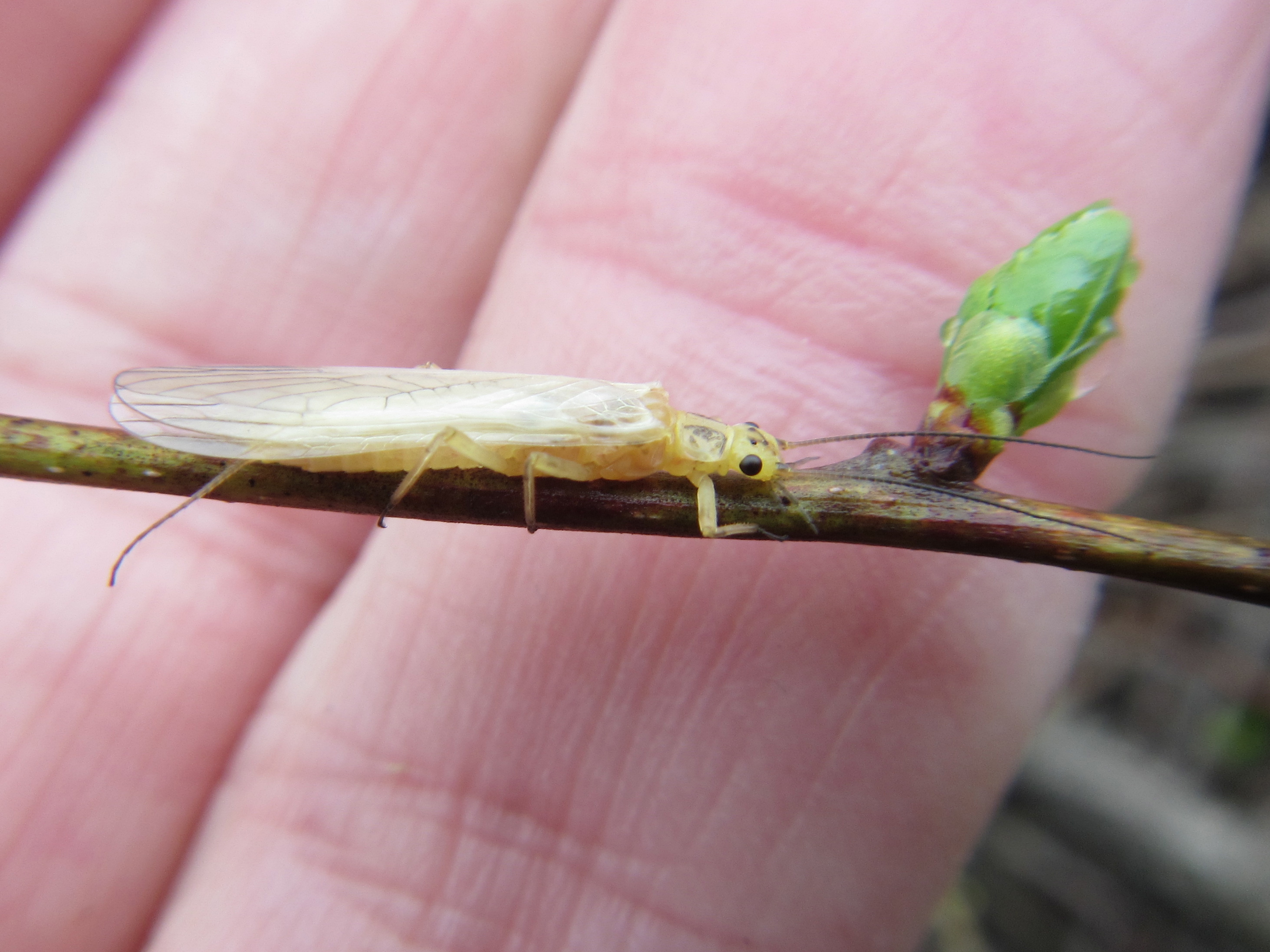
I’ve been seeing some creamy mayflies on the river the last couple weeks. A good size, about a 12, late afternoon. Apparently this fellow has been seeing them, too. 

Image

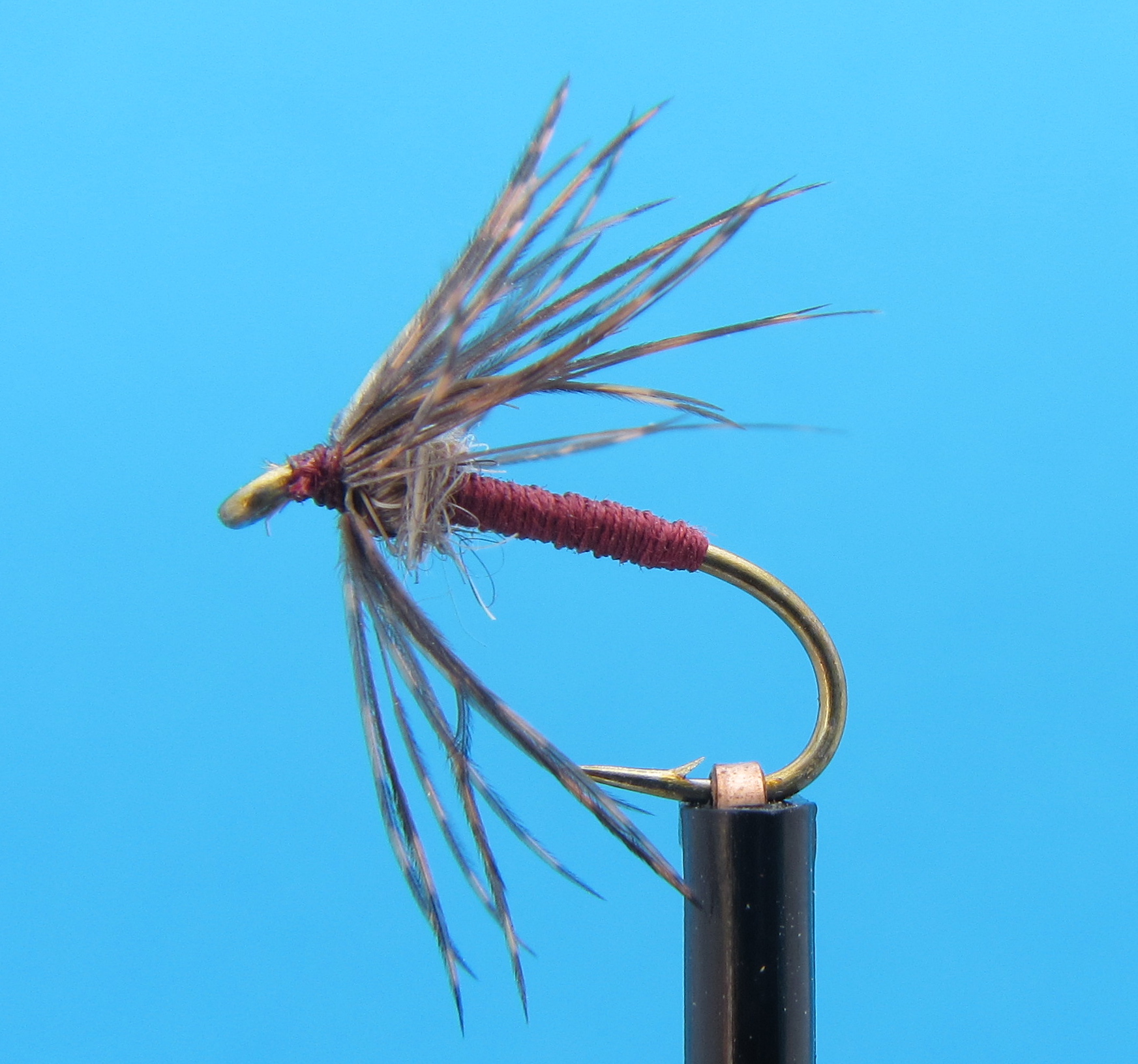
As usual, I was fishing a three-fly team of wets. Today’s selection consisted of a size 10 Catskill on top dropper; a size 12 Pale Watery wingless wet in the middle; and a size 12 Hackled March Brown on point. I took trout on every fly. With the most recent stocking just weeks old, I was expecting to find plenty of newly released wards of the state. But no. It was all wild and holdover browns along with a few juvenile salmon sprinkled in.

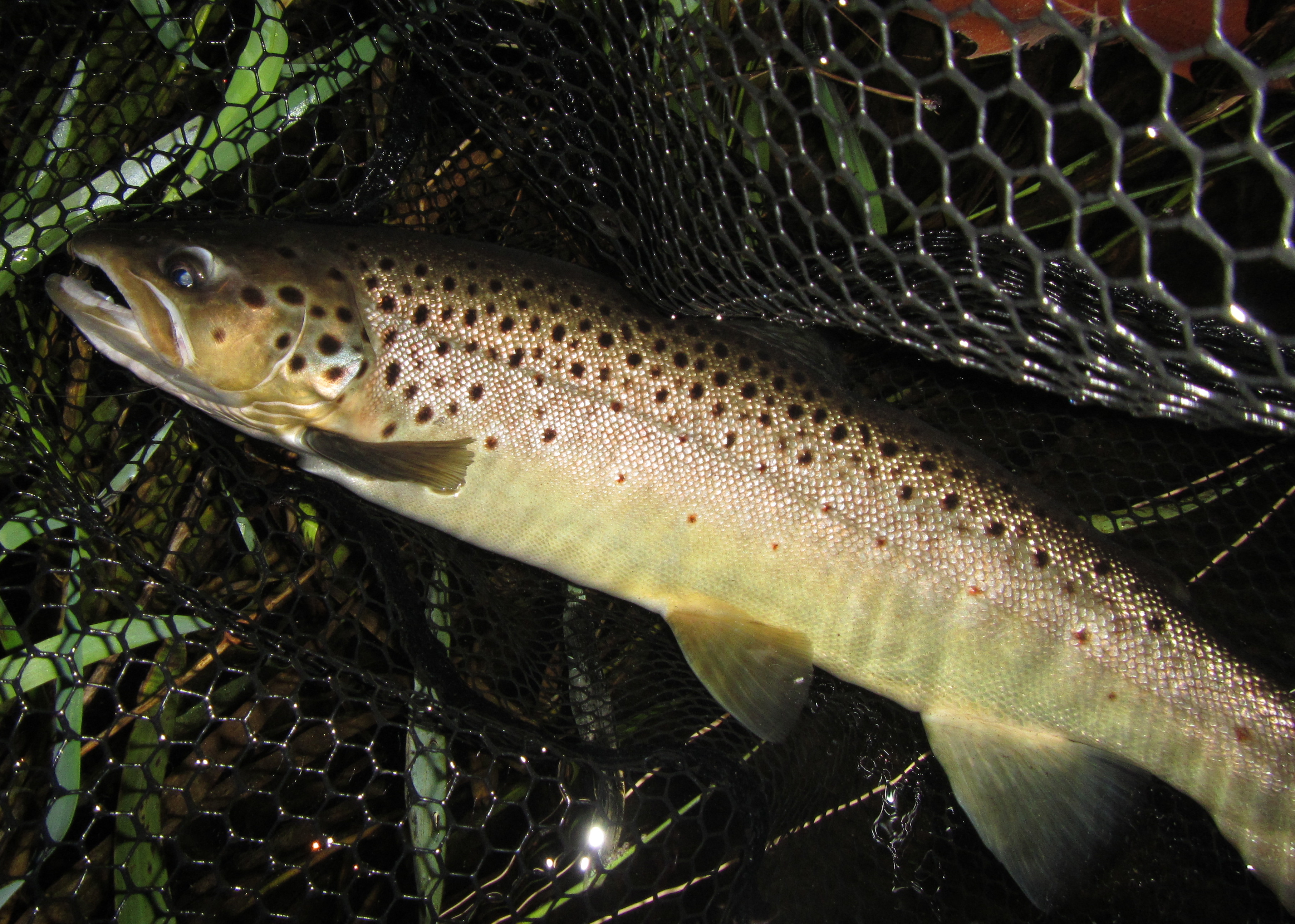
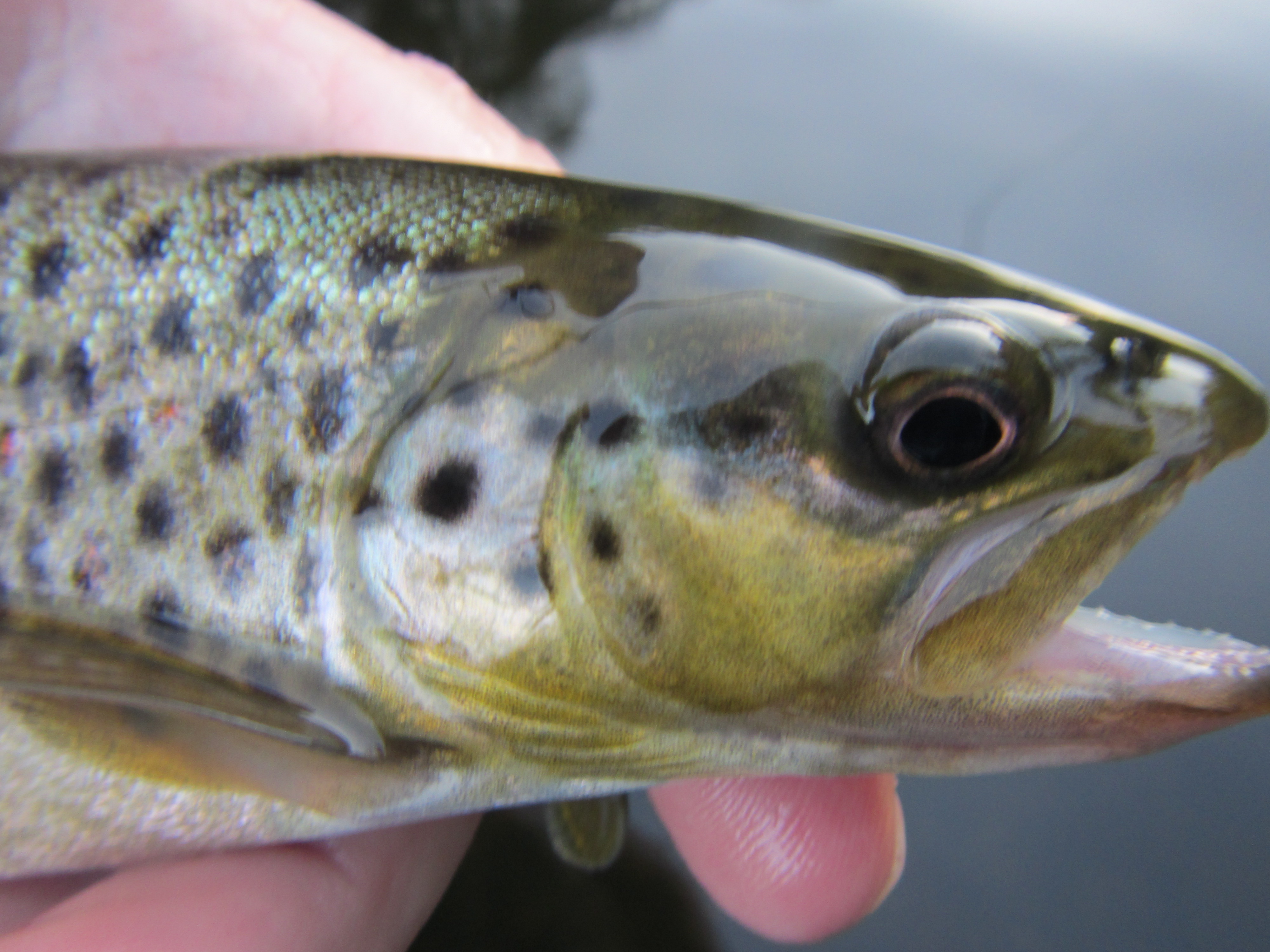
I did have a curious catch, a silvery brown that looked unlike anything I’ve ever caught in the Farmington. At first its color suggested a juvenile salmon, but when I got it to net I saw that it had a flat tail and the eye/jaw placement of a trout. Few spots, but large and haloed like a brown. Could this be a sea-run trout? The sensible side of my brain said probably not. But the side that likes to dream swirled the notion around and tasted the possibility that it could be.

Notes: cloudy skies, air temps near 70. Water temp 60. A strong Isonychia showing. A few caddis, a few of those creamy mayflies, lots of midges. Little to no surface activity. The water levels are lower than normal; they’re drawing down the dam to complete an every-decade inspection of the pipes.

It’s getting to be peak color time on the Farmington.

Image

8/14/13 Farmington River Mini-Report

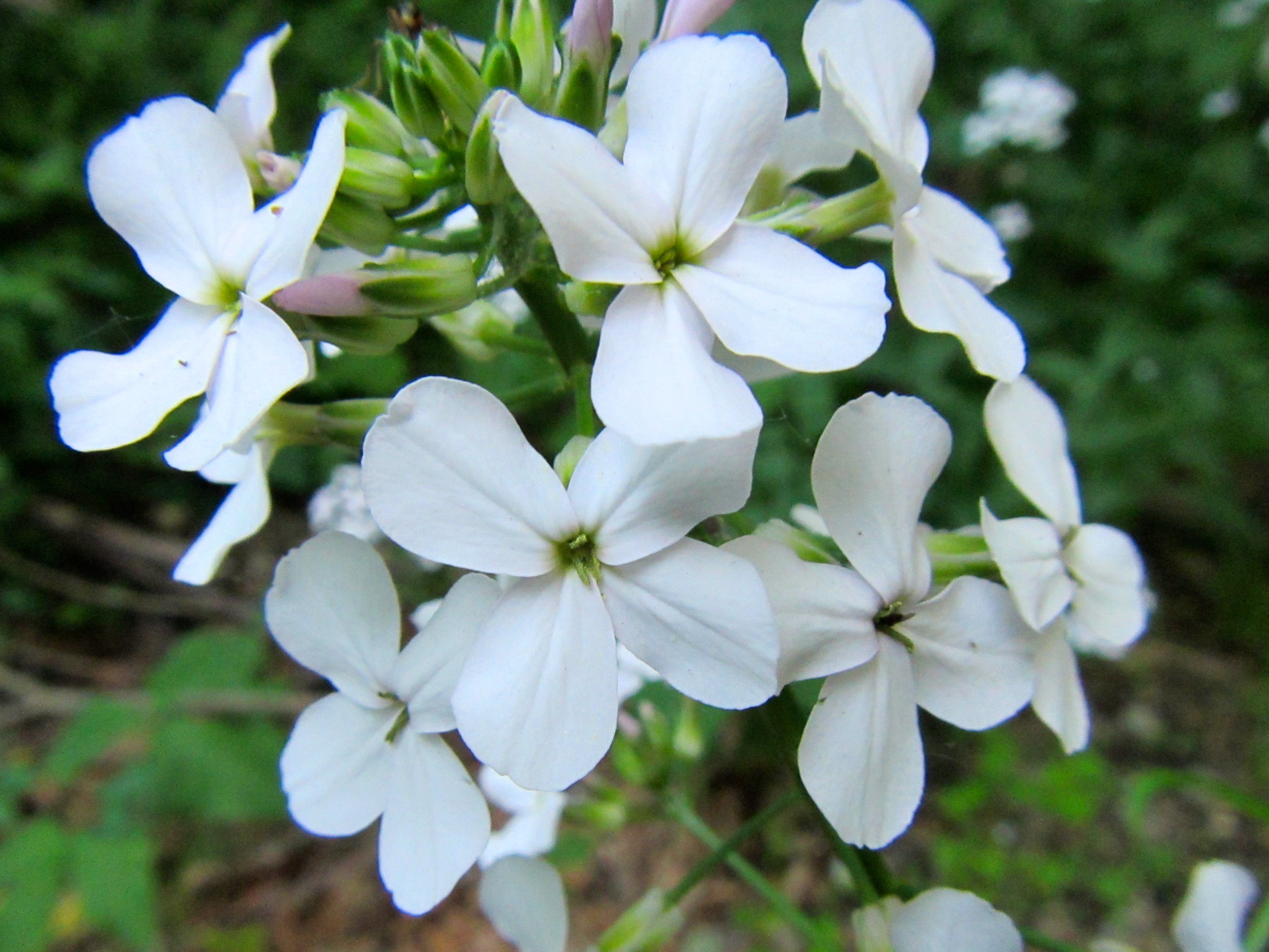
It was a slow day on the river for most of the anglers I spoke to. We were likely done in by the sudden shift in weather and the noon spike of the dam flow (the Upper TMA jumped from 370 to 480cfs; water was lightly stained and 65 degrees). Still, my friend Pete and his brother got into some very nice larger browns in the Upper TMA. As for your humble scribe, I had to be content with a mob of juvenile Atlantic salmon and one lonely rainbow trout. I was committed to the wet fly cause today — I just got an article assignment from American Angler on wets and was hoping to get some good fly-in-trout-mouth shots. Instead, you’ll have to settle for this simple flora-at-dusk portrait:

Image

Farmington River Report 8/7/13: Foul language and rank stupidity. Plus some trout.

“Hey, you gotta move your @#$%ing truck!”

Clearly, this fishing trip was not starting well.

I had just turned into one of the many dirt pulloffs that border the Farmington River. This particular one holds at least three vehicles. There already was a car in it, facing south. I had been heading north, so the fronts of our respective vehicles were pointing at each other. To leave, we’d each have to back out the way we came in. You know, like you’d do at any gas station.  Rudimentary Driver’s Ed stuff.

I got out and started gearing up. The occupant of the other car was on his cell phone, and from what I could overhear, he wasn’t having a happy conversation. He ended his call, and that’s when he shouted out his unpleasant greeting.

“Excuse me?” I said.

“Move your @#$%ing truck!”

“Really? Are you telling me you can’t back out of here?”

More wrathful profanity, and that’s when I realized: disengage. Now. What if he has a gun? What if he comes back with some friends? What if he vandalizes my truck? Sad to say, but that’s the world we live in. I could back out of the pulloff — and potentially, an even uglier scene — simply by acquiescing. Politely. And keep my dignity in the bargain. So I did.

Still, once I got in the water, I couldn’t enjoy it. I kept looking up at the road, waiting to see if my new friend was coming back to look for trouble. Every sound of an approaching car elevated my heart rate. Thankfully, he never returned.

So, what about the fishing? A slow day for swinging wets. Very little hatch activity, but the water was a perfect height at 321cfs and a delightful 64 degrees, ten out of ten for August. I was fishing a Squirrel and Ginger on point, a Drowned Ant in the middle, and a clumsy deer hair wing/head soft-hackle that suggested a drowned hopper or a big stone fly on top. I had several swirls at the big fly, but no takes.

Finally, on the dead drift, the line stalled, I came tight to the fly, and I had a good fish on. I was hoping for something approaching 20 inches, not only from the size of the fly, but from the fact that the fish immediately went deep and sulked on the bottom. A powerful surge up a whitewater channel, and he went on the reel. In the end, it was a mid-teens rainbow. It was the only trout I took in the 90 minutes I walked the run.

My best trout of the day took this monstrosity, still wet and fresh from the fish’s mouth.

Image

I decided on the spur of the moment to rig for indicator nymphing. The section I fished is a deep run below some riffles. I gave it 15 minutes, and the only trout I took came on the second cast.

A nice little brown who liked the look of Yerger’s Miracle Nymph, size 16.

Image

The day ended far downstream, where I took my largest juvenile Atlantic salmon of the year, about nine inches long. Bright silvery flanks, and fat. No wonder. When I was taking the hook out, I peered down his throat. It was loaded invertebrates to the point of overflowing. It reminded me of a bluefish spitting up bait. Off he went. Then off I went.

I had to get @#$%ing home.

Farmington River Report 8/6/13: Are you still there?

I guided Steven today and we had about the nicest August weather you could hope for: sunny, about 80 degrees, and low humidity. The fishing was pretty fair, too. The river was crystal clear, 324cfs in the Upper TMA, and 64 degrees. Not much in the way of hatch activity, but you take what you get and make soup.

Steven had missed my most recent “Wet Flies 101” class at UpCountry Sportfishing, so we spent the day covering the curriculum. He did an outstanding job. Funny thing: the first run we fished, there was a guy swinging wets. We watched him hook and land a nice trout. Turns out it was Ted, who took my class in May this year.

After Ted left, we waded in and took several fish, including this lovely wild brown that was rising on the edge of a shade line in less than two feet of water:

Image

Next, we headed off to the lower river. Slimmer pickings, with only one juvenile salmon to show. We finished the day in the upper TMA. We fished several very sexy seams and pockets with no love, but then things picked up in the last hour.

“Are you still there?” When my students are fishing wets on the dangle and they feel a strike, I tell them to ask that question before they set the hook. (When swinging flies for Atlantic salmon in the UK, you say, “God save the Queen.”) One of the biggest challenges for a new wet fly fisher is not setting the hook when they feel the tug. It’s a highly challenging reflex to overcome, and failing to do so usually means pulling the hook out of the fish’s mouth. Steven was struggling with it as much as anyone does early on, but by the end of the day, he was proudly announcing, “I waited that time!”

And every time he did, the trout was still there.

7/31/13 Farmington River Report: “So a guy who can’t hear and a guy who can’t talk walk into a river…”

As Woody Allen said, sometimes 80% of success is just showing up. Pete had gone downstream, and I went to the head of the run. It was a-quarter-to-noon, but the bank was already in the shade. First cast, BANG! The wet flies had barely settled into the water. I saw the splashy rise and felt the weight of the fish. A bantamweight wild brown had delivered a roundhouse right to the top dropper, a Squirrel and Ginger.

A feisty pug of a wild Farmington brown. This fish had an almost perch-like shape, with a tubby midsection that tapered dramatically before the tail.

Image

I took two more wild browns on the way down to where Pete was fishing. He was also doing well with a combination of wet flies and nymphs. (I was dedicated to the wet fly cause all afternoon.)

What pair we made. I’m partially deaf in one ear. Pete had his vocal chords compromised by recent surgery and can only speak in a whisper.  After my tenth, “What?!?” we decided on a policy of sign language and close-quarters conversation.

After our fast start, though, things slowed. Dramatically. We walked well over a half mile of prime water in the upper TMA with only one dropped fish to show for it. “What?!?” indeed. Very little hatch activity, and the water was running clear and cold.

Pete left around 2:30, so I took a flyer on a spot I hadn’t fished since May. I started off in some snotty water above it and was rewarded with a nice little brown and a few juvenile salmon. Then, in the run proper, I took a beautiful holdover brown on a mended swing. The water was clear enough to see the whole transaction, from the flash of gold as the trout darted out from behind a rock, to its striper-like thrashing on the surface at hook set. Another (dis)satisfied customer on the Squirrel and Ginger (this fly has become an automatic as my top dropper). I took two more smaller fish, then called it a day. A damn fine day. Thanks, July. Ya done good.

This could be a wild fish, but whether it’s stream-born or not, it had large pectoral fins that it used to repeatedly glide into deeper parts of the run.

Image

Thanks to today’s Wet Flies 101 Class/Farmington River Report

Many thanks to John and Matt who attended today’s Wet Flies 101 class. We were blessed with outstanding weather, and the river was in terrific condition: clear, 64 degrees in the upper TMA,  and running at just under 400cfs. Although bugs were few and far between, we did find a bunch of fish that were willing to jump on. It’s exciting to witness someone landing their first trout on a wet fly. Well done, gentlemen.

A wild brookie that fell to the charms of a Light Cahill winged wet. Been catching more of these gems this year than in recent memory.

Image

Friday, I fished the river with friend Jon from 4pm-9pm. We found trout everywhere, first on wets, then on wets and dries. Jon took an assortment of browns and an exquisitely parr-marked wild brookie. He also put on a wet fly clinic, catching two fish in a pod of rising trout in just a few minutes. I, on the other hand, chose to be tortured by trout feeding on emerging Summer Stenos (this hatch has yet to pick up any steam where I’ve been fishing). I spent over an hour stubbornly trying to catch this one fish that was holding hard up against an obstruction — not to mention the triple black diamond current seams I had to mend across. I’d say maybe one in six presentations was good. You can probably still hear the echoes of my hoot when he finally took.

I ODed on the Farmington this week, five days on the water. What a way to go.

This may look like a big honking stonefly, but it’s actually a cleverly disguised top-secret NSA drone. (Joke courtesy of Matt.)

Image

Tip of the Week: Whitewater

You know all those snotty, pocketed riffles on the Farmington that were impossible for you to fish during the rains and high flows of June and early July? Well, no one else could fish them either. But now you can. And they’re loaded with trout that haven’t seen an artificial fly in weeks. I know, because I waded one of those runs today.

In just two hours, idly swinging and dangling wets, I caught over a dozen fish. I fished four flies — a deer hair head/wing soft-hackle, a BH Squirrel and Ginger, a March Brown soft-hackle, and the Drowned Ant — and caught trout on all of them.

Regardless of June rains, this time of year is a good time to focus on riffly water. As water temps rise, trout move into these oxygen factories. You’d be surprised at how big some of the fish are, even though the water’s not even knee high. Wet fly, nymphing, even bushy dries like a Stimulator will all take fish.

Here are some of today’s customers.

Several smaller wild browns like this one. They fight like tigers.
Image
All the really cool stoneflies hang out on this rock to smoke cigarettes and shed their exoskeletons.
Image
The last fish of the day, taken on a size 12 March Brown soft-hackle.
Image
On the Drowned Ant, size 14. This one had some shoulders, and really clobbered the fly.
Image

6/1/13 Farmington River report: Catch-and-release works.

Fished the Lower TMA last evening from 6pm-8pm. I haven’t fished the lower river at close to a 1,000cfs in a while, and I was curious to see how some of my favorite spots fared in the higher water.

It was still crazy humid, but the water was warm enough (67 degrees within a foot of the surface –don’t worry, it’s colder along the bottom) to defeat any notion of those classic Farmington River fog banks. Visibility was good, although there was still a light stain. My plan was to fish wets with an emphasis on Light Cahills (three fly rig from top dropper to point: Squirrel & Ginger, Partridge and Cahill, Light Cahill winged wet), but the hatch never materialized. I only saw two lonely creamy duns, a few stray caddis, and the omnipresent swarming midges. That last crew made me happy I had a cigar.

Catch-and-release works. Some sporting bird of prey tried to drill a hole in Mr. Brown’s head, then had the decency to let him go.

Image

Fished a long deep run for about 45 minutes, waiting for a hatch that never happened. So I hiked upstream about 500 yards, and fished a series of rapids, walking, wading, and swinging the flies close to shore. Took the bird-wounded brown above in that maelstrom, along with a JV Atlantic Salmon.

Finished up in a deep pocketed run where I took a leaping brown on my second cast. Signs of good things to come? Sadly, not. One more courtesy tap, and that was it.