Fly fishing guide trips on hold — resuming when?

As you’re probably aware, all fly fishing guide trips or lessons are on hold. I know that many of you reached out to me this winter to book a trip/lesson, and I asked you to touch base in early April. And here we are. It’s’ a bad situation for everyone.

First, it goes without saying that I hope you’re all staying safe and healthy. If you’re managing to get out and go fishing, that’s even better. So, when can we resume normal relations?

I’ll be following the best practice guidelines put forth by those who know far more about pandemics than me. When they give us the green light, I’ll make a post here on currentseams. A reminder that my schedule will likely not change: weekends will out, so week days it shall have to be.

Thanks to all of you who continue to read and follow currentseams. Keeping with the guiding theme, here are a few memorable guide trips from the archives:

Greg hit it just right. We fished wet flies in mid-June from 3pm-7pm. With some strong caddis and sulphur hatches to goose the trout along, Greg had a banner day. It’s hard to beat wet flies pre- and during the hatch.

OLYMPUS DIGITAL CAMERA

~

July. Slow action. One of those warm, humid days that starts the Farmington River fog machine. The air over the water was cool and damp, and Mark and I were shivering in our shirtsleeves. I volunteered to fetch our jackets, and said to Mark as I left, “When I come back, I want to see your rod bent over.” This is the sight I was greeted by as I came back through the woods. All of my stories are true, and some of them actually happened. Like this one. 

OLYMPUS DIGITAL CAMERA

~

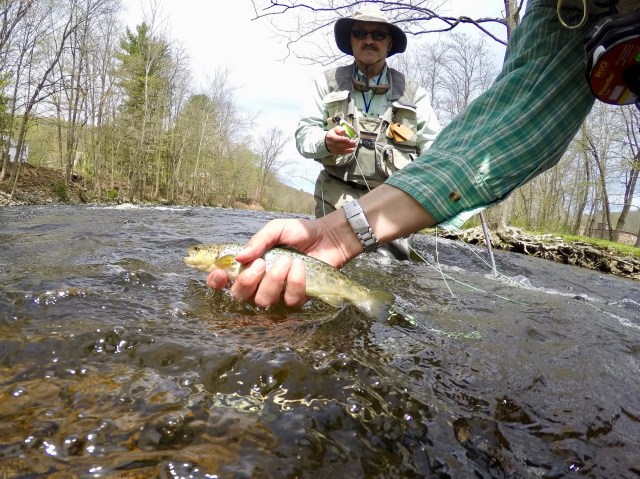
I love teaching, but I can’t control what Mother Nature is going to throw at us on any given day. So I was delighted to have her cooperate for this early May wet fly class. The trout were most agreeable, too. Ihor’s here with a gorgeous wild brown.
DCIM100GOPROG0034989.


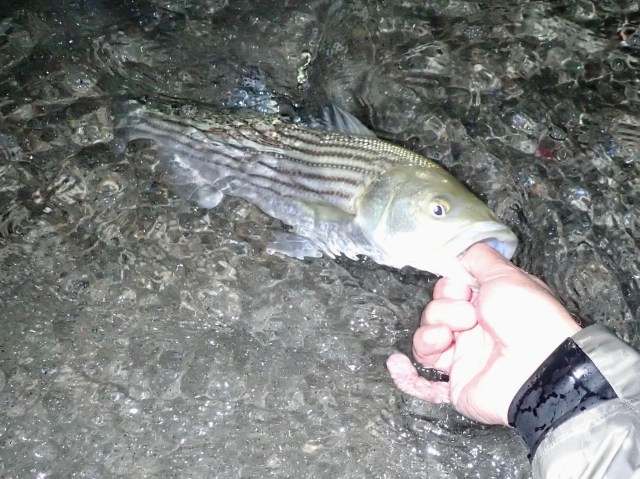
A Modest Proposal: Catch Fewer Small Stripers This Year

It’s no secret that our precious striper stocks are stressed. New regs are going into effect (check your state for specifics) that every striper angler should know about. But this year, I’m creating my own reg.

It starts with a question: Do I really need to catch 50 small bass at the mouth of the Hous? Do I really need to catch 20 sixteen-inchers in June during the grass shrimp hatch, or on a flat on the Cape during a sand eel blitz? The answer is no.

I’m asking you to join me. When it becomes clear that it’s a small bass on just about every cast, I’m going to reel up and stop fishing. So yes, let’s still fish. Yes, let’s still have fun. But let’s also give the bass a break. Catching another dozen dinks won’t make you a hero. Walking away will.

Sure, they’re fun. But they’re also ridiculously easy to catch. These bass are the future of the fishery. So please consider giving them a break. And while you’re at it, please consider making a tax-deductible donation to the ASGA. This group is gaining traction, and is beginning to have a real, quantifiable effect on the state of the fishery. Thank you.

OLYMPUS DIGITAL CAMERA


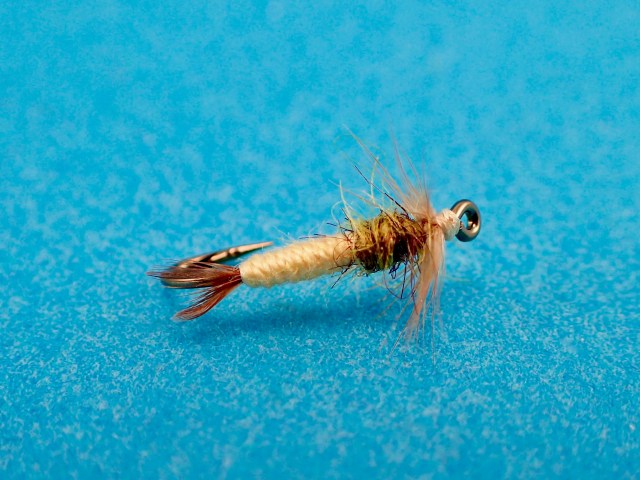
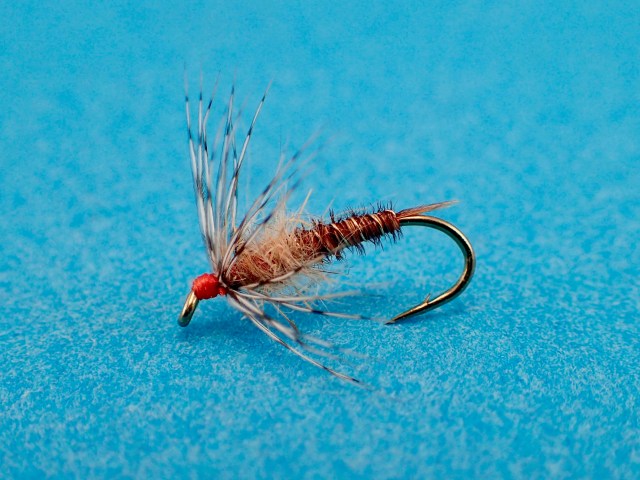
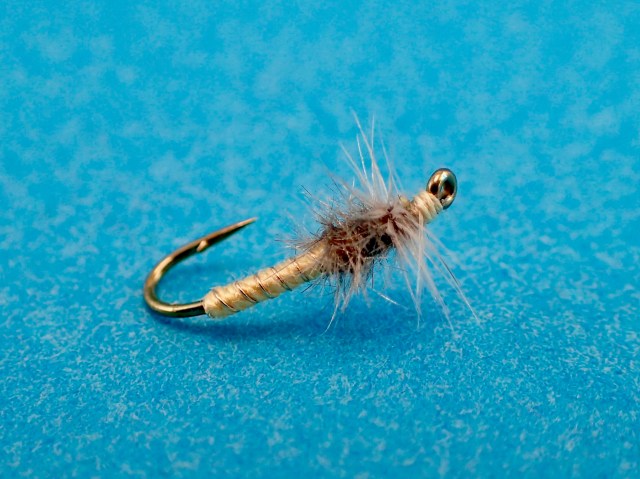
Leisenring’s favorite soft-hackled nymphs, in list form with photos

Last month I published a short feature series on James Leisenring’s favorite soft-hackled nymphs. Leisenring first listed these patterns in his 1941 book, “The Art of Tying The Wet Fly.” Here’s a single reference list of the seven nymphs, a photo of each pattern, and a link to the original post with my comments and tying instructions.

Heed the sage advice of Big Jim: “Now, in nymph fishing your hook must be exceedingly sharp…more fish are lost because of dull, cheap hooks than all other causes combined…” — James Leisenring

Tups Nymph (nymph version)

OLYMPUS DIGITAL CAMERA

~

March Brown Nymph

OLYMPUS DIGITAL CAMERA

~

Half-Stone Nymph

OLYMPUS DIGITAL CAMERA

~

Dark Olive Nymph

OLYMPUS DIGITAL CAMERA

~

Pale Watery Nymph

OLYMPUS DIGITAL CAMERA

~

Pale Watery Nymph (light-colored dun version)

OLYMPUS DIGITAL CAMERA

~

July Dun Nymph

OLYMPUS DIGITAL CAMERA

~

Tie and fish these soft-hackled nymphs with confidence, just as James Leisenring did nearly one hundred years ago.