Here we are, already at the mid-point of July. Blink, and you might miss summer. We really don’t have much to complain about weather-wise — it’s standard-issue hot and humid, there have been rains (but nothing catastrophic [he said, knocking on wood]), and the reservoirs are full. The Farmington is running clear and cold — in the 50s coming out of the dam — and at a terrific summer height. Please be sure to carry and use a thermometer, and make your cutoff 67 degrees. You should be able to find ample cold water from the PTMA and points north. Tip of the week: ants, beetles, crickets, and small hoppers, fished in faster water and languid currents under trees and shade. Oh. And small nymphs. You can thank me next time you see me.
I owe you a Block Island report, and spoiler alert: it’s not good. Locally, I know a few surfcasters who are doing OK. Things may pick up in another 30 days or so.
Meanwhile, I’m trying to play catch-up with my fishing. The yard work is settling down a bit, the garden’s in good shape, and the book is off with others. I think I’ll smoke a few cigars while I’m at it.
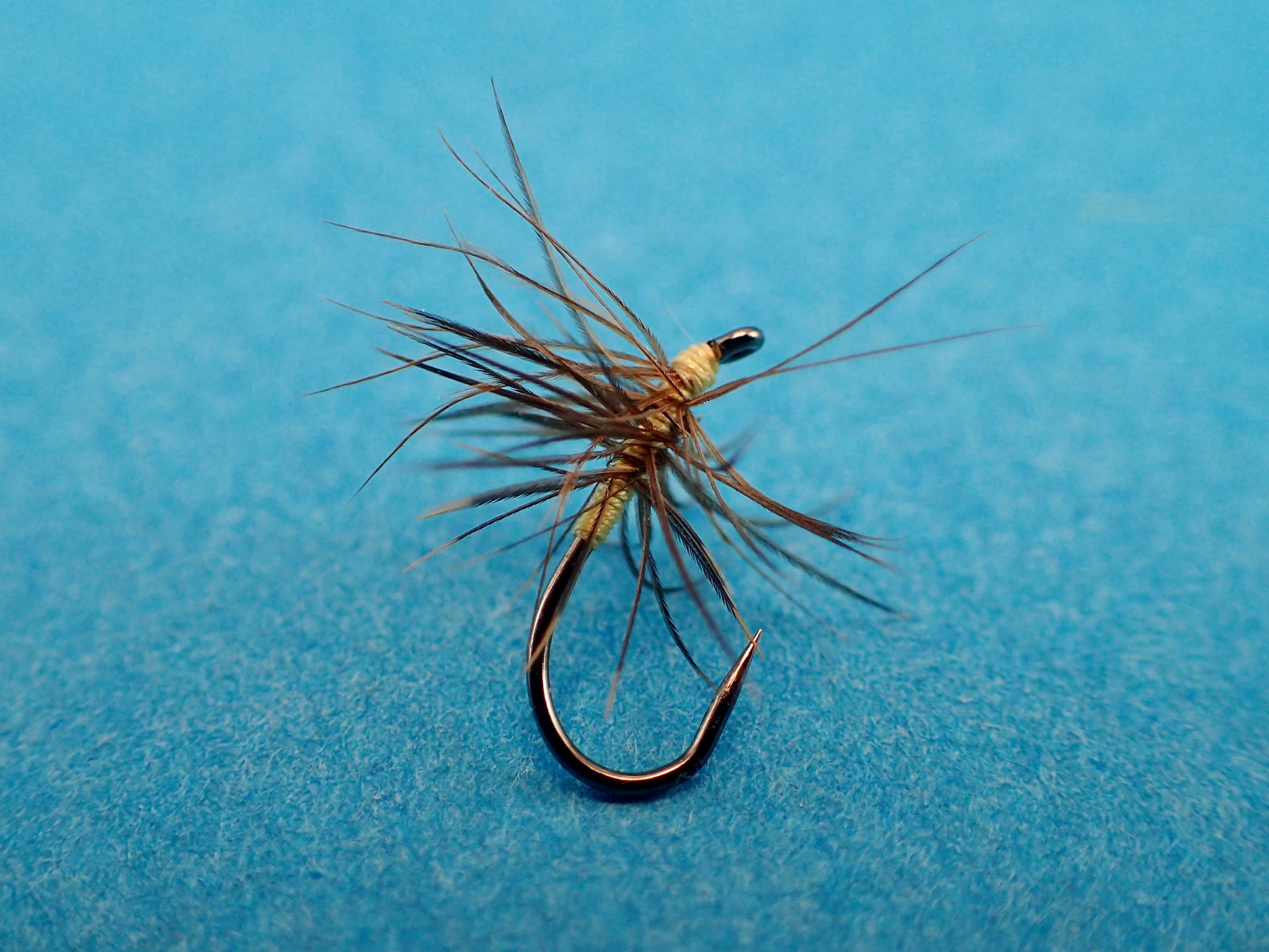
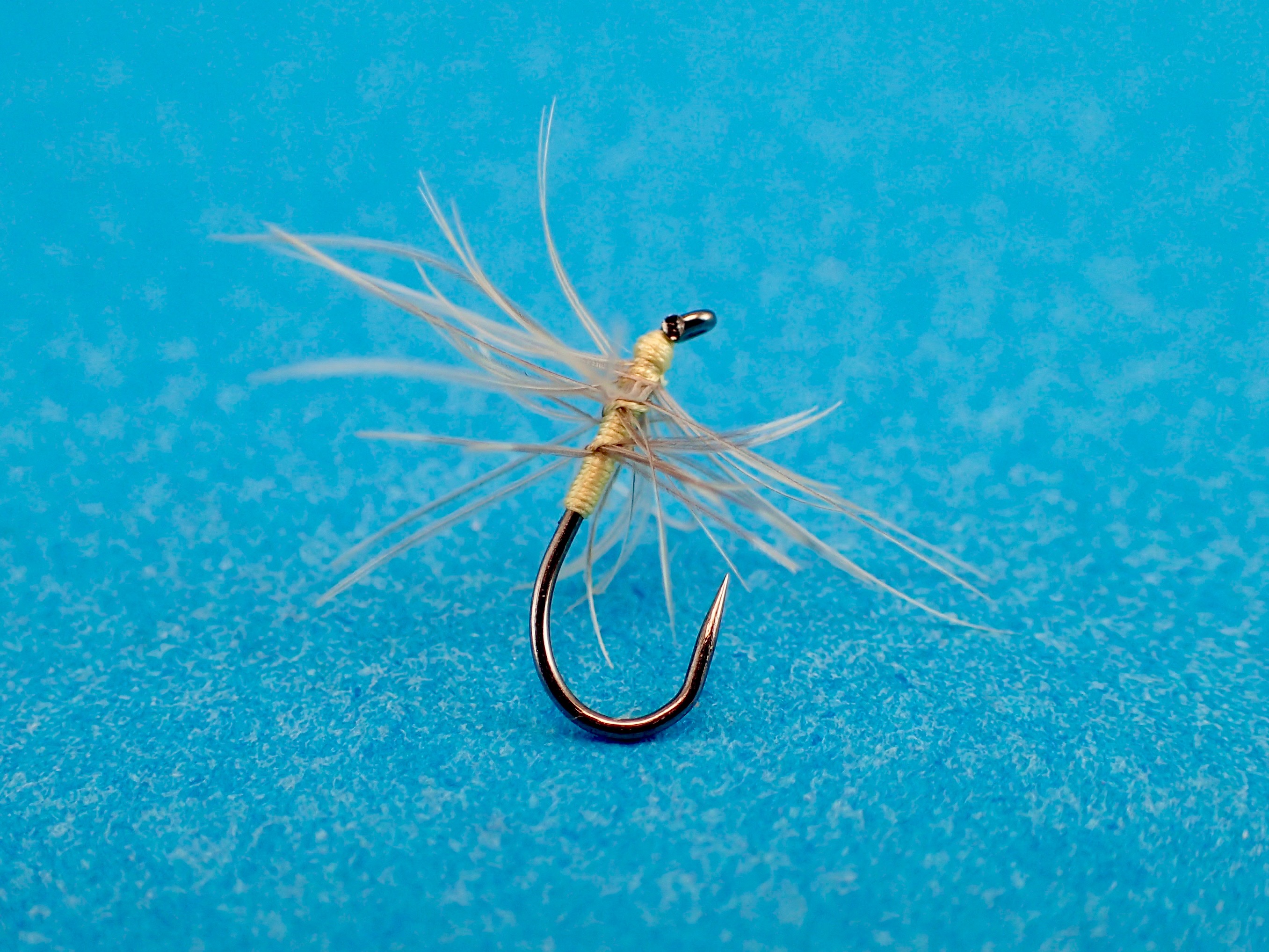
I recently published a short feature series on W.C. Stewart’s spiders, three ancient and traditional Scottish soft hackles. They first appeared in print in Stewart’s 1857 book “The Practical Angler or the Art of Trout Fishing, more Particularly Applied to Clear Water.” Here now is a single reference list of the trio: the Black Spider, Red Spider, and Dun Spider, a photo of each pattern, and a link to the original post with my comments and tying instructions. If you’re interested in reading an online copy of Stewart’s Book, you can find one here.
W.C. Stewart on the soft-hackled feather: “So soft are they, that when a spider is made of one of them and placed in the water, the least motion will agitate and impart a singularly life-like appearance to it.” — W.C. Stewart
Apply these to clear water near you, and let your mind wander back a few centuries. Picture Stewart on a wee Scottish burn, fishing his beloved spiders upstream…
W.C. Stewart was a Scottish lawyer and soft hackle aficionado. In 1857 he published the highly popular fly fishing book The Practical Angler. Though long out of print, you can easily find an archival copy online, or even a dog-eared used volume.
Today, Stewart is most remembered for his three spiders. These sparse, impressionistic soft-hackles wouldn’t get a second look in the modern fly shop’s bins. That these patterns would wantonly be ignored is, of course, a huge mistake. Let’s see if we can remedy that.
In a recent column, George Will referenced a line from an Alan Bennett play: “Standards are always out of date — that’s why we call them standards.” Don’t be dismayed by the absence of tungsten beads or UV mega-super-duper-sparkle flash. This pattern has been fooling trout for centuries. And the fish aren’t getting any smarter. Three cheers for James Baillie!
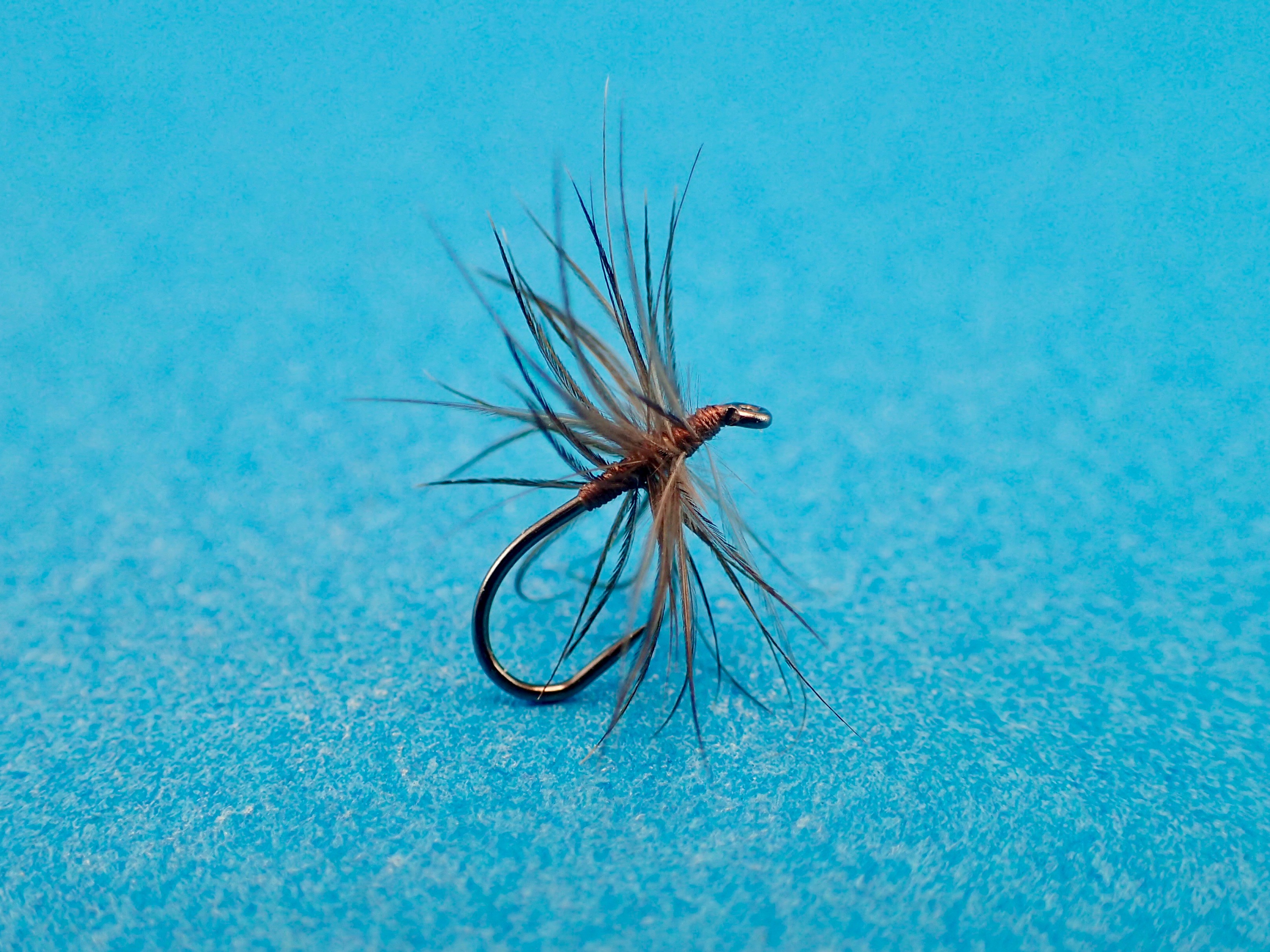
W.C. Stewart’s Black Spider
Hook: 14-15 (from Leisenring). I used a Partridge SUD2 #14.
Silk: Brown
Hackle: Cock starling
Body: Working silk
~
Tying Notes: This pattern is widely interpreted, as evidenced by an image search. The good news is that the design is so simple, it’s probably hard to tie one “wrong.” Let’s start here: I’ve always found it curious that a pattern titled “Black Spider” doesn’t contain anything purely black; I suppose “Dark Spider” doesn’t have the same swagger. The silk body should cover only the front half of the shank. Select a purplish-black hackle from a starling skin, fibers about as long as the shank. To make a more durable fly, Stewart suggested twisting the hackle around a silk tag before winding. Here’s how I did that: Start the silk at the head, winding rearward. Leave a 3″ tag about 3/4 of the way down the body. Continue winding the working silk. At the halfway point of the shank, proceed back toward the head. When you get to the silk tag, tie in the feather at its tip, and continue winding your working silk toward the head. Now, twist the feather around the silk tag, taking care not to break the spine (starling is fragile!). Wrap the feather toward the head, 3-4 turns, preening the fibers so they don’t get covered (a bodkin or needle may help). Tie down the feather and whip finish.
~
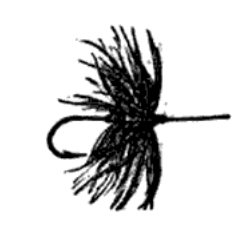
James Leisenring was a big fan of the style, writing, “I have found W.C.Stewart’s spiders to be a deadly combination on every stream I have ever fished.” Many iterations have the hackle wound along the length of the shaft, producing a hyper-sparse look, but as you can see from this drawing from The Practical Angler, the hackle is condensed and confined to the front half of the fly.



 currentseams.com