An hour on a small stream

April is always a good time to visit a small stream. You can see how Mother Nature wrecked certain pools and improved others over the winter. And of course, you knock on some doors to see if anyone’s home.

Water was on the low side of medium, cool, and distilled spirits clear. Hatches: big Blue Quills, some smaller BWOs, and a few stray caddis and midges. I saw three fish rising to feed, which is rare for these conditions (mid-day, low water). I didn’t even try to catch them.

I have decided that one hour in the woods on a sunny spring day is an absolute good for the soul.

I cannot think of a jauntier, I-don’t-give-a-damn plant name than skunk cabbage. 

OLYMPUS DIGITAL CAMERA

~

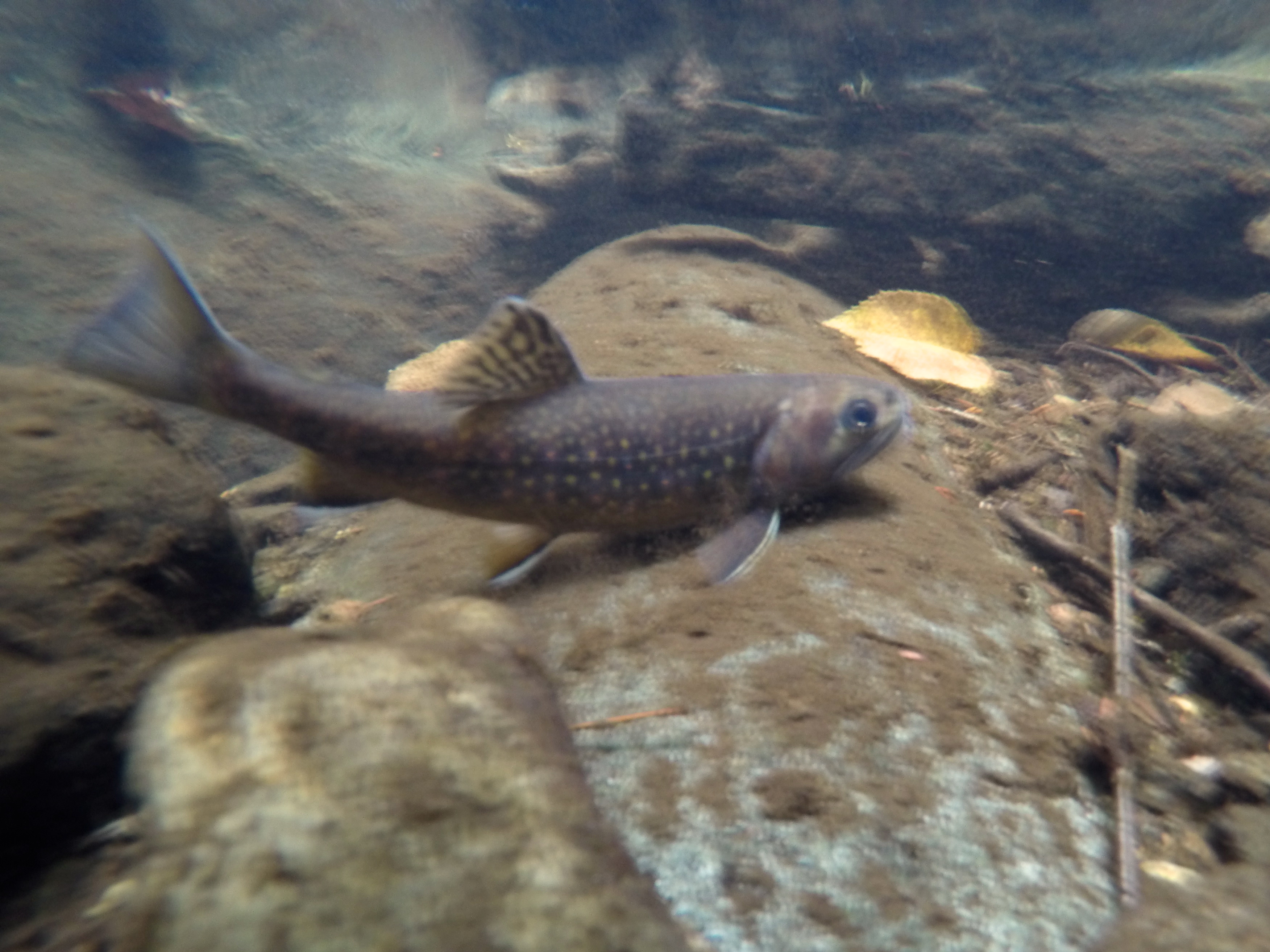
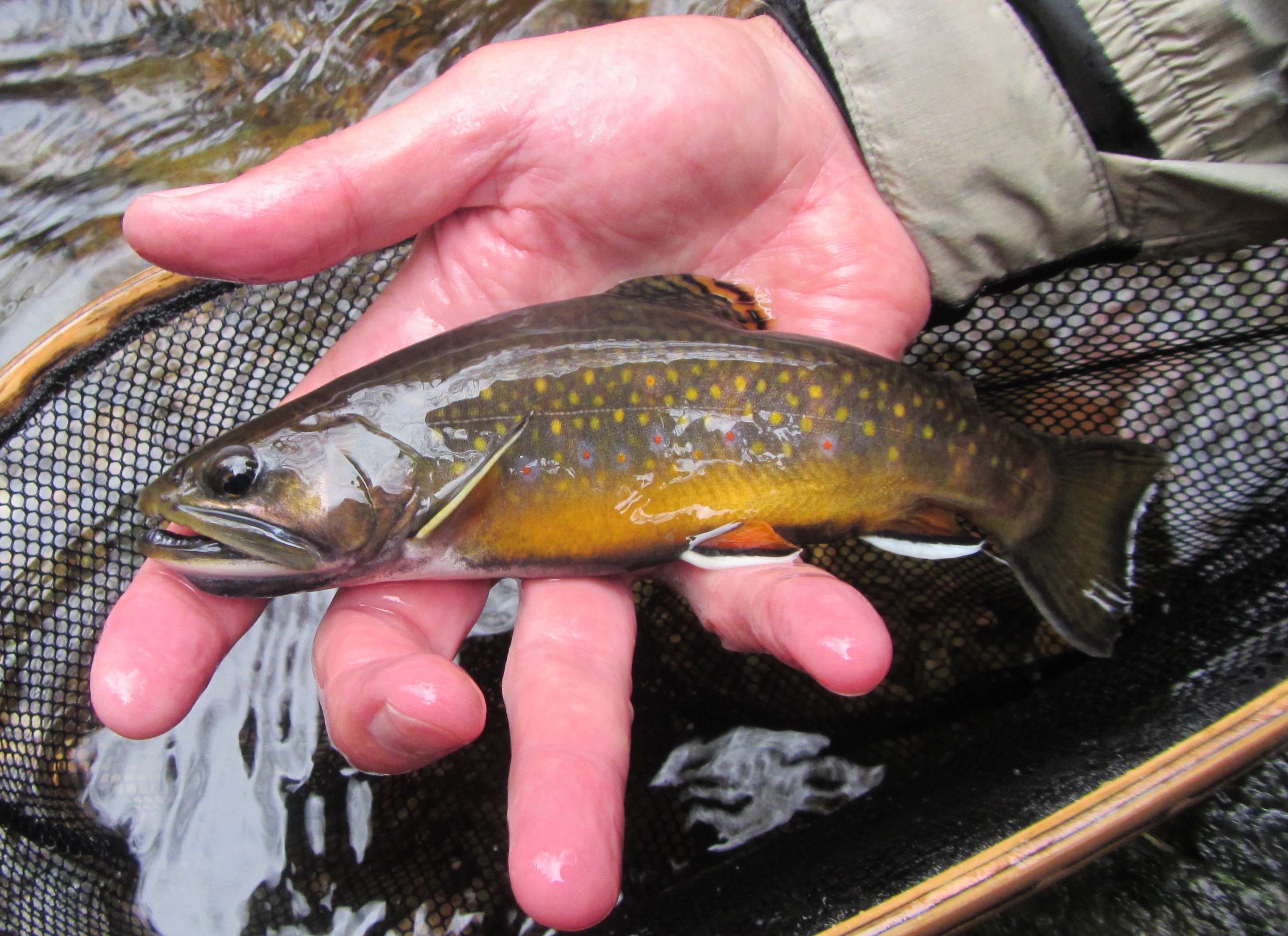
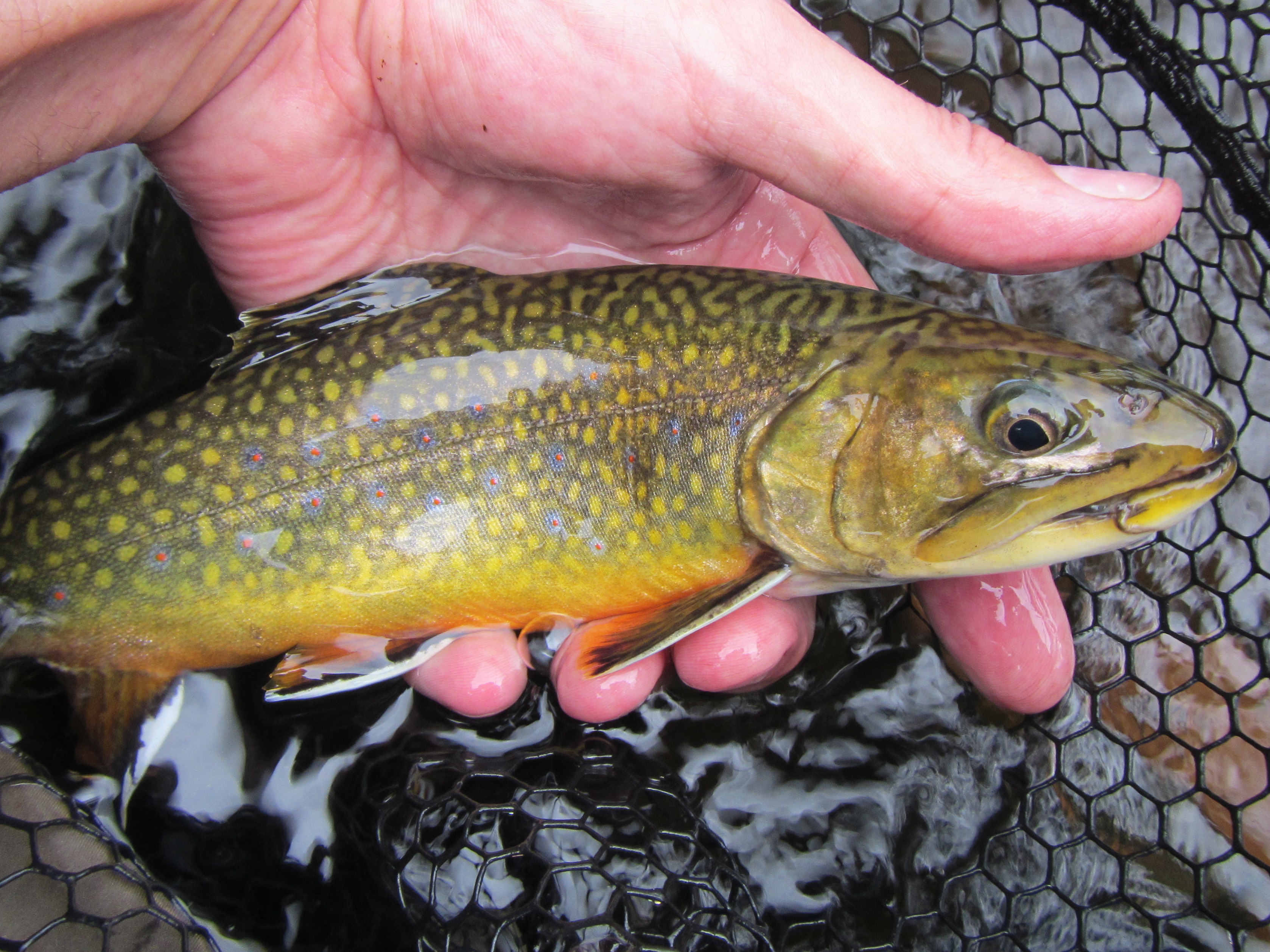
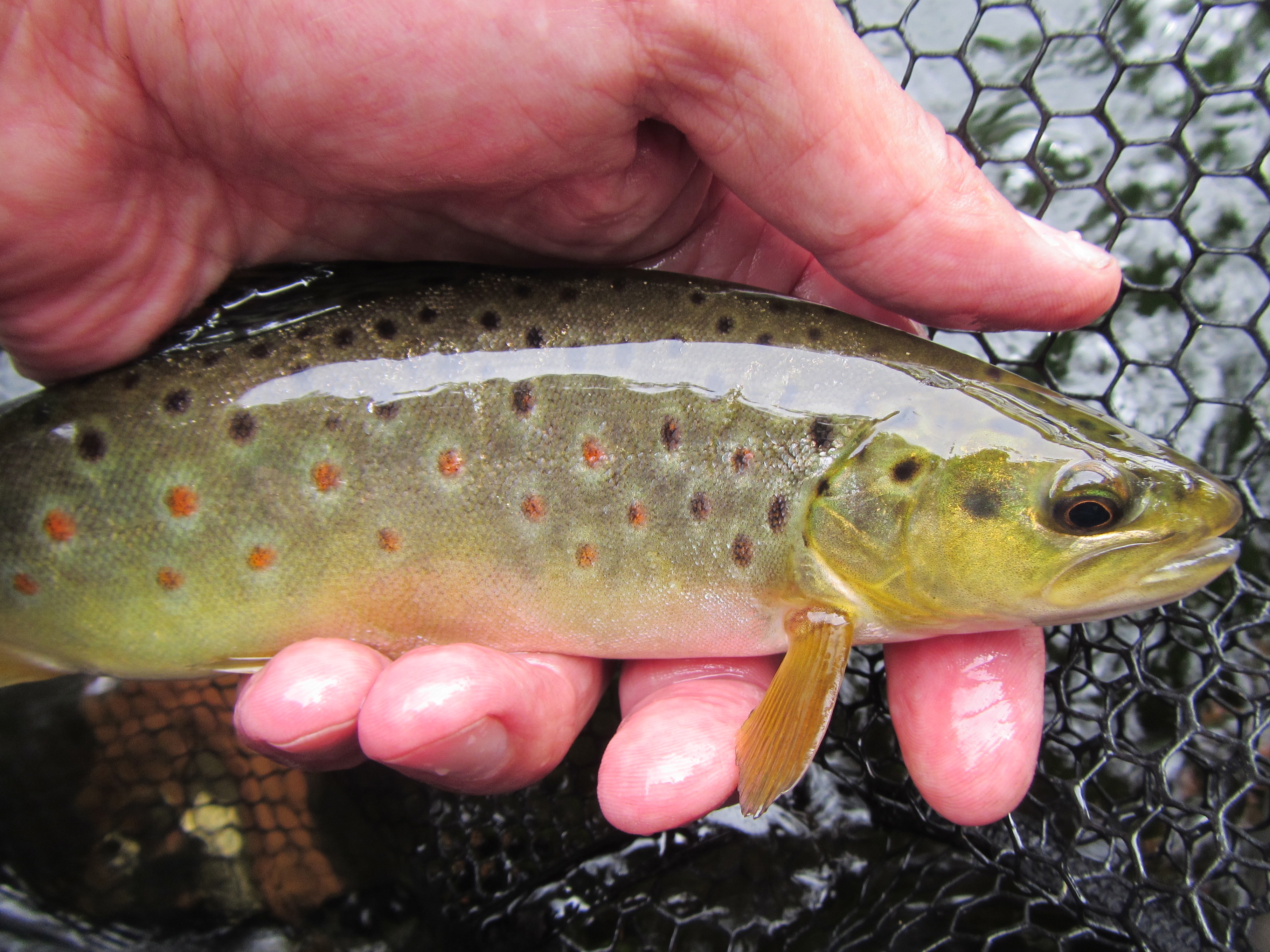
Pricked four, landed one. Two were small, and one got off when the leader tangled on a submerged branch. This handsome specimen sat still long enough for a portrait.

OLYMPUS DIGITAL CAMERA


The Last Blast of 2015

Any year that I get to fish over a hundred days is by definition a good one. So be it with 2015.

There are far worse ways to close out a fishing season than by walking a small stream, alone with your thoughts and a Oliva V Melanio. An ideal day for a winter outing, with temperatures in the low 40s, gray skies, and enough snow to make things pretty without gumming up the walk. I fished downstream with a bushy dry, and I added a tiny BHSHPT dropper off the hook bend halfway through the session. I found a half dozen small wild brookies willing to slash at the dry, but the only one I brought to net took the nymph dropper.

Merry Christmas, Charlie Brown.

OLYMPUS DIGITAL CAMERA

Then I got greedy. A half hour after leaving Ye Olde Brook Trout Emporium, I was wading into the bracing waters of the Farmington River. For some time now I’d had it in my mind to fish a certain stretch with streamers (I’d never done so in the winter). Bingo. Three bumps, and although there were no hook sets, I know where they live. Fished the full-sink line and some Deep Threats.

And so, on to 2016. If you’re new to currentseams, thanks for subscribing, and welcome. I have quite a few appearances and classes scheduled this winter, and I’ll post those soon. Hope to see you at one or more of them. And of course, if our paths cross on the river, please come say hi.


A Back-Country Brookie Adventure

Due to the prolonged drought, I have been keeping my distance from my precious small streams. But, my patience extends only so far. So with the recent cooler weather, I decided to head out. As expected, the water was low, clear, and cold. I find that in lower flows, topwater flies are the best producers. Of course, you can find subsurface action in the deeper plunge pools, but the vast majority of my action came on dries: Elk Hair Caddis, Improved Sofa Pillow, Ausable Bombers, etc.

I pricked dozens and landed quite a few. Most of the fish were smaller (<5″) but there were a few more substantial char in the mix. Even though the summer was dry and hot, nature finds a way. In one small, glassy pool I call “The Incubator,” I witnessed a burgeoning population of young-of-year brook trout. My guess is that thousands of generations have come of age there — something wondrous to ponder while you’re sitting streamside blowing smoke rings from your Aging Room corona gorda.

Some days I’m in full camera geek mode, actively seeking out shots. Other days, like this one, I’m far less motivated. Still, when incidental magic occurs, you take advantage. I had just squatted down into position at the head of a run when I looked down at the rock at my feet. From the chaos of falling leaves comes order. Have a nice day.

Have a nice day

~

One of the best fish of the day, probably 7″-8″, about to make a dash for the depths. He took an Ausable Bomber.

Brookie on the bottom

~

Dark char. I am fascinated by how brookies change colors to match their surroundings. On one limestone stream I fish, the fish have a lighter background cast to their flanks. This guy came from a deeply shaded pool. His head is almost black.

Dark Char

~

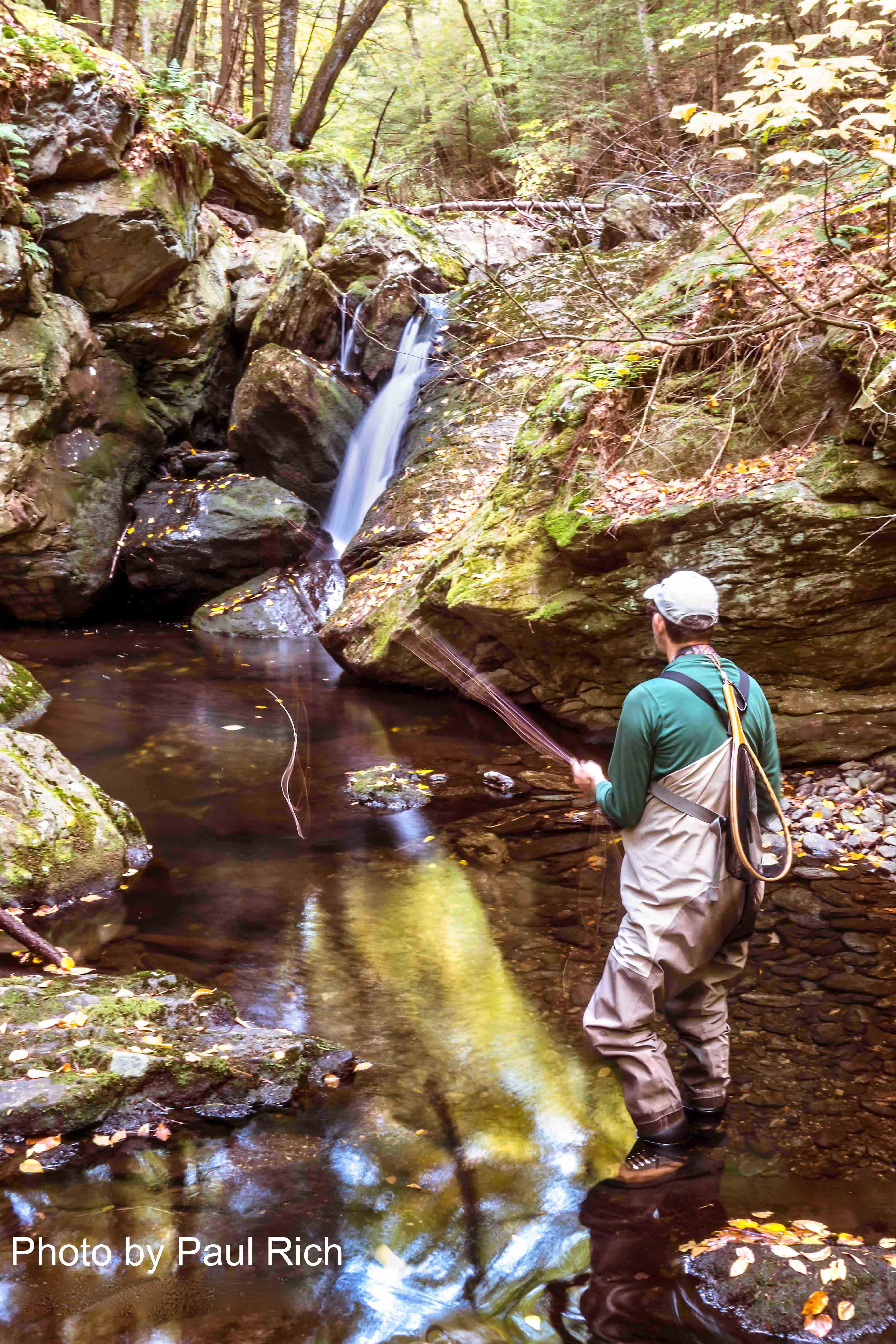
Paul was out hiking and shooting, and asked if I wouldn’t mind posing for him. I found fish on the dry from the head of the plunge to the submerged rock halfway down the run. Surprisingly nothing subsurface. It’s a gorgeous shot, even if the model doesn’t quite reach the level of the beauty of his surroundings.

Fishing waterfall

Small stream report 6/3/15: Alive and well and living in Connecticut

The original plan was to throw streamers in the murky waters of the Farmington. But the river wasn’t high or dirty enough for my liking. Still, needs must fish. What better option than the outgoing tide on a small stream? None, as it turns out.

Conditions were perfect: 68 degree air temperature, water at a medium-high level after the rains and running clear and cool (58 degrees). Oh, the bugs! Yes, indeed. There were the usual suspects, like caddis and midges and mosquitoes. But how about size 16 sulphurs? Size 14-16 golden stones? Heck, let’s throw in some mongo golden stones (size 4-6?) into the mix — I’ve never seen those on this stream. And some egg-laden mahogany dun spinners, size 16.

The brook fished very well. I pricked dozens of fish, many of them in pools where I haven’t caught anything in years. Mostly brookies, but three wild browns in the mix. All on the upstream dry (elk hair caddis and Stimulators).

After the draconian winter of 2014-2015, how comforting it is to have nature reaffirm that she will always find a way.

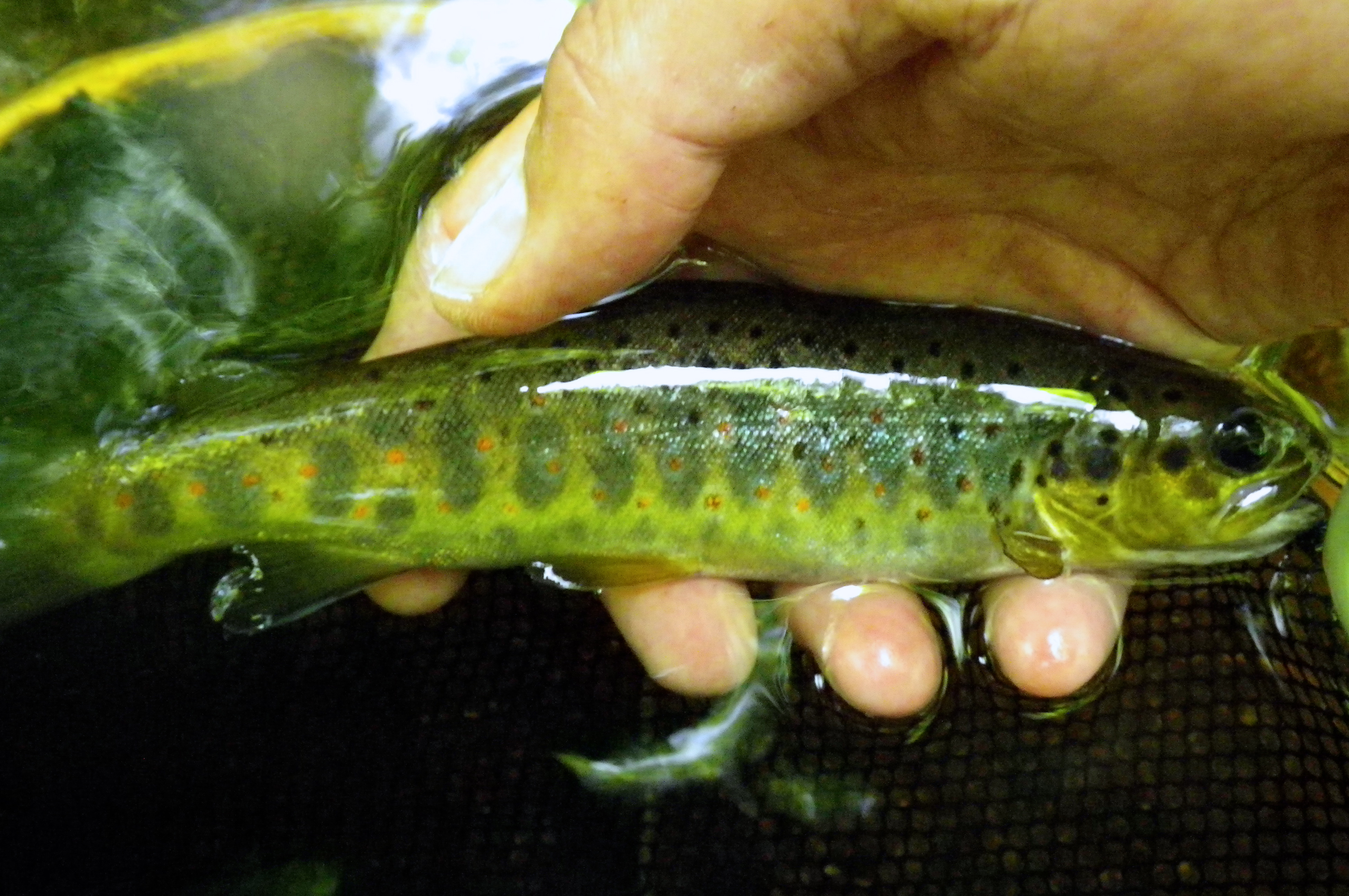
Intriguing markings on this hen.

Brookie 6-2015

Another hen, this one of the Salmo trutta persuasion. Best hit of the day. She all but slaughtered the fly. You’ll have to bear with me on the substandard photography. I lost my good camera, and my backup had issues today. I hope to have the situation rectified in a few weeks.

Brown 6-2015

Small Stream Mini Report 10/24/14

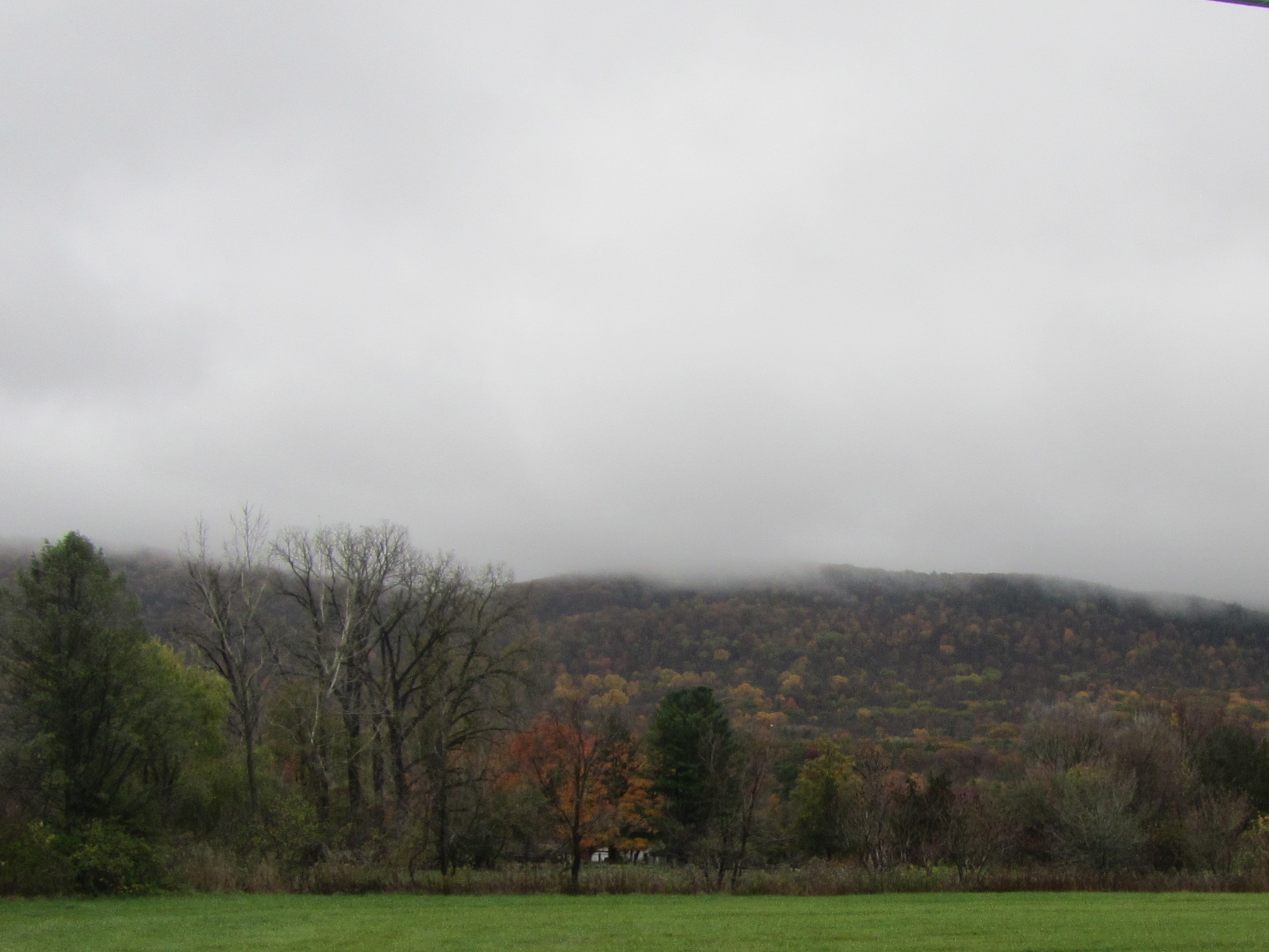
A fairly gloomy type of day with drizzle, heavy mist, and fog-covered mountaintops — also known as breathtakingly beautiful. The drive was long, the woods and water chilly, and the creek was up and slightly stained from the recent rains.

The brookies were hunkered down today. I could tell right away that the dry would be unproductive, but I gave the Improved Sofa Pillow and the Bomber a fair shake. After pricking several and landing a couple, I switched to subsurface. That made all the difference. Weighted micro buggers and bead head soft-hackles in both dark and light colors met with approval.

Mountaintop shrouded in mystery. What secrets would her brooks reveal?

IMG_2471

I wouldn’t say it was a banner day, but one thing’s for sure: three hours on a remote mountain stream beats the tar out of sitting at one’s desk. Especially if there’s a Rocky Patel The Edge Corona Gorda in the mix.

Van Gogh’s “Starry Night” vividly rendered on Salvelinus fontinalis flank.

Van Gogh 2

Fall colors

The woods were ablaze this late morning/early afternoon. A substantial leaf hatch, though, is a lot easier to deal with on a small stream. The char certainly had no problem picking out my size 16 Improved Sofa Pillow and size 16 Elk Hair Caddis.

Spooky fish today — most of them gave the fly a single whack, and that was it — no return business. Not surprising given the recent low water levels. A good number of them were hanging out in tailouts, making an upstream dry presentation challenging. Many more were locked into the whitewater plunges and deeper runs. I induced a few larger members of the tribe to strike, but most of what I raised was smaller, which I always like to see, recruitment being critical to the next few years’ outings.

Went subsurface on the way downstream, and as usual, stuck some brookies where none were forthcoming on the dry. Even after yesterday’s rains, the water was medium-low, cool, and clear. Creamy midges and size 18-20 tan caddis out today.

I am fortunate to be able to say, “I feel like going fishing today.” And then actually doing it. What a nifty little dark horse. He took the caddis in a seam just off a pocket plunge.

IMG_2458

The Downstream Wet Fly on High-Gradient Brooks

This piece first appeared in the May 2014 issue of Mid Atlantic Fly Fishing Guide. Many thanks to MAFFG for allowing me to share it on currentseams.

It all started with a bushy dry – an Elk Hair Caddis – that I was presenting upstream. I was fishing one of my favorite thin blue lines, a high-gradient brook nestled deep in the Appalachian foothills. “Brook” may be too generous a word; it’s more of a connected series of waterfalls than anything else.

For years, I had been fishing this exquisite gem with dry flies, always moving upstream, casting into the white water at the head of its plunges. While I’d had a few takers on this day, the brookies weren’t throwing themselves at the dry with their usual fervor. Of course, in unspoiled waters such as this, catching is secondary to simply being there. But on my return down the trail, curiosity got the better of me.

Surely, I reasoned, there were char in the pools where I blanked. Maybe they were just bashful about showing themselves on the surface. A quick rummage through my fly box produced a bead-head micro-bugger, about a size 14. The fly had barely settled beneath the surface when it was set upon by a band of shadowy marauders. Clearly, I was on to something.

The science behind the subsurface magic.

Small stream wild brook trout aren’t renowned for their selectivity. In streams where significant, regular hatches may be a luxury, highly opportunistic feeding habits are crucial for survival. But survival isn’t solely about eating. It’s also about limiting exposure to predators. Every time a brookie rises to the surface, it becomes a target for birds and mammals. Bigger fish are older fish, and older fish get that way by minimizing their chances of getting eaten.

Water level plays a significant role in how you decide to fish a brook. Many small streams are dependent on rainfall to supplement their flows. During extended periods of low water, wild fish settle into survival mode. They keep activity to a minimum, especially in daylight. You may not see them, but they’re there, hunkered down along the bottom, beneath deadfall, submerged ledges, and undercut banks. Good luck getting these ultra-cautious, spooky fish to rise to a dry. But, a submerged fly is an entirely different matter. Even the wariest trout finds it difficult to resist the temptation of a meal drifting past at eye level.

High or deep water also presents a unique set of challenges. Some of the plunge pools I fish are overhead deep, even during normal flows. Trying to coax a brook trout to move six feet to the surface to take a dry is not a high percentage play. Use a weighted soft-hackle to shift the odds in your favor. James Leisenring encouraged anglers to fish their fly “so that it becomes deadly at the point where the trout is most likely to take his food.” Translation: fish beneath the surface. Make it easier for the brookies to eat.

What’s more, brook trout are highly curious creatures. They are eager to investigate new arrivals to their world, especially if it poses no threat, looks alive, and seems like it might be something good to eat. Just as it happened that first time I fished a deep wet, I find that brookies will race each other to take the fly. Often, the competition doesn’t end until the last char has been hooked.

Presenting the downstream wet.

I like to position myself in front of the head of the pool I’m fishing; that often means I’m standing in the tailout of the pool above, along its banks, or on the rocks that create the waterfall (if there is one). Stealth is a matter of conditions and experience. Some pools have a deep holding run with a lane of whitewater or a riffly, mottled surface; in these, you can take a more cavalier approach. Others demand that you channel your inner commando, crouching, crawling, or hiding behind saplings and boulders to get into casting position.

In a plunge pool, I’ll begin by jigging my fly into the whitewater. Delivering the fly can hardly be called a cast; I’m simply dunking it and manipulating the rod tip with an up-and-down motion. If I don’t get a strike – and I’m always surprised when I don’t – I’ll strip out a few feet of line and repeat the process a little farther downstream.

Shallower runs invite you experiment with classic presentations such as the wet fly swing or the mended swing. With the former, you’re making a quartering cast down, then letting the fly swing across and up toward the surface. To slow the speed of the fly as it swings, simply add a few upstream mends.

Letting a soft-hackled wet fly hold in the current downstream – also known as the dangle – is almost never a bad idea on a small stream. As the hackles flutter in the current, they whisper to the brookies, “I’m alive.” By all means, add to the illusion of life with short, pulsing strips, or by drawing the fly toward you, then letting it fall back in the current.

Three proven small stream wets.

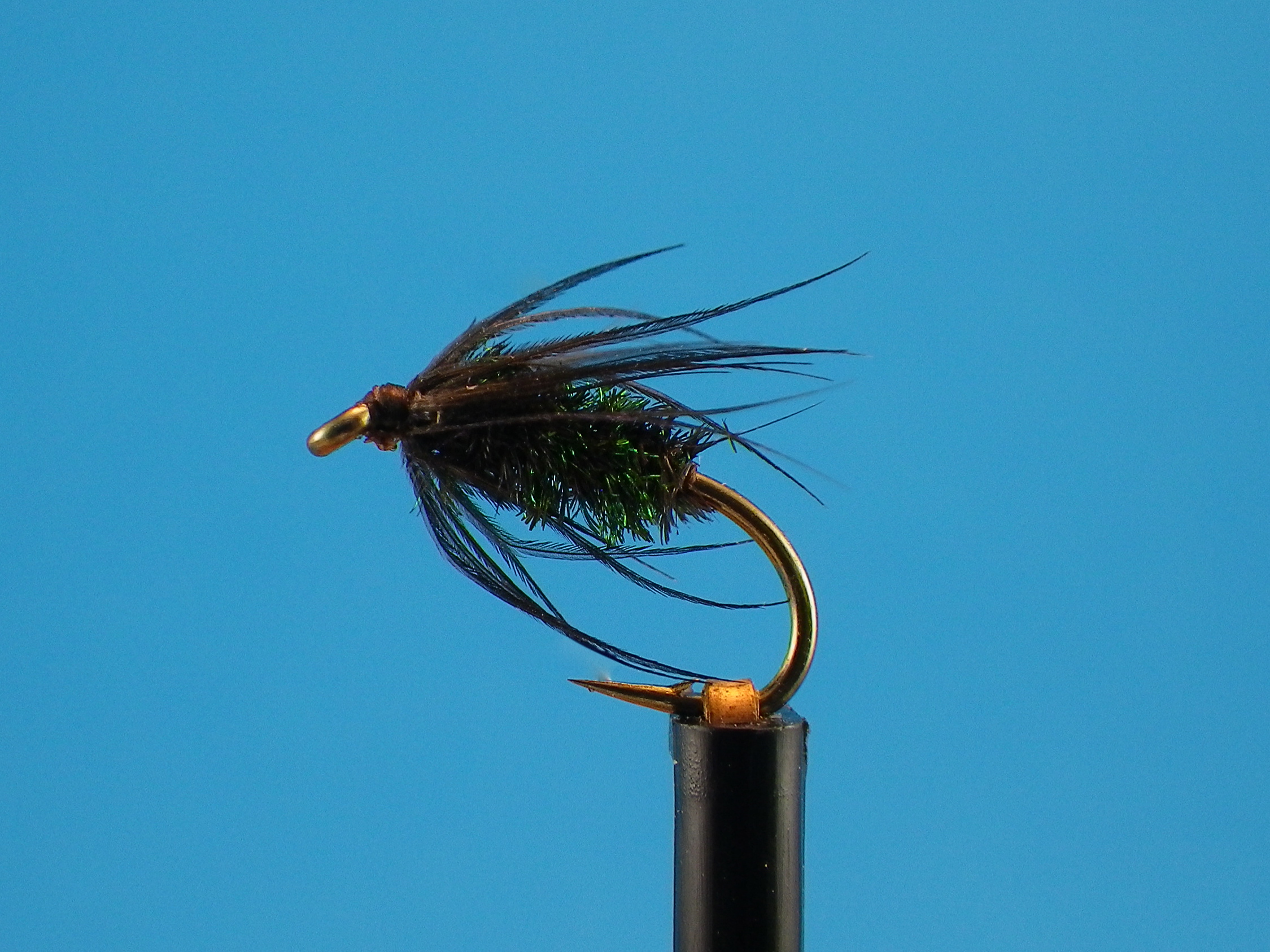
Starling and Herl
Culton_Downstream_Starling&Herl
Hook: 1x fine, size 10-18
Thread: Black
Body: Two strands peacock herl, twisted on a thread rope
Hackle: Iridescent starling body feather

In the warmer months, terrestrials are a major component of the small stream trout’s diet. The Starling and Herl is an old English pattern that makes a fine imitation of an ant, a beetle, or even a dark caddis or stonefly.

~

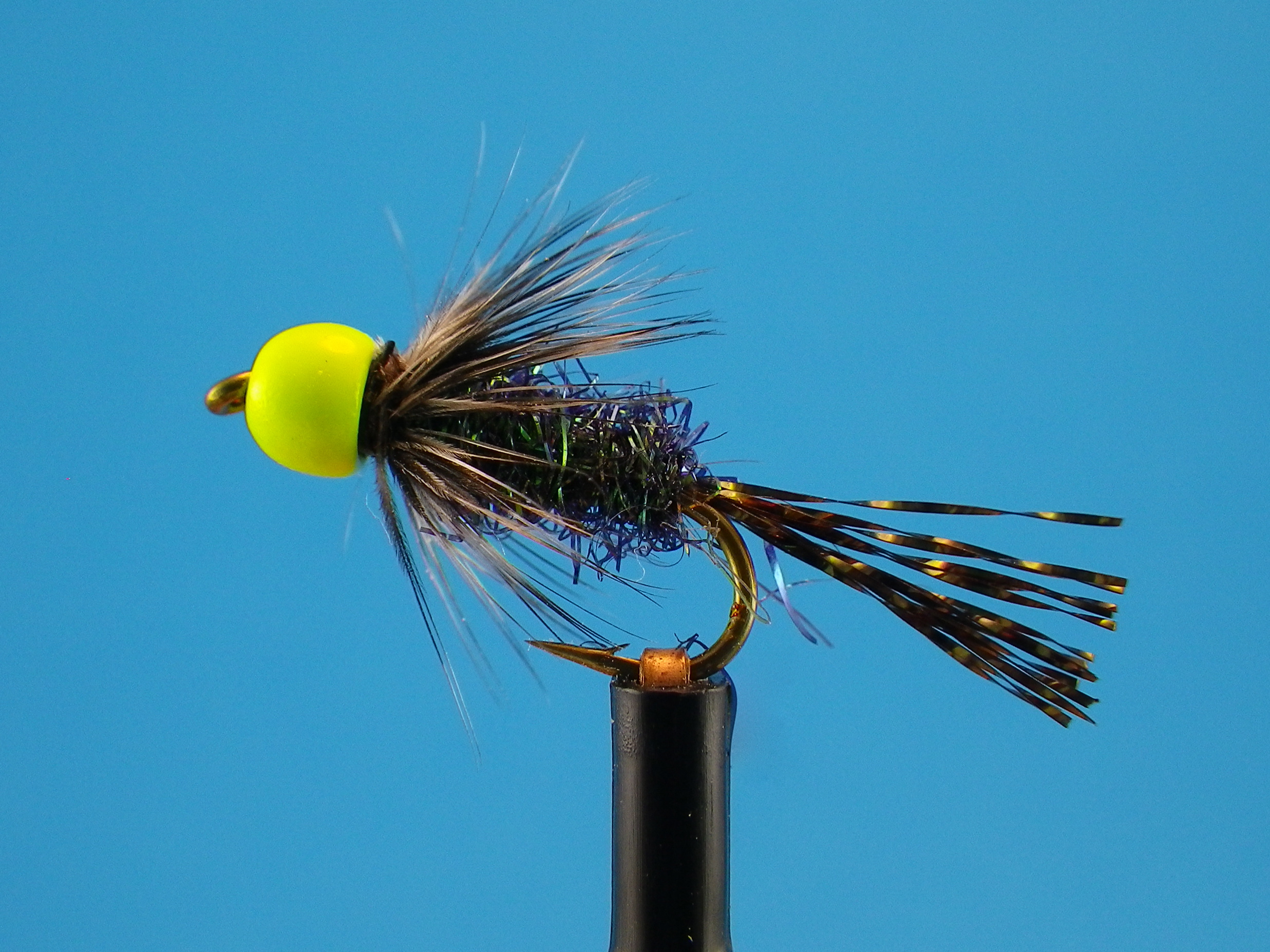
ICU Sculpin
Culton_Downstream_ICUSculpin
Hook: TMC 5262 size 14
Bead: Chartreuse tungsten
Thread: Black 8/0
Tail: Black Krystal flash
Body: Black peacock Ice Dub
Hackle: Grizzly
Sculpins are a favorite snack of wild brook trout, but this pattern is more of an impressionistic attractor than an exact imitation. Whatever the brookies think it is, the high contrast of the ICU Sculpin’s chartreuse bead against its dark, sparkly body makes this fly easy to see, even in a pool several feet deep.
~
White Mini-Bugger
Culton_Downstream_MiniBugger
Hook: TMC 5262 10-12
Thread: White
Bead: Copper tungsten, seated with weighted wire
Tail: Short marabou wisps over pearl Krystal flash
Body: Small white chenille, ribbed with pearl flash, palmered with soft white hen

I’ve made several strategic changes to the classic Woolly Bugger template. The tail is shorter and sparser, which cuts down on nips away from the hook point. The hackle and collar is soft hen. And with a tungsten head and wire underbody, this fly sinks like a stone, causing it to rise and fall like a jig when you strip it.
Many thanks to the Hammonasset Chapter of TU

Last night I presented The Eastern Brook Trout: New England’s Wild Native to the Hammonasset Chapter of TU. The group really came though in the clutch, locating an extension cord and power strip (must get those for future gigs) for me, and then — this is where it gets good — serving up some delicious pulled pork sandwiches. I really enjoyed meeting everyone and talking fishing and fly tying.

That reminds me: Time for a wild brook trout outing.

UDS Brookie2

Kicking off the 2014-15 season with three appearances

Yup, it’s that time of year again. Three speaking engagements over the next thirty days, one of them hopefully near you. I really love presenting. It’s a great way to connect with other anglers at a grass-roots level. Hope to see you at one of them. And here we go.

Thursday, September 11, 7pm, I’ll be speaking at the Hammonasset Chapter TU meeting. The subject will be The Eastern Brook Trout: New England’s Wild Native. Location is the QRWA headquarters, located at 540 Oregon Road, Meriden, CT.

UDS Brookie1

Thursday, September 18, 7:30pm, I’ll be presenting Wet Flies 101 at the TU Croton Watershed meeting in Pleasantville, NY. You can get directions from their website, cwctu.org.

Soft-hackles

Wednesday, October 1, 7pm, TU Naugatuck Pomperaug Chapter meeting in Naugatuck, CT. An encore performance of The Eastern Brook Trout. You can directions at tunaugpomp.org.

You don’t need to be a TU member to attend any of these meetings. Please be sure to say hi to me if you decide to come. I have more appearances scheduled, and I’ll post them as the dates get closer. I’m also working on a new presentation that should be ready soon. 

Thanks to all of you who subscribe to and read currentseams. I truly appreciate it.

Farmington River Report 8/12/14: Before the rains came

It’s been a slow summer for me swinging wets on the Farmington. Until today.

They dropped the flow from the dam to 340cfs, placing the upper river at a near-ideal 375cfs, and the lower river at 400cfs. Water temp on the lower river at 2pm was 66 degrees, darn good for mid-August, and no doubt cooler still at the bottom.

I visited several locations today on both ends of the river and found plenty of trout willing to jump on the wet fly. I fished my usual three-fly team; today it was a size 12 Squirrel and Ginger top dropper, a size 14 Drowned Ant in the middle, and a size 12 soft-hackle BHPT on point. I caught trout on all three flies, and even had a Farmington River Grand Slam with at least one brown, brookie, rainbow, and Atlantic salmon in the mix. One of today’s salmon was approaching the double-digit inches mark. Salar the Leaper indeed.

A staggeringly beautiful wild Farmington brookie who took a Drowned Ant on a mended swing. This is one of the best fish I’ve ever landed on this river, a tremendous fighter worthy of your applause. Also note the classic contrasting colors of the fontinalis fin.

IMG_2314

With the lower flows, my focus was on exploring some treacherous snotty water that had been previously out of reach. I almost went swimming a few times, and I even breached my waders when I stepped into a chest-high hole. (Please use a wading staff when you’re wading swift or difficult sections.)

Very little in the way of hatch activity today, although the Cedar Waxwings were busy.

The big one — 20+ inches —  on a wet fly still eludes me this year. But with a bounty of wild browns like this one, I’m not complaining.

IMG_2303